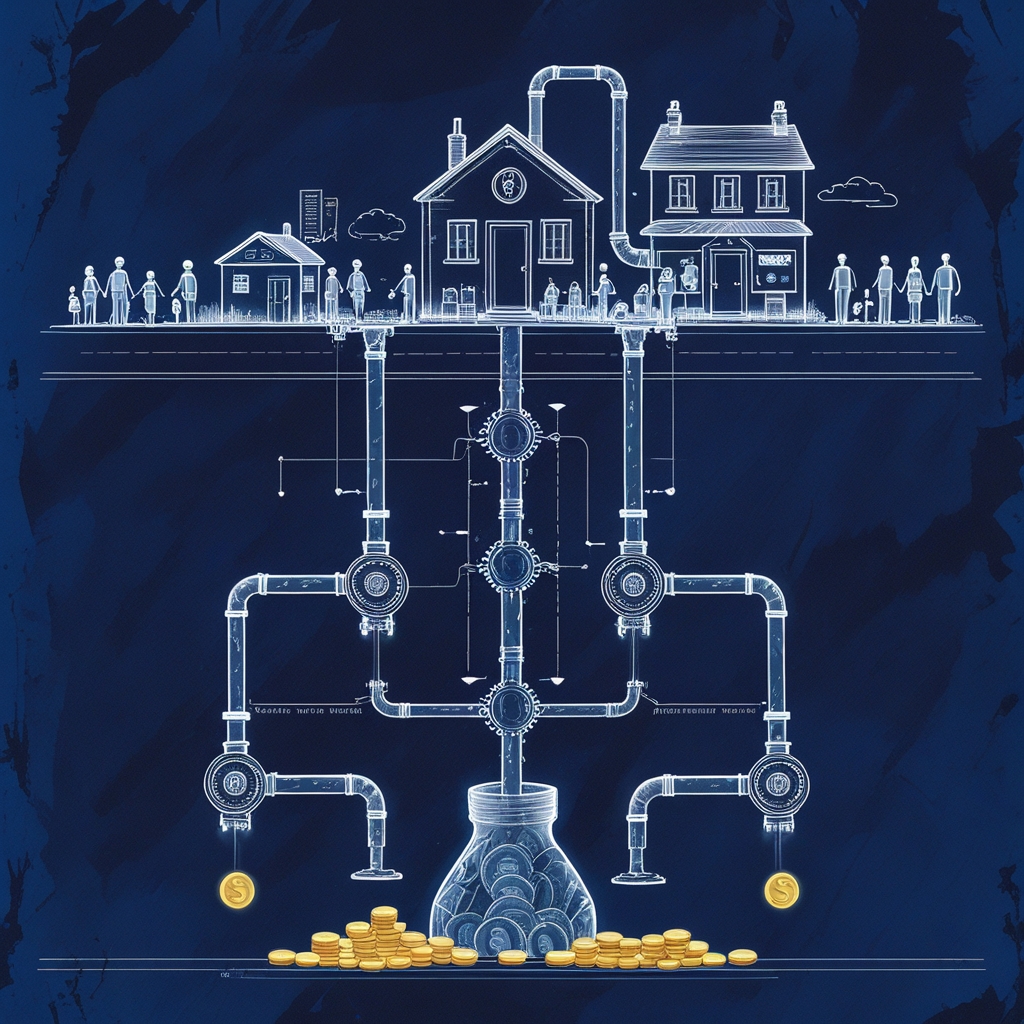
Why the Car Insurance System Resists Reform

Car insurance is expensive, frustrating, and widely disliked. Drivers complain about high premiums, about loyalty penalties, about comparison sites that all show similar prices, about claims processes that fight to deny payouts. And these complaints are not new, they are consistent, they are loud, and they generate political attention. Politicians promise to tackle rip-off insurance, to ban loyalty penalties, to make the market fairer. Consumer groups campaign for reform, for transparency, for better treatment of customers.
And yet, despite the complaints, despite the campaigns, despite the political promises, the car insurance system does not fundamentally change. Premiums continue rising. Loyalty penalties persist. Young drivers still pay thousands. Comparison sites still dominate. The system resists reform, not because reform is impossible, not because solutions do not exist, but because the forces protecting the system, the interests that profit from it, are powerful, organized, and determined to maintain the status quo.
Let me show you why the car insurance system resists reform.
The first reason is insurer lobbying and political influence. The insurance industry is large, profitable, and politically connected. Insurers employ thousands, contribute billions to the economy, pay significant corporate tax, and fund political parties through donations, through lobbying, through trade associations. And this gives them access, gives them influence, gives them the ability to shape regulation, to resist changes that would reduce their profits.
The Association of British Insurers, the ABI, is the industry trade body, representing insurers, lobbying government, responding to consultations, shaping the debate. And the ABI's message is consistent: the insurance market is competitive, premiums reflect risk, regulation is already comprehensive, and further intervention would harm consumers by reducing choice, by driving insurers out of the market, by increasing costs.
And this message is delivered effectively, through meetings with ministers, through submissions to parliamentary committees, through funding research that supports the industry position. And governments, lacking in-house expertise on insurance, defer to industry views, accept industry assurances that the market is working, and resist calls for radical reform.
And when reform is proposed, when politicians suggest banning loyalty penalties or capping premiums for young drivers, insurers respond with warnings. They warn that banning loyalty penalties would increase prices for new customers, because new customer discounts would disappear if they could not be subsidized by loyalty penalties. They warn that capping premiums for young drivers would mean insurers refusing to cover young drivers at all, leaving them unable to get insurance. And these warnings create fear, create caution, and prevent bold action.
The second reason is comparison site lobbying and market power. Comparison sites are not passive platforms, they are businesses, and they profit from the current system, from churn, from high comparison site fees, from add-on commissions. And they have market power, they control access to customers, and insurers depend on them for customer acquisition.
And comparison sites lobby to protect their position. They argue that they increase competition, that they empower consumers, that they drive prices down. And they resist regulation that would reduce their fees, that would require transparency on how much of the premium goes to the comparison site, that would allow insurers to offer lower prices to customers who buy directly.
And comparison sites have leverage. If a regulator proposed capping comparison site fees, comparison sites could threaten to delist insurers, to reduce their visibility, to make it harder for them to acquire customers. And insurers, dependent on comparison sites for a significant portion of their sales, would resist such regulation, would lobby alongside comparison sites to prevent it.
So comparison sites, while not as large or as politically connected as insurers, have influence, have the ability to shape the debate, and have an interest in maintaining the current system.
The third reason is regulatory capture and complexity. Car insurance is regulated by the Financial Conduct Authority, the FCA, which is responsible for ensuring fair treatment of customers, for preventing mis-selling, for maintaining market integrity. And the FCA has introduced reforms, has banned certain practices, has required transparency on renewal pricing. But the FCA is also cautious, is risk-averse, and is influenced by the industry it regulates.
Regulatory capture occurs when regulators, over time, come to see the world from the perspective of the industry, to prioritize industry stability over consumer protection, to defer to industry expertise. And this happens not through corruption but through proximity, through regular contact, through the revolving door where regulators move to industry jobs and industry executives move to regulatory roles.
And the FCA, regulating a complex market, depends on industry data, on industry expertise, to understand how the market works. And this dependence creates influence, creates a relationship where the regulator is reluctant to impose rules that the industry strongly opposes, because the industry warns that such rules would destabilize the market, would harm consumers, would create unintended consequences.
And the FCA, when it does act, acts incrementally, introducing small changes, tweaking rules, requiring disclosures, rather than imposing structural reform. And incremental change does not solve systemic problems, it just shifts extraction slightly, and the system continues extracting.
And regulatory complexity itself is a barrier to reform. The rules governing car insurance run to thousands of pages, cover pricing, disclosures, claims handling, complaints, data usage, and more. And this complexity makes it difficult for anyone outside the industry to understand the system, to identify where reform is needed, to propose effective solutions. And complexity benefits the industry, because complexity creates barriers to entry, protects incumbents, and makes reform seem risky and uncertain.
The fourth reason is the mandatory nature of insurance and lack of alternatives. Car insurance is legally required, you cannot opt out, you cannot choose not to buy it if you want to drive legally. And this mandatory requirement creates a captive market, and a captive market reduces pressure for reform, because drivers, no matter how unhappy, must buy insurance, must participate in the system.
And there is no alternative. There is no public insurance option, no mutual insurer owned by policyholders, no radically different model. All insurers operate similarly, use similar pricing models, similar terms, similar processes. So drivers, shopping around, find similar prices from different insurers, and there is no escape, no way to opt out of the extraction.
And governments, knowing that insurance is mandatory, knowing that drivers have no alternative, are reluctant to impose reforms that might destabilize the market, that might cause insurers to exit, because if insurers exit and there is no alternative, drivers would be unable to get insurance, would be unable to drive legally, and the political cost would be enormous.
So the mandatory nature of insurance, instead of creating pressure for reform, creates caution, creates fear of disruption, and protects the status quo.
The fifth reason is fragmented consumer opposition and lack of organization. Drivers, individually, are angry about high premiums, about loyalty penalties, about poor service. But drivers are not organized, they do not have a trade union, they do not have a lobby group with political influence, they do not coordinate their complaints into sustained political pressure.
Consumer groups, like Which, like Citizens Advice, campaign on insurance issues, publish research, call for reform. But consumer groups are small, under-resourced compared to industry, and their influence is limited. They can raise awareness, can generate media coverage, can prompt regulatory investigations, but they cannot force reform, cannot overcome industry lobbying, cannot match the political access that insurers have.
And drivers, facing high premiums, respond individually. They switch insurers, they shop around, they complain to their insurer or to the ombudsman. But individual action does not create systemic change, it just perpetuates churn, and churn benefits the industry by generating comparison site fees and allowing insurers to charge loyalty penalties.
So there is anger, widespread anger, but it is not channeled, not organized, and it does not translate into effective political pressure for reform.
The sixth reason is the young driver electoral weakness. Young drivers are the most harmed by the current system, paying the highest premiums, facing the most financial pressure, but young people vote in lower numbers than older people, and they are less politically organized, less likely to lobby, less likely to be heard.
And politicians, aware of this, prioritize issues that matter to older voters, to homeowners, to pensioners, who vote reliably, who are organized, who demand attention. Young drivers, while numerous, are not a powerful voting bloc, and their concerns, while valid, are not prioritized.
And this creates a dynamic where the group most harmed by the system has the least political power to change it, and the system continues extracting from them without consequence.
The seventh reason is the false narrative of competition and choice. The car insurance market is presented as competitive, with dozens of insurers, with comparison sites making it easy to switch, with choice, with transparency. And this narrative, this framing, makes it difficult to argue for reform, because if the market is competitive, if there is choice, then high premiums must reflect genuine costs, must reflect risk, and reform would be interference, would distort the market.
But the market is not truly competitive. It is oligopolistic, dominated by a few large insurers who set prices similarly, who all use comparison sites, who all charge loyalty penalties. And comparison sites, while appearing to increase competition, actually increase costs by charging fees that are built into premiums.
But the narrative of competition is powerful, is repeated by insurers, by comparison sites, by regulators, and it shapes the debate, makes reform seem unnecessary, makes critics seem anti-market, and protects the status quo.
The eighth reason is the data and complexity advantage. Insurers have vast amounts of data, detailed models, actuarial expertise. And this data, this expertise, is proprietary, is not accessible to outsiders, and it gives insurers a huge advantage in any debate about reform. If a politician proposes capping premiums for young drivers, insurers respond with data, with models showing that young drivers are high-risk, that premiums reflect actual claims costs, that capping premiums would lead to insurers refusing to cover young drivers or raising prices for everyone else.
And politicians, lacking equivalent data, lacking actuarial expertise, cannot effectively challenge these claims, cannot prove that premiums are excessive, that profit margins are too high, that the models are biased. So the debate is won by those with data, and the data is controlled by insurers.
And complexity reinforces this advantage. Insurance pricing is opaque, involves hundreds of variables, statistical models, risk algorithms. And this complexity makes it difficult for anyone outside the industry to understand how pricing works, to identify whether premiums are fair, to propose effective reforms. And complexity benefits insurers, because it allows them to hide extraction, to justify high prices with technical language, and to resist transparency.
The ninth reason is fear of unintended consequences and policy caution. Governments, when considering reform, worry about unintended consequences, worry that banning loyalty penalties might increase prices for new customers, that capping premiums for young drivers might reduce availability of insurance, that regulating comparison sites might reduce competition. And these worries, whether justified or exaggerated, create caution, create hesitation, and prevent bold action.
And insurers exploit this caution, warn of dire consequences, claim that any reform would harm consumers, would destabilize the market, would drive insurers out of the UK. And these warnings, delivered by credible-sounding industry experts, by trade associations, by well-funded lobbying campaigns, are effective, create doubt, and prevent reform.
And regulators, risk-averse, prefer incremental change over structural reform, prefer tweaks over transformation, because incremental change seems safer, seems less likely to backfire. But incremental change does not solve systemic problems, and the system continues extracting.
The tenth reason is industry funding of research and think tanks. The insurance industry funds research, funds think tanks, funds academic studies, all designed to show that the market is working, that premiums are fair, that reform is unnecessary or dangerous. And this research is published, is cited, is used in debates, and it shapes the narrative, creates the appearance of independent evidence supporting the industry position.
And think tanks, funded by industry, produce reports arguing that competition is working, that consumers benefit from choice, that regulation should be light-touch. And these reports are presented as independent analysis, but they are industry-funded advocacy, designed to influence policy, to resist reform, and to protect industry profits.
And this creates an imbalance, where industry-funded research dominates the debate, where independent critical research is scarce, under-resourced, and less visible, and where policymakers, seeing a consensus in published research, conclude that reform is not needed.
So here is why the car insurance system resists reform. Insurers lobby effectively, have political influence, and warn of consequences if reform is imposed. Comparison sites have market power and resist regulation that would reduce their fees. Regulators are cautious, risk-averse, and influenced by the industry they regulate. Insurance is mandatory and there is no alternative, so governments fear destabilizing the market. Drivers are not organized, have no collective bargaining power, and their anger does not translate into sustained political pressure. Young drivers, most harmed, have the least political power. The market is presented as competitive, masking oligopoly and extraction. Insurers control data and expertise, win debates through complexity. Governments fear unintended consequences, prefer caution over bold action. And the industry funds research that supports its position and shapes the policy debate.
These forces interact, reinforce each other, and together they ensure that despite public anger, despite rising premiums, despite clear evidence of extraction, the car insurance system does not change. The structure persists, the loops continue, and drivers, particularly young drivers, continue paying more, continue being extracted from, and continue having no real choice, no real alternative, no real power to demand better.
The next article will show you where policy actually has leverage, where intervention could reduce harm, could make premiums fairer, could shift power from insurers to drivers. Because while resistance is strong, leverage points exist, and understanding them is essential for anyone who wants to see the system reformed.