• Home
  • Start Here
  • Systems
  • Deep Dives
  • The Question
  • System Watch
  • System Health
  • Toolkit
  • Books
  • Videos

Where Systems Thinking Comes From

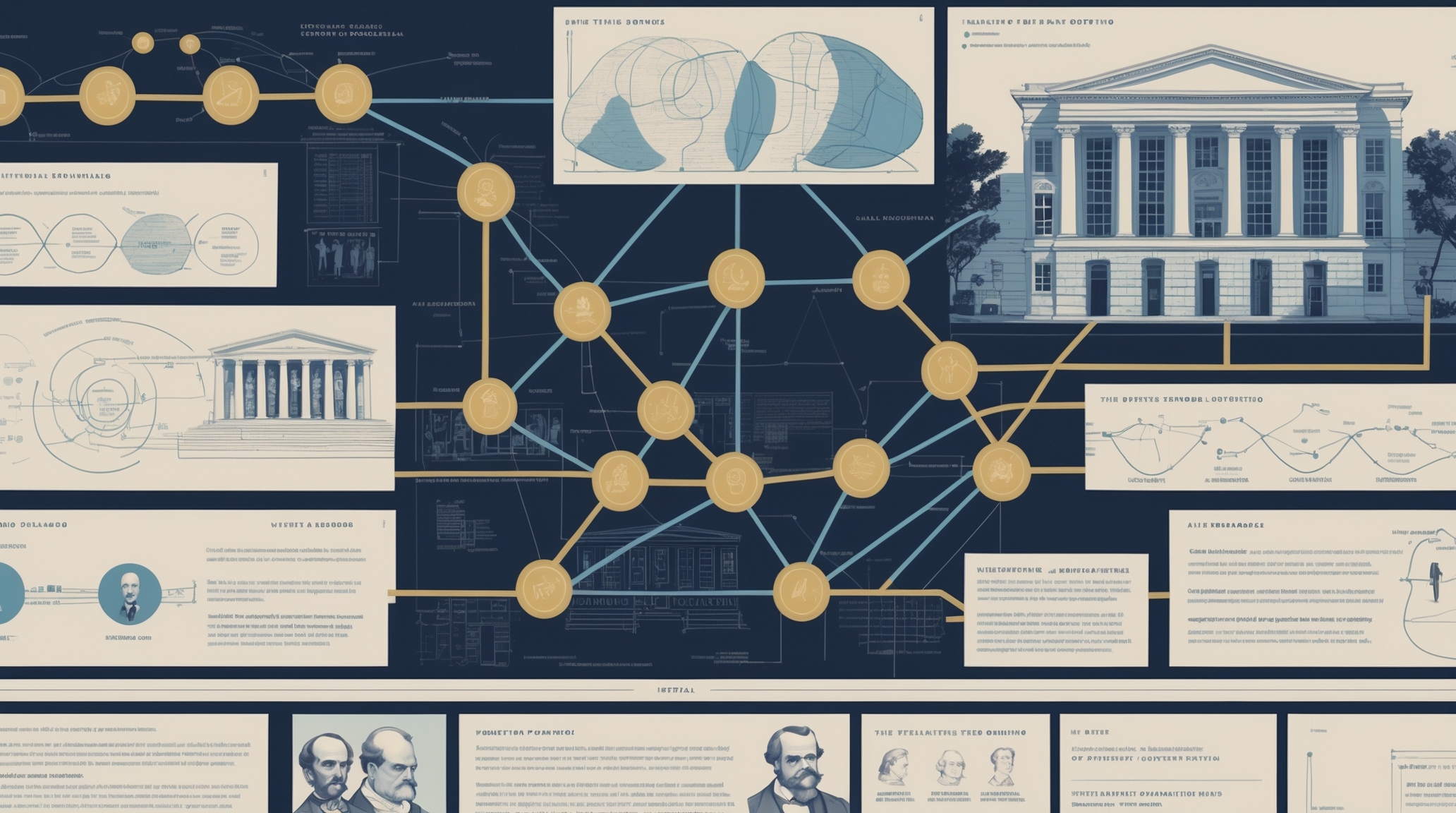
Systems thinking feels modern, feels like something new, something that emerged from computers and complexity and our interconnected world. But it is not new. It is old. Older than you think. The core ideas, the insights about feedback, about interconnection, about how changing one part of a system affects everything else, these ideas have been around for decades. Some for nearly a century. And they were developed not by philosophers or by social theorists, but by engineers, by biologists, by mathematicians trying to solve practical problems.

Understanding where systems thinking comes from matters because it shows that this is not just a perspective, not just a way of seeing. It is a discipline, grounded in science, tested in practice, and refined over generations. And it matters because the people who developed systems thinking were trying to solve the same problems we face today: how to understand complex systems that resist simple solutions, how to intervene in ways that actually work, and how to avoid the unintended consequences that come from acting without understanding structure.

Let me show you where systems thinking comes from and how it evolved into what we use today.
Read more →

Stocks, Flows, and Accumulation

f you want to understand any system, you need to understand two things: stocks and flows. These are the fundamental building blocks, the basic structure that underlies every system you will ever analyze. And once you see them, once you understand how they work and how they relate to each other, you will see them everywhere. In your bank account, in your bathtub, in populations, in knowledge, in infrastructure, in debt, in trust, in everything.

A stock is an accumulation. It is a quantity that exists at a point in time. Water in a bathtub. Money in a bank account. People in a population. Carbon in the atmosphere. Debt on a balance sheet. Knowledge in your head. Infrastructure in a city. A stock is what you measure when you take a snapshot, when you ask how much is there right now.

A flow is a rate of change. It is the amount added to or subtracted from a stock over time. Water flowing into the bathtub from the tap. Money flowing into your account from your salary. Births adding to a population. Emissions adding carbon to the atmosphere. Borrowing adding to debt. Learning adding to knowledge. Investment adding to infrastructure. A flow is what you measure when you ask how fast is it changing.

Read more →

Feedback Loops - The Deep Dive

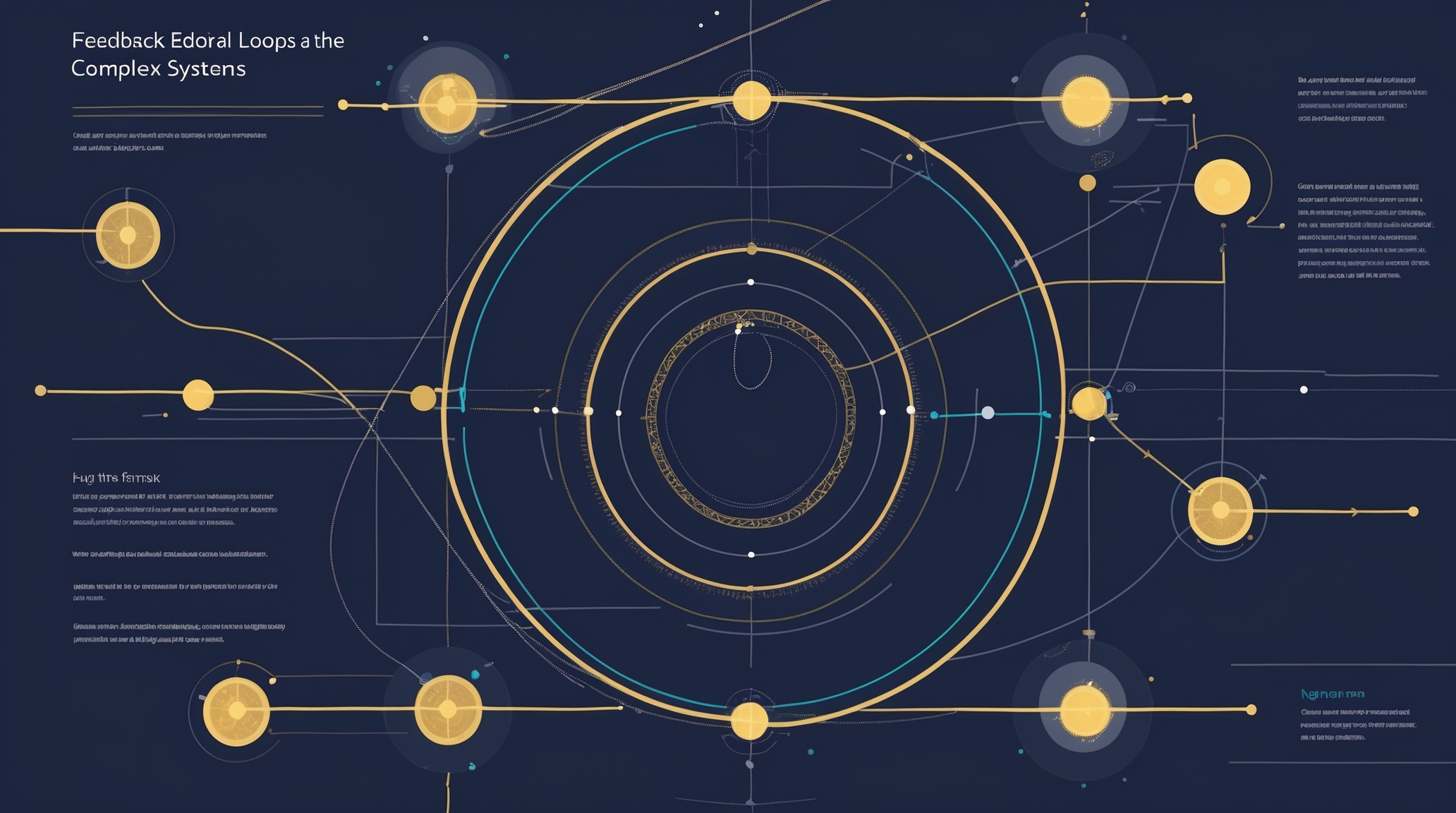
Feedback loops are the engine of system behavior. They are what make systems dynamic, what make them change over time, and what make them behave in ways that are often counterintuitive, surprising, and resistant to intervention. Understanding feedback loops is essential to understanding systems, because without feedback, systems would be static, predictable, and linear. But with feedback, systems become complex, they evolve, they spiral, they oscillate, and they often produce outcomes that no one intended and that are very difficult to reverse.

A feedback loop exists when a change in something eventually comes back to affect that same thing. A causes B, B causes C, and C causes A. The loop closes, the output feeds back into the input, and the cycle repeats. And this circularity, this self-reference, is what creates dynamics that linear thinking cannot capture.

Read more →

Nonlinearity and Tipping Points

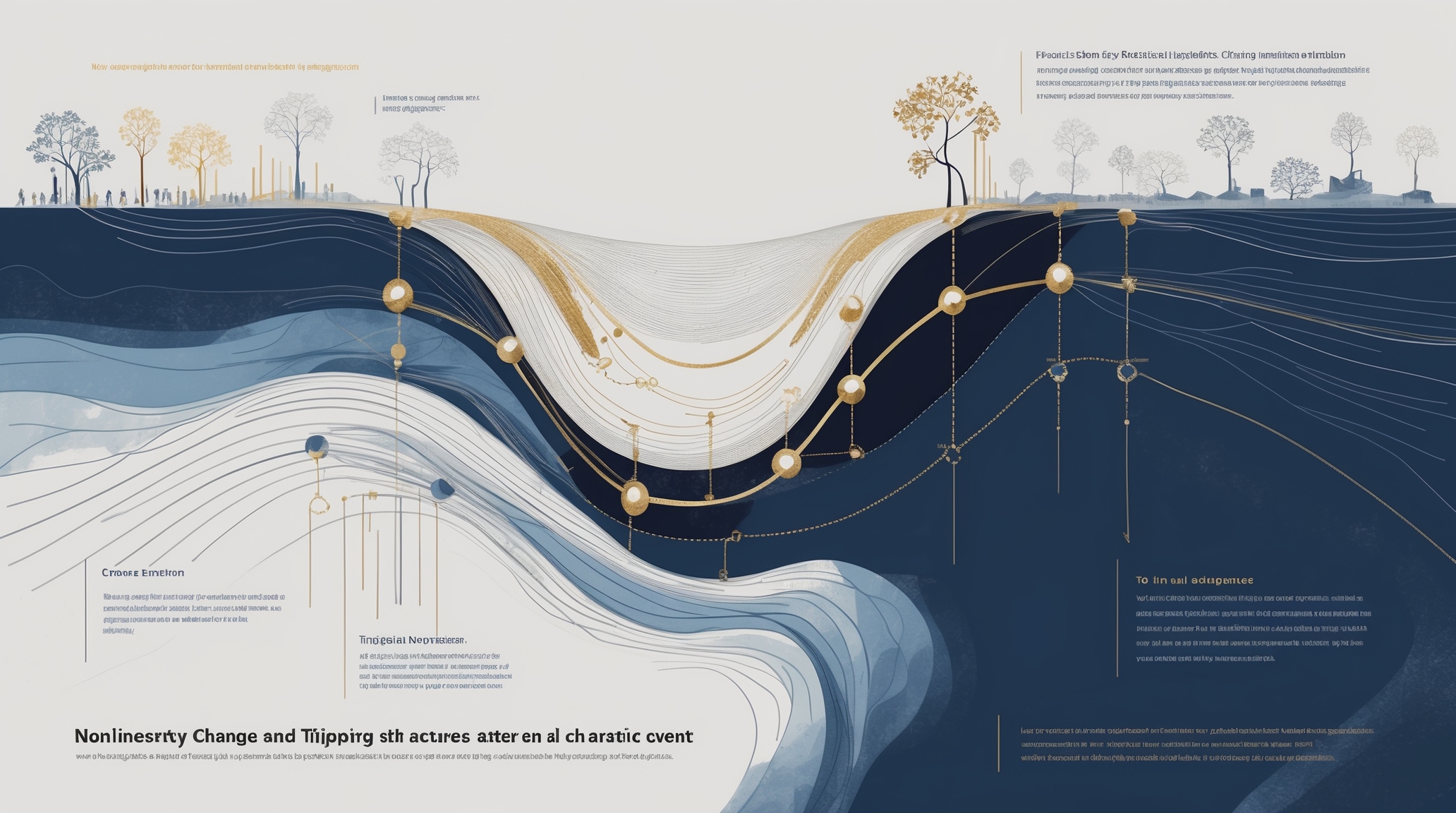
We like to think the world works in straight lines. That causes are proportional to effects, that small actions produce small results and large actions produce large results, and that if you push twice as hard, you get twice the result. This is linear thinking, and it makes the world feel predictable, controllable, and fair. If you work twice as hard, you earn twice as much. If you study twice as long, you learn twice as much. If you invest twice as much, you get twice the return.

But the world does not work this way. The world is nonlinear. Small actions can produce enormous results, and large actions can produce almost nothing. Gradual change can suddenly become explosive change. Systems can absorb pressure for years and then collapse in days. And thresholds exist where crossing a line, even by a tiny amount, fundamentally changes the system in ways that are very difficult or impossible to reverse.

Read more →

Emergence and Self-Organization

You look at a flock of birds moving through the sky, thousands of them, shifting shape, flowing like liquid, never colliding, perfectly coordinated. And you assume there must be a leader, someone giving orders, someone directing the pattern. But there is no leader. No bird is in charge. Each bird is following simple rules, stay close to your neighbors, match their speed, avoid collisions. And from these simple rules, followed by thousands of individuals, a complex, coordinated pattern emerges. The flock behaves as if it has a mind, as if it is making decisions, but it is not. The pattern is emergent. It arises from the interactions of many simple parts following simple rules.

This is emergence, and it is one of the most profound and least intuitive concepts in systems thinking. Emergence means that the whole is more than the sum of its parts, that complex behavior arises from simple components, and that you cannot predict the behavior of the system just by understanding the components. You have to understand the interactions, the relationships, the rules that govern how components affect each other. And when you do, you see that systems can organize themselves, can create order without central control, and can produce outcomes that no individual intended and that no one designed.

Read more →

System Archetypes

You analyze a system, you map the structure, you trace the feedback loops, and you start to see patterns. And then you analyze another system, completely different domain, different actors, different context, and you see the same pattern. The structure is the same, the dynamics are the same, the problems are the same, even though the specifics are different. This is not coincidence. This is a system archetype, a recurring pattern of structure and behavior that appears across many different systems.

System archetypes are like templates, like blueprints that describe common configurations of feedback loops, common dynamics, and common failure modes. And recognizing these archetypes is powerful because once you see the pattern, you understand the behavior, you can predict what will happen next, and you know where to intervene. You do not have to start from scratch with every system, you can recognize the archetype and apply what you already know about how that pattern behaves.

Read more →

Boundaries and Mental Models

When you analyze a system, one of the first and most important decisions you make is where to draw the boundary. What is inside the system and what is outside? What is part of the system you are trying to understand and what is part of the environment? This choice, the choice of boundary, determines what you see, what you analyze, and what conclusions you reach. And different boundaries produce different understandings, different explanations, and different interventions.

Drawing boundaries is not neutral, it is not objective, and it is not obvious. It is a choice, often an unconscious one, shaped by your assumptions, your perspective, your interests, and your mental models. And mental models are the deeply held beliefs, the frameworks, the stories you tell yourself about how the world works. They shape what you pay attention to, what you ignore, what you consider possible, and what you consider inevitable. And they are often invisible to you, you do not question them, you do not examine them, because they feel like reality, like the way things are, rather than like one way of seeing things.

Understanding boundaries and mental models is essential because they determine what you see when you look at a system. Two people looking at the same system, with different boundaries and different mental models, will see completely different things. One will see a problem, the other will see an opportunity. One will see victims, the other will see personal responsibility. One will see a system that needs reform, the other will see a system that is working as intended. And both will believe they are seeing reality, seeing the truth, when in fact they are seeing their mental model reflected back at them.

Read more →

Entropy, Decay, and System Death

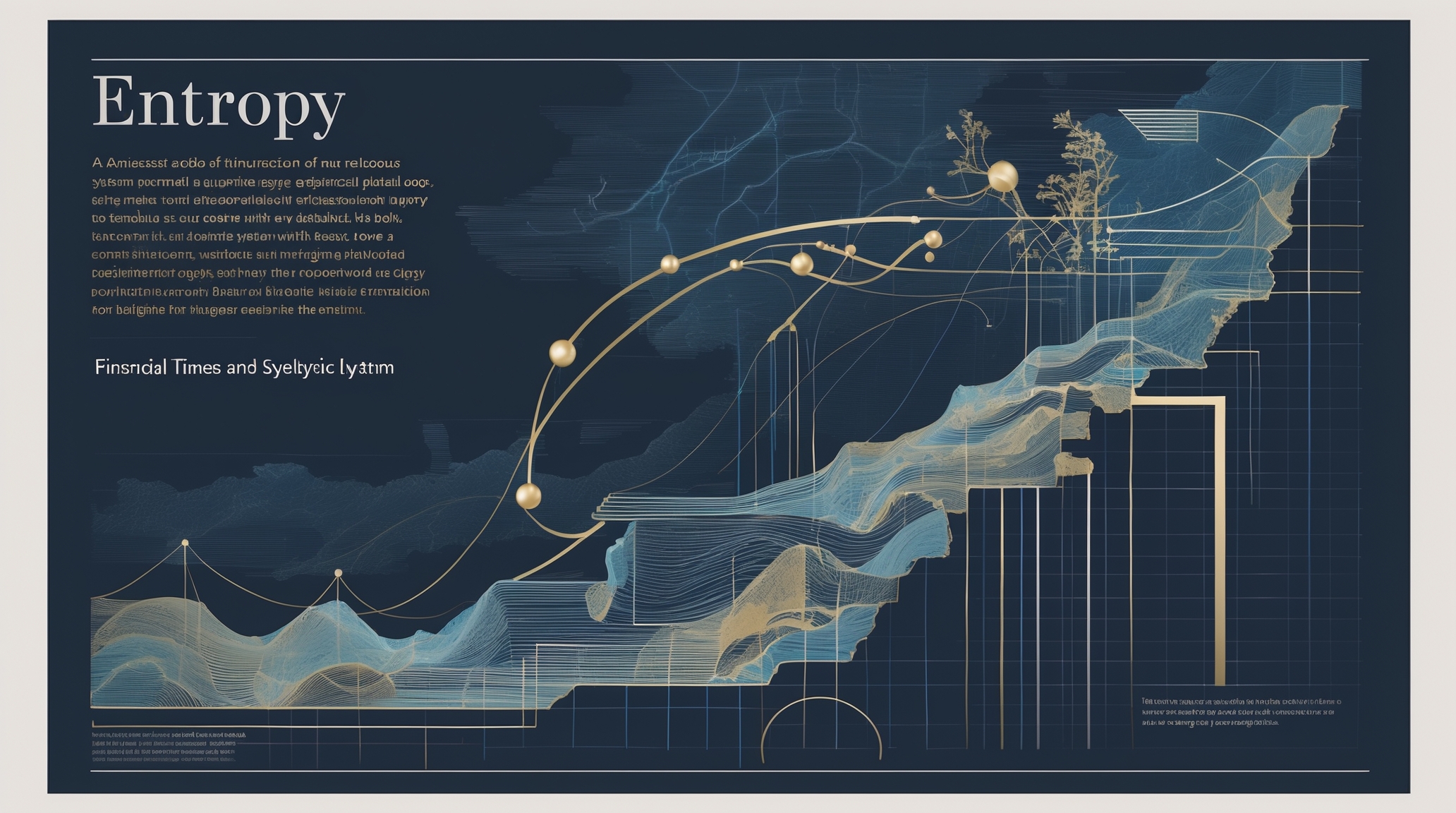
Everything decays. Buildings crumble, roads crack, bridges rust, infrastructure degrades. Organizations drift, lose focus, become bureaucratic, stop innovating. Relationships erode, trust declines, communication breaks down. Skills atrophy, knowledge is forgotten, traditions fade. This is not random, this is not bad luck, this is entropy, the universal tendency of systems to move from order to disorder, from organization to chaos, from function to dysfunction.

Entropy is a concept from thermodynamics, the second law, which says that in any closed system, entropy increases over time. Energy disperses, differences flatten, structure breaks down. And while human systems are not closed, they are not isolated thermodynamic systems, the principle applies metaphorically and practically. Systems require energy, effort, attention to maintain order, to preserve structure, to prevent decay. And without that input, without constant maintenance, systems degrade. Inevitably. Predictably.

Read more →

Resilience vs Efficiency

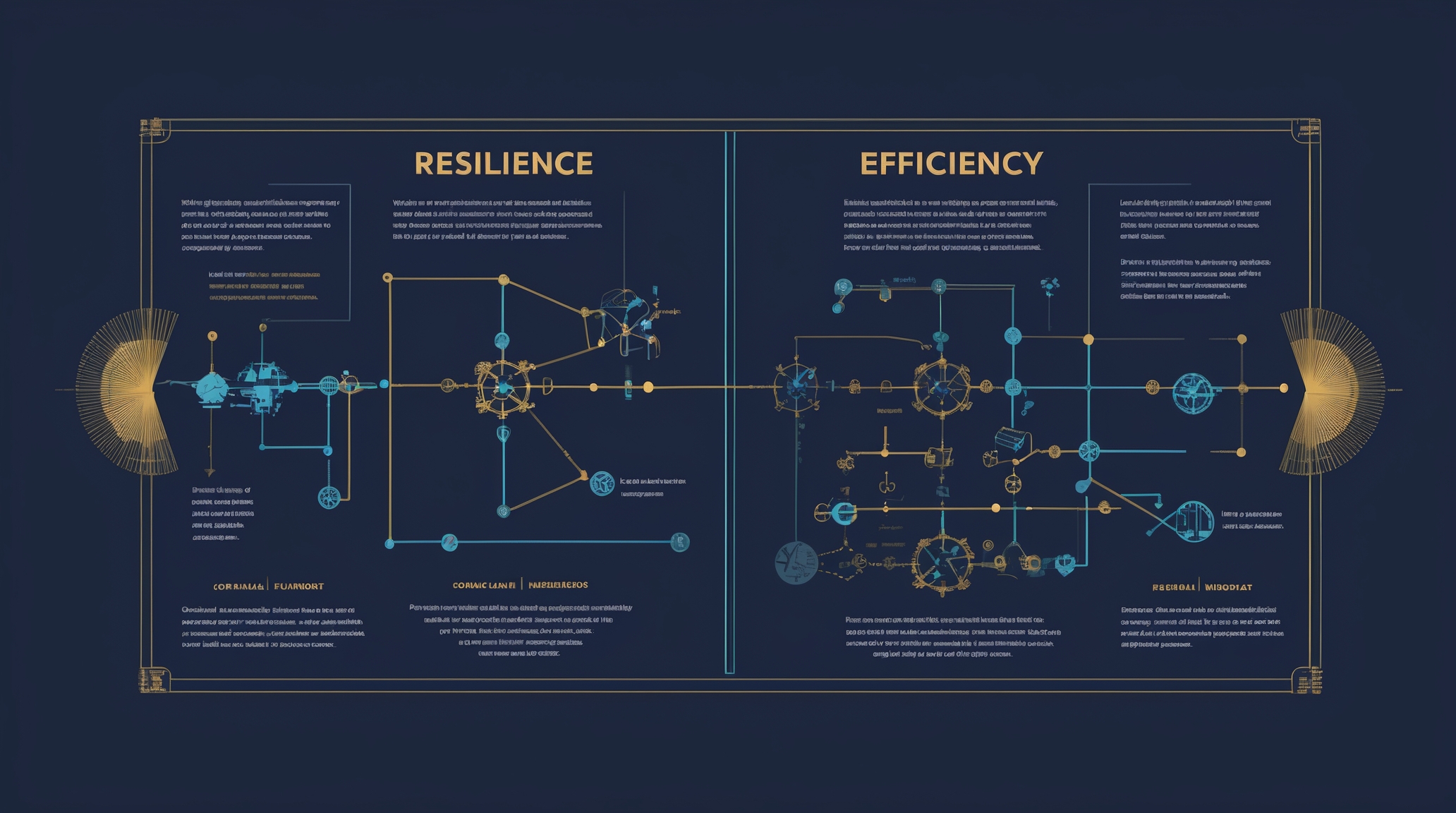
You manage a system, an organization, a supply chain, a hospital, a city, and you face pressure to be efficient. To do more with less. To cut costs, to eliminate waste, to optimize processes, to maximize output per unit of input. And efficiency sounds good, it sounds like smart management, like fiscal responsibility, like getting value for money. And in stable, predictable conditions, efficiency delivers results. Lower costs, higher output, better margins, faster operations.

But efficiency comes at a cost, a cost that is not visible in normal conditions but becomes catastrophic when conditions change, when shocks occur, when the unexpected happens. That cost is resilience. Resilience is the capacity of a system to absorb disturbances, to adapt to change, to recover from shocks without collapsing. And resilience requires redundancy, requires slack, requires spare capacity, requires diversity, all the things that efficiency drives out.

Read more →

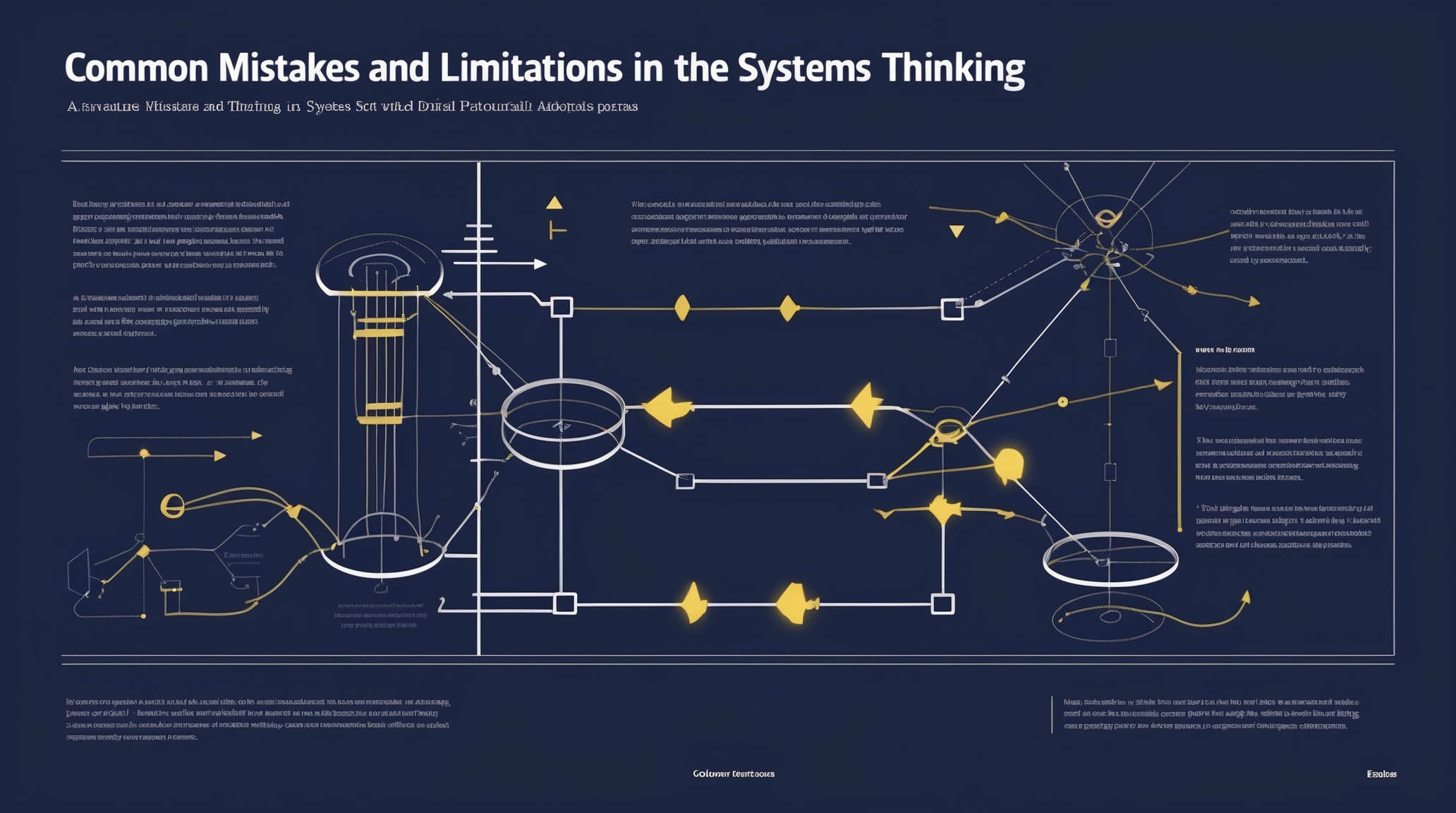
Common Mistakes and Limitations

Systems thinking is powerful. It reveals structure, it exposes feedback loops, it explains why problems persist, and it identifies leverage points for change. But it is not magic, it is not universal, and it can be misused, misapplied, or taken too far. Like any tool, systems thinking has limitations, and like any framework, it can mislead if you do not understand when and how to use it appropriately.

Understanding the common mistakes people make when applying systems thinking, and understanding the limitations of the approach itself, is essential. Because systems thinking done badly is worse than no systems thinking at all. It creates the illusion of understanding while obscuring reality. It justifies inaction by claiming that everything is too complex to change. And it can become an intellectual exercise disconnected from the real struggles of people trying to solve real problems in real time.

Let me show you the common mistakes, the limitations, and when systems thinking is not the right tool.

Read more →

Book Feature

The Blueprint: How Britain's System Really Works and What You Can Do About It

The Blueprint

Why do the same political and economic problems repeat decade after decade? This book reveals the deeper machinery behind Britain’s institutions — the incentives, constraints and feedback loops that quietly shape outcomes.

Once you understand the system, you can finally see where real leverage exists.

Explore the Book →

Book Feature

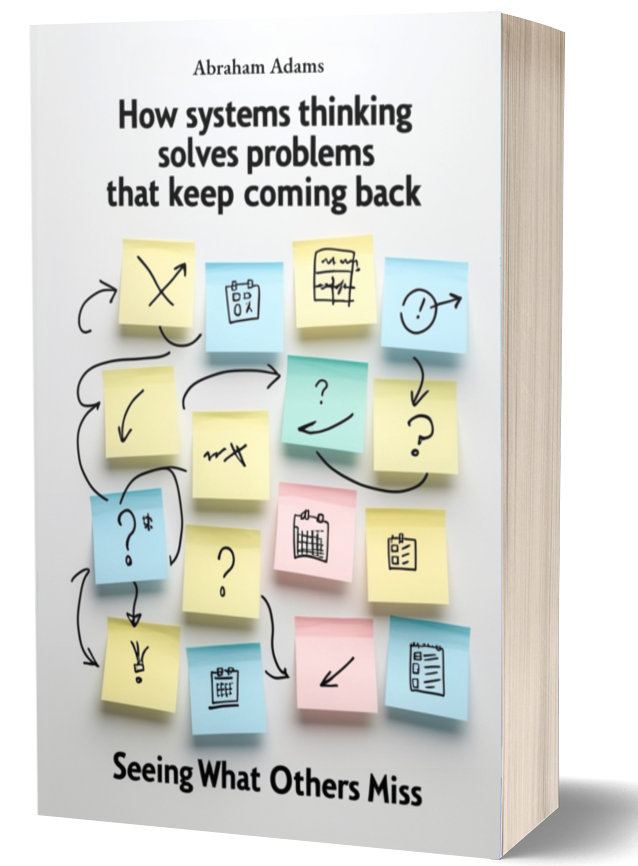
How Systems Thinking Solves Problems That Keep Coming Back

How Systems Thinking Solves Problems That Keep Coming Back

Many problems return again and again because the underlying system is never examined. This book introduces the practical mindset of systems thinking — a way to see incentives, feedback loops and hidden structures shaping outcomes.

Explore the Book →

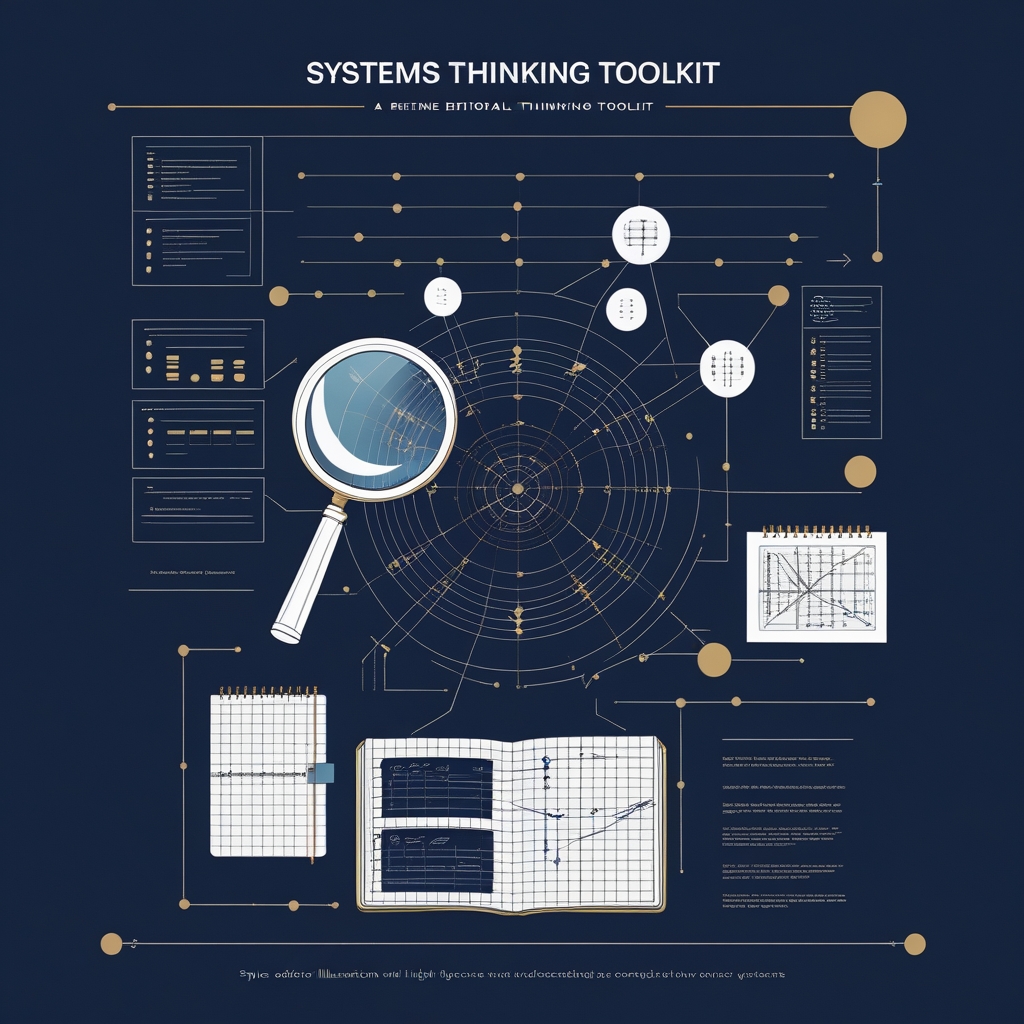
How To Map The System

The Toolkit

The Toolkit

Practical methods to map systems, trace incentives, uncover feedback loops, and identify where real leverage exists. Learn how to analyse any system and understand how it truly works.

Explore the Toolkit →

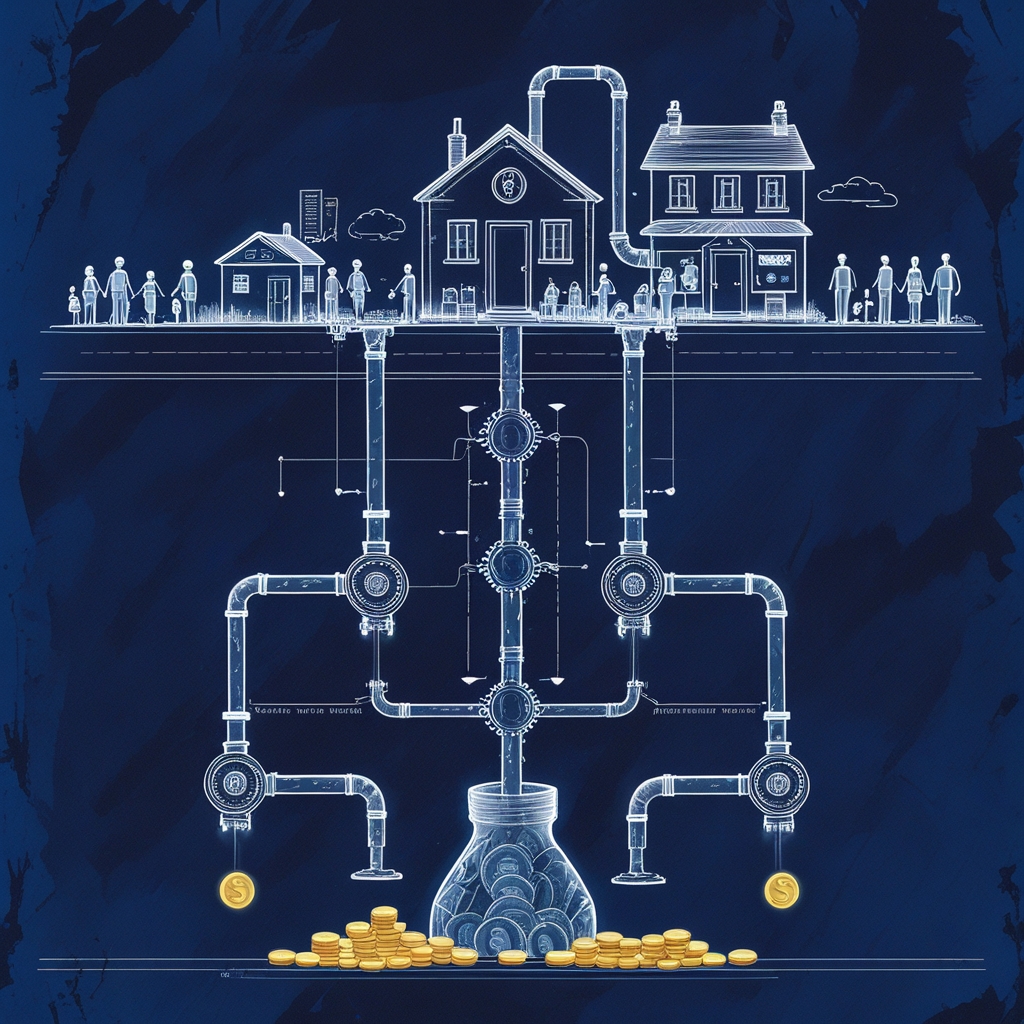
How Money Flows

The Extraction Pattern

The Extraction Pattern

How extraction works across systems — where value is drawn from the many and concentrated toward the few through structure, incentives, and design.

Read the Article →

Books

Explore the Books

  • The Blueprint
  • Understanding Systems Thinking
  • How Systems Thinking Solves Problems That Keep Coming Back
  • The Chain Reaction Effect: Change One Thing, Change Everything
  • Browse Books

Topics

  • Home
  • Start Here
  • Systems
  • Toolkit
  • Fundamentals
  • Deep Dives

Deep Dives

  • The Money System
  • The Customer Service System
  • The UK Housing System
  • The UK Student Loan System
  • The UK Health System
  • The UK Childcare System

Resources

  • Books
  • Videos
  • Toolkit
  • Disclaimer
  • Privacy Policy
  • Contact Us
© 2026 Think On The System | Disclaimer | Privacy Policy