• Home
  • Start Here
  • Systems
  • Deep Dives
  • The Question
  • System Watch
  • System Health
  • Toolkit
  • Books
  • Videos
  1. You are here:  
  2. Home
  3. Deep Dives

Deep Dives

Every broken system reveals the same pattern: value flows from the many to the few, power concentrates, and feedback loops ensure extraction persists.

Start with "The Extraction Pattern" to see the universal structure, then explore any system to see it in action.

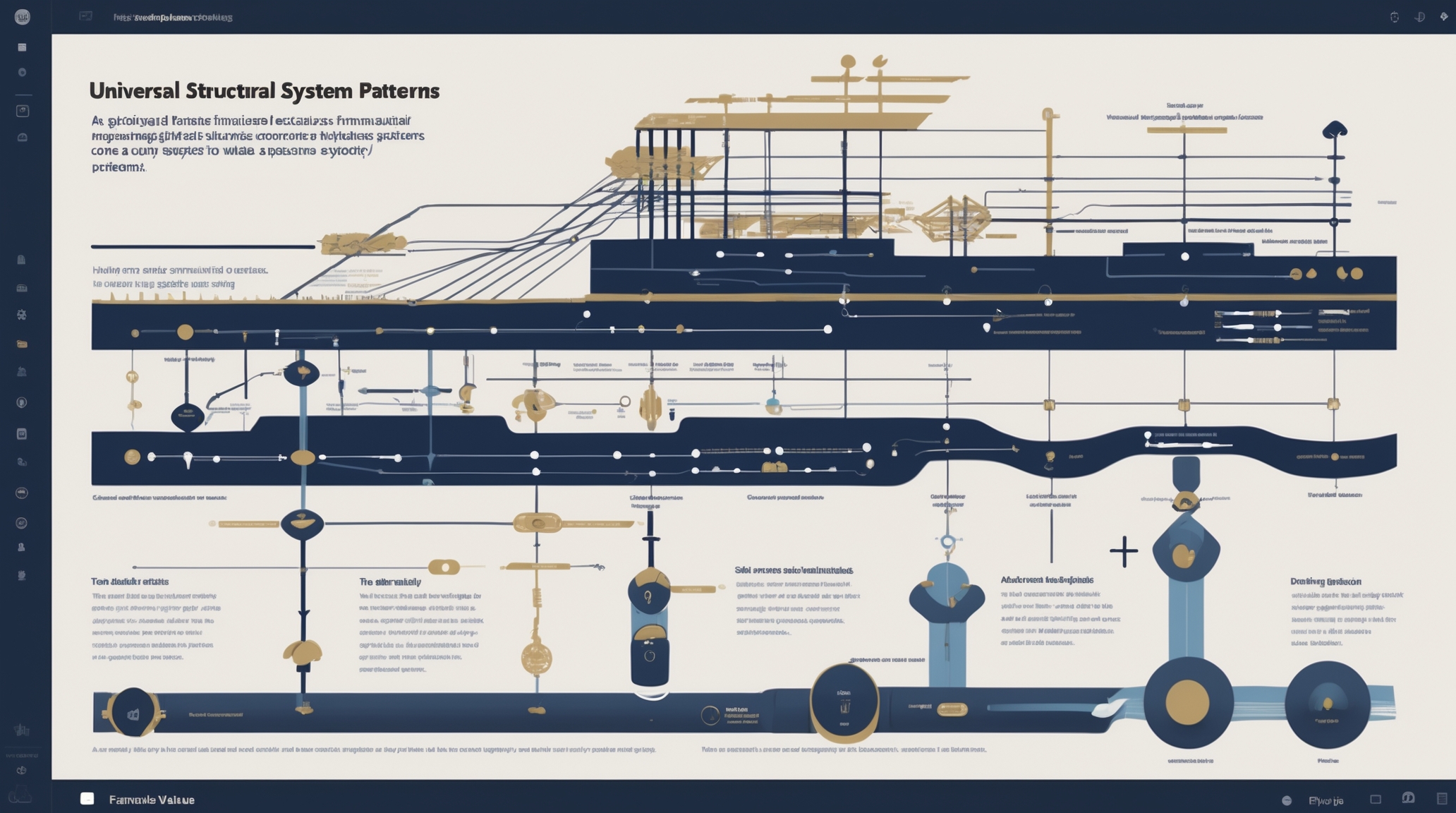
The Extraction Pattern

Every system you will read about in these deep dives is different. Different actors, different structures, different histories, different technical details. Housing is not energy, energy is not pensions, pensions are not childcare. The specifics vary enormously, and the complexity of each system is real and matters.

But beneath the surface, beneath the details, beneath the complexity, there is a pattern. The same pattern. In every single system we analyze, you will see the same fundamental structure, the same dynamics, the same flow of money and power. And once you see this pattern, once you recognize it, you will see it everywhere. Not just in the systems we have mapped here, but in every broken system you encounter, in your workplace, in your community, in your country, in the world.

Read more →

Subcategories

UK Public Systems

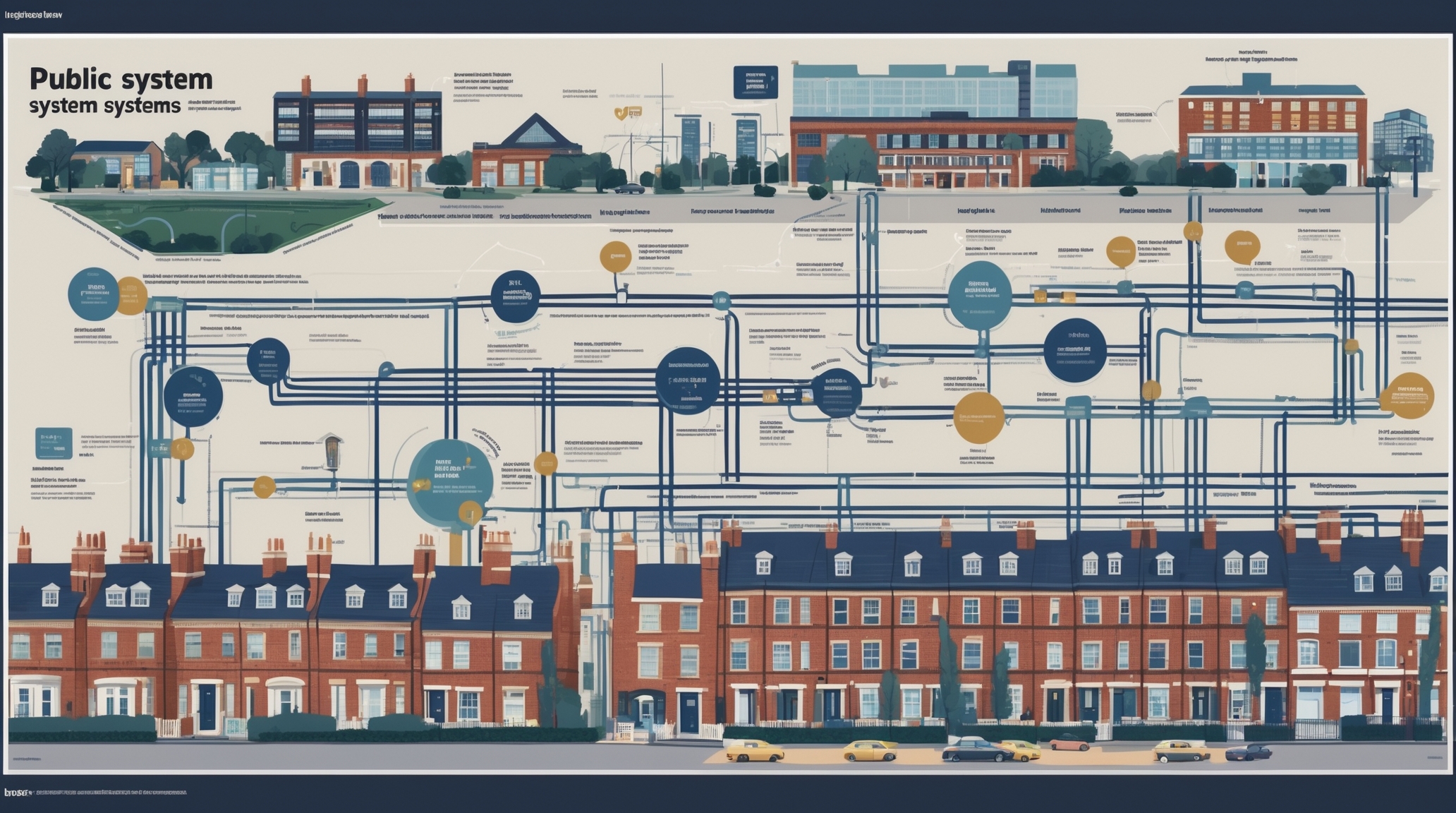
Essential services and systems that affect everyone in the UK—housing, healthcare, energy, pensions, childcare, education.

Where public need meets private profit, and where extraction is most visible because these systems are supposed to serve people, not extract from them.

The UK Housing System

Why UK house prices keep rising, who benefits from unaffordable housing, how the planning system restricts supply, why reform never happens, and where policy could actually make a difference.

A complete mapping of the UK housing system—not how it should work, but how it actually works.

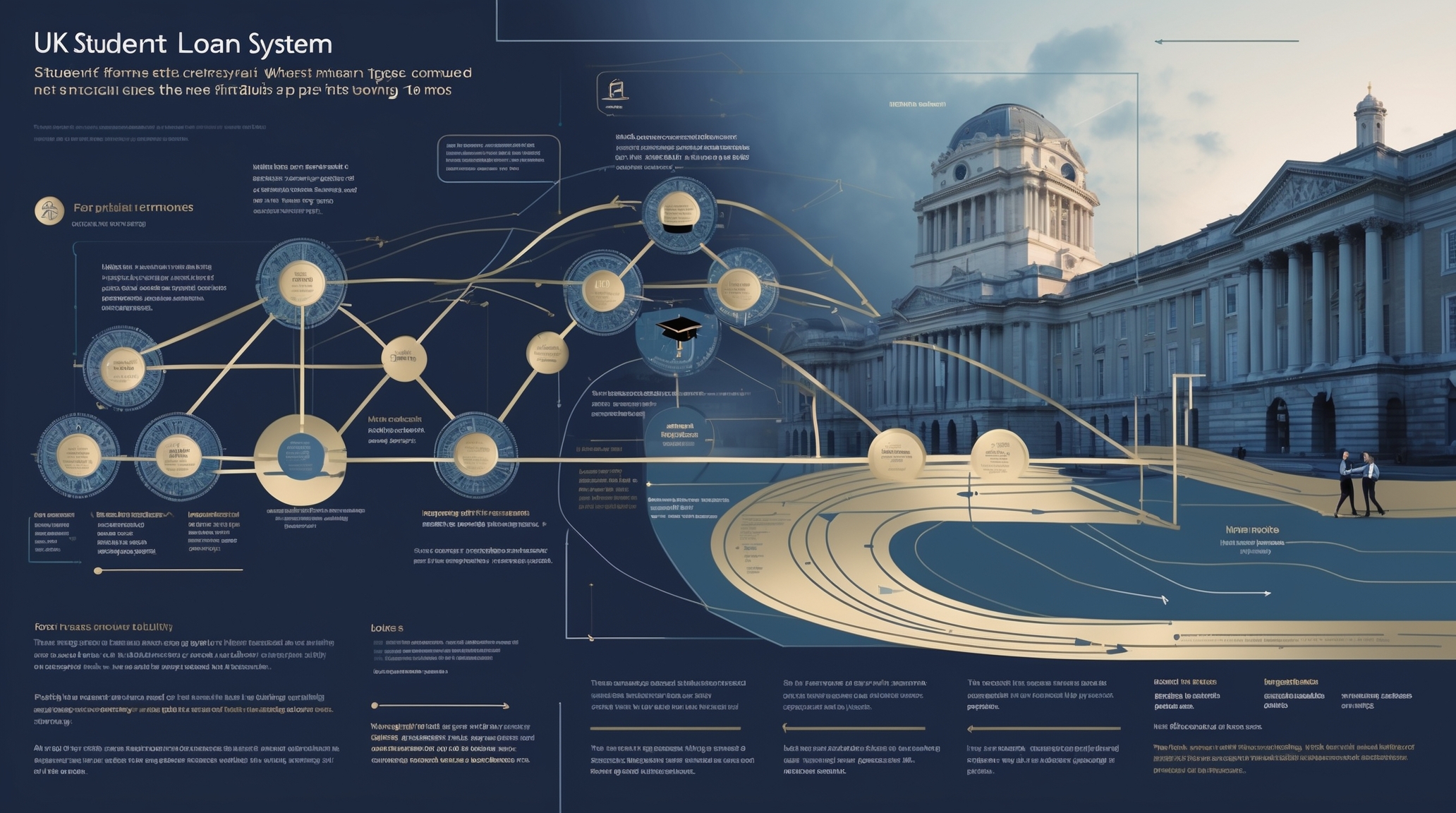
The UK Student Loan System

How UK student loans actually work, who profits from the system, why debt keeps growing, why reform never happens, and what could actually change.

A complete mapping of the UK student loan system—not how it's sold to students, but how it actually operates.

The UK Healthcare System (NHS)

How the NHS actually works, who profits from its crises, why waiting lists keep growing, why reform always fails, and what could actually make a difference.

A complete mapping of the UK healthcare system—not the idealized version, but how it actually operates.

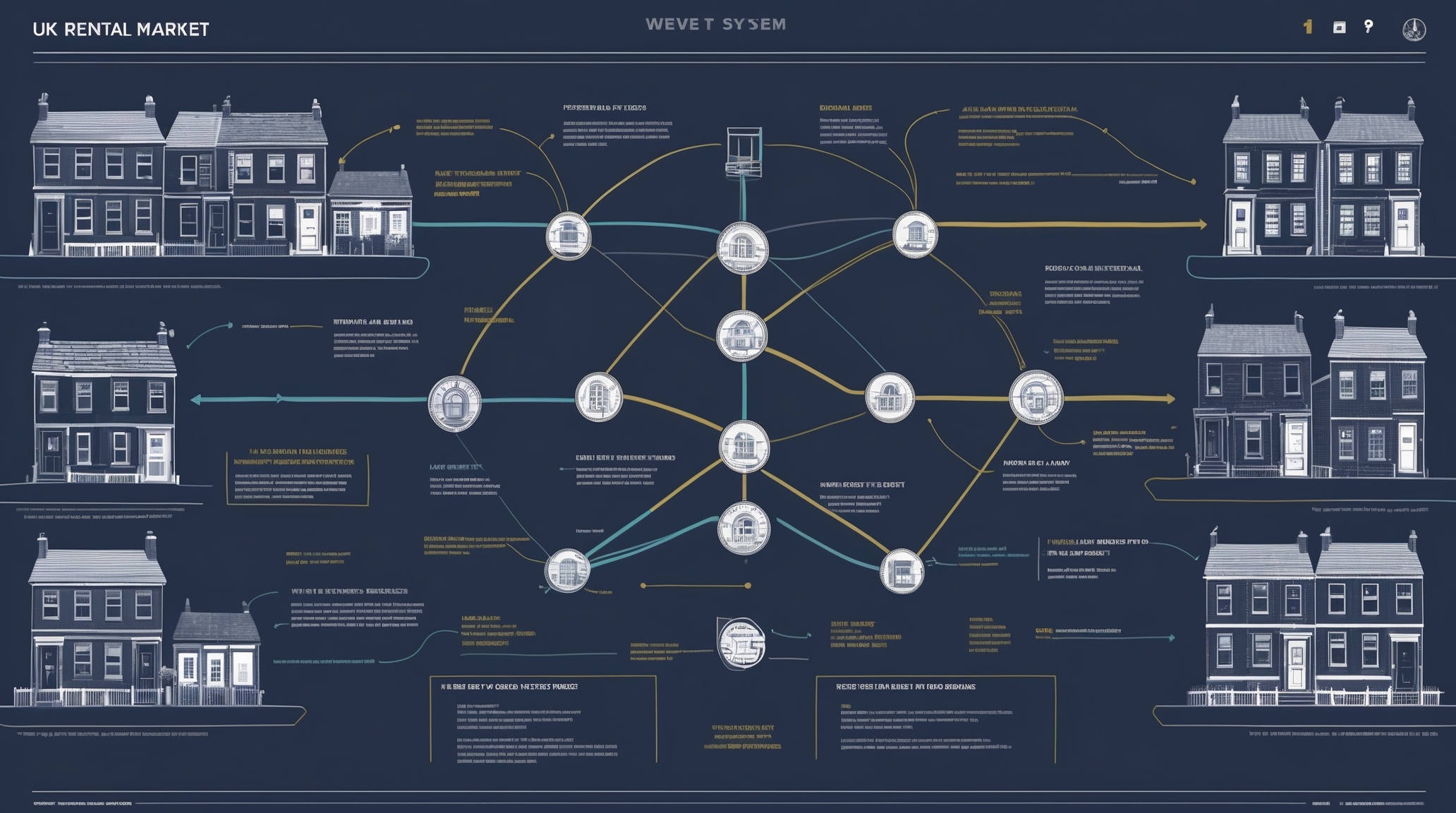
The UK Rental System

Why UK rents keep rising, who profits from the rental crisis, how landlords maintain power over tenants, why reform never happens, and where renters actually have leverage.

A complete mapping of the UK rental system—not how it should work, but how it actually operates.

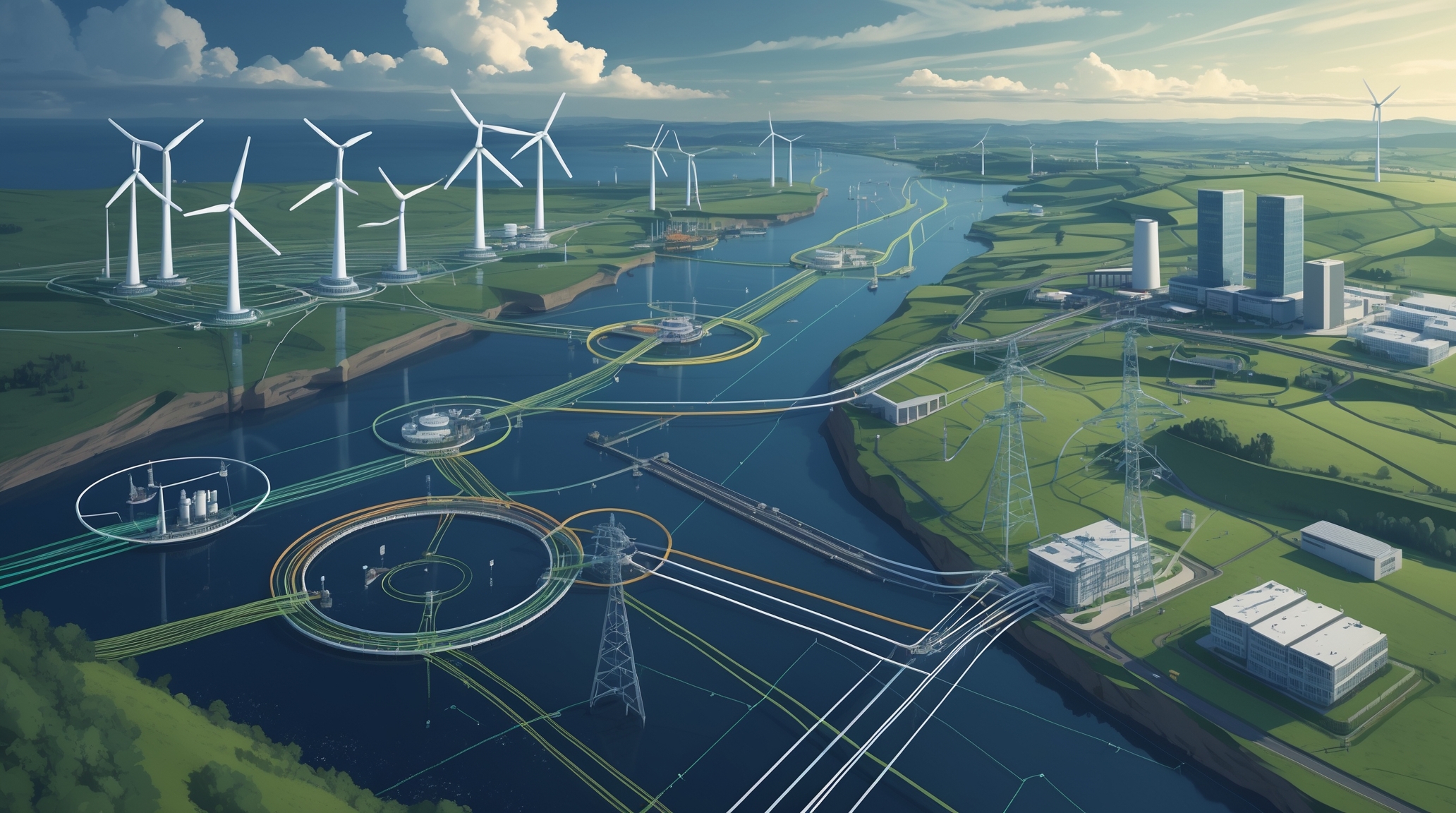
The UK Energy System

Why UK energy bills keep rising, who profits from the energy crisis, how the pricing system actually works, why reform never happens, and what could actually change.

A complete mapping of the UK energy system—not how it's supposed to work, but how it actually operates.

The UK Childcare System

Why UK childcare costs more than university, who profits from high fees while staff earn minimum wage, why "free hours" aren't free, and what actually needs to change.

A complete mapping of the UK childcare system—not the marketing promises, but how it actually operates.

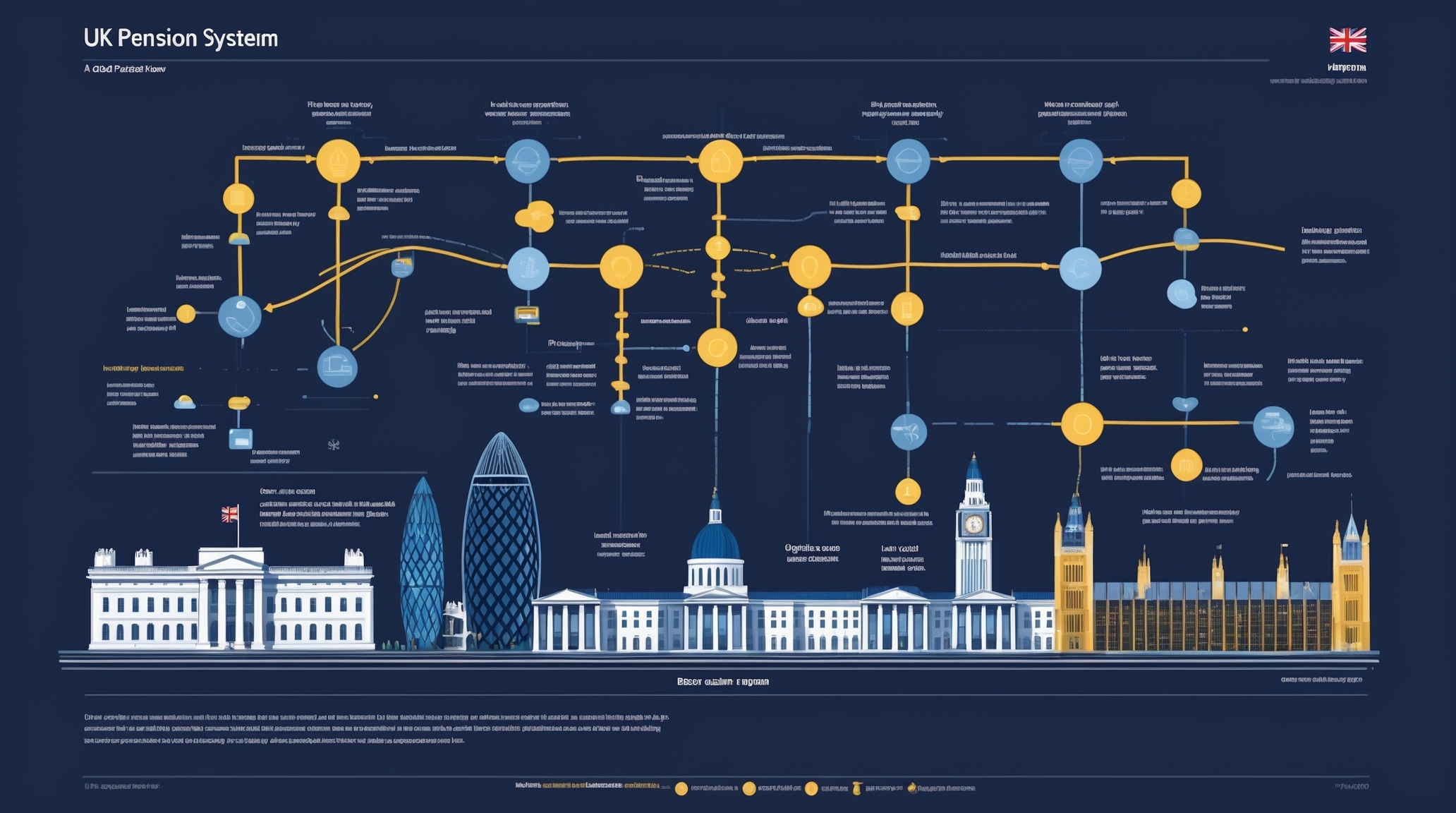
The UK Pension System

Why the triple lock is politically untouchable, who profits from pension fees, how auto-enrollment works, why young people will never retire, and what actually needs to change.

A complete mapping of the UK pension system—not the promises made, but how it actually operates.

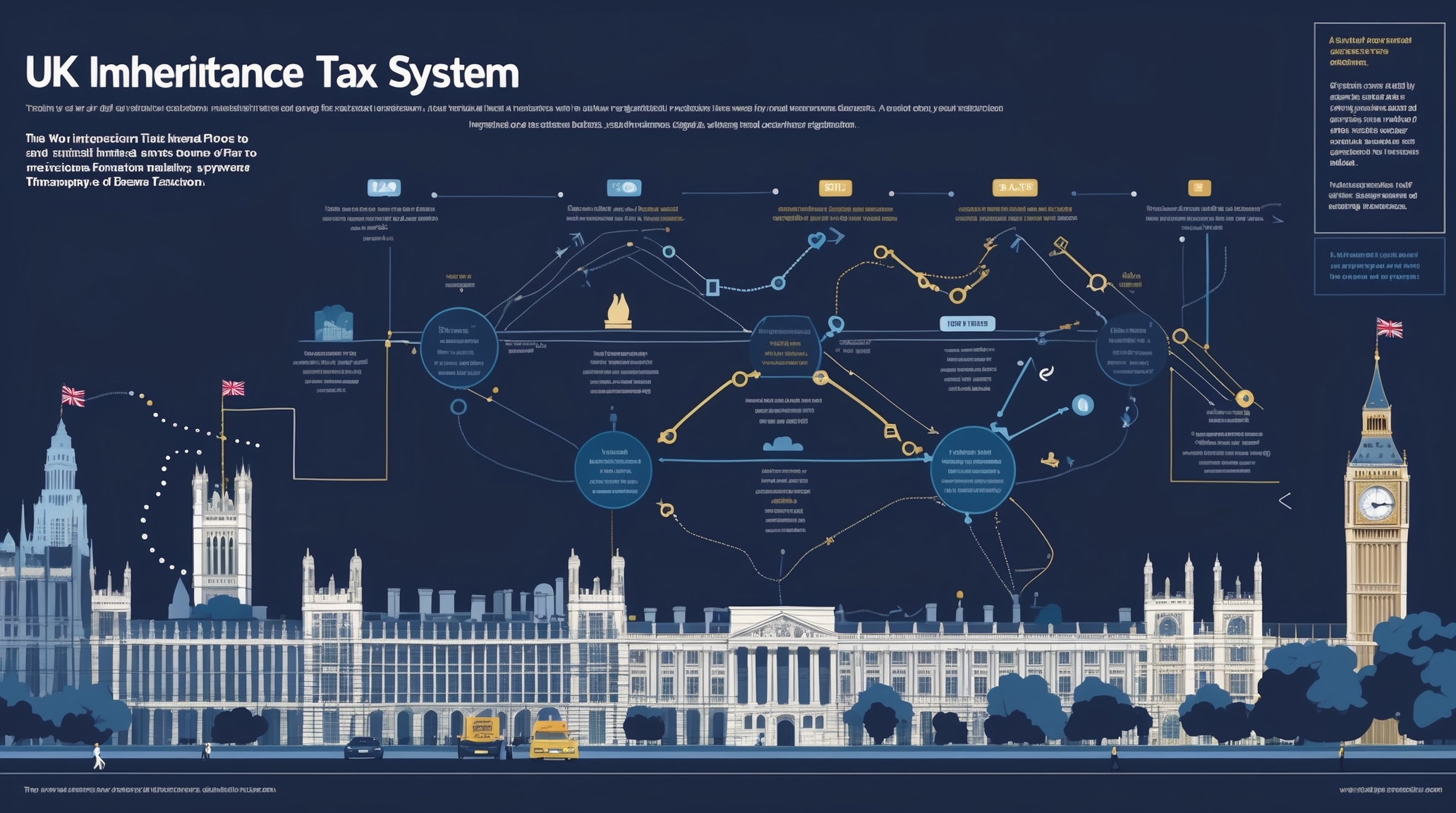
The UK Inheritance Tax System

Why a family home triggers a 40% tax bill, who profits when forced sales happen, how the wealthy avoid it entirely while ordinary families pay, and what actually needs to change.

A complete mapping of the UK inheritance tax system—not the exemptions marketed to the wealthy, but how it actually operates for everyone else.

The UK Shared Ownership System

Shared ownership is marketed as affordable homeownership for people priced out of the housing market. Buy twenty-five to seventy-five percent of a property, pay rent on the rest, gradually staircase your way to full ownership. Government backs it. Housing associations deliver it. For working families watching house prices rise beyond reach, it looks like salvation.

The reality is perpetual rent extraction disguised as ownership opportunity. Two hundred and fifty thousand households are trapped in this system. Complaints have risen three hundred and eighty-three percent in four years. Most people never reach full ownership despite paying for decades. The mathematics ensure failure. Property appreciation makes later shares unaffordable. Rent escalates faster than income. Service charges double overnight. The ladder has one rung.

This is not accidental. Shared ownership serves political and economic functions unrelated to helping people achieve genuine homeownership. It allows government to claim progress on housing without spending money. It lets developers satisfy planning requirements while receiving full market prices. It generates perpetual revenue for housing associations. Understanding how the machine works, who profits, and why it persists reveals a system designed to extract wealth from those least able to afford it while calling this affordable housing.

The UK Leasehold System

Leasehold is marketed as homeownership. You pay hundreds of thousands of pounds for a property. You get a mortgage. You move in. You believe you own your home. Estate agents, developers, and solicitors use the language of ownership throughout the purchase process. But you do not own your home. You lease it from someone who does.

The freeholder owns your property. You hold a time-limited right to occupy it, typically ninety-nine to nine hundred and ninety-nine years. You pay ground rent for this privilege, from fifty pounds to thousands annually. You pay service charges covering building maintenance, often two thousand to five thousand pounds yearly, sometimes far more. You need freeholder permission for alterations. When your lease drops below eighty years, you face marriage value traps making extensions catastrophically expensive. When major works are needed, you receive demands for tens of thousands with sixty days to pay. You can lose everything through forfeiture if you miss payments.

Four point nine eight million properties in England and Wales are leasehold. This is not a quirk of history affecting a small number of older buildings. This is a massive wealth extraction system affecting millions of households who believed they were buying homes but discovered they were buying subordination. Ground rent alone extracts billions annually from leaseholders to freeholders who contribute nothing to property value. Service charges extract billions more. Permission fees, lease extension costs, and major works demands pile on top. The system transfers wealth from working households to investors, developers, and managing agents while calling this homeownership.

This is feudalism in modern form. You pay for land you never own. You remain subordinate to lords who extract rent indefinitely. Understanding how the machine works, who profits, and why it persists reveals a system designed to enrich freeholders at leaseholder expense while maintaining the fiction that you own your home.

Business & Industry Systems

Everyday commercial systems—insurance, telecoms, banking, gyms, streaming services.

Where businesses extract from consumers through contracts, complexity, loyalty penalties, and hidden fees.

The Car Insurance System

Why young drivers pay £2,000+ while older drivers pay £300, how comparison sites extract fees from both sides, why loyalty is punished with higher premiums, and what actually needs to change.

A complete mapping of the UK car insurance system—not the quotes marketed to you, but how extraction actually operates.

The Uber System

Uber markets itself as technology connecting riders with drivers. This framing positions Uber as a neutral platform facilitating transactions between independent parties. The company claims it employs nobody, owns no vehicles, and simply provides software matching supply with demand. Drivers are entrepreneurs running their own businesses. Uber just makes the connection possible.

This is fiction. Uber is an employer that has successfully avoided employment law, a taxi company that owns no cars, and a monopoly built on venture capital subsidies designed to destroy competition. The system extracts wealth from drivers who bear all costs and risks while Uber captures revenue from controlling the digital interface between riders and drivers.

Seventy thousand drivers operate in the UK through Uber and similar ride-hailing platforms. They are classified as self-employed despite Uber setting fares, controlling dispatch, monitoring performance, and terminating drivers who fail to meet standards. This misclassification allows Uber to avoid national insurance contributions, holiday pay, sick pay, pension obligations, and minimum wage requirements. Drivers earn below minimum wage after accounting for vehicle costs, fuel, insurance, and unpaid waiting time.

Understanding how the Uber system works, who profits from digital dispatch, and why this arrangement persists reveals a business model predicated on regulatory arbitrage and worker exploitation. This is not innovation. This is old-fashioned extraction enabled by new technology and protected by legal fiction about independent contractors.

Foundational Systems

How extraction works in any system. The universal patterns that appear everywhere—in markets, in platforms, in institutions.

These deep dives reveal the fundamental dynamics before you see them applied to specific UK systems or business sectors.

The Money System

"How money actually circulates, who profits from it, and why monetary policy works the way it does."


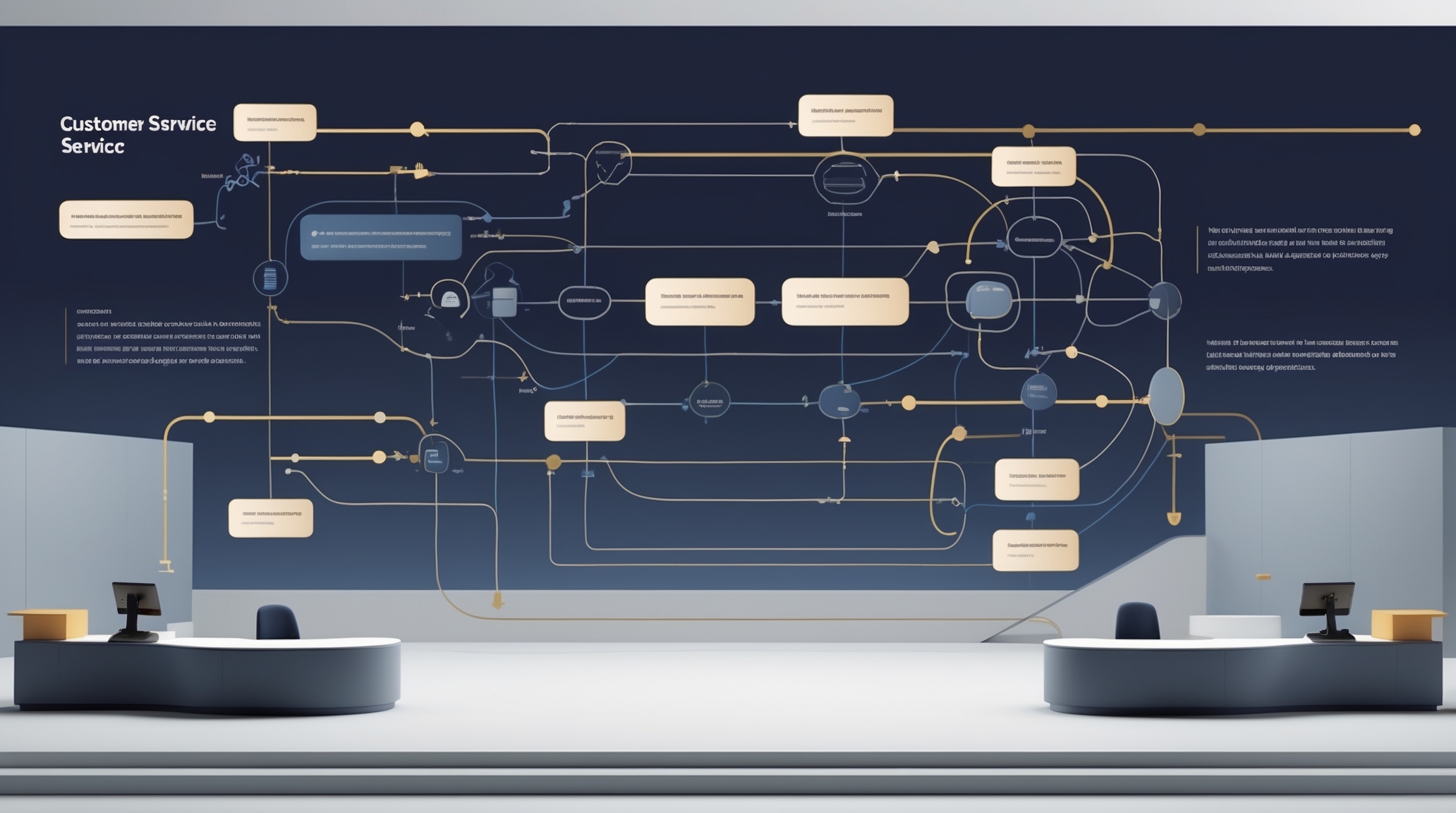
The Customer Service System

Why getting help is deliberately difficult, who benefits from bad service, how the system is designed to frustrate you, and where customers actually have leverage.

A complete mapping of customer service as a system—not how it should work, but how it actually works.

Data & Trends

Where Are UK Systems Actually Heading?

Real data from the Office for National Statistics, government departments, and official sources—translated into plain English.

No jargon. No spin. Just the numbers showing where housing, energy, pensions, childcare, and other UK systems are going.

Updated annually with the latest figures.

These data snapshots accompany the full deep dives on each system. Read the deep dive to understand how the system works. Read the data snapshot to see where it's heading.

Book Feature

The Blueprint: How Britain's System Really Works and What You Can Do About It

The Blueprint

Why do the same political and economic problems repeat decade after decade? This book reveals the deeper machinery behind Britain’s institutions — the incentives, constraints and feedback loops that quietly shape outcomes.

Once you understand the system, you can finally see where real leverage exists.

Explore the Book →

Book Feature

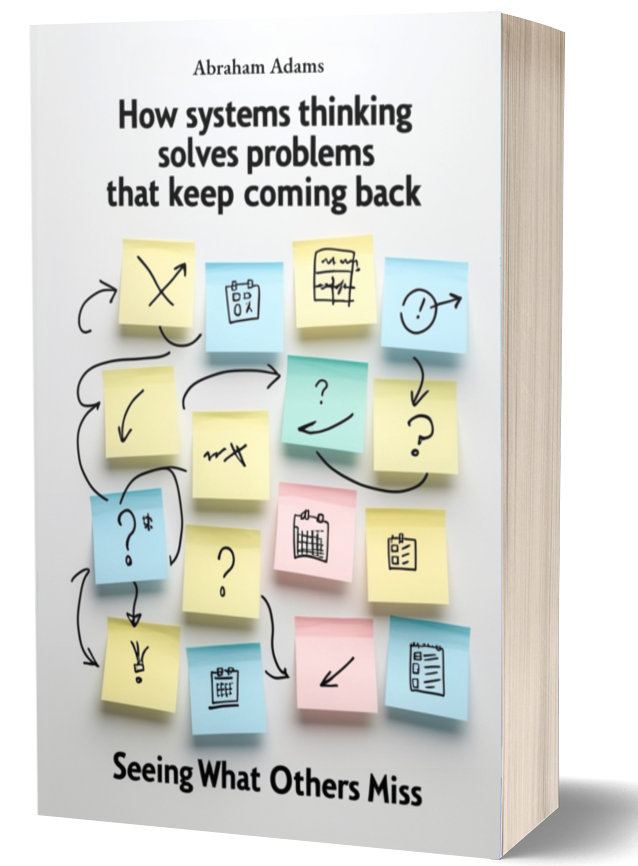
How Systems Thinking Solves Problems That Keep Coming Back

How Systems Thinking Solves Problems That Keep Coming Back

Many problems return again and again because the underlying system is never examined. This book introduces the practical mindset of systems thinking — a way to see incentives, feedback loops and hidden structures shaping outcomes.

Explore the Book →

How To Map The System

The Toolkit

The Toolkit

Practical methods to map systems, trace incentives, uncover feedback loops, and identify where real leverage exists. Learn how to analyse any system and understand how it truly works.

Explore the Toolkit →

How Money Flows

The Extraction Pattern

The Extraction Pattern

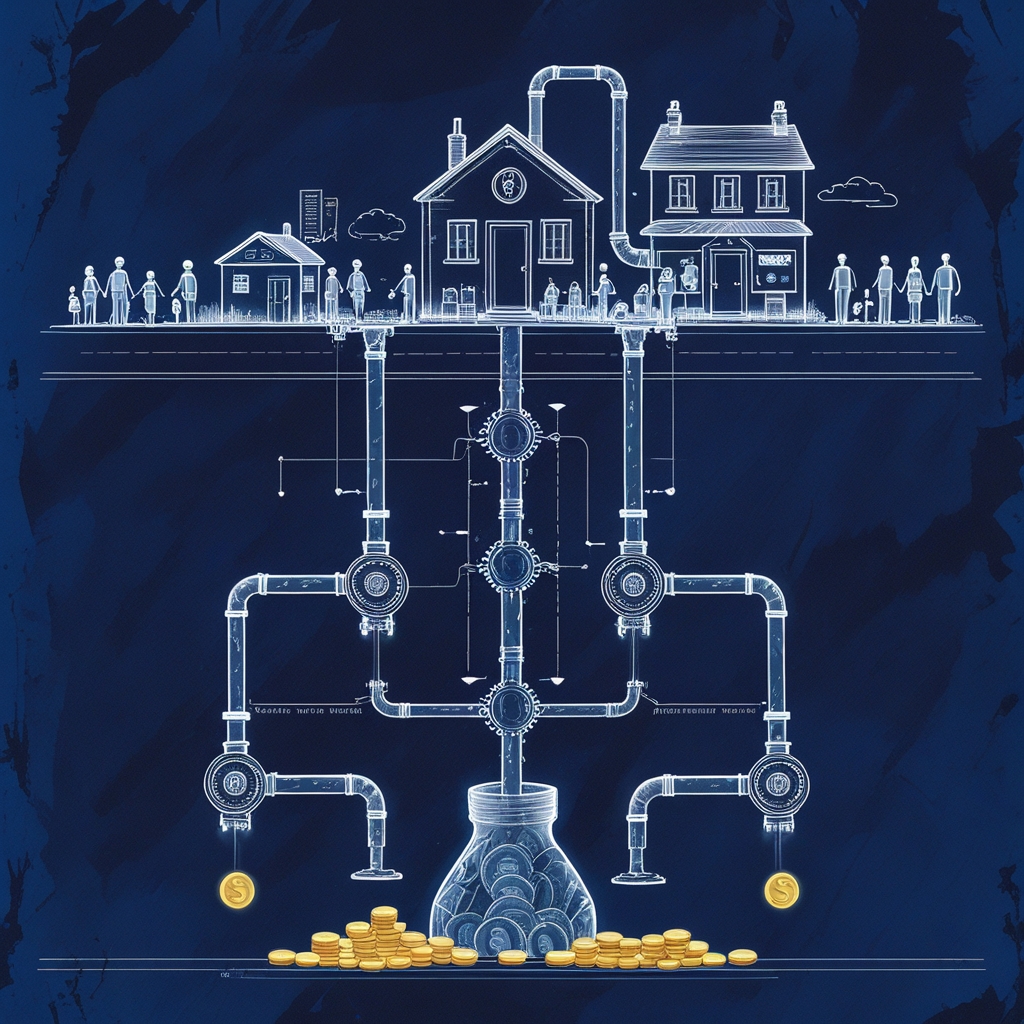
How extraction works across systems — where value is drawn from the many and concentrated toward the few through structure, incentives, and design.

Read the Article →

Books

Explore the Books

  • The Blueprint
  • Understanding Systems Thinking
  • How Systems Thinking Solves Problems That Keep Coming Back
  • The Chain Reaction Effect: Change One Thing, Change Everything
  • Browse Books

Topics

  • Home
  • Start Here
  • Systems
  • Toolkit
  • Fundamentals
  • Deep Dives

Deep Dives

  • The Money System
  • The Customer Service System
  • The UK Housing System
  • The UK Student Loan System
  • The UK Health System
  • The UK Childcare System

Resources

  • Books
  • Videos
  • Toolkit
  • Disclaimer
  • Privacy Policy
  • Contact Us
© 2026 Think On The System | Disclaimer | Privacy Policy