Subcategories
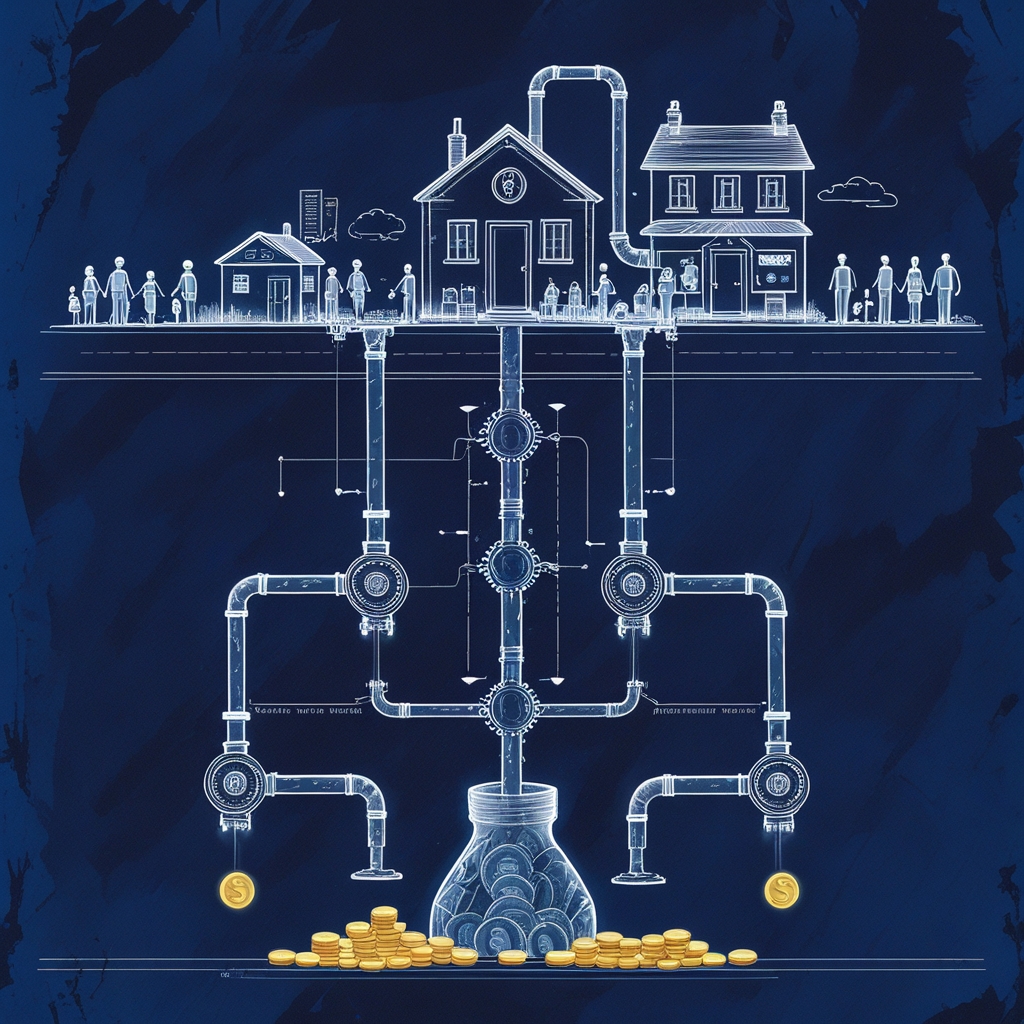
The Car Insurance System
Why young drivers pay £2,000+ while older drivers pay £300, how comparison sites extract fees from both sides, why loyalty is punished with higher premiums, and what actually needs to change.
A complete mapping of the UK car insurance system—not the quotes marketed to you, but how extraction actually operates.
The Uber System
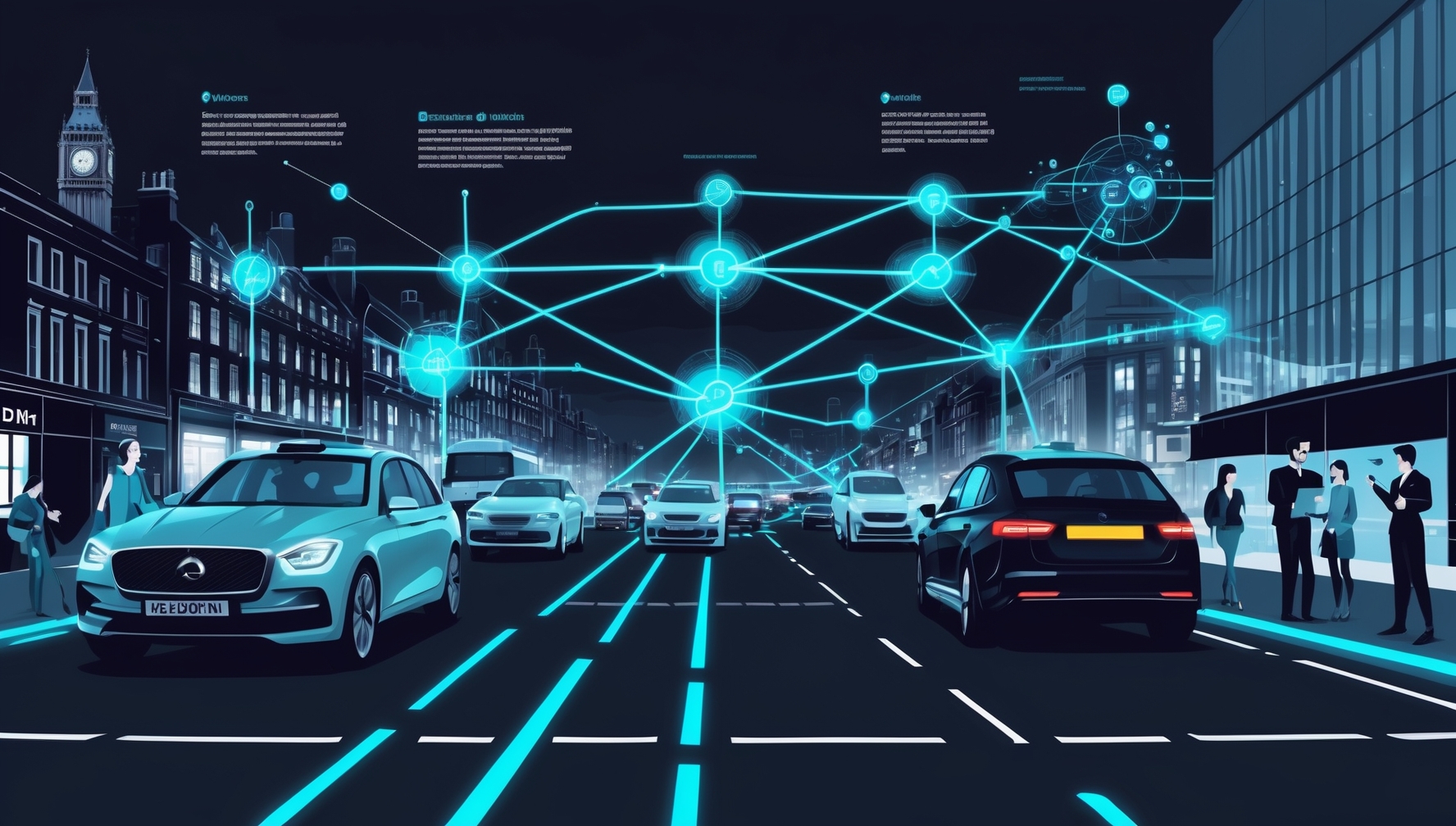
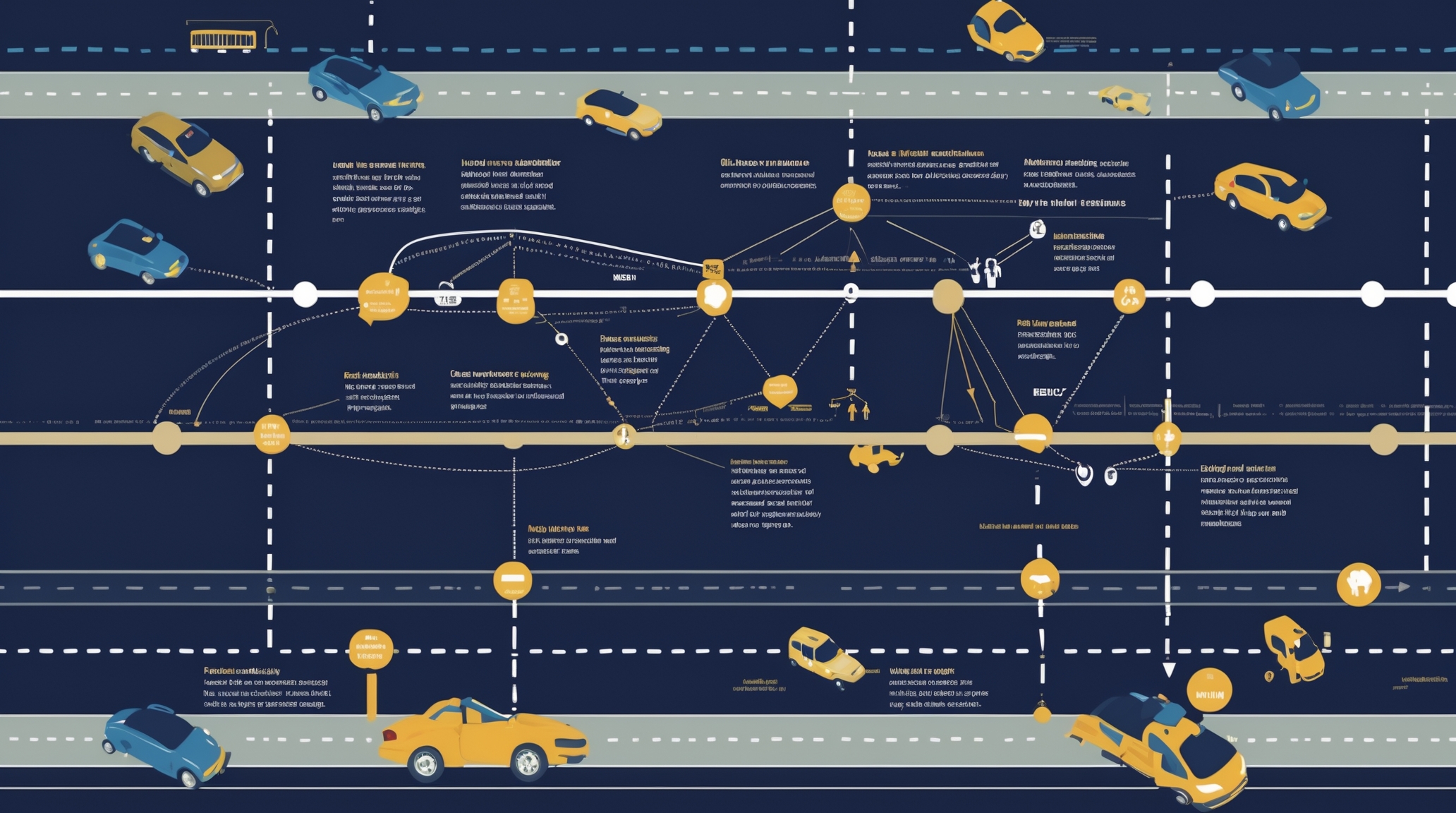
Uber markets itself as technology connecting riders with drivers. This framing positions Uber as a neutral platform facilitating transactions between independent parties. The company claims it employs nobody, owns no vehicles, and simply provides software matching supply with demand. Drivers are entrepreneurs running their own businesses. Uber just makes the connection possible.
This is fiction. Uber is an employer that has successfully avoided employment law, a taxi company that owns no cars, and a monopoly built on venture capital subsidies designed to destroy competition. The system extracts wealth from drivers who bear all costs and risks while Uber captures revenue from controlling the digital interface between riders and drivers.
Seventy thousand drivers operate in the UK through Uber and similar ride-hailing platforms. They are classified as self-employed despite Uber setting fares, controlling dispatch, monitoring performance, and terminating drivers who fail to meet standards. This misclassification allows Uber to avoid national insurance contributions, holiday pay, sick pay, pension obligations, and minimum wage requirements. Drivers earn below minimum wage after accounting for vehicle costs, fuel, insurance, and unpaid waiting time.
Understanding how the Uber system works, who profits from digital dispatch, and why this arrangement persists reveals a business model predicated on regulatory arbitrage and worker exploitation. This is not innovation. This is old-fashioned extraction enabled by new technology and protected by legal fiction about independent contractors.