• Home
  • Start Here
  • Systems
  • Deep Dives
  • The Question
  • System Watch
  • System Health
  • Toolkit
  • Books
  • Videos

The Machine: How the Uber System Works

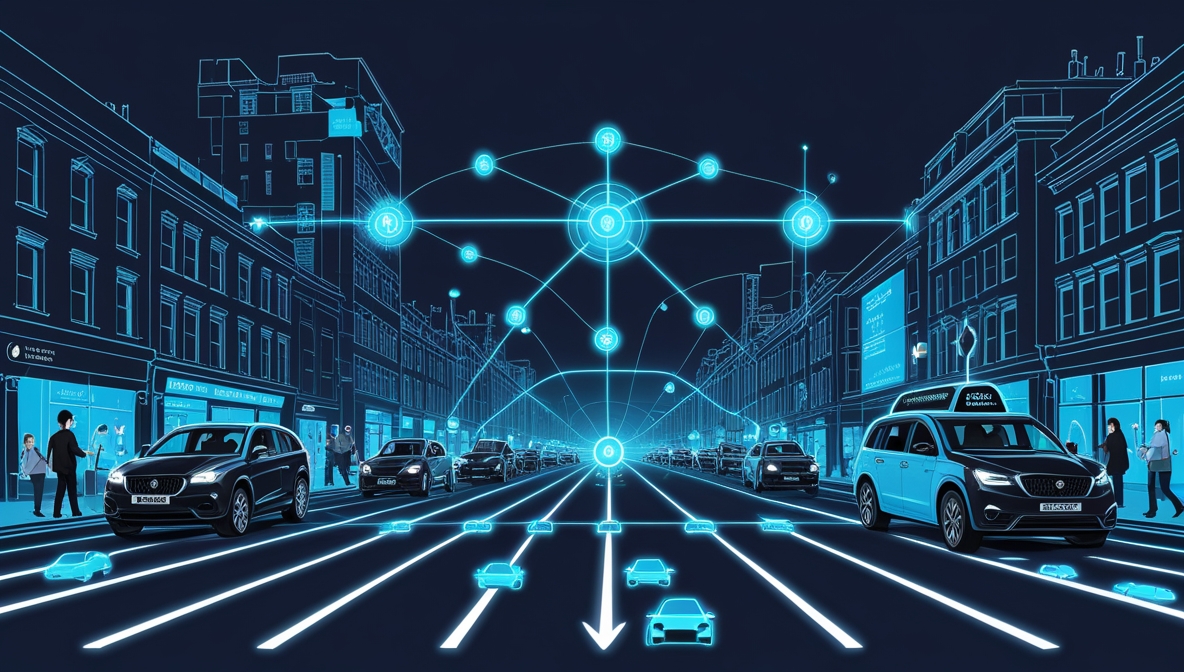
Uber operates through mechanisms that concentrate control and extract wealth while distributing costs and risks. Understanding these mechanisms reveals how the system enriches Uber and its investors while impoverishing drivers who provide the actual service. The machine has several interconnected components working together to create and maintain extraction.

Algorithmic Dispatch and Control

"Uber controls driver labor through algorithmic dispatch that determines who gets rides, when, and at what price. While drivers can now see trip details before accepting in many markets, this access is conditional on maintaining high acceptance rates. Drivers who decline too many rides receive less information about future trips, effectively punishing selective acceptance. Drivers still cannot set their own prices or negotiate fares. The algorithm makes these decisions optimizing for Uber's revenue, not driver income."
Read more →

The Incentives: Who Profits From Digital Dispatch

The Uber system enriches multiple parties while costs fall on drivers. Understanding who benefits and why they behave as they do reveals why the system persists despite obvious unfairness. Every party except drivers profits from maintaining structures that extract wealth while distributing risk.

Uber: Monopoly Without Assets

Uber generates billions in revenue while owning no vehicles and employing no drivers. This asset-light model allows scaling rapidly without capital investment traditional taxi companies require. Uber's costs are largely software development and marketing while driver costs are entirely externalized to those providing the actual service.

Commission on millions of daily rides globally creates massive revenue streams. Taking twenty to twenty-five percent of every fare across seventy thousand UK drivers and millions worldwide generates billions annually. This

Read more →

The Feedback Loops: How Drivers Stay Trapped

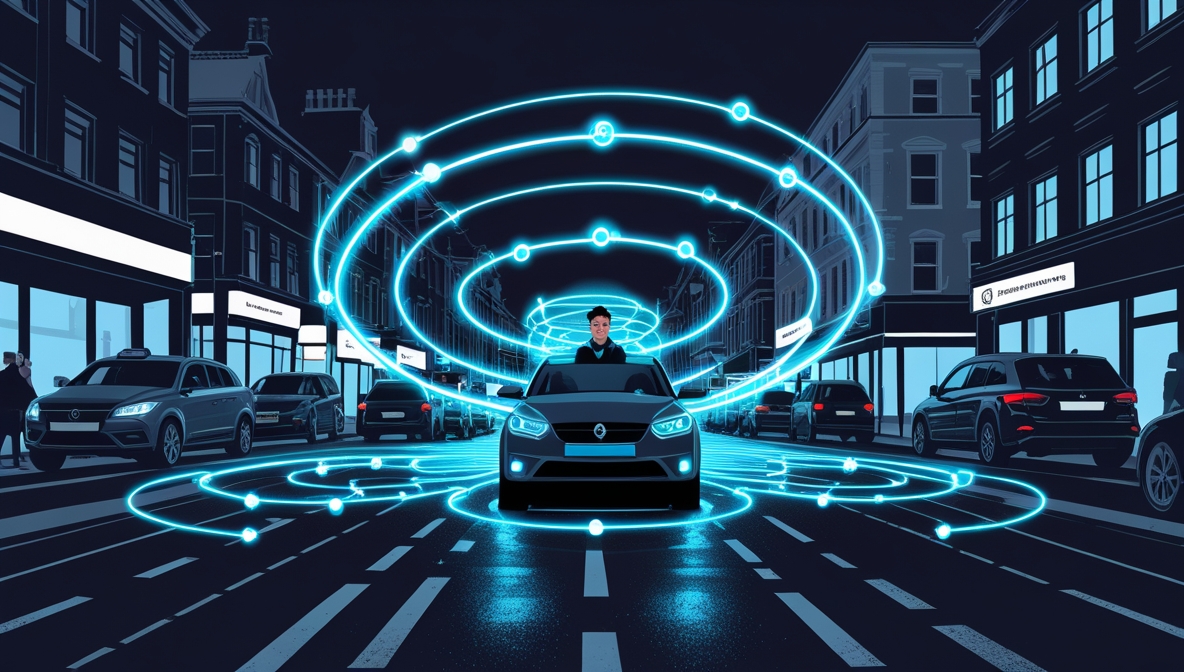
The Uber system contains self-reinforcing dynamics that worsen driver positions over time while strengthening Uber's advantages. These feedback loops operate automatically once drivers enter the system. Understanding them reveals why individual effort and compliance cannot overcome structural forces designed to transfer wealth from drivers to platform owners.

The Network Effects Lock-In Loop

Uber's value to riders increases with driver density. More drivers mean shorter wait times and better geographic coverage. This attracts more riders. More riders create more available fares. This attracts more drivers. The cycle reinforces monopoly position making it difficult for competitors to gain traction even when offering better terms.

Drivers must work for the platform with the most riders to access sufficient fares. A competing platform offering lower commission rates but fewer riders provides less total income than Uber despite better terms per ride. Drivers rationally choose the platform with volume even when individual ride economics are worse. This locks drivers into Uber regardless of terms deteriorating.

Read more →

Why It Persists: Serving Capital, Not Workers

The Uber system continues despite widespread recognition of worker exploitation, court rulings confirming employment rights violations, and growing public awareness of the human costs. Understanding why it persists reveals the political and economic forces that overcome individual grievances and resist genuine reform. The system serves powerful interests while costs fall on people with least power to demand change.

Capital's Labor Problem and the Platform Solution

Traditional employment creates obligations capital seeks to avoid. Workers have legal rights, expect steady wages, receive benefits, and can organize collectively. These constrain capital's ability to treat labor as purely variable cost adjusting instantly to demand. Uber's model solves this problem by converting employment into contracting.

Platform intermediation allows claiming neutrality between workers and customers. Uber maintains it is technology connecting willing parties not an employer with obligations. This legal fiction, though increasingly rejected by courts, provides years of operation avoiding employment costs while litigation proceeds through slow judicial processes.

Read more →

Leverage: What Drivers Can Do

Uber's system subordinates drivers to platform control while extracting maximum value from their labor. But understanding how the system works creates opportunities to resist, reduce losses, organize collectively, and build pressure for systemic change. Drivers cannot fix Uber through individual action, but they can protect themselves, challenge exploitation, and contribute to the political organizing needed to force genuine reform.

Calculate True Hourly Earnings

Most drivers focus on gross earnings without properly accounting for all costs. This creates illusion of adequate income that disappears when vehicle depreciation, fuel, insurance, and unpaid time are included. Accurate calculation reveals whether driving is actually profitable.

Read more →

Case Study: The Uber System in Practice

Abstract analysis becomes concrete through examining how Uber's extraction mechanisms operate in real situations. These case studies illustrate the patterns described in previous sections through specific examples. The cases are representative rather than exceptional. The outcomes reflect how the system is designed to work.

Case Study One: The Earnings Reality Gap

James started driving for Uber in London in 2018 after being made redundant from warehouse work. Uber's advertising promised flexible work and good income. The app showed potential earnings of fifteen to twenty pounds per hour based on sample data from busy periods. James needed income immediately and Uber appeared to offer quick entry to paid work.

Read more →

Conclusion: Employment Disguised as Entrepreneurship

Uber presents itself as technology enabling independent business owners to connect with customers. This framing positions drivers as entrepreneurs benefiting from platform innovation and choosing freedom over traditional employment constraints. The reality is employment without protections, subordination without rights, and extraction disguised as opportunity.

Seventy thousand UK drivers work for Uber earning below minimum wage after costs while being told they are running independent businesses. They cannot set prices, choose customers, or negotiate terms. Uber controls every aspect of the work relationship while avoiding every obligation of employment. This is not innovation. This is regulatory arbitrage converting employment into contracting to avoid costs capital prefers not to bear.

Read more →

Book Feature

The Blueprint: How Britain's System Really Works and What You Can Do About It

The Blueprint

Why do the same political and economic problems repeat decade after decade? This book reveals the deeper machinery behind Britain’s institutions — the incentives, constraints and feedback loops that quietly shape outcomes.

Once you understand the system, you can finally see where real leverage exists.

Explore the Book →

Book Feature

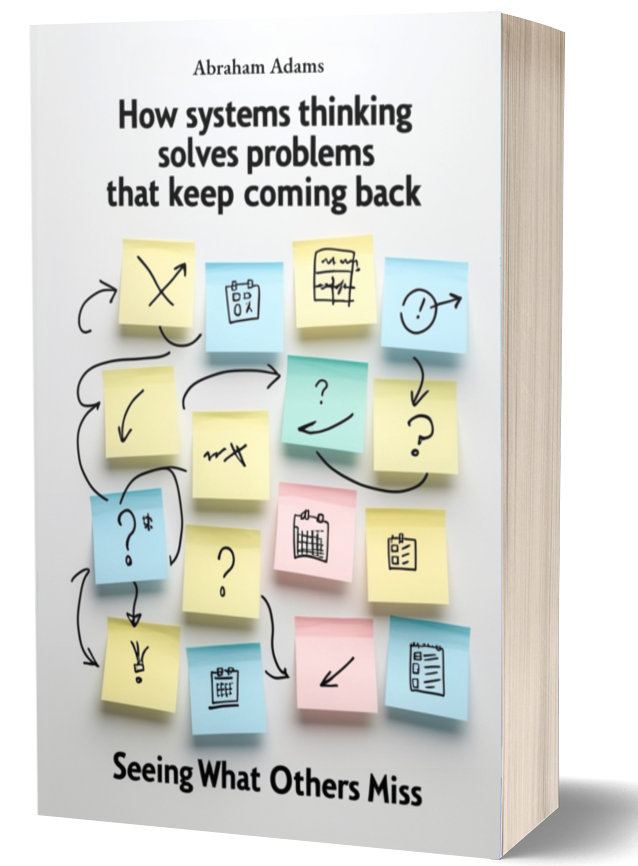
How Systems Thinking Solves Problems That Keep Coming Back

How Systems Thinking Solves Problems That Keep Coming Back

Many problems return again and again because the underlying system is never examined. This book introduces the practical mindset of systems thinking — a way to see incentives, feedback loops and hidden structures shaping outcomes.

Explore the Book →

How To Map The System

The Toolkit

The Toolkit

Practical methods to map systems, trace incentives, uncover feedback loops, and identify where real leverage exists. Learn how to analyse any system and understand how it truly works.

Explore the Toolkit →

How Money Flows

The Extraction Pattern

The Extraction Pattern

How extraction works across systems — where value is drawn from the many and concentrated toward the few through structure, incentives, and design.

Read the Article →

Books

Explore the Books

  • The Blueprint
  • Understanding Systems Thinking
  • How Systems Thinking Solves Problems That Keep Coming Back
  • The Chain Reaction Effect: Change One Thing, Change Everything
  • Browse Books

Topics

  • Home
  • Start Here
  • Systems
  • Toolkit
  • Fundamentals
  • Deep Dives

Deep Dives

  • The Money System
  • The Customer Service System
  • The UK Housing System
  • The UK Student Loan System
  • The UK Health System
  • The UK Childcare System

Resources

  • Books
  • Videos
  • Toolkit
  • Disclaimer
  • Privacy Policy
  • Contact Us
© 2026 Think On The System | Disclaimer | Privacy Policy