The Incentives: Who Profits From Digital Dispatch
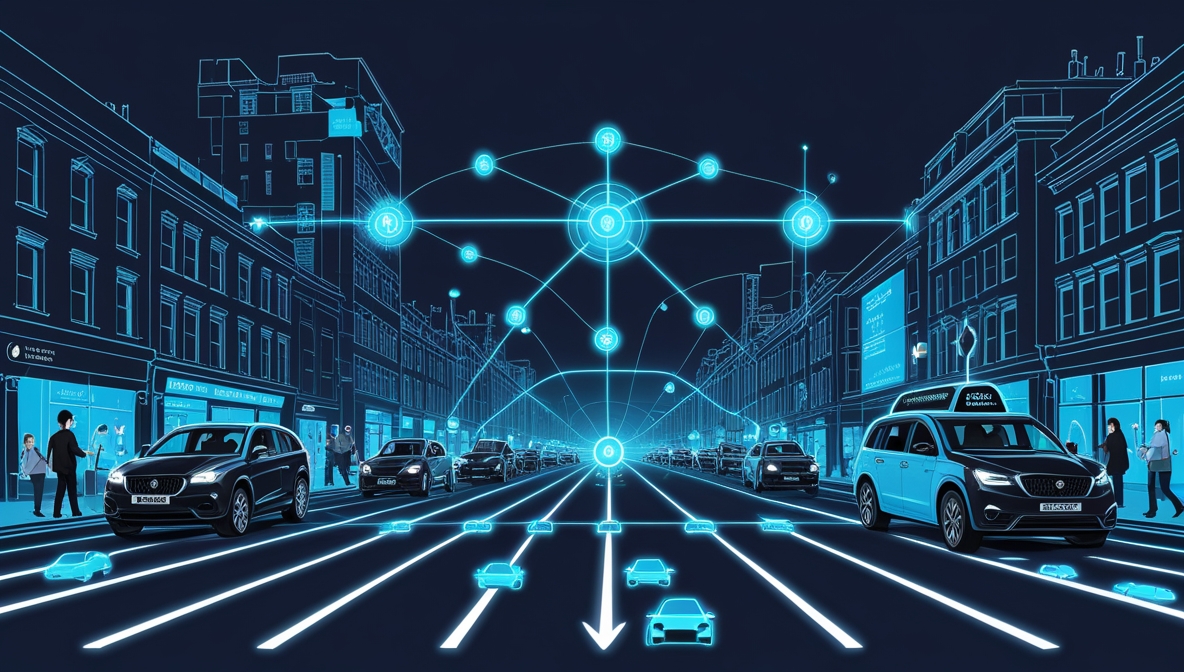
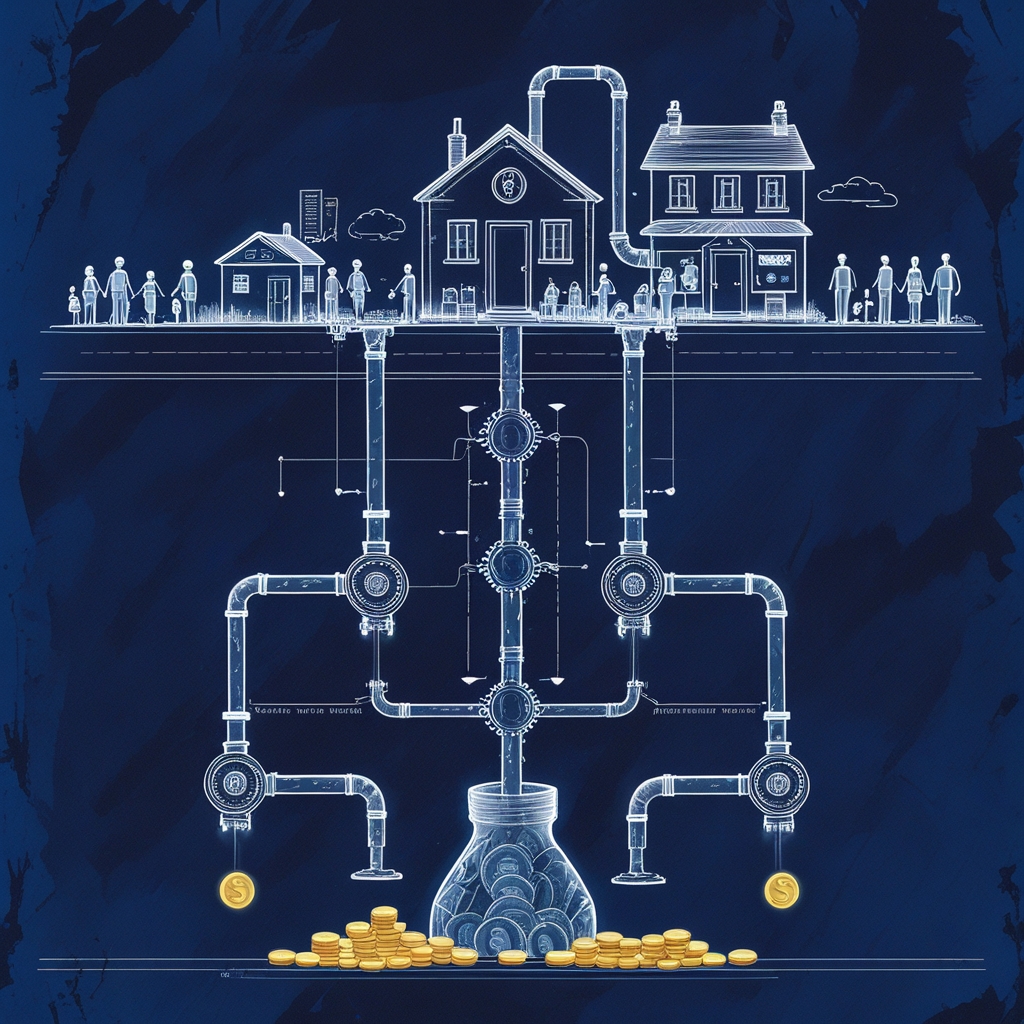
The Uber system enriches multiple parties while costs fall on drivers. Understanding who benefits and why they behave as they do reveals why the system persists despite obvious unfairness. Every party except drivers profits from maintaining structures that extract wealth while distributing risk.
Uber: Monopoly Without Assets
Uber generates billions in revenue while owning no vehicles and employing no drivers. This asset-light model allows scaling rapidly without capital investment traditional taxi companies require. Uber's costs are largely software development and marketing while driver costs are entirely externalized to those providing the actual service.
Commission on millions of daily rides globally creates massive revenue streams. Taking twenty to twenty-five percent of every fare across seventy thousand UK drivers and millions worldwide generates billions annually. This
revenue requires no vehicle purchases, no driver salaries, no fleet maintenance. Uber captures taxi company revenue without taxi company costs.
Data ownership provides value beyond ride commissions. Comprehensive information on urban transportation patterns, rider behavior, demand forecasting, and route optimization has commercial value Uber can monetize. This data enables autonomous vehicle development that will eventually eliminate drivers while Uber retains the platform monopoly. Drivers create the data that will destroy their livelihoods while Uber captures all value from that data.
Network effects create monopoly power once critical mass is achieved. Riders use Uber because it has the most drivers ensuring fast pickups. Drivers work for Uber because it has the most riders ensuring consistent fares. This mutual reinforcement makes displacing Uber extremely difficult even when competitors offer better terms. Uber's early venture capital funding allowed subsidizing growth until monopoly position was established.
Regulatory arbitrage allows avoiding costs traditional taxi companies bear. Not owning vehicles means no fleet insurance or maintenance costs. Not employing drivers means no national insurance, holiday pay, sick leave, or pension contributions. Operating through an app means minimal physical infrastructure. Uber structured itself to avoid obligations that would make it unprofitable while maintaining control that allows extraction.
Going public in May twenty nineteen allowed early investors and executives to cash out despite Uber never being profitable. Shareholders who bought into the growth story during venture capital funding rounds sold shares for billions. Current shareholders hold stock hoping eventual monopoly power will generate sustainable profits. Meanwhile losses continue while drivers subsidize the business model through below-minimum-wage effective earnings.
Venture Capital: Patient Money Seeking Monopoly
Venture capital funding enabled Uber to operate at massive losses for years while destroying competition. Over twenty-five billion dollars in venture funding allowed subsidizing ride prices below cost to attract riders and crush traditional taxi companies. This predatory pricing is illegal in many contexts but venture capital structure operates in spaces regulation struggles to address.
The strategy is deliberate. Subsidize rides until competition is eliminated. Achieve monopoly position. Raise prices once alternatives are destroyed. Extract monopoly rents indefinitely. Drivers are useful during the growth phase but become costs to minimize once monopoly is established. Autonomous vehicles are the ultimate goal where capital extracts all value without sharing with labor.
Venture capital investors receive returns when Uber goes public or is acquired. They need not wait for profitability if stock prices rise based on growth metrics and monopoly potential. Public market investors then hold shares hoping profitability materializes. Meanwhile drivers bear the costs of the business model throughout all phases.
Early investors made billions from Uber's IPO despite the company never being profitable. Those who invested when valuation was low and sold when it reached tens of billions captured enormous returns. Later investors hold riskier positions hoping profitability eventually arrives. But all investors benefit from the driver exploitation that keeps costs low while the business model develops.
Drivers: Promised Flexibility, Delivered Precarity
Uber recruits drivers with promises of flexibility, entrepreneurship, and independence. Marketing emphasizes being your own boss, working when you want, and earning good money. This framing attracts people seeking alternatives to traditional employment constraints. The reality discovered after starting is very different.
Flexibility is one-sided. Drivers can choose when to work but Uber can change commission rates, surge pricing algorithms, and minimum ride acceptance requirements at any time. Drivers cannot negotiate these terms. They accept what Uber offers or stop driving. The power imbalance means Uber's flexibility to change terms far exceeds driver flexibility to respond.
Earnings vary dramatically and unpredictably. Good weeks can generate decent income. Bad weeks fall below minimum wage. Drivers cannot rely on consistent earnings making financial planning impossible. This income volatility creates stress and insecurity traditional employment avoids through regular pay even during slow business periods.
Vehicle costs and depreciation consume large portions of gross earnings. Drivers focusing on per-ride revenue often do not account properly for fuel, maintenance, insurance, and depreciation. Calculating these costs reveals net hourly earnings frequently below minimum wage. But drivers invested in vehicles for Uber work face pressure to continue driving to service debt even when earnings are inadequate.
Many drivers are immigrants or people with limited employment alternatives. Uber targets recruitment at communities facing barriers to traditional employment. Language difficulties, lack of recognized qualifications, discrimination in hiring, all push people toward Uber as seemingly accessible income source. This vulnerability makes drivers less able to organize collectively or refuse unfair terms.
The promise of entrepreneurship obscures the reality of subordination. Drivers are told they run independent businesses but they control none of the key business variables. They cannot set prices, choose customers, determine service standards, or negotiate terms. This is employment with all responsibility and none of the security.
Traditional Taxi Industry: Destroyed by Subsidized Competition
Licensed taxi drivers and taxi companies face competitors who do not bear equivalent regulatory costs. Traditional taxis pay for licenses, vehicle inspections, insurance requirements, accessibility obligations, and driver background checks. Uber initially avoided or minimized these obligations while competing for the same riders.
Subsidized Uber rides undercut taxi fares traditional companies could not match. Taxis operating at cost or small profit could not compete with venture capital funded losses designed to destroy competition. Taxi drivers saw incomes collapse as riders shifted to cheaper subsidized alternatives. Many abandoned the industry after decades of work.
Taxi license values plummeted in many cities. Drivers who paid substantial amounts for medallions or licenses saw these investments become worthless as Uber's arrival destroyed the regulatory structure that gave licenses value. Some drivers faced financial ruin from license investments that regulatory change made valueless.
Political influence of Uber exceeded traditional taxi industry capacity to respond. Uber hired lobbyists, made political donations, and mobilized rider support to pressure regulators. Traditional taxi companies and drivers lacked resources to match this influence. Regulatory frameworks established over decades were dismantled rapidly under pressure from a company framing itself as innovation regulators should not obstruct.
Some cities have imposed similar regulations on Uber and taxis. London's Transport for London now requires similar standards for private hire vehicles whether arranged by app or traditional dispatch. But this came after years of unequal competition that destroyed many traditional taxi businesses and drivers' livelihoods.
Government: Statistics Improved, Problems Deferred
Uber drivers count as self-employed in employment statistics. This improves unemployment numbers without creating actual jobs with security and decent pay. Governments can claim employment is rising while ignoring the quality of that employment. Gig economy growth allows presenting positive economic data that obscures growing precarity.
Tax revenue from Uber and drivers provides some government income though less than traditional employment would generate. Uber structures its taxes to minimize UK liability. Drivers paying income tax and VAT contribute revenue but their self-employed status means no employer national insurance contributions. Total tax take is lower than equivalent employment relationships would produce.
Political donations and lobbying from Uber influence regulatory approaches. Uber spent heavily on political influence to shape regulations favorably. Politicians receive campaign contributions and lobbying attention encouraging light-touch regulation framed as supporting innovation. This influence shapes policy in ways that serve Uber more than drivers or riders.
Avoiding responsibility for driver welfare shifts costs to the state. Drivers earning below minimum wage may qualify for working tax credits subsidizing inadequate Uber pay. Drivers unable to work due to illness have no sick pay and may claim benefits. Uber externalizes the costs of inadequate pay while state benefits systems absorb them.
The political calculation currently favors allowing Uber to operate despite employment law violations. Riders want cheap convenient transport. Employment statistics look better with gig workers counted as employed. Uber's innovation narrative creates political cover for ignoring exploitation. Changing this calculation requires political costs of maintaining Uber extraction exceeding costs of proper regulation.
Riders: Subsidized Now, Monopoly Later
Riders initially benefit from venture capital subsidized prices below the cost of service provision. Cheap Uber rides are attractive and convenient. This masks the long-term costs of allowing monopoly to develop and driver exploitation to continue.
Once monopoly is established and competition is eliminated, prices rise. Uber has increased rider prices in markets where competition has been destroyed and regulatory capture achieved. Early riders benefited from subsidies. Later riders pay monopoly prices. The transition happens gradually enough that backlash is limited.
Surge pricing extracts maximum rider willingness to pay during high demand. Riders needing transport urgently face multiples of standard fares. This price discrimination captures consumer surplus that competitive markets would not permit. Riders have limited alternatives once traditional taxis have been destroyed and Uber's monopoly position is entrenched.
Service quality can decline once monopoly is achieved. Uber's incentive to maintain quality diminishes when riders have few alternatives. Driver earnings falling due to commission increases can reduce service quality as experienced drivers leave and are replaced by those willing to accept worse terms. Riders eventually face higher prices and lower quality than the subsidized launch period.
Privacy violations are substantial. Uber tracks rider locations, destinations, payment information, and usage patterns. This data has commercial value Uber monetizes. Riders provide this data without compensation while Uber sells insights to third parties or uses them to develop future services that compete with current complementary offerings.
The deal riders unknowingly accepted is cheaper rides now in exchange for monopoly power and exploitation later. Most riders do not consider these longer-term costs when choosing convenient subsidized transport. By the time monopoly consequences emerge, alternatives have been destroyed and dependence is established.
Society: Precarity Normalized
Uber's model encourages other businesses to adopt similar structures avoiding employment obligations while maintaining control. The gig economy expands across sectors as companies observe Uber demonstrating that labor can be treated as variable cost without employment protections. This race to the bottom reduces employment security across the economy.
Wealth concentration accelerates. Uber shareholders and executives capture billions while drivers earn below minimum wage. Value created by driver labor flows to capital while drivers struggle financially. This mirrors broader trends of labor share of income declining while capital share rises but Uber's model exemplifies the dynamics clearly.
Social costs of driver precarity fall on communities and families. Drivers without sick pay work while ill spreading disease. Drivers without adequate earnings cannot support families properly creating pressures on relationships and children. Drivers without pensions face poverty in old age requiring state support. Uber externalizes these costs while capturing the benefits of cheap flexible labor.
Regulatory capacity has not kept pace with platform innovation. Governments struggle to apply employment law written for traditional firms to app-based intermediaries. This regulatory lag allows exploitation to flourish until court cases slowly establish that existing law does apply. Meanwhile drivers work for years without protections they are legally entitled to receive.
The incentive structure explains system persistence. Uber gains monopoly power and massive revenue without owning assets or employing labor. Venture capital profits from growth and eventual public listing. Drivers receive flexibility and minimal entry barriers but earn below minimum wage while bearing all costs and risks. Traditional taxis are destroyed by subsidized competition they cannot match. Government gets improved employment statistics without addressing employment quality. Riders get temporarily subsidized rides before monopoly prices emerge. Society experiences normalized precarity and accelerated wealth concentration. Every party except drivers and eliminated taxi workers benefits from maintaining exploitation while disguising it as innovation.