• Home
  • Start Here
  • Systems
  • Deep Dives
  • The Question
  • System Watch
  • System Health
  • Toolkit
  • Books
  • Videos

The Machine - How UK Childcare Actually Works

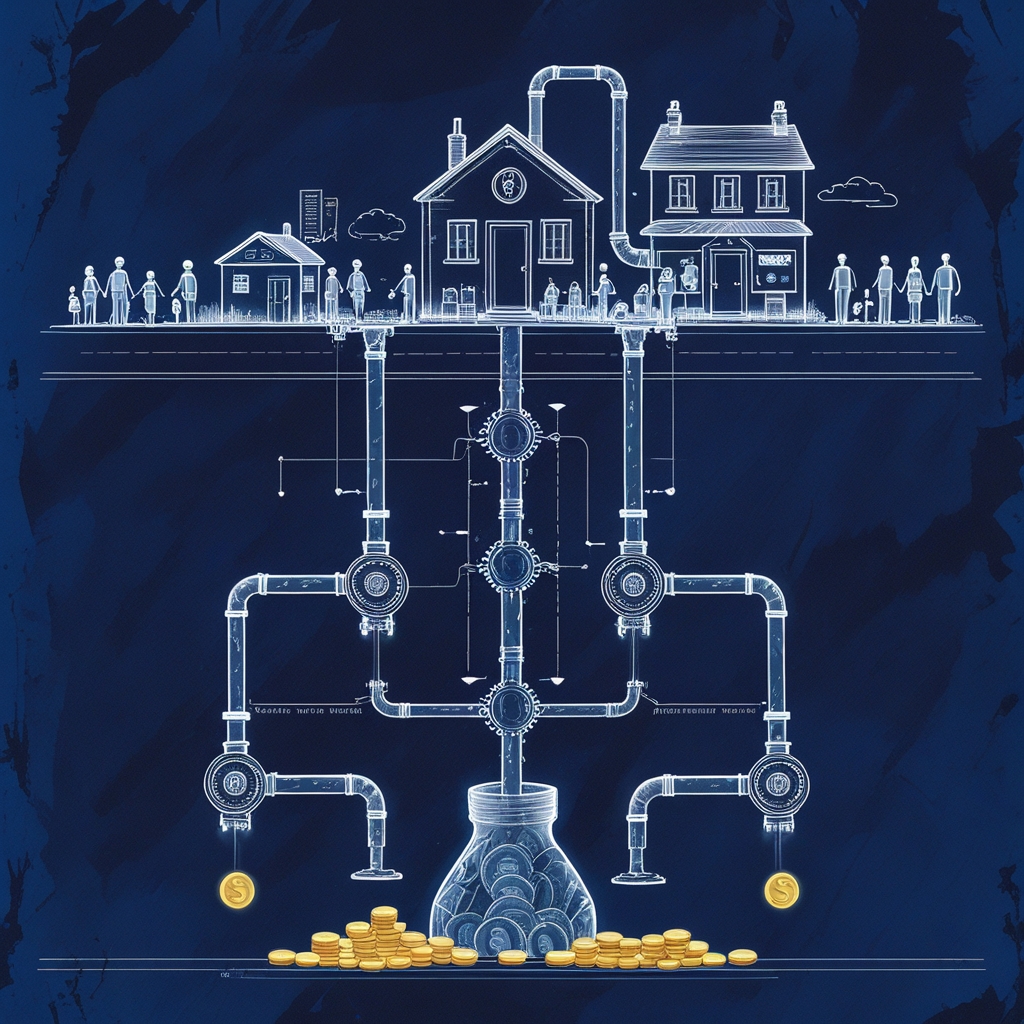
You have a child. You need to work. So you need childcare. And you look at nurseries. In your area. And you see the fees. One thousand two hundred pounds per month. One thousand five hundred. More, in London. For full-time care. For one child. That is fifteen thousand pounds per year. Eighteen thousand. More than university tuition. More than many people earn. After tax.

And you think: how can this be? How can it cost so much? The staff are not highly paid. You know this. Nursery workers earn minimum wage. Or barely above. Eleven pounds per hour. Twelve. So if the staff are paid so little, where is the money going? Who is profiting? And why, despite paying so much, is there a waiting list? Why can you not find a place? Why is supply so constrained?
Read more →

The Incentives - Who Profits From Expensive Childcare

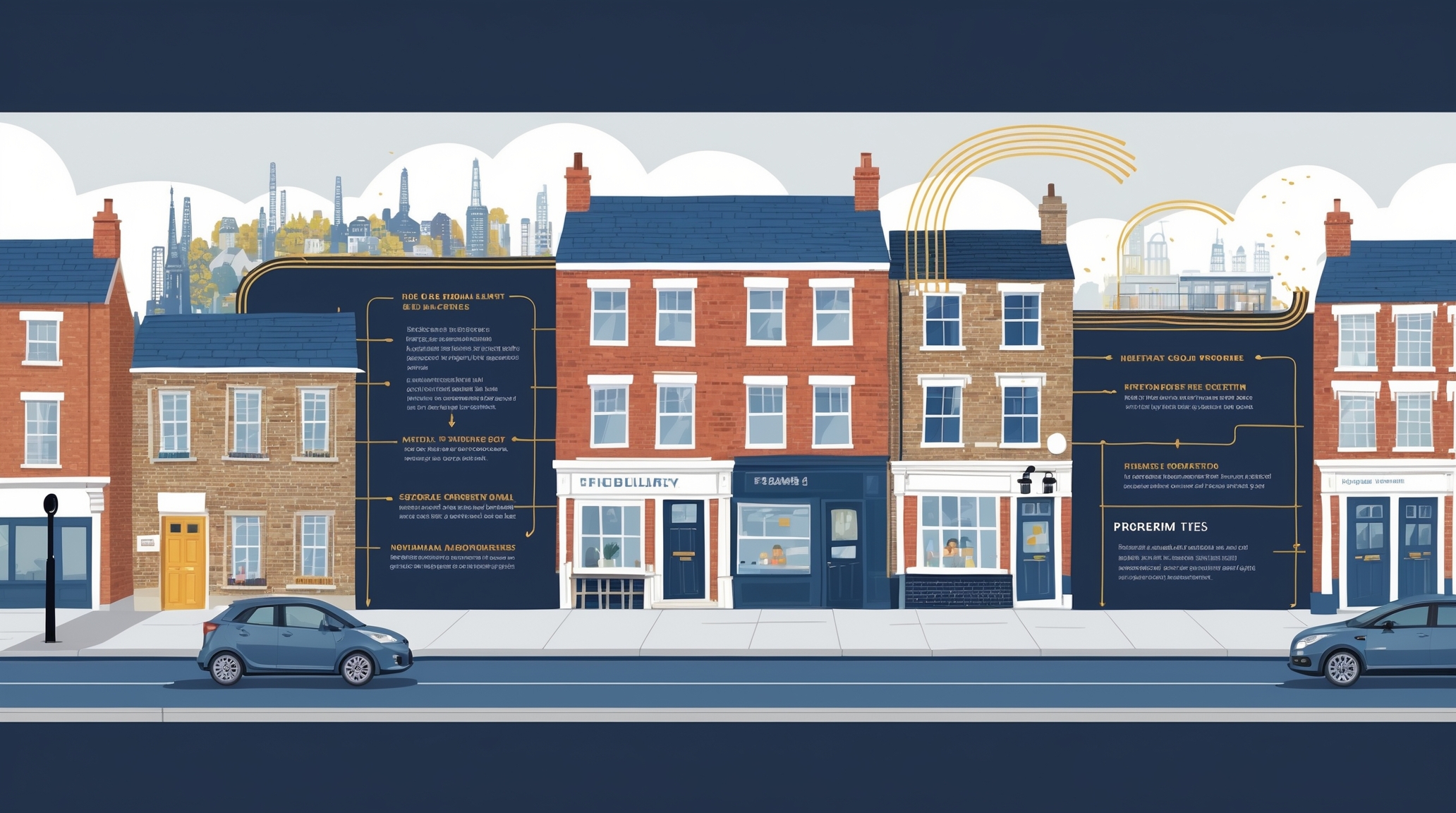
Childcare is expensive. Very expensive. Fifteen thousand pounds per year. Eighteen thousand. More than university. More than many people earn after tax. And parents, paying these fees, struggle. They cut spending elsewhere. They go into debt. They reduce hours. Or one parent stops working. Because childcare costs more than they earn.

But while parents struggle, someone is profiting. Because the money, fifteen thousand pounds per child per year, is going somewhere. Not to staff. Nursery workers earn minimum wage. Barely above. So the money is not going to them. Not to the people actually providing the care. It is going somewhere else. To someone else. And understanding who profits from expensive childcare is the key to understanding why it stays expensive. Why it does not change. And why parents, despite paying so much, get so little.

Read more →

The Feedback Loops - Why Costs Keep Rising

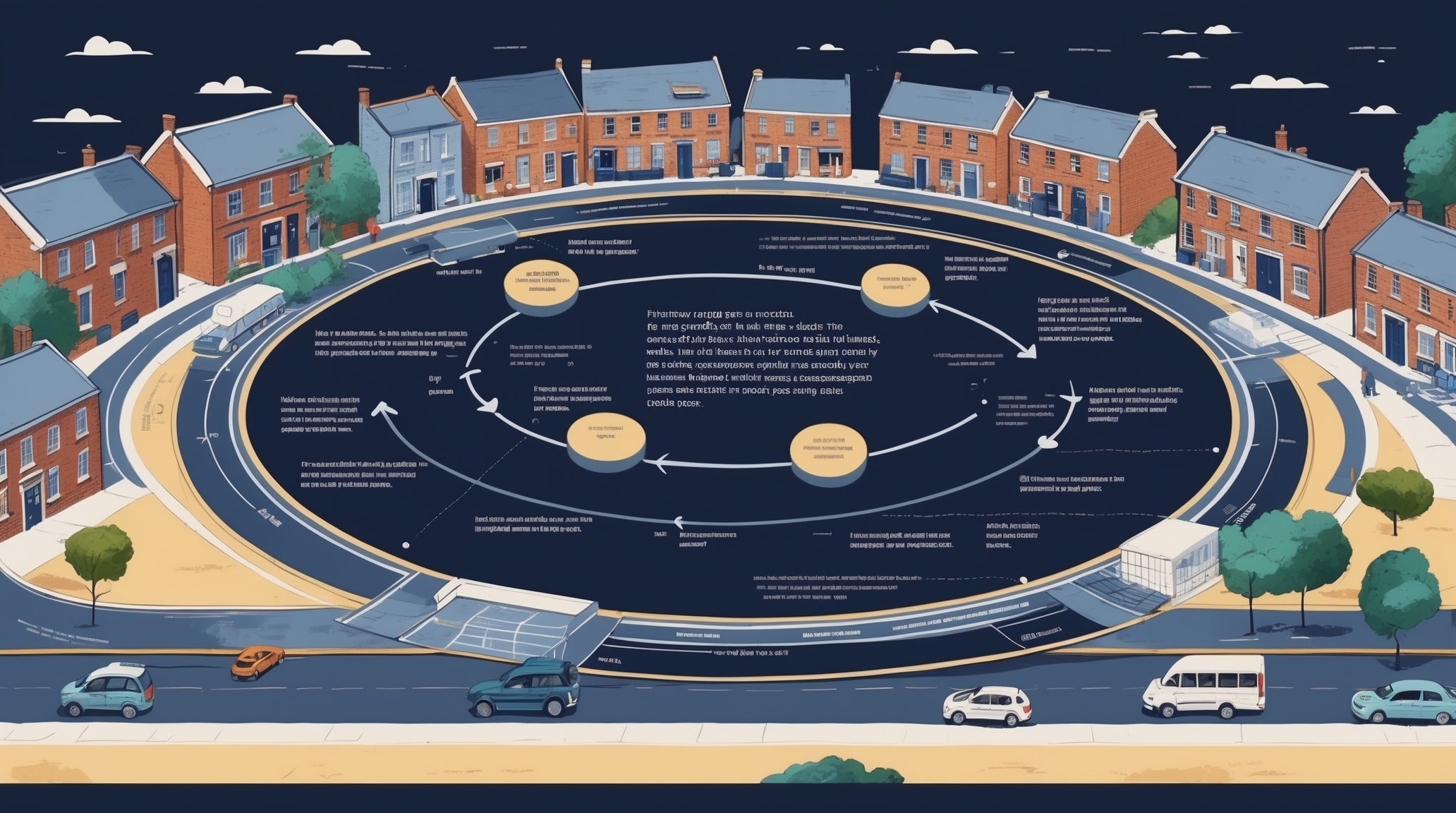
Childcare costs do not just stay high. They rise. Every year. Faster than wages. Faster than inflation. And parents, already struggling, struggle more. They cut spending elsewhere. Go into debt. Reduce hours. Or stop working entirely. Because the cost of childcare exceeds what they can earn. Or what they can afford. And the gap widens. Every year.

This is not random. This is not market forces operating neutrally. This is feedback loops. Loops that turn high costs into higher costs. That turn staff shortages into worse shortages. That turn supply constraints into tighter constraints. And once these loops are in motion, they reinforce themselves. They amplify. And they ensure that childcare, despite being essential, despite being in demand, becomes more expensive. Not less. Year after year.

Read more →

Why the UK Childcare System Resists Reform

Every government promises to fix childcare, and every manifesto includes commitments to making it more affordable, more accessible, and higher quality. The language is always urgent and determined, speaking of supporting working families, enabling parents to work, and giving children the best start in life. Parents, desperate for relief, believe these promises and vote accordingly, hoping that this time something will actually change.

Read more →

Where Policy Actually Has Leverage


The UK childcare system is resistant to reform, but it is not immovable. There are points where policy could shift outcomes, where intervention could reduce costs, increase access, or improve quality. Not easily, and not without political cost, but it is possible. The challenge is not that solutions do not exist, because they do. The challenge is that implementing them requires overcoming resistance from providers, from the Treasury, from ideological opposition, and from political inertia.

But leverage points exist, and understanding where they are and how to use them is essential for anyone who wants to see childcare become more affordable and more accessible. Some interventions are weak, delivering marginal improvements without changing the structure. Others are strong, reshaping the system fundamentally and creating lasting change. And the difference between wasting political capital and achieving meaningful reform is knowing which is which.

Let me show you where UK policy actually has leverage over childcare.

Read more →

Case Study - Sure Start and What We Lost


In 1999, the UK government launched Sure Start. It was ambitious, comprehensive, and based on evidence from early intervention programs that worked. The idea was simple but transformative: provide integrated support for families with young children in the areas that needed it most. Not just childcare, but health services, parenting support, employment advice, and community hubs where parents could meet, learn, and access help. All in one place, free at the point of use, and designed to give every child the best possible start in life regardless of their family's income.

Sure Start centers opened across the country, particularly in deprived areas where families faced multiple barriers to opportunity. By 2010, there were over three thousand centers serving hundreds of thousands of families. They provided childcare, they ran parenting classes, they offered health checks and speech therapy, they helped parents find work, and they created communities. Parents loved them, research showed they worked, and children who accessed Sure Start had better outcomes in health, in education, and in development.

Read more →

WHERE IS THE UK CHILDCARE SYSTEM HEADING? THE DATA IN PLAIN ENGLISH (2026)

You know how the UK childcare system works. You have seen the unaffordable fees, the underfunded free hours, the extraction by nursery chains and private equity, the childcare deserts in deprived areas. But knowing the structure is one thing. Seeing where it is actually heading is another. And the data, pulled from the Department for Education, from the Office for National Statistics, from childcare provider surveys, tells you exactly where this system is taking us. Not theory. Not opinion. Just numbers, showing you what is happening to childcare costs, to availability, to quality, to the workforce.

Let me show you what the data reveals.

Read more →

Book Feature

The Blueprint: How Britain's System Really Works and What You Can Do About It

The Blueprint

Why do the same political and economic problems repeat decade after decade? This book reveals the deeper machinery behind Britain’s institutions — the incentives, constraints and feedback loops that quietly shape outcomes.

Once you understand the system, you can finally see where real leverage exists.

Explore the Book →

Book Feature

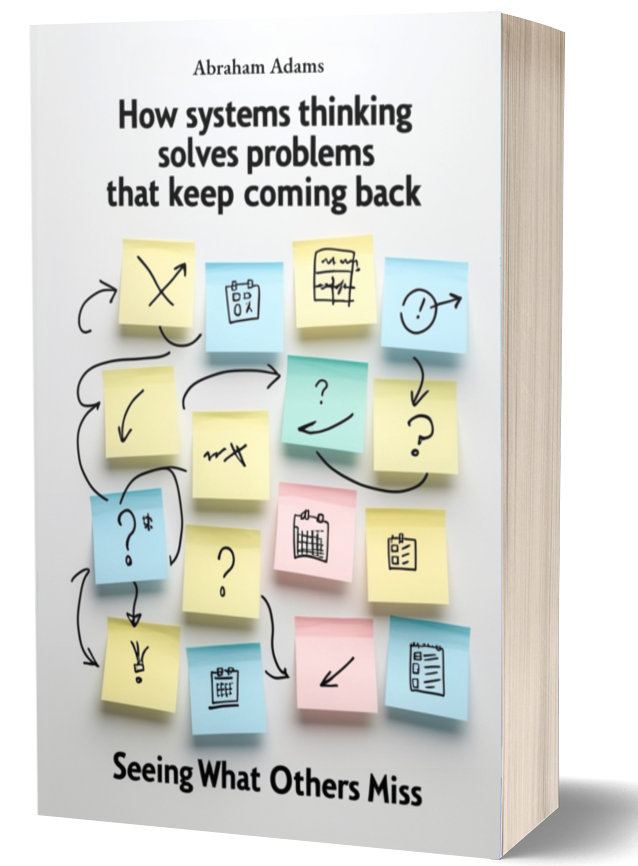
How Systems Thinking Solves Problems That Keep Coming Back

How Systems Thinking Solves Problems That Keep Coming Back

Many problems return again and again because the underlying system is never examined. This book introduces the practical mindset of systems thinking — a way to see incentives, feedback loops and hidden structures shaping outcomes.

Explore the Book →

How To Map The System

The Toolkit

The Toolkit

Practical methods to map systems, trace incentives, uncover feedback loops, and identify where real leverage exists. Learn how to analyse any system and understand how it truly works.

Explore the Toolkit →

How Money Flows

The Extraction Pattern

The Extraction Pattern

How extraction works across systems — where value is drawn from the many and concentrated toward the few through structure, incentives, and design.

Read the Article →

Books

Explore the Books

  • The Blueprint
  • Understanding Systems Thinking
  • How Systems Thinking Solves Problems That Keep Coming Back
  • The Chain Reaction Effect: Change One Thing, Change Everything
  • Browse Books

Topics

  • Home
  • Start Here
  • Systems
  • Toolkit
  • Fundamentals
  • Deep Dives

Deep Dives

  • The Money System
  • The Customer Service System
  • The UK Housing System
  • The UK Student Loan System
  • The UK Health System
  • The UK Childcare System

Resources

  • Books
  • Videos
  • Toolkit
  • Disclaimer
  • Privacy Policy
  • Contact Us
© 2026 Think On The System | Disclaimer | Privacy Policy