The Machine - How UK Childcare Actually Works
You have a child. You need to work. So you need childcare. And you look at nurseries. In your area. And you see the fees. One thousand two hundred pounds per month. One thousand five hundred. More, in London. For full-time care. For one child. That is fifteen thousand pounds per year. Eighteen thousand. More than university tuition. More than many people earn. After tax.
And you think: how can this be? How can it cost so much? The staff are not highly paid. You know this. Nursery workers earn minimum wage. Or barely above. Eleven pounds per hour. Twelve. So if the staff are paid so little, where is the money going? Who is profiting? And why, despite paying so much, is there a waiting list? Why can you not find a place? Why is supply so constrained?
This is the UK childcare system. And it is not designed to provide affordable, accessible care. It is designed to extract. From parents. Who have no choice. Who need to work. Who cannot afford not to work. And who, needing childcare, pay whatever is asked. Because the alternative is not working. Is losing income. Is losing careers. Is poverty.
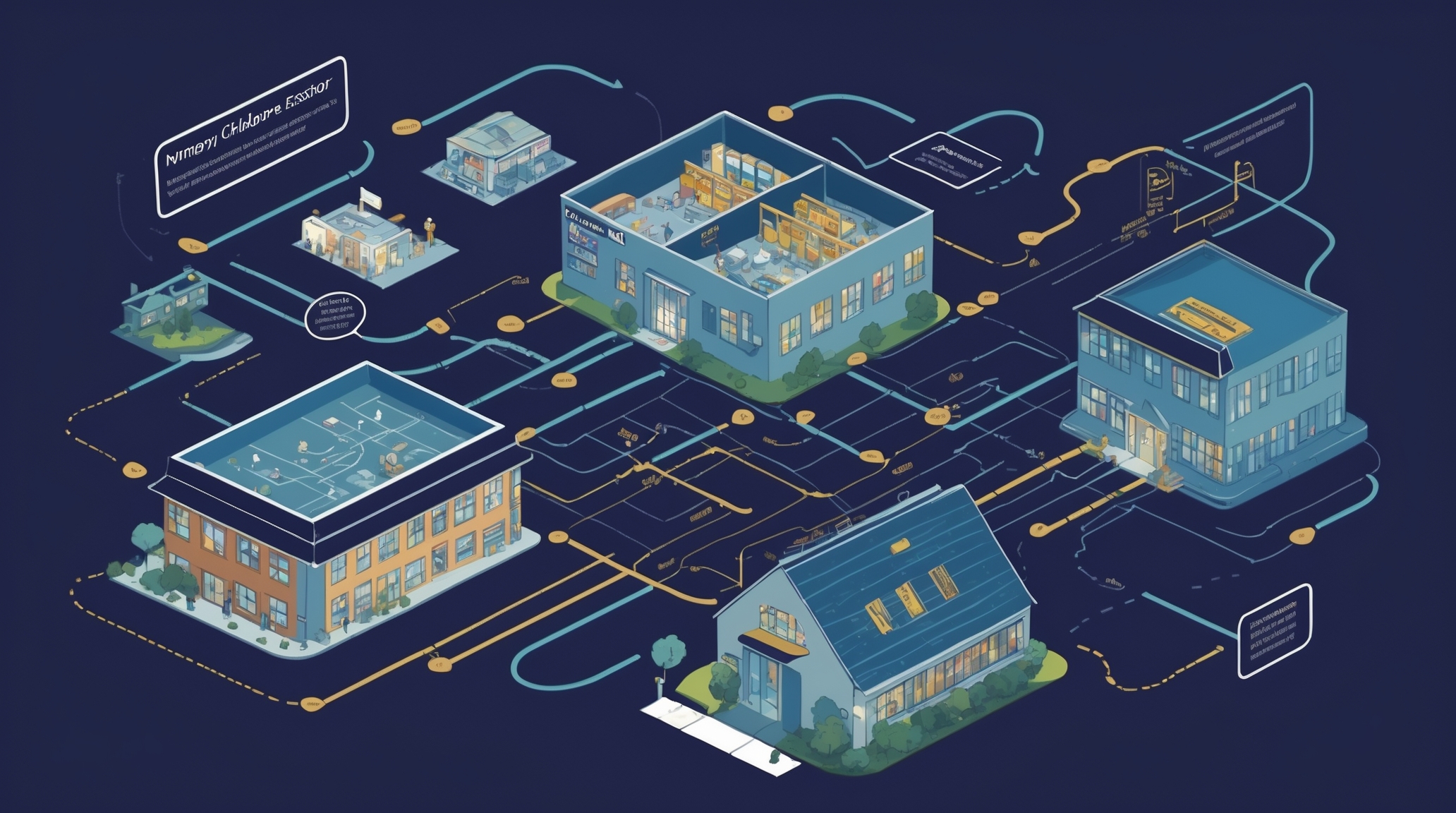
Let me show you how the UK childcare system actually works.
The first thing to understand is that there are different types of childcare. Nurseries. Childminders. Nannies. Informal care. Family. Friends. And each operates differently. With different costs. Different regulations. Different availability.
Nurseries are the most common. Formal childcare. Registered. Inspected by Ofsted. Operating in dedicated premises. With multiple staff. Multiple children. And nurseries charge. Per child. Per day. Or per hour. Full-time care, five days per week, costs between one thousand and one thousand five hundred pounds per month. For one child. In London, two thousand. More.
Childminders are individuals. Working from their own homes. Registered. Inspected. And they care for a small number of children. Usually three or four. Childminders charge less than nurseries. But not much less. Eight hundred to one thousand pounds per month for full-time care. Still expensive. Still unaffordable for many.
Nannies are private. One family. One nanny. And nannies are expensive. Very expensive. Two thousand pounds per month. Three thousand. More. Because you are employing someone. Full-time. Just for your child. Or children. And nannies are only viable for wealthy families. Or families with multiple children. Where the cost, split, is comparable to nursery fees.
And then there is informal care. Grandparents. Friends. Neighbors. Unpaid. Or minimally paid. And informal care is how many families survive. Because formal care is unaffordable. So grandparents step in. Retire early. Or delay retirement. To provide care. For free. Or for token payment. And this shifts the burden. From the state. From employers. To families. To grandparents. Who absorb the cost. Through lost income. Through lost retirement.
Now let us talk about how fees are set. Nurseries charge per child. Per day. Or per hour. And the fee covers care. Meals. Activities. Nappies, sometimes. And the fee is set based on costs. Staff wages. Rent. Utilities. Food. Insurance. Ofsted compliance. And a margin. For profit. Or for sustainability, if the nursery is not-for-profit.
But here is the problem. The fee, one thousand two hundred pounds per month, does not reflect the cost of caring for one child. It reflects the cost of running the nursery. Divided by the number of children. And the cost of running a nursery is high. Because regulation is strict. Ratios are strict. One adult to three children under two. One to four for two-year-olds. One to eight for three- and four-year-olds. So staffing is expensive. And staff, while poorly paid individually, are numerous. So the wage bill is large.
And rent is expensive. Nurseries need space. Outdoor space. Safe, accessible, inspected space. And in cities, rent is high. So the nursery pays. Thousands per month. Tens of thousands. And that cost is passed on. To parents.
And Ofsted compliance is expensive. Inspections. Documentation. Training. Policies. All required. All costly. And nurseries, needing to pass inspections, to maintain their rating, invest. In compliance. In quality. And that cost, too, is passed on.
So the fee, high as it is, is not pure profit. Much of it is cost. Real cost. But the structure, the regulatory burden, the staffing ratios, the rent, all combine to make childcare expensive. Structurally expensive. And parents, needing care, pay.
Now let us talk about the "free hours." The government offers free childcare. Fifteen hours per week. For all three- and four-year-olds. And thirty hours per week. For working parents. Of three- and four-year-olds. This is marketed as free. As support. As making childcare affordable.
But it is not free. Not really. The government pays nurseries. A set amount. Per child. Per hour. To provide the free hours. And that amount, the funding rate, is less than nurseries charge. Far less. In some areas, the funding rate is four pounds per hour. Nurseries charge six. Seven. Eight. So the nursery, providing free hours, loses money. On every free-hours child.
And nurseries respond. They limit free-hours places. They prioritize paying customers. Families paying full fees. And they charge extras. For meals. For nappies. For late pick-up. So the free hours are not free. They come with costs. Hidden costs. That parents pay.
Or nurseries stretch. They take free-hours children. And cross-subsidize. Using fees from paying customers to cover the shortfall on free-hours children. And this works. Until it does not. Until the nursery cannot sustain the loss. And closes. Or stops offering free hours. And parents, who relied on those hours, lose access.
So free hours are a subsidy. But an inadequate one. Underfunded. And structured in a way that creates perverse incentives. Nurseries avoid free-hours children. Parents struggle to access the hours. And the policy, intended to help, delivers less than promised.
Now let us talk about staff pay. Nursery workers, early years educators, earn badly. Minimum wage. Or barely above. Eleven pounds per hour. Twelve. For skilled work. For caring for vulnerable children. For educating them. For managing behavior. For liaising with parents. For complying with regulation. This is skilled work. Essential work. And it is paid as if it is not.
And here is the disconnect. Parents pay sixty pounds per day. Seventy. Eighty. For one child. The nursery employs staff at twelve pounds per hour. So over an eight-hour day, the staff member earns ninety-six pounds. But the nursery charges parents, for one child, sixty to eighty pounds per day. And the staff member is caring for three children. Or four. Or eight. Depending on the age.
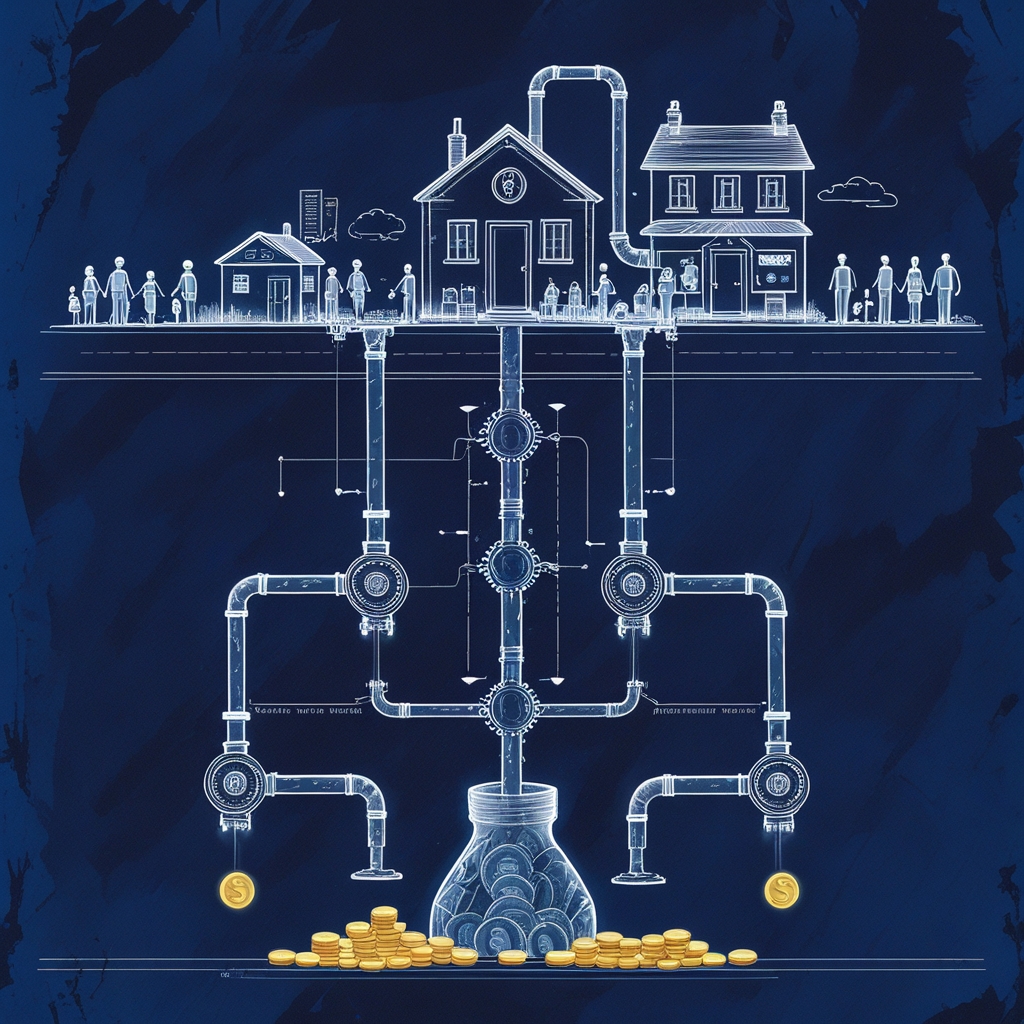
So the nursery is collecting sixty pounds per child. Three children. One hundred and eighty pounds per day. The staff member earns ninety-six pounds. Where is the rest? Where is the eighty-four pounds per day? Per staff member?
Some of it is rent. Some is utilities. Some is food. Some is insurance. Some is Ofsted compliance. Some is management. Some is profit. But the numbers do not add up. Not transparently. Parents pay high fees. Staff earn low wages. And the gap, the difference, is opaque.
And this creates resentment. Parents resent paying so much. Staff resent earning so little. And both blame the nursery. But the nursery is operating within a structure. A regulatory structure. A market structure. That makes costs high. And wages low. And someone, somewhere, is profiting. But it is not obvious who.
Now let us talk about ratios. Adult-to-child ratios are regulated. Strict. One adult to three babies. Under two. One to four for two-year-olds. One to eight for three- and four-year-olds. And these ratios are safety measures. Quality measures. And they are necessary. Young children need supervision. Need care. And low ratios ensure that.
But low ratios also mean high costs. Because you need more staff. To care for the same number of children. A nursery with thirty children under two needs ten staff. At minimum. That is ten wages. Ten lots of National Insurance. Ten lots of pension contributions. Ten lots of training. And that cost is high. And it is passed on. To parents.
And here is the perversity. The ratios, strict for safety, make childcare expensive. And expensive childcare is unaffordable. So parents cannot access it. Cannot work. And the policy, intended to protect children, ends up excluding them. From formal, high-quality care. Because their parents cannot afford it.
Now let us talk about supply. There is not enough childcare. Not enough places. Waiting lists are long. Months. Years, in some areas. And parents, desperate, register their child. Before the child is born. Before they know if they will need care. Just to secure a place.
And why is supply constrained? Because opening a nursery is expensive. Requires capital. Premises. Staff. Equipment. Ofsted registration. And the return, the profit, is uncertain. Margins are thin. Costs are high. And demand, while high, is unpredictable. Parents move. Change jobs. Pull children out. And nurseries, facing unpredictable revenue, struggle.
And local authorities, who used to provide childcare, Sure Start centers, council-run nurseries, have closed. Funding was cut. Austerity. And private nurseries, while growing, have not filled the gap. Because private nurseries are businesses. They open where it is profitable. In affluent areas. Not in deprived areas. Not where need is greatest.
So supply is constrained. Particularly in deprived areas. Particularly for families on low incomes. Who cannot afford high fees. Cannot access private nurseries. And the free hours, underfunded, are not enough to create supply. Because nurseries, losing money on free hours, do not expand. Do not open in areas where most families rely on free hours. So the gap persists.
Now let us talk about regulation. Ofsted inspects nurseries. Rates them. Outstanding. Good. Requires Improvement. Inadequate. And ratings matter. Parents choose nurseries based on ratings. And nurseries, wanting to attract parents, want good ratings.
But achieving good ratings is costly. It requires investment. In staff training. In resources. In policies. In documentation. And smaller nurseries, with tight margins, struggle. They cannot afford the investment. So they get lower ratings. Which reduces demand. Which reduces income. Which makes investment even harder. And the nursery declines. Or closes.
And Ofsted, while necessary, adds cost. Inspection fees. Preparation time. Compliance burden. And that cost is passed on. To parents. So regulation, intended to ensure quality, also increases fees. And makes childcare less accessible.
Now let us talk about the structure. The UK childcare system is market-based. Private providers. Competing. For customers. For parents. And the market is supposed to drive quality. Drive efficiency. Drive down prices. But it does not.
Because childcare is not a normal market. Parents do not have choice. Not real choice. They need care. Near home. Near work. At specific times. And there are not multiple providers offering the same service at different prices. There is scarcity. Limited supply. And scarcity means providers can charge what they want. And parents, needing care, pay.
And the market does not drive quality. It drives profit. Providers, particularly large chains, corporate providers, optimize. They minimize costs. Maximize revenue. They pay staff minimum wage. They maximize ratios. They charge extras. And they extract profit. For shareholders. For investors. Not for quality. Not for children.
So here is what the UK childcare system looks like. A mix of nurseries, childminders, nannies, and informal care. Nurseries charging one thousand to one thousand five hundred pounds per month. Staff earning eleven to twelve pounds per hour. Free hours that are underfunded and not really free. Strict ratios that increase costs. Constrained supply, particularly in deprived areas. Ofsted regulation that adds cost. And a market structure that does not deliver affordability. Or accessibility. Or quality.
This is the machine. And it is not designed to serve parents. Or children. Or staff. It is designed to extract. From parents who have no choice. Who need to work. Who need care. And who pay. Whatever is asked. Because the alternative is worse.
The next article will show you who profits from expensive childcare. Because fees are high. And someone is benefiting. Not staff. Not parents. But nursery owners. Corporate chains. Landlords. And understanding who profits is the key to understanding why the system stays expensive. Why it does not change. And why parents, despite paying so much, get so little.