• Home
  • Start Here
  • Systems
  • Deep Dives
  • The Question
  • System Watch
  • System Health
  • Toolkit
  • Books
  • Videos
  1. You are here:  
  2. Home
  3. The Customer Service System

The Machine - How Customer Service Actually Operates

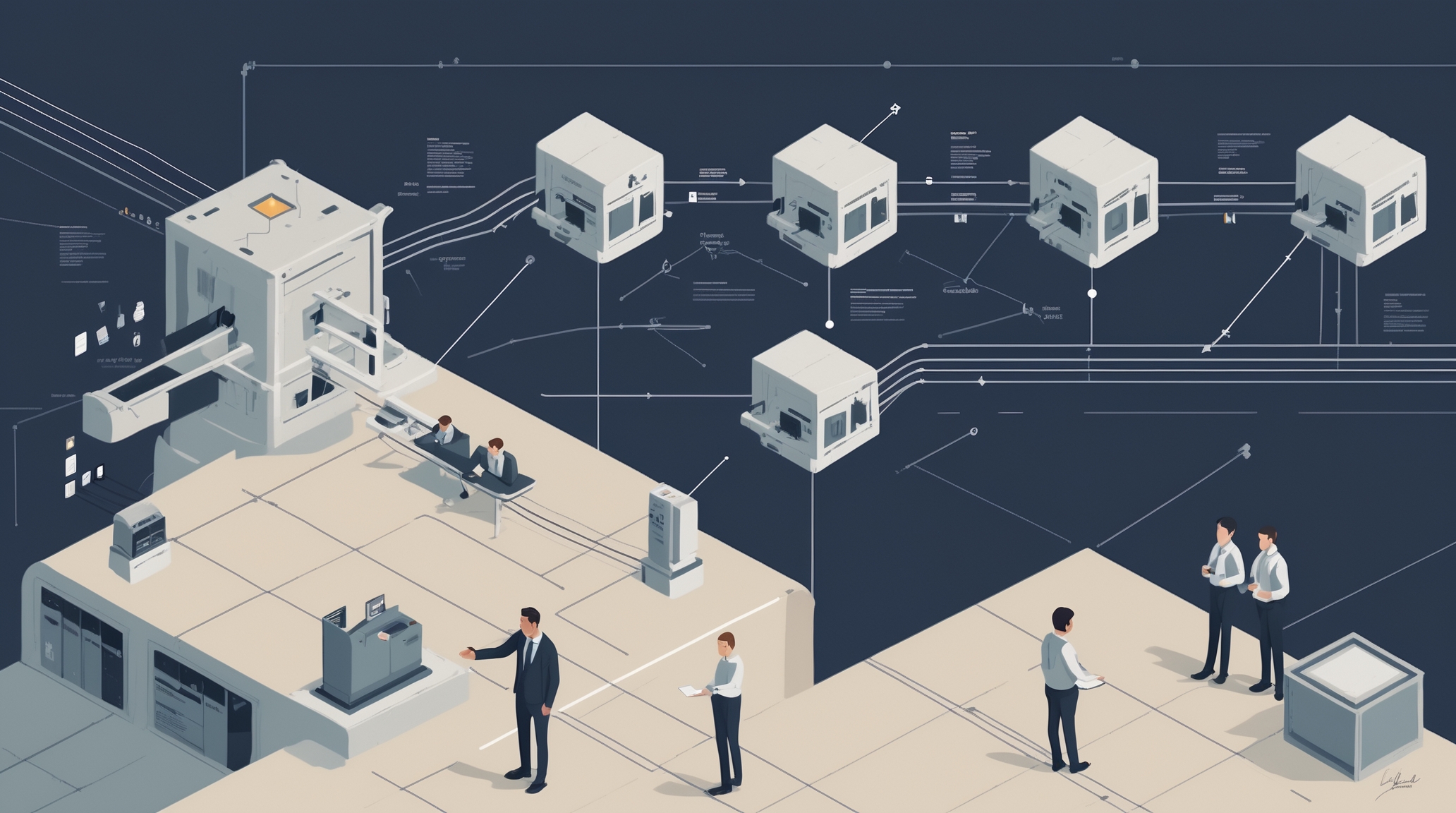
You have a problem. Your internet is not working. Your bill is wrong. A product you ordered never arrived. So you contact customer service. And what happens next feels frustrating. Random. Personal. As if the agent you reach just does not care. Or the company does not value you. Or the system is broken.

But it is not random. It is not personal. And the system is not broken. The system is working exactly as it was designed to work. And it was designed not to help you quickly. It was designed to help you eventually. Maybe. If you persist long enough. And if helping you costs less than the alternative.

Read more →

The Incentives - Who Benefits From Bad Service

Bad customer service is not an accident. It is not the result of incompetence or indifference. It is the result of incentives. Incentives that reward cost reduction over problem resolution. Incentives that prioritize company profit over customer satisfaction. Incentives that make bad service rational. Profitable, even. And until you understand those incentives, you will keep thinking the system is broken. When in fact, the system is working exactly as the people who profit from it designed it to work.

Let me show you who benefits from bad customer service.

Read more →

The Feedback Loops - Why Quality Degrades

Customer service does not start bad. It starts adequate. Sometimes even good. A company launches. It is small. The founders answer emails themselves. Customers are few enough that each one matters. Problems get solved quickly. Personally. And the service feels genuine. Because it is.

But then the company grows. And growth changes everything. More customers mean more inquiries. More complaints. More problems. The founders cannot handle it alone anymore. So they hire people. Build a team. Create processes. And slowly, the service changes. Not because anyone decided to make it worse. But because the structure that enabled good service at small scale does not work at large scale. And the structure that works at large scale does not produce good service. It produces efficiency. And efficiency, in customer service, means something very different from quality.

Read more →

Why Customer Service Resists Improvement

Every year, companies announce initiatives to improve customer service. New training programs. Better technology. Streamlined processes. Empowered agents. The press releases are optimistic. The executives are committed. And for a few months, things might even get better. Agents are enthusiastic. Customers notice. The metrics improve.

But then, quietly, the improvement stops. The training budget gets cut. The new technology does not get updated. The processes revert to what they were. The agents lose their empowerment. And within a year, sometimes less, the service is back to where it started. As if the initiative never happened. As if the investment was wasted.

Read more →

Where Customers Have Leverage

The customer service system is designed to minimize cost. To deflect complaints. To wear you down. And it works. Most of the time. Most customers tolerate bad service. They complain quietly. They give up. They accept whatever solution is easiest for the company to provide. And the system continues. Unchanged. Unaccountable.

But the system is not invincible. There are points where it is vulnerable. Points where pressure works. Where customers, despite being outnumbered and outresourced, can get better outcomes. Not by being louder. Not by being ruder. But by understanding where the company is exposed. Where their interests shift. Where the cost of ignoring you exceeds the cost of helping you.

This is not about winning every battle. You will not. The system is too large. Too entrenched. But you can win some battles. The ones that matter. If you know where to apply pressure. And how.

Let me show you where customers have leverage.

Read more →

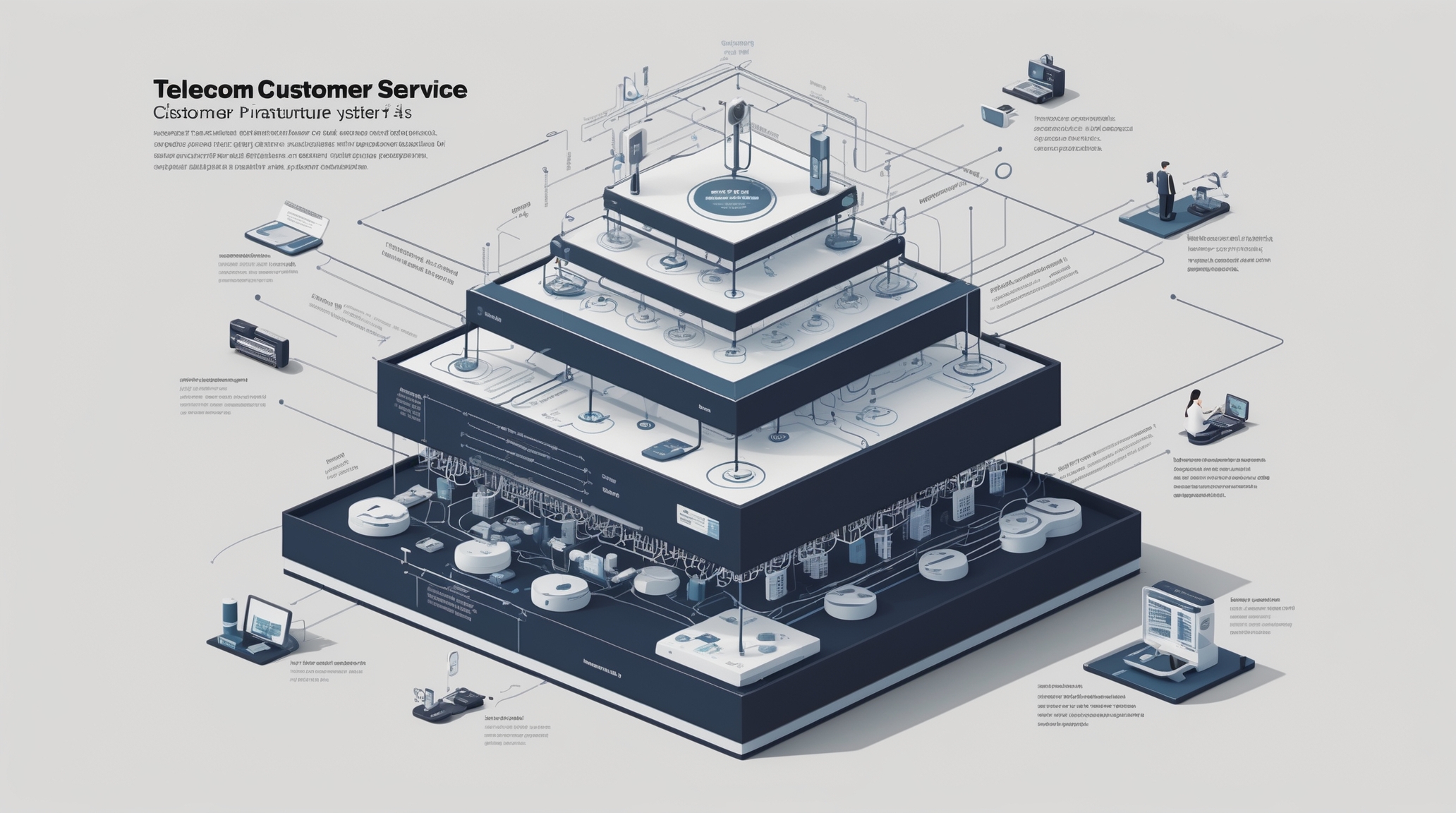
Case Study - Telecom Customer Service

If you have ever tried to get help from a telecom company, you know. The hold times. The transfers. The agents who cannot solve your problem. The promises that are not kept. The bills that are wrong. The service that does not work. And the sinking feeling that no matter what you do, nothing will change. Because the company does not care. And you cannot leave. Because leaving is too hard.

This is not unique to one company. It is not unique to one country. Telecom customer service is universally terrible. Across providers. Across markets. Across continents. And this is not coincidence. It is structure. The telecom industry is built in a way that makes bad customer service rational. Profitable, even. And understanding why reveals everything we have discussed about the customer service system. All of it. In one industry.

Read more →

Book Feature

The Blueprint: How Britain's System Really Works and What You Can Do About It

The Blueprint

Why do the same political and economic problems repeat decade after decade? This book reveals the deeper machinery behind Britain’s institutions — the incentives, constraints and feedback loops that quietly shape outcomes.

Once you understand the system, you can finally see where real leverage exists.

Explore the Book →

Book Feature

How Systems Thinking Solves Problems That Keep Coming Back

How Systems Thinking Solves Problems That Keep Coming Back

Many problems return again and again because the underlying system is never examined. This book introduces the practical mindset of systems thinking — a way to see incentives, feedback loops and hidden structures shaping outcomes.

Explore the Book →

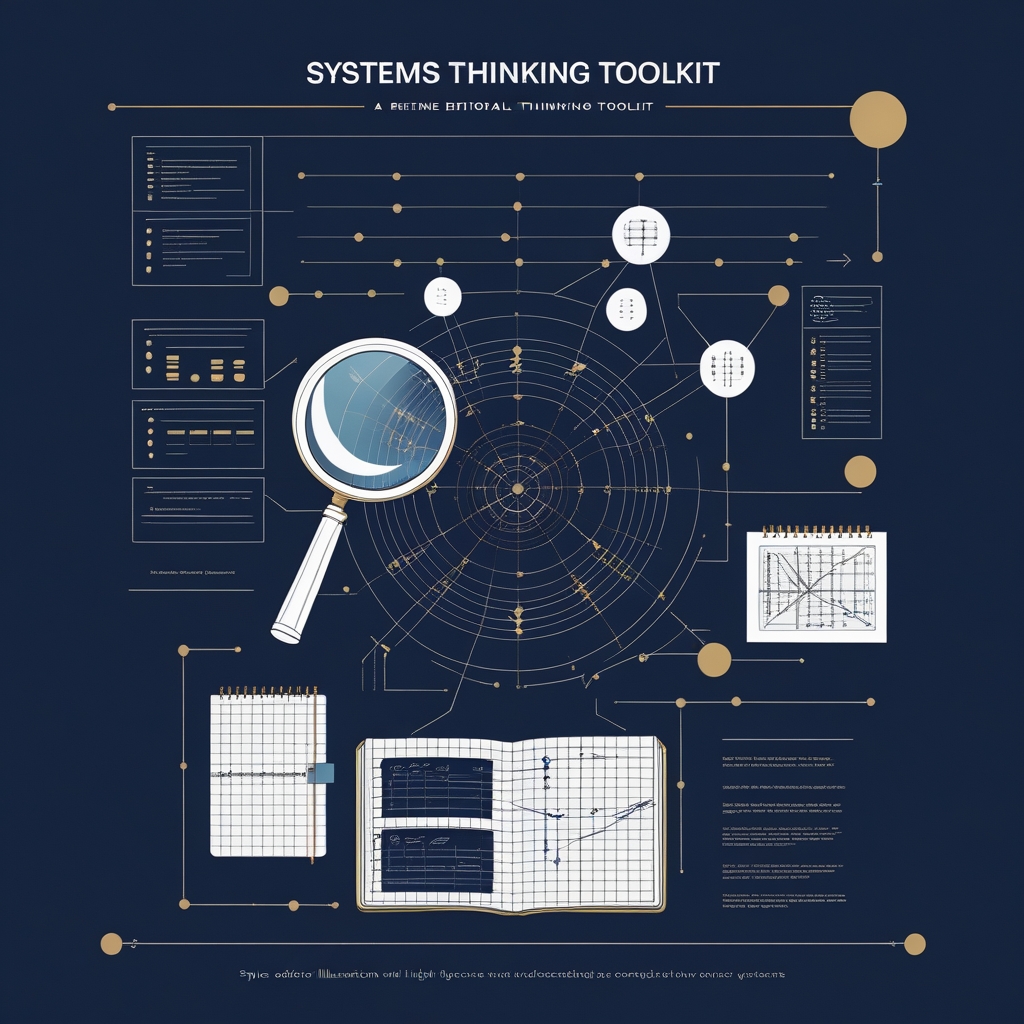
How To Map The System

The Toolkit

The Toolkit

Practical methods to map systems, trace incentives, uncover feedback loops, and identify where real leverage exists. Learn how to analyse any system and understand how it truly works.

Explore the Toolkit →

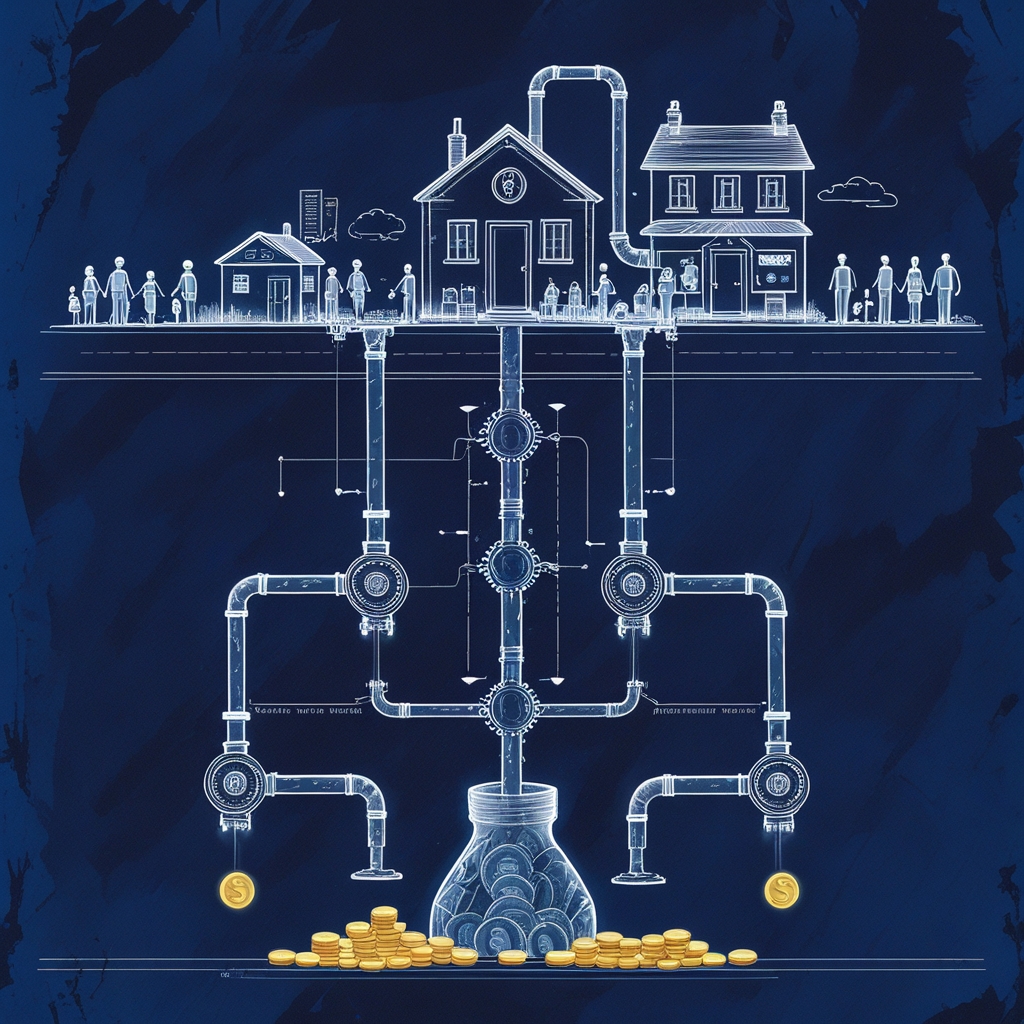
How Money Flows

The Extraction Pattern

The Extraction Pattern

How extraction works across systems — where value is drawn from the many and concentrated toward the few through structure, incentives, and design.

Read the Article →

Books

Explore the Books

  • The Blueprint
  • Understanding Systems Thinking
  • How Systems Thinking Solves Problems That Keep Coming Back
  • The Chain Reaction Effect: Change One Thing, Change Everything
  • Browse Books

Topics

  • Home
  • Start Here
  • Systems
  • Toolkit
  • Fundamentals
  • Deep Dives

Deep Dives

  • The Money System
  • The Customer Service System
  • The UK Housing System
  • The UK Student Loan System
  • The UK Health System
  • The UK Childcare System

Resources

  • Books
  • Videos
  • Toolkit
  • Disclaimer
  • Privacy Policy
  • Contact Us
© 2026 Think On The System | Disclaimer | Privacy Policy