Where Customers Have Leverage
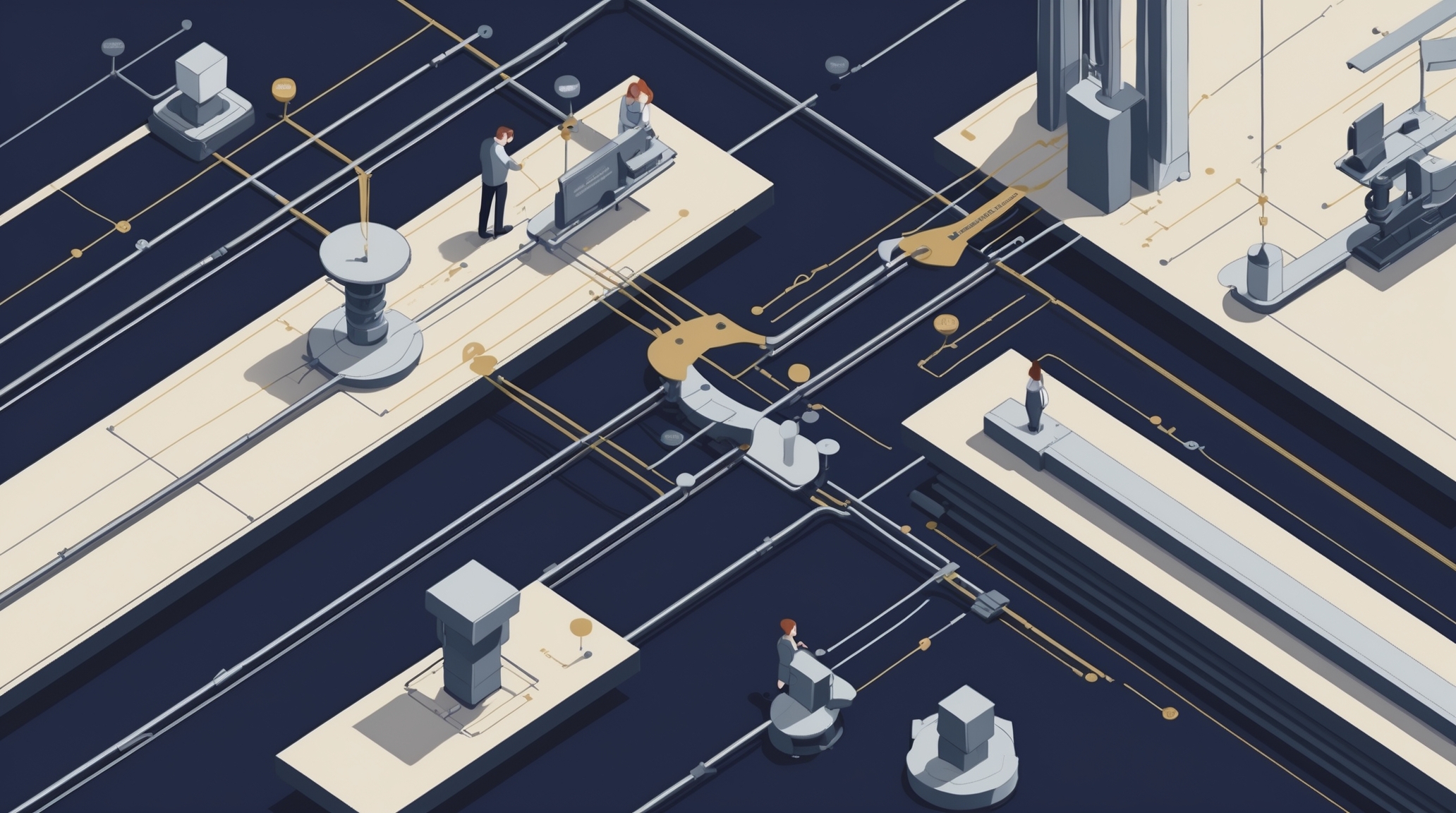
The customer service system is designed to minimize cost. To deflect complaints. To wear you down. And it works. Most of the time. Most customers tolerate bad service. They complain quietly. They give up. They accept whatever solution is easiest for the company to provide. And the system continues. Unchanged. Unaccountable.
But the system is not invincible. There are points where it is vulnerable. Points where pressure works. Where customers, despite being outnumbered and outresourced, can get better outcomes. Not by being louder. Not by being ruder. But by understanding where the company is exposed. Where their interests shift. Where the cost of ignoring you exceeds the cost of helping you.
This is not about winning every battle. You will not. The system is too large. Too entrenched. But you can win some battles. The ones that matter. If you know where to apply pressure. And how.
Let me show you where customers have leverage.
The first point of leverage is public visibility. Companies care about reputation. Not because they are altruistic. But because reputation affects revenue. A viral complaint costs them. Customers see it. Potential customers see it. Investors see it. And all of that creates pressure. Pressure to respond. Pressure to fix. Not because the company suddenly cares about you. But because ignoring you publicly is more expensive than helping you.
This is why social media works. A tweet. A Facebook post. A review on a public platform. These are visible. And visibility creates cost. The company monitors these channels. They have teams whose job is to respond to public complaints. Quickly. Because every hour a complaint sits unanswered is an hour it can spread. Be seen. Be shared. So they respond. Not with a script. With action. They solve the problem. Or they try to. Because solving it publicly signals to everyone else that the company is responsive. Even if, privately, they are not.
But here is the key. The complaint has to be public. A private email does not create pressure. A phone call does not create pressure. Because no one else sees them. But a public post? That is different. That is risk. And companies respond to risk. So if you want leverage, make your complaint visible. Not aggressive. Not abusive. Just visible. State the facts. Explain the problem. Tag the company. And wait. More often than not, they will respond. Because not responding is worse.
The second point of leverage is regulatory complaints. In regulated industries, utilities, telecoms, financial services, airlines, companies are subject to oversight. And regulators track complaints. If a company receives too many, the regulator investigates. Imposes fines. Requires improvements. So companies care about regulatory complaints. Not because they fear individual complaints. But because complaints in aggregate create regulatory risk.
This is why filing a complaint with the regulator works. Not always. But often enough to be worth trying. The process is usually simple. Online. Free. And the company knows that when a complaint is filed with the regulator, it has to respond. Formally. With documentation. And if the regulator sides with you, the company has to fix the problem. Or face penalties.
Companies would prefer you do not know this. They do not advertise the regulator's contact information. They do not mention that you have the right to escalate. Because every complaint that goes to the regulator is a cost. A risk. So they try to resolve it internally. Before you escalate. And if you mention that you are considering filing with the regulator, suddenly, the company becomes more helpful. Because preventing the regulatory complaint is cheaper than dealing with it.
The third point of leverage is payment disputes. If you paid by credit card or debit card, and the company has not delivered what was promised, you can dispute the charge. This is called a chargeback. And chargebacks hurt companies. Not just financially. But operationally. Payment processors track chargeback rates. And if a company has too many, the processor raises fees. Or terminates the relationship. So companies care about chargebacks. A lot.
This is why threatening a chargeback works. You do not even have to file it. Just mentioning it often changes the conversation. Because the company knows that a chargeback is expensive. It costs them the transaction fee. It costs them administrative time. And it counts against their chargeback rate. So they would rather refund you directly. Keep the dispute out of the payment system. And if you have already filed the chargeback, they will often settle. Quickly. To close it.
But use this carefully. Chargebacks are for genuine disputes. Goods not delivered. Services not provided. Unauthorized charges. Not for buyer's remorse. Not for minor issues. The system is designed to protect consumers from fraud. Not to resolve every complaint. So use it when you are entitled to. And it works.
The fourth point of leverage is class actions. When a company wrongs not just you, but thousands of others, a class action lawsuit becomes possible. And class actions terrify companies. Because they are expensive. Legally. Financially. Reputationally. Even if the company wins, the cost is enormous. So companies settle. Often. To avoid the risk.
You, individually, cannot file a class action. But you can join one. If you see that others are experiencing the same problem, search for existing class actions. Law firms advertise them. Websites track them. And joining costs you nothing. The lawyers work on contingency. If they win, they take a percentage. If they lose, you owe nothing. And your participation adds weight. Makes the case stronger. Increases the settlement.
This is collective leverage. One customer complaining is noise. Thousands complaining, in a coordinated legal action, is a threat. And companies respond to threats. Not always by fixing the underlying problem. But by compensating the victims. And compensation, while not justice, is something.
The fifth point of leverage is cancellation. Or the threat of it. Companies care about retention. Because acquiring a new customer is expensive. More expensive than keeping an existing one. So when you call to cancel, you get transferred to the retention team. And the retention team has a budget. Money they can spend to keep you. Discounts. Waived fees. Service upgrades. Things that the regular customer service team cannot offer.
This is why threatening to cancel works. Not because the company values you. But because losing you is more expensive than giving you a discount. The retention team runs the numbers. What does it cost to replace you? What does it cost to keep you? If keeping you is cheaper, they make the offer. And often, the offer is better than what you were getting. Not because you deserve it. But because the economics favor retention.
But here is the key. You have to be credible. If you threaten to cancel but the company knows you are bluffing, they call your bluff. So be prepared to actually cancel. Have an alternative lined up. Know what switching will cost. And be willing to do it. Because the threat only works if it is real.
The sixth point of leverage is persistence. The system is designed to wear you down. Long hold times. Multiple transfers. Ticket delays. All of it is friction. Designed to make you give up. And most people do. They conclude the effort is not worth it. They move on. And the company wins. Not by solving the problem. But by outlasting you.
But persistence works. If you keep calling. Keep escalating. Keep following up. Eventually, the company gives in. Not because they care. But because continuing to fight you is more expensive than just fixing the problem. The agents get tired of seeing your name. The supervisors get tired of the escalations. And someone, eventually, decides it is easier to resolve it than to keep dealing with you.
This is exhausting. And it should not be necessary. But it works. The system assumes you will give up. And when you do not, the system breaks. Because it was not designed to handle someone who refuses to go away.
The seventh point of leverage is collective action. Not legal action. Collective organizing. When enough customers band together, they create pressure. Petitions. Boycotts. Public campaigns. These are visible. They generate media attention. They create reputational risk. And companies respond.
This is rare. It requires coordination. Leadership. Momentum. But when it happens, it works. Think about campaigns that forced companies to change policies. Remove fees. Improve service. Almost all of them involved collective action. Not individual complaints. Because individual complaints are manageable. But thousands of people, organized, vocal, public, that is a problem. And companies solve problems that threaten their bottom line.
The eighth point of leverage is exit. Leaving. If the company is providing bad service and you can switch, do it. Do not threaten. Do not negotiate. Just leave. And when you leave, tell them why. Not because they will care. But because enough exits, for the same reason, create data. Data that eventually reaches someone who matters.
Exit is the ultimate leverage. Because it costs the company revenue. Directly. Immediately. One customer leaving is noise. Thousands leaving is a trend. And trends get noticed. They get reported. They get escalated. And eventually, they get addressed. Not always. But sometimes. And sometimes is better than never.
But exit requires alternatives. If you are trapped, if switching is too costly, exit is not leverage. It is fantasy. So the leverage depends on the market. In competitive markets, exit is powerful. In monopolies, it is not. Know the difference.
The ninth point of leverage is knowing the rules. Companies rely on you not knowing your rights. Not knowing the regulations. Not knowing the terms of service. Because if you do not know, you cannot enforce. But if you know, you have power. The power to cite the rule. To demand compliance. To escalate when they refuse.
Read the terms of service. Know what you are entitled to. Know what the law requires. And when the company denies you something you are entitled to, quote the rule back to them. Reference the clause. Cite the regulation. Most agents do not know the rules in detail. They follow the script. And the script does not cover edge cases. So when you cite the rule, they escalate. And the escalation, often, results in compliance. Because the company does not want to fight a customer who knows the rules. It is easier to just comply.
So here is where customers have leverage. Public visibility creates reputational risk. Regulatory complaints create compliance pressure. Chargebacks create financial and operational cost. Class actions create collective legal threat. Cancellation threats create retention incentives. Persistence exhausts the system. Collective action creates political pressure. Exit creates revenue loss. And knowing the rules creates enforcement power.
None of these are guaranteed. None of them fix the system. But all of them shift the balance. They make it more costly for the company to ignore you than to help you. And that shift is leverage. Not much. But enough. Enough to get your refund. Enough to get your problem solved. Enough to not be the one who absorbs the cost of a broken system.
The final article will show you a real example. An industry where customer service is universally terrible. Where all the forces we have discussed come together. Where the system operates at its worst. And where, despite everything, customers have occasionally won. Not by fixing the system. But by exploiting its weaknesses. And understanding that example will show you, clearly, how the machine works. And where it breaks.