The Incentives - Who Profits From Expensive Childcare
Childcare is expensive. Very expensive. Fifteen thousand pounds per year. Eighteen thousand. More than university. More than many people earn after tax. And parents, paying these fees, struggle. They cut spending elsewhere. They go into debt. They reduce hours. Or one parent stops working. Because childcare costs more than they earn.
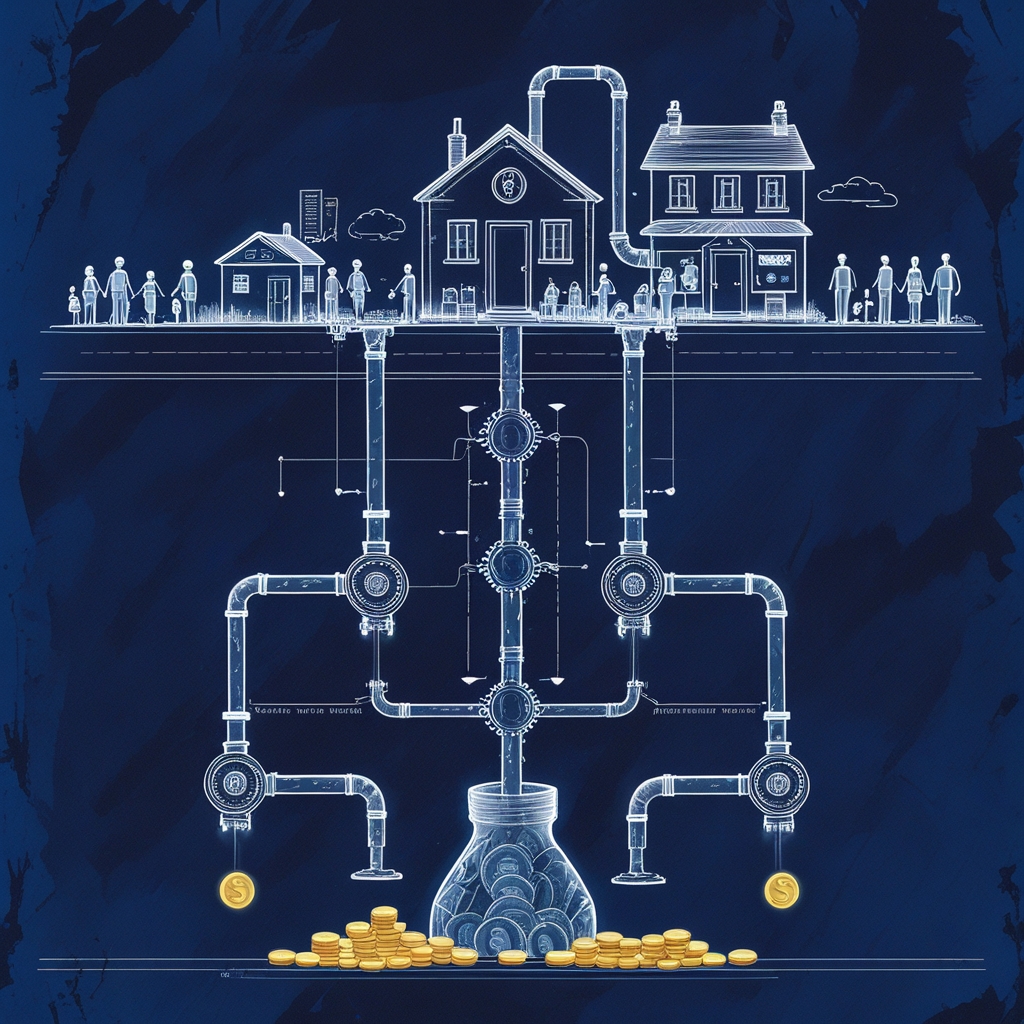
But while parents struggle, someone is profiting. Because the money, fifteen thousand pounds per child per year, is going somewhere. Not to staff. Nursery workers earn minimum wage. Barely above. So the money is not going to them. Not to the people actually providing the care. It is going somewhere else. To someone else. And understanding who profits from expensive childcare is the key to understanding why it stays expensive. Why it does not change. And why parents, despite paying so much, get so little.
Let me show you who profits from expensive UK childcare.
The first beneficiary is large nursery chains. Corporate providers. Companies that own dozens of nurseries. Hundreds, in some cases. Bright Horizons. Busy Bees. Kidsunlimited. These are not small, local providers. They are businesses. With shareholders. With investors. With profit targets. And they operate at scale.
And scale creates profit. Not through quality. Not through efficiency. But through extraction. Large chains negotiate bulk deals. On supplies. On insurance. On food. And they centralize administration. Finance. HR. Marketing. So their per-nursery costs are lower than independent nurseries. And they can undercut. Or they can maintain prices. And pocket the difference.
And large chains optimize ratios. They staff to the regulatory minimum. One adult to three babies. Exactly. Not one to two. Not one to one. The minimum. And they maximize occupancy. Every space filled. Every child paying. No gaps. No voids. Because voids are lost revenue. And lost revenue is unacceptable.
And large chains pay staff poorly. Minimum wage. Or barely above. Because they can. Because staff, needing jobs, accept what is offered. And turnover, high turnover, is tolerated. Because replacing staff is easy. There is always another early years graduate. Desperate for work. Willing to accept low pay. For experience. For a reference. And the chain, replacing staff constantly, maintains low wages. And high profits.
And profits are distributed. To shareholders. To private equity owners. To investors. Not to staff. Not to quality improvements. Not to reducing fees for parents. To shareholders. Through dividends. Through share buybacks. Through capital gains. And those shareholders are often foreign. Overseas investors. Who extract wealth from UK parents. Through childcare fees. And take it out of the country.
The second beneficiary is private equity. Because private equity owns childcare. A lot of it. They buy nursery chains. With debt. Leveraged buyouts. And they load that debt onto the nurseries. The nurseries, not the private equity firm, pay the interest. Service the debt. And the private equity firm extracts. Through management fees. Through dividends. Through selling the chain, years later, at a profit.
And private equity optimizes for profit. Ruthlessly. They cut costs. Freeze wages. Increase fees. Maximize occupancy. And they extract. Every year. Until the chain is hollowed out. Until quality falls. Until parents complain. And then, they sell. To another private equity firm. Or to a corporate buyer. And move on. With their profit. Leaving behind a degraded system. Staff on minimum wage. Parents paying maximum fees. And children in overcrowded, understaffed nurseries.
The third beneficiary is landlords. Because nurseries need premises. And premises cost money. Rent. In cities, high rent. Five thousand pounds per month. Ten thousand. More, in central London. And landlords, owning commercial property, charge market rates. Or above. Because nurseries, needing space, pay. They have no choice.
And landlords do not care about childcare. They care about yield. Return on investment. So they charge what the market will bear. And the market, with constrained supply, with desperate demand, bears high rents. And nurseries, paying high rents, pass the cost on. To parents. Through higher fees.
And here is the perversity. The landlord, providing no care, no service, no value to children, extracts more from the system than the staff who actually care for the children. The landlord earns ten thousand pounds per month. The nursery worker earns two thousand. For doing nothing. For owning. While the worker, caring for vulnerable children, earns barely enough to live.
The fourth beneficiary is suppliers. Companies that sell to nurseries. Food. Nappies. Toys. Furniture. Cleaning supplies. All marked up. Because nurseries are captive customers. They need these things. And suppliers, knowing this, charge premium prices. Not because the products are better. But because they can.
And nurseries, busy, under-resourced, do not shop around. Do not negotiate. They order from approved suppliers. Suppliers with contracts. With relationships. And those suppliers charge. And nurseries pay. And parents, ultimately, pay. Through higher fees.
The fifth beneficiary is Ofsted. Not directly. Ofsted does not profit. It is a government body. But Ofsted creates costs. Inspection fees. Compliance costs. Training costs. And those costs are borne by nurseries. And passed on. To parents.
And Ofsted creates demand. For consultants. For trainers. For compliance services. Because nurseries, wanting good ratings, hire help. Hire consultants to prepare for inspections. Hire trainers to upskill staff. And these consultants charge. Hundreds. Thousands. For advice. For training. For paperwork. And nurseries pay. Because a good Ofsted rating attracts parents. And parents mean revenue.
So Ofsted, while not profiting directly, creates a compliance industry. An industry that profits from regulation. From inspection. From the fear of failure. And that industry extracts. From nurseries. From parents. Through fees.
The sixth beneficiary is the government. Through tax. VAT is not charged on childcare. Childcare is exempt. But nurseries pay business rates. Pay employer National Insurance. Pay corporation tax, if profitable. And the government collects. Millions. Tens of millions. Collectively. From the childcare sector.
And the government benefits from childcare being expensive. Because expensive childcare keeps one parent at home. Usually the mother. And that parent, not working, not earning, does not need childcare for other children. Does not need state support. Does not claim benefits. Or claims less. So the government saves. On childcare subsidies. On benefits. On support.
And the government benefits from women staying home. Because women staying home reduces unemployment figures. Reduces demand for jobs. Reduces pressure on wages. And maintains traditional gender roles. Which some in government prefer. Ideologically.
So the government, while claiming to support working parents, benefits from childcare being unaffordable. Because unaffordable childcare keeps mothers at home. Reduces state costs. And maintains the status quo.
The seventh beneficiary is employers. Particularly employers in low-paying sectors. Retail. Hospitality. Care. Because expensive childcare suppresses wages. How? Because parents, paying childcare, need income. Desperately. So they accept low wages. Accept poor conditions. Accept insecure contracts. Because they cannot afford not to work. Cannot afford to be unemployed. Even temporarily.
And employers know this. They know parents are trapped. Need the job. Need the income. To pay childcare. So they can offer less. Pay less. And parents accept. Because the alternative is stopping work. And stopping work means losing more than the low wage. It means losing childcare. Losing the ability to work in future. Losing career progression.
So expensive childcare creates a captive workforce. Desperate. Compliant. Willing to accept low pay. And employers, benefiting from that desperation, have no incentive to see childcare become affordable. Because affordable childcare would give workers options. Leverage. And employers would have to pay more. Offer better conditions. To retain staff.
The eighth beneficiary is grandparents who can afford to retire early. This sounds strange. But hear me out. Expensive childcare creates demand. For informal care. For grandparents. And grandparents, who can afford to retire early, step in. Provide care. For free. Or for token payment. And this gives them purpose. Connection. Relationship with grandchildren.
But this benefit is class-based. Because only grandparents who can afford to retire early can provide care. Wealthier grandparents. With pensions. With savings. With paid-off mortgages. They retire at sixty. At fifty-five. And provide care. And their children, the parents, save thousands. By not paying for childcare.
But working-class grandparents cannot retire early. They need to work. To seventy. Beyond. Because they have no pension. No savings. So they cannot provide care. And their children, the parents, pay full childcare fees. Fifteen thousand per year. Eighteen thousand. And the gap, between families who have grandparent care and families who do not, widens. Wealth concentrates. Across generations.
The ninth beneficiary is the middle class. Who can afford childcare. Just. And who use it. To maintain dual incomes. To maintain careers. To maintain living standards. And expensive childcare, while painful, is bearable. For them. Because they earn enough. Forty thousand. Fifty thousand. Sixty thousand. Combined. So fifteen thousand per year for childcare is affordable. Barely. But affordable.
And expensive childcare excludes the working class. Who cannot afford it. Who earn thirty thousand combined. Or less. For whom fifteen thousand per year is impossible. So they do not work. Or one parent does not. And they fall behind. Economically. Socially. Professionally. And the gap, between middle class and working class, widens.
So expensive childcare is a filter. A class filter. That maintains advantage. For those who can afford it. And excludes those who cannot. And the middle class, benefiting from this, has no incentive to see childcare become affordable. Because affordable childcare would level the field. Would allow working-class parents to work. To compete. To advance. And the middle class, consciously or not, prefers the advantage.
The tenth beneficiary is men. This sounds harsh. But it is structural. Expensive childcare reinforces traditional gender roles. Because when childcare costs more than one parent earns, that parent stops working. And that parent is almost always the mother. Because women, on average, earn less than men. So the financial calculation, cold and rational, is that the woman stops working. The man continues.
And this suits some men. Not all. But some. Because it maintains their role. As breadwinner. As primary earner. And reduces pressure on them. To share domestic work. To share childcare. To take parental leave. Because the woman is at home. Full-time. So she does it. The housework. The childcare. The emotional labor. And the man works. And earns. And maintains status.
So expensive childcare, by pushing women out of work, maintains patriarchal structures. And men, benefiting from those structures, have no incentive to see childcare become affordable. Because affordable childcare would allow women to work. To earn. To share breadwinning. And would create pressure on men. To share caring. And some men resist that.
So here is who profits from expensive UK childcare. Large nursery chains extracting profit for shareholders. Private equity loading debt and extracting fees. Landlords charging high rents. Suppliers marking up essentials. The Ofsted compliance industry billing for inspections and training. The government collecting tax and saving on benefits by keeping mothers at home. Employers suppressing wages through worker desperation. Wealthy grandparents who can retire early and provide free care. The middle class maintaining class advantage through affordability. And men maintaining traditional gender roles by keeping women at home.
Notice who is not on that list. Parents. Children. Nursery staff. The people who need care. The people who provide care. They do not profit. They pay. Parents pay through unaffordable fees. Children pay through understaffed, overcrowded nurseries. Staff pay through poverty wages. And the system, extracting from all of them, enriches everyone else.
The system is not broken. It is working. Exactly as designed. To extract maximum fees from parents. To pay minimum wages to staff. To generate profit for owners. To maintain class divisions. To reinforce gender roles. And to keep those who benefit in power. While those who suffer, parents, children, staff, have none.
The next article will show you the feedback loops that keep childcare expensive. That ensure fees rise faster than wages. That ensure supply never meets demand. That ensure staff leave and are replaced by cheaper staff. Because the system is not just expensive. It is getting more expensive. Every year. And understanding the loops is the key to understanding why.