Why It Persists: Serving Capital, Not Workers
The Uber system continues despite widespread recognition of worker exploitation, court rulings confirming employment rights violations, and growing public awareness of the human costs. Understanding why it persists reveals the political and economic forces that overcome individual grievances and resist genuine reform. The system serves powerful interests while costs fall on people with least power to demand change.
Capital's Labor Problem and the Platform Solution
Traditional employment creates obligations capital seeks to avoid. Workers have legal rights, expect steady wages, receive benefits, and can organize collectively. These constrain capital's ability to treat labor as purely variable cost adjusting instantly to demand. Uber's model solves this problem by converting employment into contracting.
Platform intermediation allows claiming neutrality between workers and customers. Uber maintains it is technology connecting willing parties not an employer with obligations. This legal fiction, though increasingly rejected by courts, provides years of operation avoiding employment costs while litigation proceeds through slow judicial processes.
Treating drivers as independent contractors shifts all business risk to workers. Demand fluctuations, vehicle depreciation, insurance costs, fuel price volatility, all fall on drivers. Uber's costs remain largely fixed regardless of ride volume or driver earnings. This risk transfer is valuable to capital seeking to maximize returns while minimizing exposure to business cycle uncertainty.
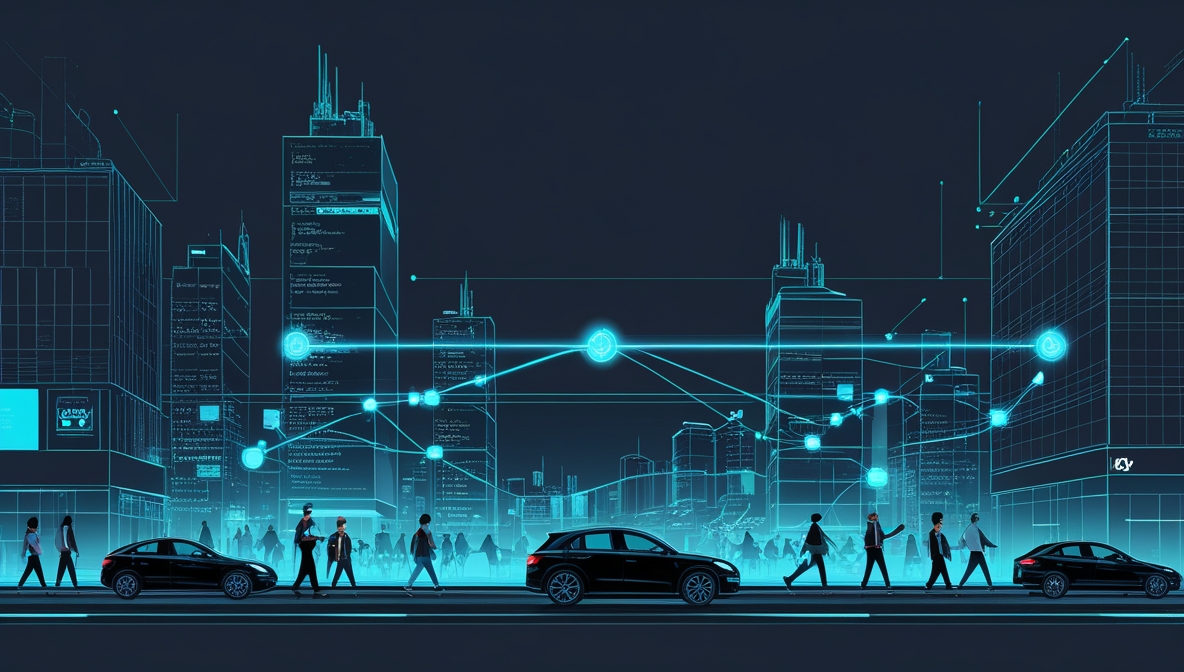
Algorithmic management replaces human supervision while maintaining control. Uber directs driver behavior through ratings, acceptance requirements, and algorithm prioritization without employing managers. This creates efficiency gains capital values while obscuring the employment relationship that would trigger legal obligations.
The model demonstrates that workers can be controlled without being employed. This lesson encourages other companies to adopt similar structures. Food delivery, package delivery, care work, freelance services, all increasingly operate through platforms claiming to facilitate independent contractors while exercising employer-like control. Uber's precedent expands precarious work throughout the economy.
Capital gains from maintaining the fiction even after court rulings reject it. Litigation takes years. Appeals delay implementation. Even definitive legal defeats do not immediately change how the business operates. Enforcement requires individual drivers pursuing claims. Meanwhile Uber continues benefiting from the structure courts condemned. Persistence through legal resistance serves capital interests.
The Venture Capital Monopoly Strategy
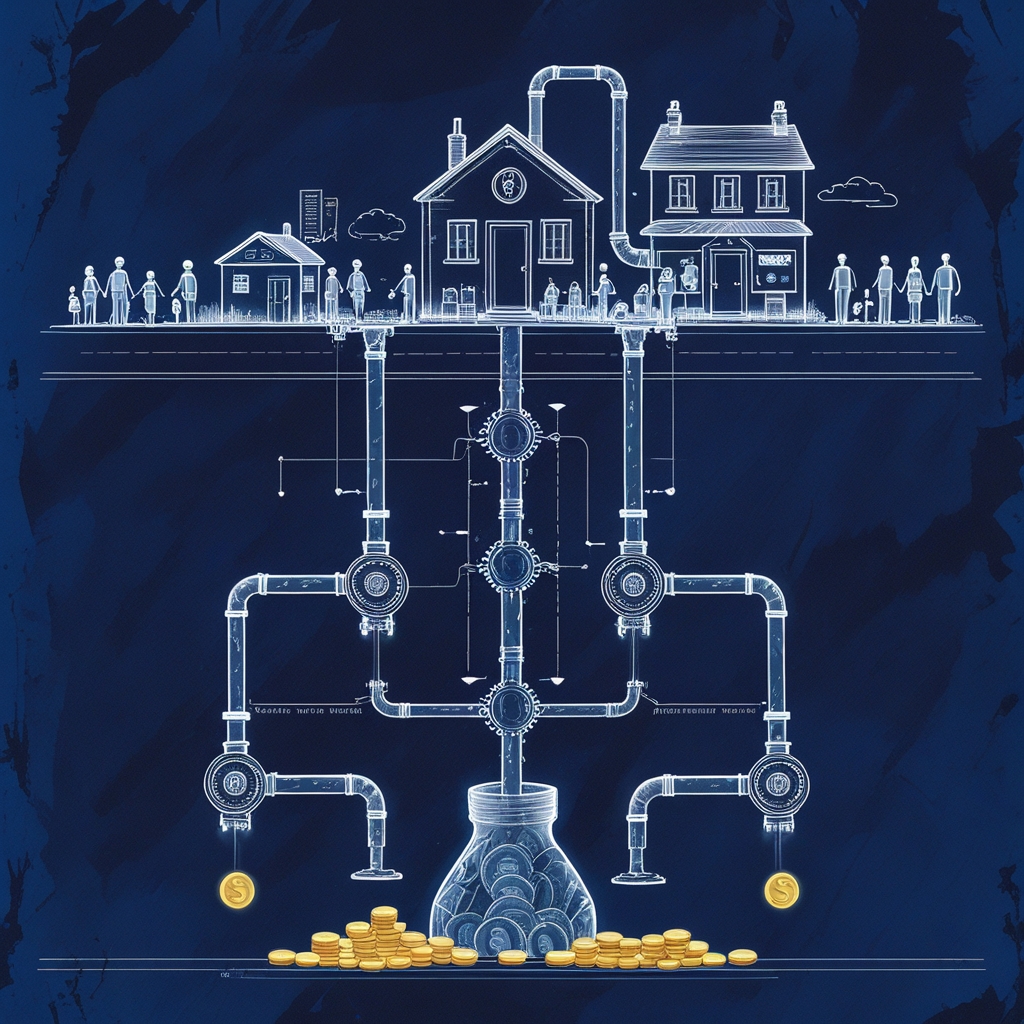
Uber's business model has never been profitable on a conventional basis. The company loses billions annually. But venture capital funding is not seeking traditional profitability. The goal is monopoly power allowing eventual extraction of rents far exceeding the losses sustained during competition elimination.
Amazon demonstrated this strategy successfully. Operate at losses for years to destroy competition. Achieve market dominance. Raise prices and extract monopoly rents indefinitely. Investors who funded the loss years profit enormously when monopoly position materializes. Uber follows this playbook expecting similar results.
Subsidizing rides below cost kills competition nobody else can match. Traditional taxi companies operating at breakeven cannot compete with venture capital funded losses. They fail and exit. New competitors face insurmountable barriers entering markets where Uber has established network effects through years of subsidized growth.
The strategy requires patient capital willing to sustain losses indefinitely. Venture funds and public market investors holding Uber shares accept ongoing losses betting that monopoly will eventually arrive. Traditional financial analysis would reject a business losing billions annually. But platform economics and monopoly strategy justify this in modern capital allocation logic.
Drivers are temporary necessary costs in this model. Uber needs drivers during the growth and competition elimination phases. But autonomous vehicles are the ultimate goal where capital captures all value without sharing with labor. Drivers working today are building the data and market position that will eliminate their future employment while receiving no stake in the autonomous future they create.
The monopoly remains valuable even if profitability never arrives. Uber's IPO allowed early investors to cash out at valuations reflecting monopoly potential rather than actual financial performance. Later investors hold shares hoping profitability eventually materializes. Meanwhile the business operates transferring wealth from drivers and riders to shareholders betting on monopoly power.
Government Employment Statistics Benefits
Gig economy workers count as self-employed in official statistics. This improves unemployment numbers without creating jobs with security or decent pay. Government can claim employment is rising and the economy is strong while ignoring that much of the new "employment" is precarious gig work earning below minimum wage.
Classifying drivers as self-employed shifts the political narrative around work and unemployment. Traditional unemployment requiring government support for job creation becomes individual failure to find gig work that is always theoretically available. This absolves government of responsibility for employment quality while presenting positive statistics.
Tax revenue from Uber and drivers provides some fiscal benefit though less than traditional employment would generate. Uber structures operations to minimize UK tax liability. Drivers pay income tax and VAT but self-employment means no employer national insurance contributions. Total tax collection is lower than equivalent employment relationships would produce but positive statistics help justify light-touch regulation.
Externalizing costs to the state allows Uber to operate at lower costs while public systems absorb the consequences. Drivers earning below minimum wage may qualify for working tax credits effectively subsidizing Uber's inadequate pay. Drivers without sick pay who cannot work claim benefits when ill. Drivers without pensions face old-age poverty requiring state support. Uber's business model depends on these externalities.
Political will to address driver exploitation faces resistance from voters who benefit from subsidized rides. Cheap Uber transport is popular. Restricting Uber to force employment law compliance would raise prices riders oppose. Politicians face pressure to maintain access to cheap transport even when delivery depends on worker exploitation. Electoral calculations favor allowing abuse to continue.
The Innovation Narrative Shield
Uber frames itself as technology and innovation rather than transportation and employment. This narrative creates political cover for allowing practices that would be unacceptable from traditional businesses. Restricting Uber gets characterized as opposition to innovation and progress rather than worker protection.
Silicon Valley mythology presents platform companies as disruptors improving outdated industries. Traditional taxi companies are portrayed as inefficient monopolies protected by regulation. Uber is the innovative challenger bringing efficiency and consumer benefit. This framing ignores that Uber's "efficiency" comes from avoiding costs traditional companies must bear.
The innovation narrative treats worker exploitation as temporary disruption on the path to superior future. Drivers may earn inadequately now but this is justified by the greater efficiency and service quality innovation ultimately delivers. This logic excuses present harm while promising future benefits that may never materialize or may flow entirely to capital rather than labor.
Technological determinism suggests platforms are inevitable and resistance is futile. "This is the future of work" becomes an excuse for accepting conditions that would be unacceptable if presented honestly. Workers are told to adapt to change rather than demanding change preserve labor protections and decent wages.
Politicians resist being portrayed as anti-innovation or anti-technology. Supporting driver employment rights risks being characterized as Luddite opposition to progress. This creates political asymmetry where Uber's framing advantages override worker protection in policy debates. The innovation narrative succeeds in making exploitation seem like inevitable modernization.
Regulatory Capture and Lobbying
Uber spends heavily on lobbying and political influence. The company employs former politicians, makes campaign donations, and funds advocacy organizations promoting light-touch platform regulation. This investment shapes policy in ways that serve Uber's interests more than driver or public welfare.
Regulators often lack resources and expertise to match platform company legal and lobbying capacity. Uber hires expensive law firms and regulatory experts. Transport for London or other regulators face budget constraints limiting their ability to challenge well-funded opposition. This asymmetry allows Uber to outlast regulatory challenges through superior resources.
Uber mobilizes riders as political constituency supporting the company. When regulations threaten Uber's operations, the company sends notifications to riders warning service may end and encouraging them to contact politicians opposing regulation. This creates political pressure from voters wanting cheap convenient transport making it harder for politicians to support restrictions.
Regulatory complexity across jurisdictions makes comprehensive oversight difficult. Uber operates nationally and internationally while regulation happens primarily at city or regional level. Playing regulators against each other and threatening to exit jurisdictions with stricter rules creates races to the bottom where regions compete to attract Uber through permissive regulation.
Some regulations have been captured to serve Uber's interests while appearing to protect drivers. Requirements that look meaningful may be crafted to impose minimal actual constraints. Consultations may give driver advocates voice while predetermined outcomes favorable to Uber proceed regardless. The appearance of regulatory response without genuine reform serves political purposes while preserving extraction.
The Consumer Subsidy Lock-In
Riders enjoy subsidized prices below the cost of service provision. Venture capital funding makes this possible initially. Once riders become accustomed to cheap convenient transport, raising prices to sustainable levels or imposing regulations that increase costs faces consumer backlash.
The subsidy period creates expectations of permanent low prices. Riders do not recognize that current prices are deliberately below cost to destroy competition. They believe this is the natural efficient price and resist increases. This makes it politically difficult to regulate Uber in ways that would raise costs and prices to levels covering fair driver pay.
Convenience and immediacy of service make riders dependent on platform. Having become accustomed to summoning rides through an app with minutes of wait time, riders resist returning to previous transport modes requiring more planning and time. This dependency creates political constituency opposing anything that might reduce service availability.
Riders often do not connect cheap rides to driver exploitation. The platform intermediation obscures the relationship between rider prices and driver earnings. Riders see the service as technology rather than labor. This makes it easier to ignore the human cost of cheap transport and resist policies that would raise prices to pay drivers fairly.
Alternative transport options have been destroyed during the subsidy period. Traditional taxis failed when they could not compete with venture capital funded losses. Bus services faced reduced ridership as Uber captured journeys. When Uber eventually raises prices, alternatives may no longer exist leaving riders with little choice but to accept monopoly pricing.
Academic and Policy Discourse Complexity
Economic literature provides arguments both supporting and opposing platform regulation. Scholars emphasizing efficiency and consumer welfare defend light regulation allowing platforms to operate freely. Those focusing on labor rights and inequality argue for strict employment law enforcement. Policy makers can select evidence supporting predetermined positions.
The complexity of platform economics allows obfuscation and delay. Debates about whether Uber is a technology company or transport provider, whether drivers are workers or contractors, whether network effects create natural monopoly, all take years to resolve through research and legal proceedings. Meanwhile Uber operates under favorable assumptions while scholarly disputes continue.
International variation in regulatory approaches creates evidence supporting any position. California's Proposition 22 exempting gig workers from employment law can be cited as democratic legitimation of platform model. UK Supreme Court ruling that drivers are workers provides contrary precedent. Policy makers select examples supporting their preferred approach.
The precariat growth and future of work discussions frame gig economy as inevitable adaptation to technological change. Rather than seeing platforms as business choices avoiding employment law, discourse presents them as responses to fundamental economic shifts. This framing makes resistance seem futile and acceptance seem necessary.
Uber funds research and policy organizations promoting platform-friendly conclusions. Sponsored studies emphasizing driver satisfaction with flexibility and consumer benefits from innovation get publicity while critical research receives less attention. This shapes policy discourse in ways favorable to continuing current arrangements.
The system persists because it serves capital seeking to avoid employment obligations, venture capital pursuing monopoly returns, government wanting improved employment statistics, consumers enjoying subsidized transport, and political narratives framing exploitation as innovation. Driver interests opposing these powerful forces struggle to overcome the aligned incentives maintaining extraction. Until political costs of allowing Uber's model to continue exceed benefits to powerful constituencies, the system will persist trapping drivers in precarious low-wage work while enriching platform owners and investors. Reform requires building political pressure that makes maintaining exploitation more costly than ending it. This demands driver organizing, public awareness, political mobilization, and regulatory willingness to enforce employment law regardless of industry lobbying and innovation narrative.