Conclusion: Employment Disguised as Entrepreneurship
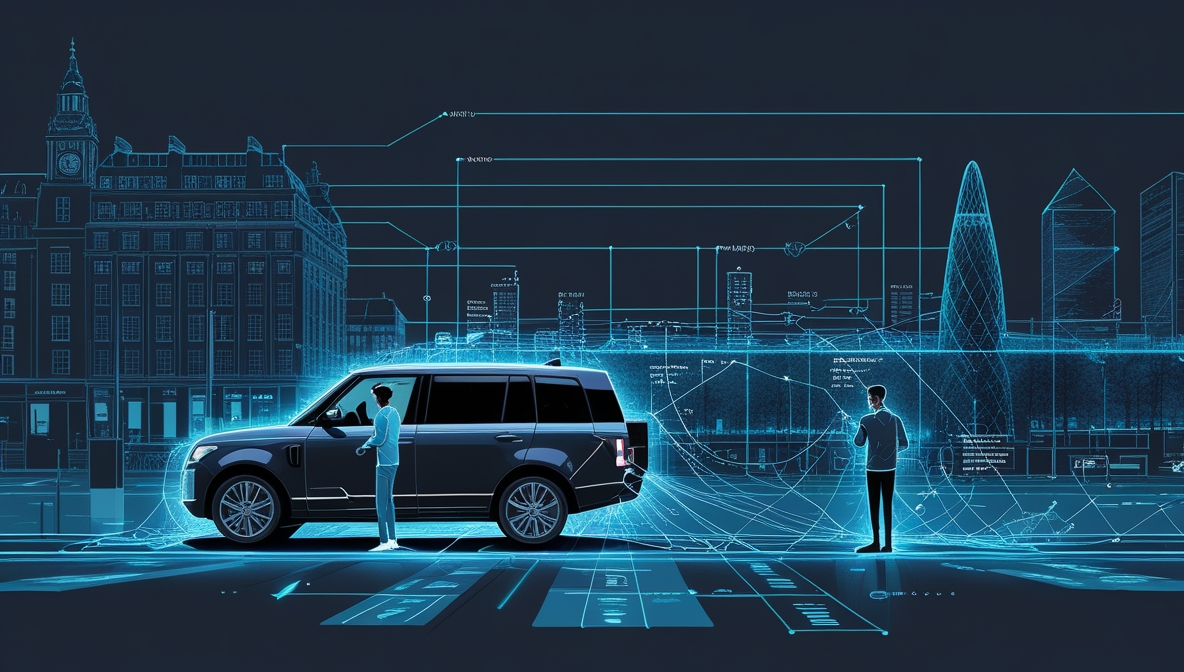
Uber presents itself as technology enabling independent business owners to connect with customers. This framing positions drivers as entrepreneurs benefiting from platform innovation and choosing freedom over traditional employment constraints. The reality is employment without protections, subordination without rights, and extraction disguised as opportunity.
Seventy thousand UK drivers work for Uber earning below minimum wage after costs while being told they are running independent businesses. They cannot set prices, choose customers, or negotiate terms. Uber controls every aspect of the work relationship while avoiding every obligation of employment. This is not innovation. This is regulatory arbitrage converting employment into contracting to avoid costs capital prefers not to bear.
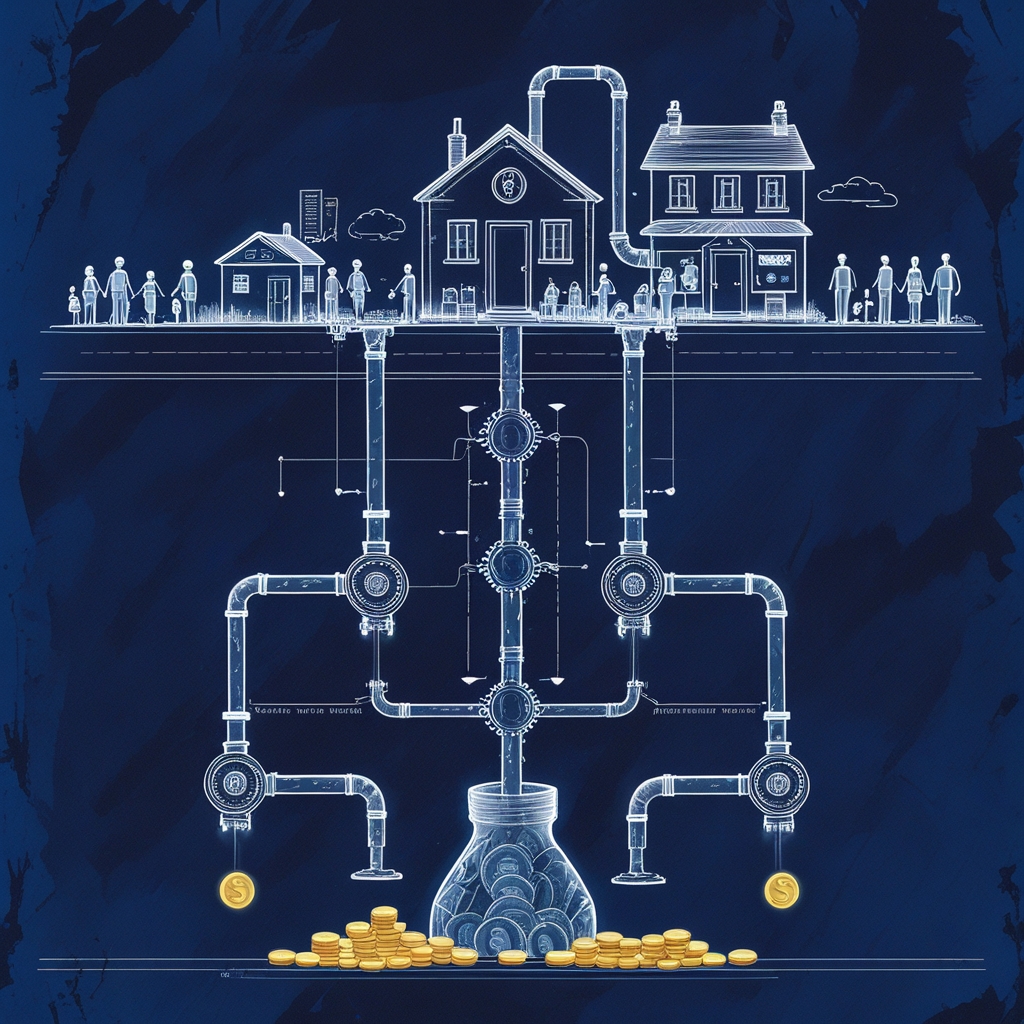
The machine operates through algorithmic dispatch controlling driver access to work, commission structures extracting disproportionate value, dynamic pricing benefiting Uber more than drivers, independent contractor classification denying employment rights, rating systems enforcing compliance through customer judgment, data extraction capturing value drivers create, and unpaid waiting time providing service quality Uber markets without compensating drivers who provide it. These mechanisms work together extracting maximum value while distributing all costs and risks to drivers.
Who profits reveals why the system persists. Uber generates billions from commissions without owning vehicles or employing drivers. Venture capital funds losses until monopoly position allows eventual extraction of rents. Drivers bear all business risk while earning below minimum wage. Traditional taxis are destroyed by subsidized competition they cannot match. Government gains improved employment statistics without creating actual decent jobs. Riders receive temporarily subsidized transport before monopoly prices emerge. Society experiences normalized precarity and accelerated wealth concentration.
Feedback loops ensure drivers fall further behind over time. Network effects lock drivers into platforms with most rides. Algorithms suppress wages as competition increases. Asset depreciation traps drivers in debt-financed work. Unpaid time extracts value while providing service responsiveness. Skills and experience provide no advantage when anyone can drive. Regulatory arbitrage persists through court appeals and enforcement difficulties. Collective action faces obstacles of isolation, turnover, and financial precarity the business model creates.
The system persists because it serves capital seeking to avoid employment obligations, venture capital pursuing monopoly returns, government wanting employment statistics improvement, consumers enjoying subsidized transport, and political narratives framing exploitation as innovation. Driver interests opposing these aligned forces struggle to overcome incentives maintaining extraction. Uber's model demonstrates to other industries that workers can be controlled without being employed and labor can be treated as purely variable cost without protections.
Legal victories confirming drivers are workers entitled to minimum wage and holiday pay do not automatically change how the system operates. Uber resists implementation, appeals decisions, and creates procedural obstacles making enforcement difficult. Years after Supreme Court defeat, many drivers still have not received full minimum wage owed. Legal rights mean little without enforcement capacity and political will to make platforms comply with court rulings.
Collective action through strikes and organizing can create pressure producing concessions. But sustaining organizing faces significant challenges. High driver turnover requires constant recruitment of new members. Drivers struggling financially cannot easily spare time for unpaid organizing. Platform design isolates drivers preventing the workplace relationships that facilitate union formation. Uber can target organizers for deactivation or algorithm penalties. Building lasting organizing structures requires overcoming these obstacles deliberately created to prevent collective resistance.
Platform cooperatives demonstrate worker ownership is possible. But scaling to compete with Uber's network effects and venture capital resources requires government support, foundation funding, or other resources unlikely to emerge from voluntary worker cooperation. Alternative models can operate but cannot displace extraction platforms without policy interventions creating level playing field.
Uber should be regulated as the employer it is despite contractual fictions claiming otherwise. Drivers should receive minimum wage for all hours worked including waiting time. Holiday pay, sick pay, and pension contributions should be provided. Collective bargaining rights should be recognized. The independent contractor classification should be rejected by regulators as the evasion of employment law it represents.
Until political costs of allowing Uber's model to continue exceed benefits to powerful constituencies, the system will persist. This requires sustained organizing pressure, public awareness campaigns, political mobilization, and regulatory enforcement making extraction more expensive than compliance. Drivers individually cannot fix the system. Collectively through unions, legal challenges, strikes, and political action, drivers can build the pressure needed to force change.
The promise was entrepreneurship, flexibility, and good income. The reality is subordination, precarity, and poverty wages. Employment law exists to prevent exploitation. Uber's business model succeeds by evading that law while maintaining employer-like control. This should not be permitted to continue. The innovation is not technology connecting riders and drivers. The innovation is legal fiction allowing employment without obligations. Recognizing this is first step toward demanding the genuine reform that forces platforms to provide the employment rights and fair pay drivers are entitled to receive.