The Machine: How the Uber System Works
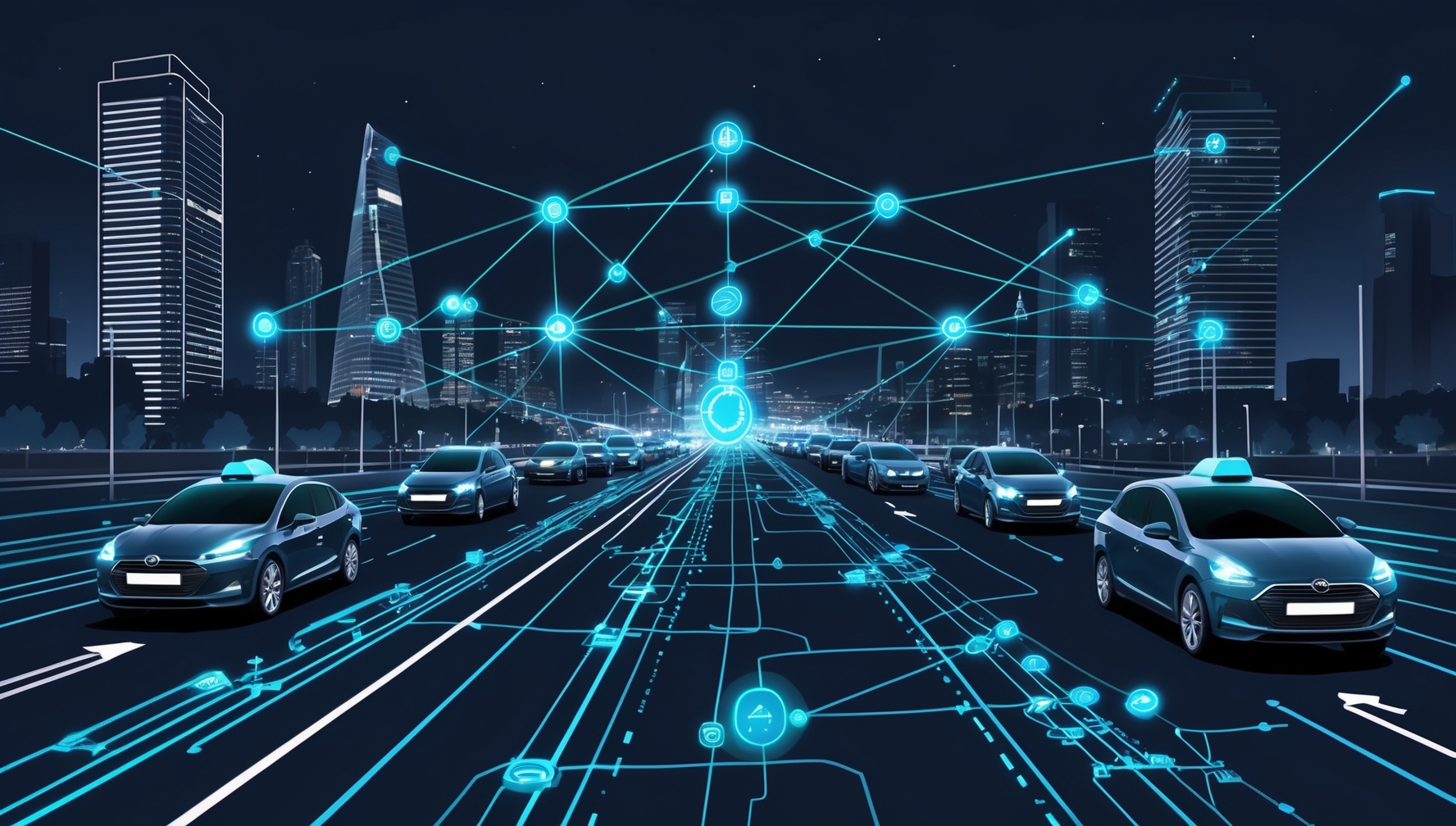
Uber operates through mechanisms that concentrate control and extract wealth while distributing costs and risks. Understanding these mechanisms reveals how the system enriches Uber and its investors while impoverishing drivers who provide the actual service. The machine has several interconnected components working together to create and maintain extraction.
Algorithmic Dispatch and Control
"Uber controls driver labor through algorithmic dispatch that determines who gets rides, when, and at what price. While drivers can now see trip details before accepting in many markets, this access is conditional on maintaining high acceptance rates. Drivers who decline too many rides receive less information about future trips, effectively punishing selective acceptance. Drivers still cannot set their own prices or negotiate fares. The algorithm makes these decisions optimizing for Uber's revenue, not driver income."
The app assigns rides to drivers based on criteria Uber does not fully disclose. Proximity to riders matters but acceptance rate, cancellation rate, and driver rating also influence dispatch. Drivers who decline rides too often receive fewer future offers. Those with lower ratings from riders face reduced access to the most profitable rides. This creates pressure to accept every ride regardless of destination, distance, or profitability to the driver.
Drivers cannot negotiate fares or refuse unprofitable rides without algorithmic punishment. A driver recognizing that a long trip to a suburb with no return fares available will lose money still faces pressure to accept because declining harms their access to future rides. Uber extracts compliance through
control of the dispatch algorithm that functions as invisible management.
The app tracks driver location, speed, and route continuously. Uber monitors whether drivers follow suggested routes, penalizing deviations even when drivers know faster alternatives. This surveillance creates real-time management without human managers. Drivers work under constant monitoring while Uber maintains legal fiction that drivers are independent contractors free to work however they choose.
Uber can deactivate drivers without notice or explanation. Falling below threshold ratings, receiving customer complaints, or violating terms of service as Uber interprets them can result in immediate termination of platform access. Drivers lose their income source overnight with no appeal process, no employment tribunal rights, and no protection against arbitrary decisions. This power ensures compliance with Uber's demands even when those demands conflict with drivers earning decent income.
The Commission Structure
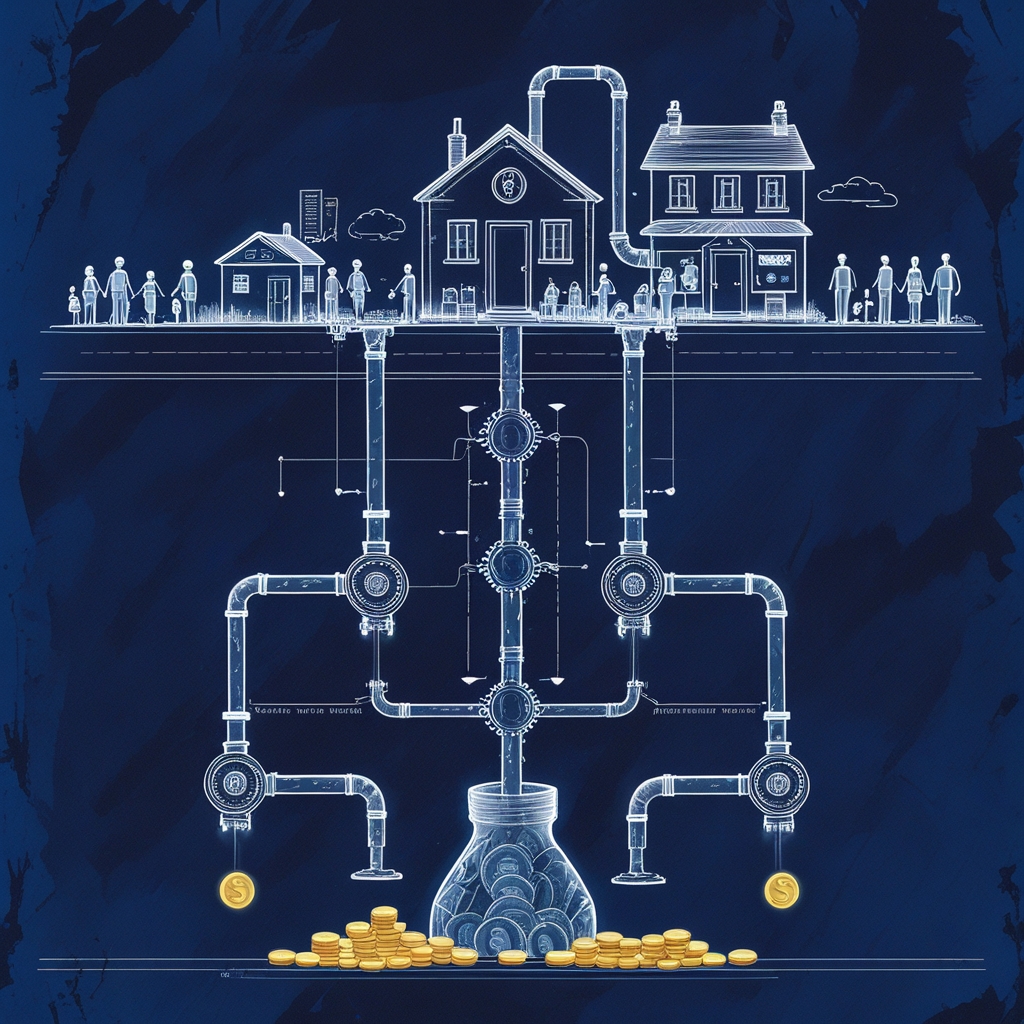
Uber takes twenty to twenty-five percent commission on every fare. This percentage seems reasonable until you recognize drivers bear one hundred percent of vehicle costs, fuel, insurance, maintenance, and depreciation. Uber contributes no capital, owns no assets, employs no drivers, yet captures a quarter of revenue while drivers absorb all costs and risks.
Commission rates can change. Uber has increased percentages over time and varies rates by city, time, and driver. New drivers sometimes receive lower commission rates temporarily as recruitment incentives. Established drivers pay higher rates. Dynamic commission based on demand or location extracts more from drivers during busy periods when they might otherwise earn better income.
Service fees and booking fees create additional extraction beyond stated commission. Riders pay Uber service fees separate from driver fare. Some of this goes to Uber, not drivers. The opacity of fee structures makes it difficult for drivers to calculate their actual take-home percentage. Uber benefits from this complexity while drivers cannot easily determine whether they are being paid fairly.
Uber captures all rider payment information and controls disbursement to drivers. Drivers never interact with rider payment directly. Uber processes all transactions, takes its commission and fees, and transfers remaining amounts to drivers on Uber's schedule. This control over payment flows gives Uber power drivers cannot match. Drivers depend entirely on Uber's payment systems and have no alternative revenue channels for rides arranged through the platform.
Dynamic Pricing and Surge
Surge pricing increases fares during high demand periods. Uber frames this as simple supply and demand economics encouraging more drivers to work during busy times. But surge pricing asymmetry benefits Uber more than drivers because Uber's commission percentage applies to the higher surge fare, extracting more from each ride without bearing any additional cost.
When a ten pound fare surges to twenty pounds, Uber's commission doubles from two pounds to four pounds while driver costs do not change. The driver gets an extra eight pounds but works no harder and incurs no extra expense. Uber gets an extra two pounds of pure profit. Over thousands of surge rides, Uber captures surge premium disproportionately while drivers see modest income increases that do not reflect the surge multiplier customers pay.
Surge pricing is opaque and arbitrary. Drivers cannot predict when surge will activate, how long it will last, or what multiplier will apply. Uber controls these variables through algorithmic decisions drivers cannot influence. Drivers rushing to surge areas often arrive as surge ends, having traveled unpaid to reach locations where premium fares no longer exist. Uber benefits from this driver behavior even when individual drivers lose money chasing surge that disappears.
Riders blame drivers for high surge prices despite drivers having no control over pricing. This creates tension between drivers and riders while Uber avoids responsibility for the pricing structure it designs and implements. Drivers face rider anger over costs drivers did not set and cannot change. Uber's brand damage from surge pricing falls on drivers who become the visible target of rider frustration.
The Independent Contractor Fiction
Uber classifies drivers as independent contractors despite controlling every aspect of the work relationship. This legal status allows Uber to avoid employment obligations while maintaining the control of an employer. The fiction serves Uber's interests while creating precarity for drivers who lack employment protections.
Independent contractors typically set their own prices, choose their clients, and determine working methods. Uber drivers cannot do any of this. Uber sets fares. The algorithm assigns rides. Routes are monitored and deviations punished. But courts historically accepted the independent contractor classification because drivers own their vehicles and choose when to work. These superficial indicators of independence obscure the reality of Uber's control.
UK Employment Tribunal rulings have challenged this classification. Cases brought by drivers represented by Independent Workers Union of Great Britain established that Uber drivers are workers entitled to minimum wage, holiday pay, and other protections. Uber fought these rulings aggressively, appealing repeatedly before the Supreme Court definitively ruled drivers are workers in February twenty twenty-one. But enforcement remains limited and many drivers still operate without receiving rights the courts confirmed.
Even after legal defeats, Uber continues structuring relationships to minimize obligations. Drivers technically working for Uber still face challenges accessing the rights courts granted. Calculating minimum wage for time spent waiting for rides, accounting for vehicle costs, and proving holiday pay entitlement requires legal knowledge most drivers lack. Uber benefits from drivers not understanding or enforcing their rights even after winning legal recognition.
The independent contractor model shifts all business risk to drivers. Vehicle depreciation, fuel price increases, insurance cost rises, maintenance needs, all fall on drivers. Uber's costs remain largely fixed regardless of how many rides occur or what drivers earn. This risk transfer is core to Uber's business model. Drivers bear downside risk while Uber captures upside revenue.
Rating System Discipline
Riders rate drivers after every trip. Drivers falling below 4.6 or 4.7 out of 5 stars face warnings and potential deactivation. This rating system functions as performance management without human managers. Riders become unpaid supervisors whose subjective judgments determine driver employment status.
Ratings include factors drivers cannot control. Traffic delays, road construction, rider drunkenness, weather conditions, all influence rider satisfaction but drivers get blamed through low ratings. A driver providing excellent service can receive poor ratings because the rider was late due to traffic the driver could not avoid. These ratings still count against the driver's average and employment status.
Drivers cannot refuse low-rated riders but riders can refuse low-rated drivers. This asymmetry forces drivers to accept rides from riders likely to leave poor ratings while high-rated riders can avoid drivers they deem less desirable. Drivers must maintain high ratings while serving riders who consistently rate poorly or have unreasonable expectations.
The rating threshold is deliberately difficult to maintain. Requiring 4.6 or higher means drivers need almost all four and five star ratings. A few three star ratings considered average in most contexts can trigger deactivation warnings. Drivers must achieve near perfection in subjective customer service while managing factors beyond their control.
Rating explanations are rarely provided. Drivers receive numerical scores without understanding what riders found unsatisfactory. Unable to identify and correct problems, drivers cannot improve performance that threatens their continued platform access. This opacity serves Uber by maintaining driver anxiety and compliance without providing the information needed for genuine improvement.
Data Extraction and Ownership
Uber collects comprehensive data on rider behavior, driver performance, route efficiency, demand patterns, and pricing optimization. This data has enormous value for urban planning, transportation analysis, and service optimization. Uber owns all of it despite drivers and riders generating it through their participation.
Drivers provide labor creating the data but have no ownership stake in its value. Every ride contributes information Uber uses to improve algorithms, optimize pricing, and build competitive advantages. Drivers receive no compensation for this data generation beyond their ride fares. Uber captures the data value entirely.
The data enables Uber to replace human drivers with autonomous vehicles eventually. Millions of driver miles train algorithms that will eliminate the drivers who generated the training data. Drivers are creating the technology that will destroy their livelihoods while receiving no stake in the autonomous future they are building.
Uber can sell or license data to third parties. Anonymized ride data, traffic patterns, demand forecasting, all have commercial value Uber can monetize. Drivers who generated this information through their work receive nothing from these secondary revenue streams. Uber's data ownership allows extracting value from driver labor beyond the direct service provision.
Vehicle Costs and Depreciation
Drivers must provide their own vehicles meeting Uber's specifications. Purchasing or leasing suitable vehicles requires capital many drivers lack. Some enter debt arrangements to acquire vehicles specifically for Uber driving. These debts trap drivers into continuing to work for Uber even when earnings are inadequate because they must service vehicle loans.
Vehicle depreciation is rapid and substantial for high-mileage Uber use. A vehicle used for Uber driving can lose half its value in two to three years. Drivers buying new vehicles for Uber work face massive depreciation costs Uber does not compensate. This capital consumption is invisible in daily earnings calculations but represents real cost reducing driver net income substantially.
Maintenance and repair costs accelerate with high mileage. Uber drivers put far more miles on vehicles annually than typical personal use. Tires, brakes, oil changes, and major repairs needed more frequently create ongoing costs that drivers bear alone. Uber provides no support for these expenses despite them being necessary to provide the service Uber profits from.
Insurance costs are higher for commercial use. Drivers need specialized insurance covering passenger transport. This costs significantly more than personal vehicle insurance. Drivers caught using personal insurance while driving for Uber face policy cancellation and potential legal liability in accidents. Proper insurance adds thousands of pounds annually to driving costs, further reducing actual earnings.
Fuel costs fluctuate and drivers bear all of this volatility. When petrol prices spike, driver earnings fall but Uber's commission percentage remains constant. Uber extracts the same percentage regardless of whether drivers are profitable. Rising fuel costs can make driving unprofitable but Uber faces no pressure to adjust commission rates to maintain driver viability.
Unpaid Waiting Time
Drivers are only paid for time with riders in the vehicle. Time waiting for ride requests, driving to pickup locations, and returning from drop-offs in areas without demand is unpaid. This can represent forty to sixty percent of total time drivers have the app active. Uber captures value from this unpaid time because driver availability creates the network density that makes the service attractive to riders.
Drivers cannot easily predict or minimize unpaid time. Accepting a ride requires driving to pickup location unpaid. Completing a ride in a low-demand area leaves drivers far from where next rides are likely. Returning to high-demand areas is unpaid. Drivers waste substantial time generating no income while remaining available to Uber.
Calculating hourly earnings requires including unpaid time to get accurate rates. Drivers earning fifteen pounds per hour while engaged with riders might average only eight to ten pounds hourly when unpaid time is included. This falls below minimum wage, violating the worker rights courts confirmed drivers possess. But enforcement mechanisms are weak and many drivers do not perform these calculations.
Uber benefits from driver availability without compensating for it. Having drivers logged in and geographically distributed creates service responsiveness that attracts riders. Uber could not provide fast pickup times without drivers sitting unpaid waiting for requests. This free availability generates value Uber captures while drivers bear the opportunity cost of waiting instead of working elsewhere.
The system operates through these interconnected mechanisms to extract maximum value from drivers while minimizing Uber's costs and obligations. Algorithmic control replaces human management while maintaining discipline. Commission structures capture revenue disproportionate to contribution. Dynamic pricing increases Uber's take without proportional driver benefit. Independent contractor classification avoids employment obligations. Rating systems enforce compliance through customer judgment. Data extraction captures value drivers create. Vehicle costs and depreciation fall entirely on drivers. Unpaid waiting time provides service quality Uber sells without compensating drivers who provide it. Together these components create a machine designed to enrich Uber while impoverishing those who actually provide the transportation service marketed as Uber's innovation.