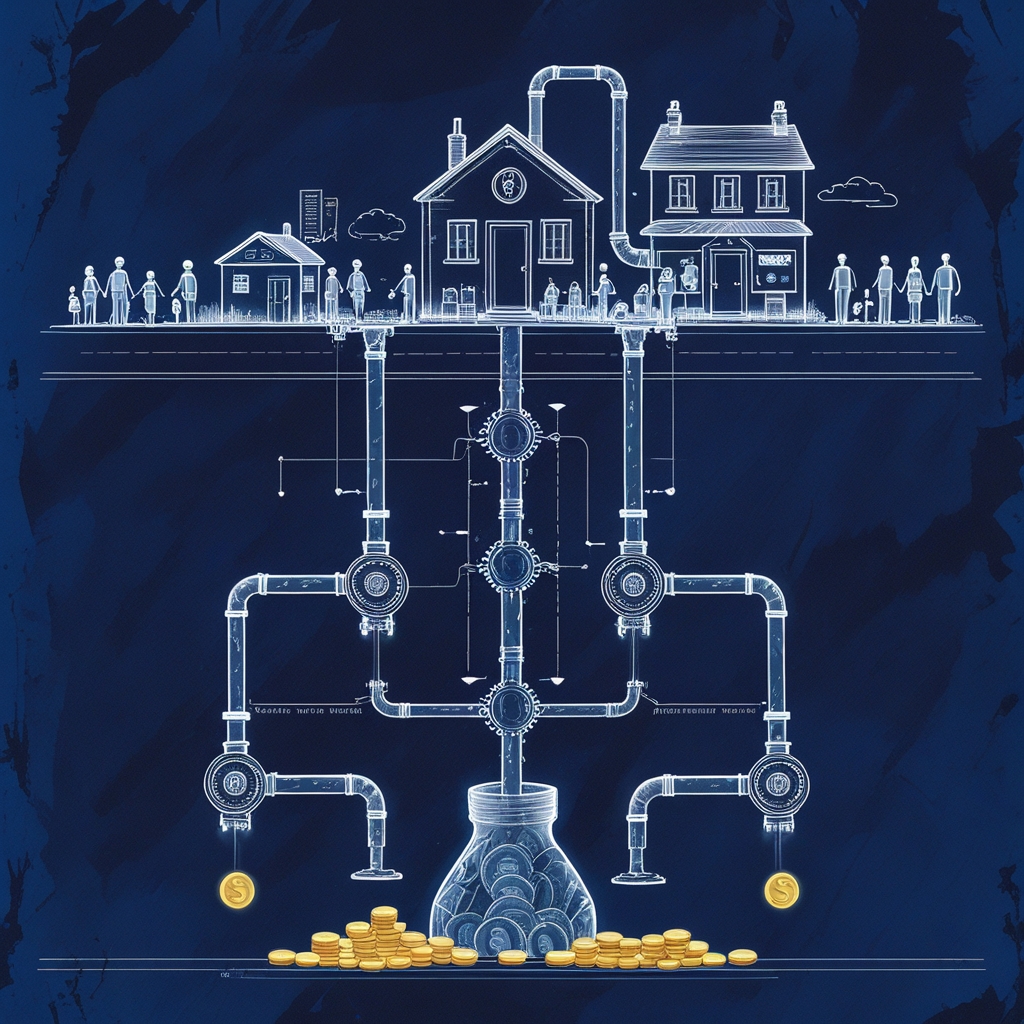
Leverage: What Drivers Can Do

Uber's system subordinates drivers to platform control while extracting maximum value from their labor. But understanding how the system works creates opportunities to resist, reduce losses, organize collectively, and build pressure for systemic change. Drivers cannot fix Uber through individual action, but they can protect themselves, challenge exploitation, and contribute to the political organizing needed to force genuine reform.
Calculate True Hourly Earnings
Most drivers focus on gross earnings without properly accounting for all costs. This creates illusion of adequate income that disappears when vehicle depreciation, fuel, insurance, and unpaid time are included. Accurate calculation reveals whether driving is actually profitable.
Track all costs systematically. Record fuel purchases, maintenance expenses, insurance payments, vehicle depreciation, and any other driving-related costs. Create a spreadsheet with monthly totals. This documentation provides evidence for challenging Uber's claims about driver earnings and supports legal or political advocacy.
Account for vehicle depreciation explicitly. A vehicle losing five thousand pounds in value annually costs approximately four hundred pounds monthly regardless of whether cash changes hands. Include this in monthly cost calculations. Many drivers discover they are earning below minimum wage only when depreciation is properly accounted for.
Calculate hourly rate including all unpaid time. Track total hours with app active including waiting for rides and driving to pickups. Divide net income after all costs by total hours. This reveals actual hourly earnings often substantially below minimum wage despite gross income appearing reasonable. This calculation demonstrates employment law violations tribunals can address.
Compare actual earnings to minimum wage and employment alternatives. If you are earning below minimum wage after costs, you are being exploited regardless of how Uber classifies the relationship. This information supports legal claims for worker rights and helps inform decisions about whether continuing to drive is financially rational.
Use this information strategically. Share it with other drivers, organizers, journalists, and politicians. Concrete data about inadequate earnings strengthens arguments for regulation and employment law enforcement. Your documentation becomes evidence that driver exploitation is systemic not exceptional.
Minimize Platform Dependence
Uber's control comes from drivers having no alternatives. Reducing dependence on Uber alone improves bargaining position and income stability.
Work for multiple platforms if available. Uber, Bolt, Lyft where operating, all compete for drivers in some markets. Running multiple apps and choosing the best rides available at any moment can increase earnings and reduce single-platform dependence. Uber's algorithmic control has less power when you have alternatives.
Develop income sources outside platform work. Use driving as supplementary income rather than sole employment if possible. This reduces vulnerability to Uber's terms changes and provides exit option if conditions become unacceptable. Platform work becomes choice rather than necessity improving negotiating position.
Protect your customer relationships. While Uber prohibits direct contact with riders, professional service builds reputation. Riders who have positive experiences may recommend you to others or use your services again. Though Uber tries to prevent this, exceptional service is valuable even within platform constraints.
Understand that platforms need drivers more than individual drivers need any specific platform. Uber cannot operate without drivers. Individual drivers can find alternatives even if difficult. This power imbalance favors Uber collectively but individual leverage exists especially for highly-rated drivers providing reliable service.
Consider whether driving is worth continuing. Honest calculation of all costs including opportunity cost of time may reveal that driving earns less than alternative employment. Leaving platform work for traditional employment with minimum wage guarantees and benefits can improve financial situation substantially. Sunk costs in vehicles or time already invested should not trap you in uneconomical continuing work.
Know Your Rights and Use Them
UK Supreme Court ruled in February 2021 that Uber drivers are workers entitled to minimum wage, holiday pay, and other employment protections. These rights exist even if Uber does not automatically provide them.
Understand what worker status means. You are entitled to minimum wage for all hours worked including waiting time with app active. You accrue holiday pay calculated as percentage of earnings. You cannot be unfairly dismissed or discriminated against. Uber's terms cannot override these statutory rights.
Document all hours worked including waiting time. Keep detailed records of when you have the app active whether engaged with riders or not. This documentation proves hours worked for minimum wage calculations. Without records, proving your case becomes much harder.
Calculate and claim unpaid minimum wage and holiday pay. Use your records of hours and costs to determine whether Uber has paid minimum wage. If not, you can claim the difference. Holiday pay accrues on all earnings and must be paid. Submit claims to Uber first, then proceed to employment tribunal if they refuse.
Join Independent Workers Union of Great Britain or other driver union. These organizations have experience pursuing claims and can provide legal support. Individual drivers face difficulty navigating employment law alone. Unions provide expertise and solidarity making claims more likely to succeed.
Be prepared for Uber to resist your claims. Even after Supreme Court defeat, Uber contests individual claims and makes accessing rights difficult. Persistence and collective support are necessary. Some drivers give up facing resistance. Continuing to press claims despite obstacles improves chances of success and sets precedents helping other drivers.
Use legal aid and pro bono legal support where available. Some law firms take driver cases on contingency or pro bono. Employment tribunal claims do not require lawyers but having legal representation improves success likelihood. Explore all options for accessing legal support before giving up.
Organize Collectively With Other Drivers
Individual drivers have limited power against Uber's resources. Collectively, drivers can build pressure Uber cannot ignore and achieve outcomes individual action cannot produce.
Connect with other drivers through unions, social media, and in-person meetings. IWGB organizes Uber drivers and coordinates collective action. Facebook groups and WhatsApp chats connect drivers sharing experiences and strategies. In-person meetings at popular waiting areas allow relationship building. Finding others facing similar problems is first step toward collective action.
Share information about earnings, costs, and problems. Drivers often do not realize issues they face are universal rather than individual. Discussing experiences reveals patterns. Comparing earnings data shows wage suppression is systemic. This shared understanding builds commitment to collective response.
Coordinate action on specific issues. Drivers can collectively refuse unprofitable rides, boycott during exploitative surge pricing, or log off simultaneously to demonstrate platform dependence on driver participation. These tactics require coordination but create leverage individual drivers lack.
Support strike actions and demonstrations. High-profile strikes attract media attention and political interest. Public demonstrations make driver grievances visible to riders and politicians. Participation even if you cannot afford to stop working entirely shows solidarity and builds movement strength.
Participate in legal cases and tribunal claims. Individual cases set precedents benefiting all drivers. Supporting test cases through unions or legal funds helps establish rights that Uber must then extend to everyone. Your participation contributes to collective gain even if your individual claim is small.
Build relationships of mutual support. Drivers sharing tips on avoiding algorithm penalties, supporting each other during platform disputes, and providing emotional support face Uber's pressure more effectively together. Organizing is social process requiring trust and relationships built over time.
Political Pressure and Public Awareness
Uber's business model depends on regulatory forbearance and public acceptance of worker exploitation. Changing political calculation through awareness campaigns and pressure tactics can force reforms individual actions cannot achieve.
Contact your MP with detailed accounts of your experience. Politicians respond to constituent concerns especially when receiving multiple contacts about same issue. Explain how Uber's classification deprives you of rights and earnings. Request support for employment law enforcement and platform regulation. Coordinate with other drivers to flood MP offices with correspondence.
Provide testimony to government inquiries and investigations. Parliamentary committees, local councils, and regulatory bodies periodically investigate gig economy and worker rights. Submit written evidence and volunteer for testimony. Your firsthand account of earnings and conditions carries weight these processes need.
Engage with media covering platform economy. Journalists need driver stories illustrating systemic problems. Contact reporters writing about gig economy offering to share your experience. Media coverage raises public awareness and creates political pressure for reform.
Support political candidates and parties committed to worker rights and platform regulation. Some politicians advocate for gig workers while others support Uber. Your vote and campaign work strengthen politicians who might actually change the system. Electoral accountability is one of few pressures wealthy companies fear.
Use social media to share your experience and connect with broader movement. Twitter, Facebook, Instagram allow reaching beyond immediate driver community. Your accounts of inadequate earnings and exploitation contribute to growing awareness that gig economy is failing workers. Visibility builds momentum for change.
Join protests and demonstrations at Uber offices and investor events. Physical presence shows human cost of Uber's business model. Disrupting business-as-usual creates pressure executives and investors cannot ignore. Public confrontations attract media coverage and force platform issues into broader conversation.
Alternative Platform Models
Uber's model is not inevitable. Driver cooperatives and ethical platforms demonstrate alternatives exist where workers own platforms and capture value they create.
Research driver cooperative platforms where operating. In some cities, drivers have created cooperatively-owned platforms where workers set terms democratically and retain profits. These cooperatives cannot match Uber's venture capital resources but demonstrate that alternative ownership structures are viable.
Support ethical platforms prioritizing driver welfare. Some competitor platforms offer better terms, greater transparency, and fairer treatment. Using these alternatives when available and encouraging riders to do so creates competition that may pressure Uber to improve terms.
Consider whether starting driver cooperative is feasible in your area. This requires capital, technical expertise, and organizing capacity but several cities have successfully launched driver-owned alternatives. Cooperatives allow workers to control the platform rather than being controlled by it.
Advocate for platform cooperativism in policy discussions. Governments could support cooperative platforms through grants, technical assistance, or preferential regulatory treatment. Public policy currently favors extractive platforms. Shifting support to worker-owned alternatives could transform the landscape.
Recognize limitations of cooperative alternatives. They cannot match Uber's subsidized prices or network effects without similar venture capital funding. But they can provide fair treatment and democratic control. Success may mean accepting less scale in exchange for dignity and fair pay.
Document and Expose Exploitation
Uber's exploitation persists partly because it occurs largely hidden from public view. Making it visible through documentation and testimony creates political pressure the company cannot indefinitely resist.
Record your earnings and costs publicly. Write blog posts, create videos, post on social media detailing your actual hourly earnings after all costs. Transparency about wages defeats Uber's marketing claims and shows reality behind the flexibility promises.
Share stories of algorithm manipulation, arbitrary deactivation, and unfair treatment. Individual stories make systemic problems concrete and relatable. Media and politicians respond to human stories more than statistics. Your account of being deactivated without explanation or earning below minimum wage despite working full-time illustrates system failures.
Participate in research about gig economy. Academics studying platform work need driver participation. Surveys, interviews, and data sharing contribute to research documenting exploitation and supporting evidence-based policy. Your participation strengthens the knowledge base informing reform.
Warn prospective drivers about realities of platform work. People considering Uber driving often see only marketing promises. Honest accounts from current drivers help them make informed decisions. Warning others reduces Uber's ability to continuously recruit naive workers replacing those who discover the exploitation.
Support journalism investigating Uber. Reporters need sources and information. Offering to speak on or off record helps journalists produce investigative work exposing problems. Media coverage pressures both Uber and regulators to address issues they would prefer to ignore.
Build Exit Strategies
Platform work should be transitional not permanent. Building paths to exit reduces Uber's power and improves your long-term situation.
Use platform earnings to fund education or training for better employment. If driving provides income while you develop skills for alternative careers, it has value despite inadequate pay. But treat it as temporary means to better future not permanent work.
Save systematically even small amounts for emergencies and transitions. Platform income unpredictability makes saving difficult but essential. Emergency funds allow refusing unacceptable terms or leaving platform work when conditions deteriorate. Even small regular savings build exit capacity.
Develop skills and experience that create employment alternatives. Time spent driving generates no career advancement. Investing time in education, training, or skill development creates options beyond platform work. The flexibility Uber markets can be used for this purpose if you approach it strategically.
Network with people and organizations that might provide alternative employment. Platform work isolates drivers. Actively building connections outside platform community creates awareness of opportunities you might not otherwise discover. Relationships often lead to employment more effectively than applications.
Accept that leaving may be the best resistance. If platform work is unsustainable and organizing has not achieved improvement, leaving for traditional employment with minimum wage guarantees and benefits improves your situation immediately. Individual exit does not solve systemic problems but protects you from ongoing exploitation.
Individual leverage is limited by Uber's monopoly power and regulatory advantages. But collective action through unions, political organizing, legal challenges, public awareness campaigns, and platform alternatives can build pressure forcing change. Your participation in organizing, documentation, testimony, and resistance contributes to movements that eventually succeed. The system is designed to isolate and exploit drivers. Overcoming isolation through collective action and public exposure creates the only leverage capable of forcing platforms to provide fair treatment and adequate pay. Resistance may not produce immediate victories but persistent pressure eventually forces change when the political costs of continuing exploitation exceed the benefits powerful interests gain from maintaining current arrangements.