The Feedback Loops: How Drivers Stay Trapped
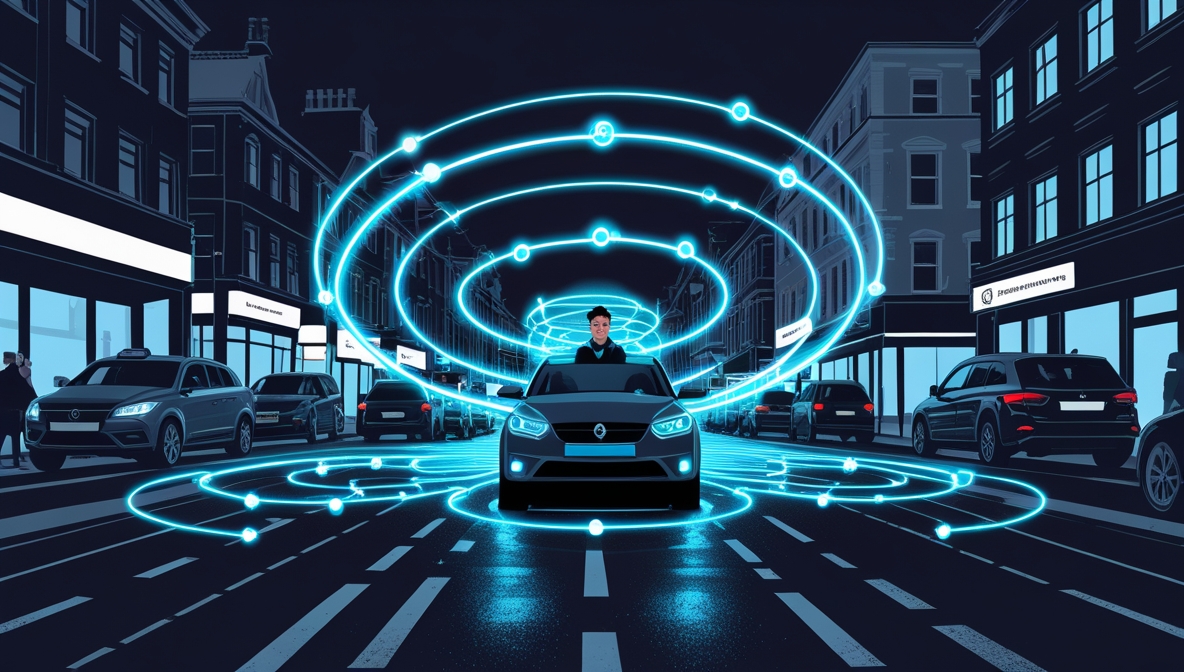
The Uber system contains self-reinforcing dynamics that worsen driver positions over time while strengthening Uber's advantages. These feedback loops operate automatically once drivers enter the system. Understanding them reveals why individual effort and compliance cannot overcome structural forces designed to transfer wealth from drivers to platform owners.
The Network Effects Lock-In Loop
Uber's value to riders increases with driver density. More drivers mean shorter wait times and better geographic coverage. This attracts more riders. More riders create more available fares. This attracts more drivers. The cycle reinforces monopoly position making it difficult for competitors to gain traction even when offering better terms.
Drivers must work for the platform with the most riders to access sufficient fares. A competing platform offering lower commission rates but fewer riders provides less total income than Uber despite better terms per ride. Drivers rationally choose the platform with volume even when individual ride economics are worse. This locks drivers into Uber regardless of terms deteriorating.
New driver competitors face cold-start problems. Without existing driver networks, they cannot offer reliable service. Without reliable service, they cannot attract riders. Without riders, drivers will not join. Breaking into the market requires massive subsidy to bootstrap both sides simultaneously. Few companies can match Uber's venture capital resources for this purpose.
Once Uber achieves market dominance, drivers have nowhere else to go. Even if terms worsen, leaving means losing access to the only platform with sufficient ride volume to generate viable income. Uber can degrade driver earnings knowing drivers cannot easily shift to alternatives. Monopoly power allows extraction to intensify without competitive constraint.
The Algorithmic Wage Suppression Spiral
Uber's algorithm optimizes for platform revenue, not driver earnings. As competition among drivers increases, the algorithm can reduce per-ride payments while maintaining service coverage. More desperate drivers competing for rides allow Uber to lower effective pay without losing driver availability.
Drivers cannot see how algorithm changes affect their earnings until after working under new terms. Commission rate increases or routing changes that reduce driver income happen opaquely. Drivers notice declining earnings but cannot easily identify which specific algorithm modifications caused the reduction. This opacity prevents effective resistance to changes that harm driver interests.
Acceptance rate requirements create pressure to take unprofitable rides. Drivers declining rides that lose money face algorithm penalties reducing future ride offers. To maintain access to the ride volume needed to earn adequate income, drivers must accept money-losing rides. This forces drivers to subsidize Uber's service coverage in unprofitable areas and times.
Rating system pressure intensifies as more drivers compete. Maintaining ratings above deactivation thresholds becomes harder as rider expectations rise and tolerance for minor service issues declines. Drivers fear deactivation more as alternative employment becomes less available. This anxiety makes drivers accept worse terms and treatment to avoid losing platform access.
Over time, driver earnings per hour decline while Uber's revenue per ride holds steady or increases. Drivers work longer hours for less money while Uber's commission percentage remains constant or rises. This trajectory continues until drivers cannot sustain participation, at which point they are replaced by new drivers unaware of the deterioration they will experience.
The Asset Depreciation Trap
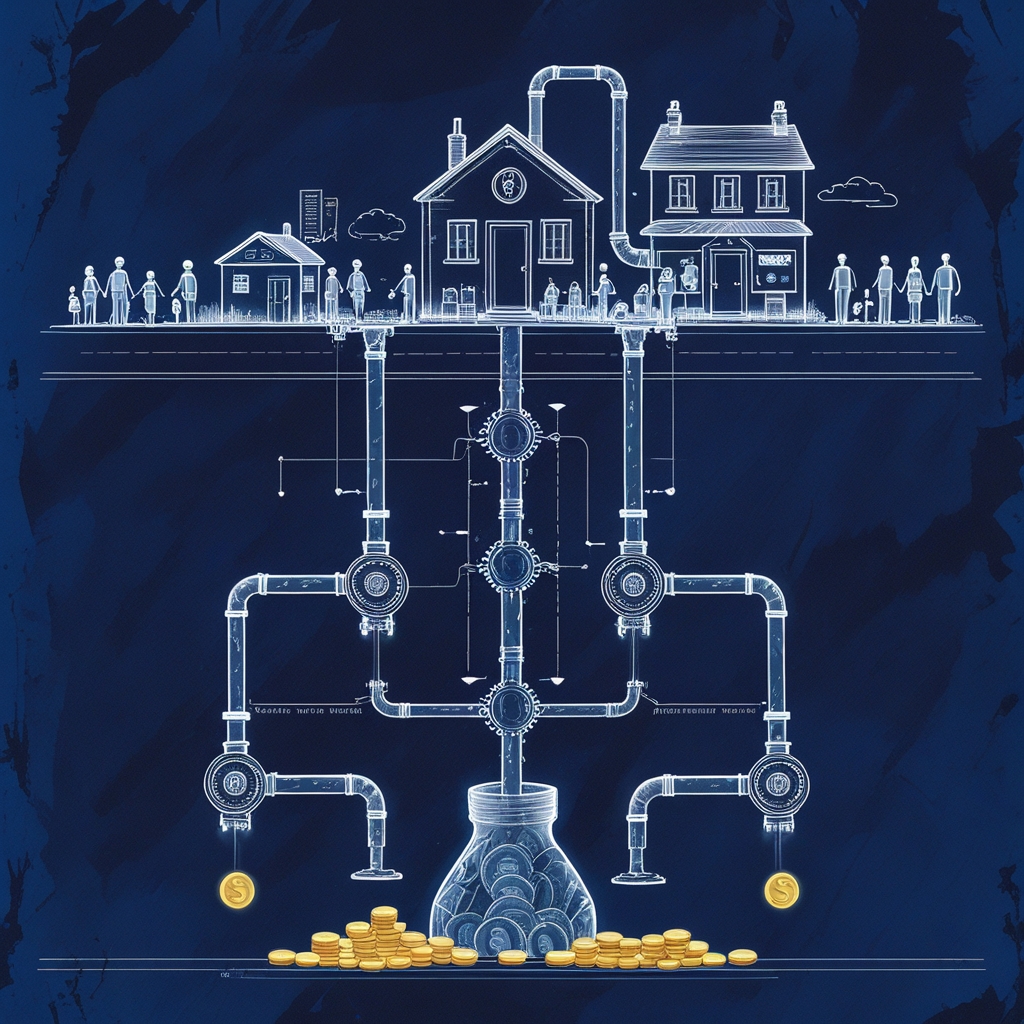
Drivers purchase or lease vehicles to work for Uber. These assets depreciate rapidly under high-mileage use. A vehicle losing half its value over two to three years represents massive capital consumption drivers must fund from earnings. But Uber's commission takes no account of this capital cost.
High depreciation increases driver effective hourly costs. A driver buying a vehicle for twenty thousand pounds that becomes worth ten thousand pounds after three years of Uber driving has lost ten thousand pounds in capital. Spread over three years of driving, this represents approximately three thousand pounds annually in depreciation cost. With insurance, fuel, and maintenance added, total vehicle costs can reach twelve to fifteen thousand pounds yearly.
Drivers often do not account for depreciation properly when calculating earnings. Focusing on cash revenue and immediate expenses, they miss the capital erosion happening with every mile driven. By the time the vehicle needs replacing, they discover they have not earned enough to fund purchase of a new vehicle. They either exit Uber or take on debt to acquire replacement vehicles.
Debt-financed vehicle acquisition traps drivers into continuing work for Uber even when earnings are inadequate. Monthly vehicle loan payments become fixed obligations drivers must meet regardless of whether Uber income suffices. Missing payments risks vehicle repossession destroying the income source needed to service the debt. This debt trap forces drivers to accept deteriorating terms rather than risk losing both vehicle and income.
Vehicle age and condition affect driver ratings and ride quality. As vehicles age and drivers defer maintenance to preserve cash, service quality declines. Lower ratings from riders using deteriorated vehicles reduce driver access to better rides. Drivers caught in downward spiral of aging vehicles, declining ratings, worse ride assignments, and falling income struggle to escape without capital to purchase better vehicles.
The Waiting Time Value Extraction Loop
Drivers spend substantial time unpaid waiting for rides and driving to pickups. This unpaid time allows Uber to offer fast pickup times to riders without compensating drivers for the availability that makes fast service possible. The more drivers logged in waiting, the better Uber's service appears to riders.
Unpaid waiting is invisible to riders who see only their quick pickup times. They attribute service quality to Uber's technology not recognizing driver unpaid time creates the responsiveness. This allows Uber to market fast service as its achievement while drivers bear the cost of providing it.
Drivers cannot reduce unpaid time easily. Logging off to avoid unpaid waiting means missing rides when they do come. Staying logged in means spending time unpaid. Either choice costs drivers money. Uber benefits regardless because driver participation whether paid or unpaid maintains the network density riders value.
Increasing driver numbers increases average unpaid time per driver. More drivers competing for the same number of rides means each driver waits longer between fares. This dilutes driver earnings without reducing Uber's revenue since total ride volume remains constant. Uber can recruit additional drivers knowing this harms existing driver earnings but maintains service responsiveness riders demand.
Drivers bear opportunity costs of time spent waiting instead of working elsewhere. Hours logged into Uber waiting for rides cannot be used for alternative employment. Drivers commit time to Uber availability receiving no compensation unless rides materialize. Uber captures the value of this committed availability while drivers absorb the cost of time waiting unpaid.
The Skills and Experience Devaluation Loop
Uber driving requires minimal skills and no credentials beyond a license and vehicle. This low barrier to entry means constant influx of new drivers willing to work for whatever terms Uber offers. Existing drivers cannot leverage experience or skill to command better terms because they are easily replaced.
Experienced drivers who learn efficient routing, understand demand patterns, and develop customer service skills receive no premium pay for this accumulated knowledge. Uber's algorithmic control and standardized pricing mean driver skill is irrelevant to compensation. A new driver receives the same per-ride payment as one with years of experience.
High driver turnover is built into the model. Drivers discovering earnings are inadequate leave and are replaced by others attracted by marketing promises. This churn prevents driver experience from accumulating in ways that might support collective bargaining or resistance. Uber always has a supply of naive drivers replacing those who learned the reality.
Drivers cannot build a business or customer base separate from Uber. All rider relationships occur through the platform. Drivers cannot contact riders directly or offer services outside Uber's system. This prevents drivers from developing independent value that might give them leverage to negotiate better terms.
The lack of skill premium or experience value means drivers have no career progression. Five years of Uber driving provides no more earning potential or job security than five days. This makes Uber work a dead-end temporary expedient not a sustainable career. But many drivers remain trapped because they have no better alternatives.
The Regulatory Arbitrage Erosion Loop
Uber initially avoided regulations governing traditional taxis. This gave cost advantages allowing subsidized competition. As regulators caught up and imposed requirements, Uber's cost advantages narrowed but the damage to traditional taxi industry was already done.
Each regulatory requirement Uber successfully resists sets precedent making future regulation harder. If Uber avoids employment law by claiming platform neutrality, other companies adopt similar structures. The gig economy expands using Uber's precedent. Regulators face more companies using the same arguments making comprehensive regulation more difficult.
When regulation does arrive, Uber often captures the process to minimize impact. Extensive lobbying and political donations shape regulations to impose minimal constraints on Uber's business model. Requirements are crafted to appear meaningful while preserving Uber's fundamental advantages over traditional employment.
Drivers lack resources to influence regulatory processes. Uber hires lobbyists and lawyers. Drivers work long hours struggling to earn adequate income. They have neither time nor money to engage regulatory proceedings effectively. This power imbalance means regulation reflects Uber's interests more than driver welfare.
Even successful regulatory challenges face enforcement problems. Court rulings confirming drivers are workers entitled to employment rights do not automatically change how Uber operates. Enforcement requires individual drivers understanding their rights and pursuing claims. Uber benefits from driver ignorance and the difficulty of enforcing rights individually.
The Collective Action Failure Loop
Drivers have aligned interests. All would benefit from higher pay, better terms, and employment protections. But organizing faces obstacles the platform structure deliberately creates.
Drivers never meet. They work independently in their own vehicles. Uber discourages or prevents driver communication. Without contact, organizing is difficult. Drivers cannot easily identify others facing similar problems or coordinate responses to common grievances.
High turnover prevents stable organizing bases. By the time drivers develop awareness and commitment to collective action, many have left. New drivers replace them lacking the experience and relationships needed to continue organizing efforts. This churn continuously undermines organizing attempts.
Precarious earnings make sustained organizing difficult. Drivers struggling financially cannot spare time for unpaid organizing work. Missing driving hours to attend meetings costs money drivers cannot afford to lose. Uber's model ensures drivers are too stressed about immediate income to invest in longer-term collective action.
Uber can target and remove organizing leaders. Drivers who become publicly associated with organizing can face algorithmic or overt retaliation. Deactivation for ambiguous terms of service violations removes troublesome drivers before organizing gains momentum. Others see this and fear participating.
Success requires coordination among thousands of atomized workers with high turnover and no physical workplace. This is vastly harder than organizing workers in a factory or office. Uber benefits from this structural difficulty knowing drivers will struggle to achieve the collective action that might constrain platform power.
These feedback loops operate simultaneously and reinforce each other. Network effects lock drivers in. Algorithms suppress wages. Asset depreciation traps drivers in debt. Unpaid waiting time extracts value. Skills and experience provide no advantage. Regulatory arbitrage persists. Collective action fails. Together these dynamics ensure drivers fall further behind over time while Uber's advantages compound. The system is designed to produce these outcomes. Individual driver effort cannot overcome structural forces operating continuously against driver interests.