• Home
  • Start Here
  • Systems
  • Deep Dives
  • The Question
  • System Watch
  • System Health
  • Toolkit
  • Books
  • Videos

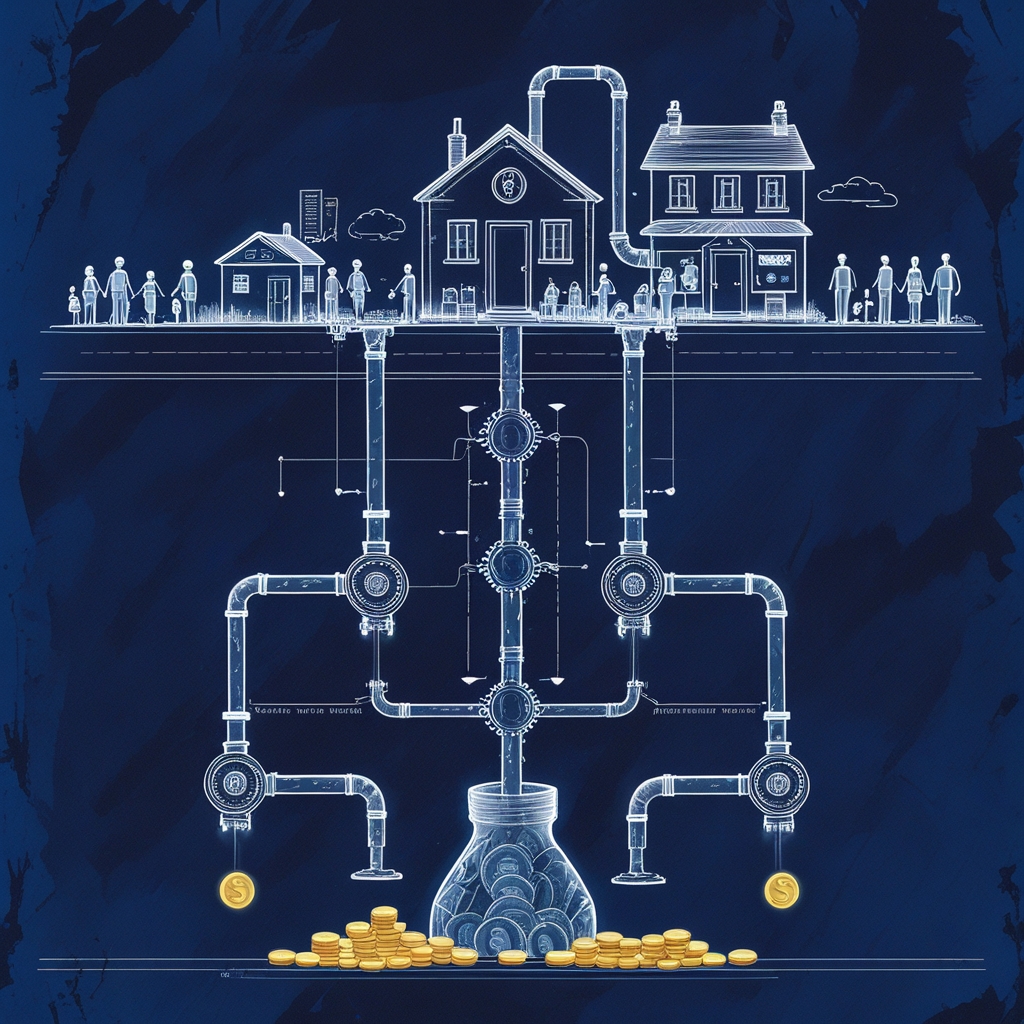
The Machine - How Car Insurance Actually Works

You need a car. To get to work, to do the shopping, to take the children to school, to live your life. And to drive that car legally, you need insurance. It is not optional, it is not a choice, it is a legal requirement. You cannot drive without it, and if you are caught driving uninsured, you face fines, points on your license, potentially prosecution. So you need insurance, and everyone knows you need insurance, and that need, that captive demand, is the foundation of a system designed to extract.

And the system extracts differently from different people. If you are young, under twenty-five, male, living in a city, you might pay two thousand pounds per year for basic cover. Two thousand pounds just for the legal right to drive. If you are older, over fifty, female, living in a rural area, with decades of no-claims history, you might pay three hundred pounds for the same legal right. Same coverage, same legal requirement, but one person pays nearly seven times more than the other.

Read more →

The Incentives - Who Profits From Car Insurance

Car insurance in the UK is a twelve billion pound industry. Twelve billion paid in premiums every year by drivers who need insurance to drive legally. And that twelve billion does not just disappear, it does not evaporate, it flows somewhere, it is extracted by someone, and understanding who profits from car insurance, who benefits from the system as it is structured, reveals why premiums are high, why they keep rising, and why reform does not happen.

Let me show you who profits from car insurance.

The first and most obvious beneficiary is the insurance companies themselves. Aviva, Direct Line, Admiral, LV, RSA, Hastings Direct, dozens of insurers operating in the UK market, collecting premiums, paying claims, and keeping the difference. And the difference, the profit, is significant. The UK motor insurance industry has been profitable in most recent years, with combined operating ratios, the ratio of claims and costs to premiums, typically below one hundred percent, meaning premiums exceed payouts and costs, and the excess is profit.

And insurers profit not just from underwriting, from the difference between premiums and claims, but from investment. Premiums are collected upfront, at the start of the policy year, but claims are paid out later, sometimes months later, sometimes years later if the claim is disputed or involves injury. And in the meantime, the insurer holds the money, invests it, earns returns, and those returns are profit, additional to the underwriting profit.

Read more →

The Feedback Loops - Why Premiums Keep Rising

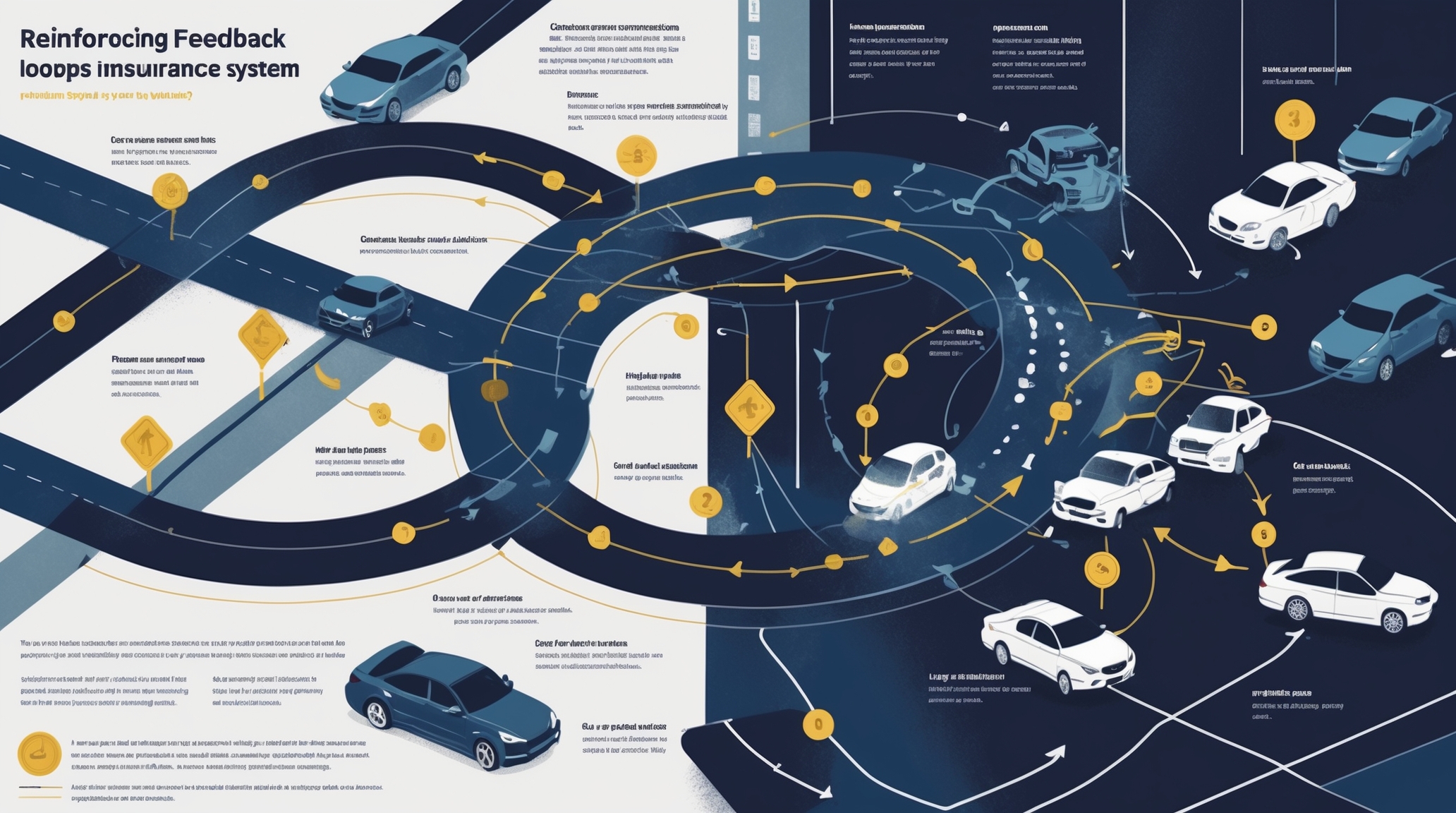
Car insurance premiums are supposed to reflect risk. If accident rates fall, if cars become safer, if fraud decreases, premiums should fall. That is the logic, the theory, the justification for how insurance pricing works. But premiums do not fall, they rise. Year after year, premiums increase, faster than inflation, faster than wages, and drivers pay more for the same coverage, for the same legal requirement, and the increases are relentless.

And this is not random, it is not accidental, it is the result of feedback loops, dynamics within the system that drive premiums upward regardless of underlying risk, regardless of claims costs, regardless of what is fair. These loops interact, reinforce each other, and together they ensure that premiums rise, that extraction accelerates, and that drivers, particularly young drivers and high-risk groups, pay more every year.

Read more →

Why the Car Insurance System Resists Reform

Car insurance is expensive, frustrating, and widely disliked. Drivers complain about high premiums, about loyalty penalties, about comparison sites that all show similar prices, about claims processes that fight to deny payouts. And these complaints are not new, they are consistent, they are loud, and they generate political attention. Politicians promise to tackle rip-off insurance, to ban loyalty penalties, to make the market fairer. Consumer groups campaign for reform, for transparency, for better treatment of customers.

And yet, despite the complaints, despite the campaigns, despite the political promises, the car insurance system does not fundamentally change. Premiums continue rising. Loyalty penalties persist. Young drivers still pay thousands. Comparison sites still dominate. The system resists reform, not because reform is impossible, not because solutions do not exist, but because the forces protecting the system, the interests that profit from it, are powerful, organized, and determined to maintain the status quo.

Read more →

Where Policy Actually Has Leverage

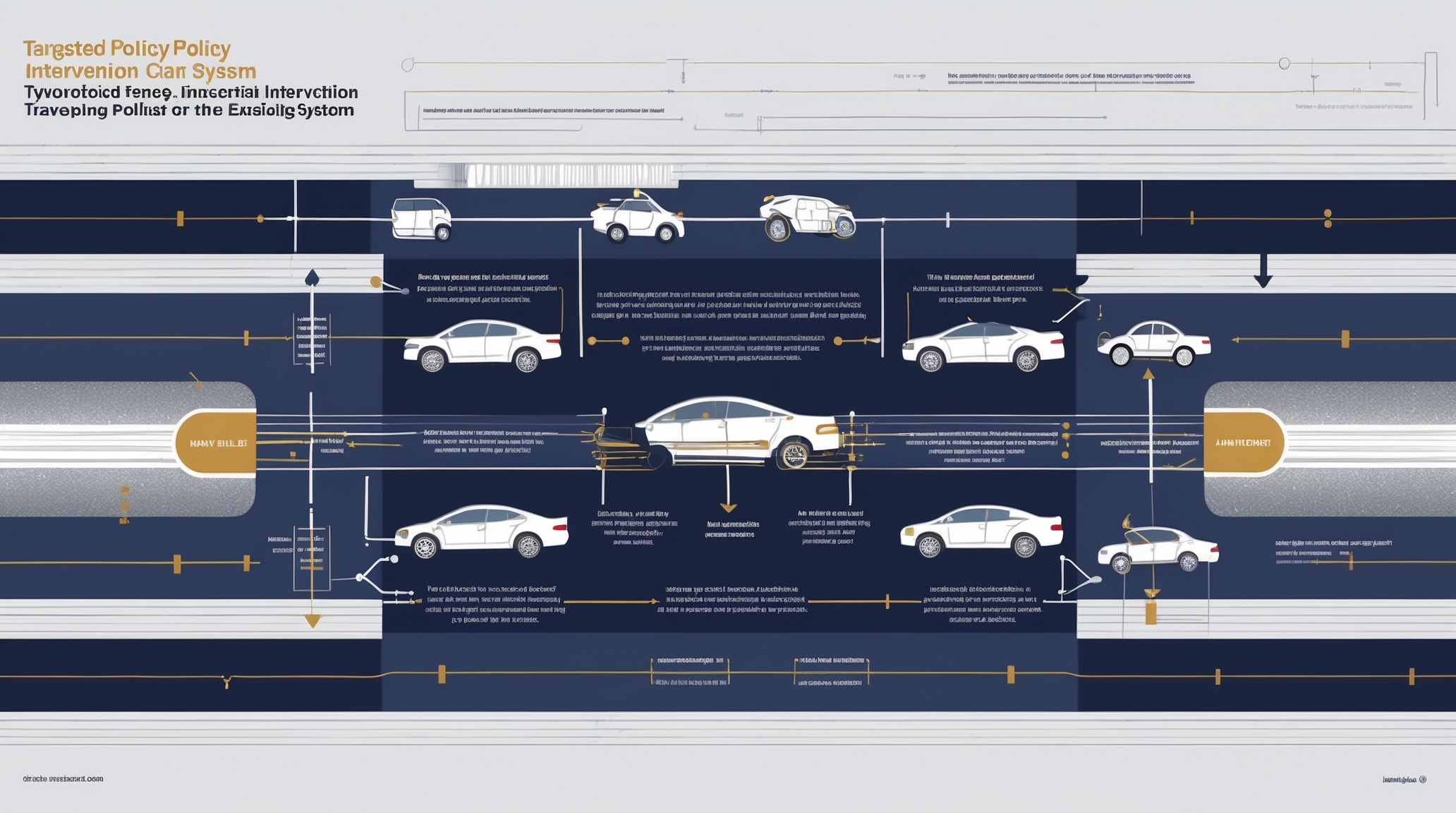
The car insurance system is resistant to reform, but it is not immovable. There are points where policy could shift outcomes, where intervention could reduce premiums, increase fairness, and shift power from insurers to drivers. Not easily, and not without political cost, but it is possible. The challenge is not that solutions do not exist, they do. The challenge is that implementing them requires overcoming insurer lobbying, comparison site resistance, regulatory caution, and political fear of unintended consequences. But leverage points exist, and understanding where they are and how to use them is essential for anyone who wants to see car insurance reformed.

Read more →

Case Study - The Young Driver Crisis

In the early 2010s, car insurance for young drivers became a crisis. Premiums for drivers under twenty-five, particularly young men, soared to levels that were, for many, completely unaffordable. The average premium for a seventeen-year-old male driver reached over two thousand pounds per year, and in some areas, in cities, for certain cars, premiums exceeded three thousand, four thousand, even five thousand pounds. Five thousand pounds for basic third-party insurance, for the legal right to drive, for a teenager who might earn minimum wage, who might be a student, who might be starting an apprenticeship.

And this was not insurance in any meaningful sense. It was not protection, it was not risk pooling, it was extraction. Young drivers were being charged multiples of what their actual claims cost, and the premiums bore little relation to the risk they posed. The system had identified young drivers as a captive market, as people who needed to drive, who had no alternative, who would pay whatever was asked because the alternative was not driving at all, was losing access to work, to education, to independence. And insurers, seeing this captivity, extracted.

Read more →

WHERE IS THE UK CAR INSURANCE SYSTEM HEADING? THE DATA IN PLAIN ENGLISH (2026)

You know how the UK car insurance system works. You have seen the extraction from young drivers, the loyalty penalties, the comparison site fees built into premiums, the black box surveillance marketed as savings. But knowing the structure is one thing. Seeing where it is actually heading is another. And the data, pulled from the Association of British Insurers, from the Financial Conduct Authority, from insurance industry reports, tells you exactly where this system is taking us. Not theory. Not prediction. Just numbers, showing you what is happening to premiums, to who pays what, to insurer profits, to uninsured driving.

Let me show you what the data reveals.

Average Premiums: Rising Sharply After Brief Fall

In 2017, the average UK car insurance premium was around eight hundred pounds per year. By 2022, it had fallen to around six hundred and twenty pounds, driven by increased competition, FCA intervention on loyalty penalties, and fewer claims during COVID lockdowns when people drove less.

Read more →

Book Feature

The Blueprint: How Britain's System Really Works and What You Can Do About It

The Blueprint

Why do the same political and economic problems repeat decade after decade? This book reveals the deeper machinery behind Britain’s institutions — the incentives, constraints and feedback loops that quietly shape outcomes.

Once you understand the system, you can finally see where real leverage exists.

Explore the Book →

Book Feature

How Systems Thinking Solves Problems That Keep Coming Back

How Systems Thinking Solves Problems That Keep Coming Back

Many problems return again and again because the underlying system is never examined. This book introduces the practical mindset of systems thinking — a way to see incentives, feedback loops and hidden structures shaping outcomes.

Explore the Book →

How To Map The System

The Toolkit

The Toolkit

Practical methods to map systems, trace incentives, uncover feedback loops, and identify where real leverage exists. Learn how to analyse any system and understand how it truly works.

Explore the Toolkit →

How Money Flows

The Extraction Pattern

The Extraction Pattern

How extraction works across systems — where value is drawn from the many and concentrated toward the few through structure, incentives, and design.

Read the Article →

Books

Explore the Books

  • The Blueprint
  • Understanding Systems Thinking
  • How Systems Thinking Solves Problems That Keep Coming Back
  • The Chain Reaction Effect: Change One Thing, Change Everything
  • Browse Books

Topics

  • Home
  • Start Here
  • Systems
  • Toolkit
  • Fundamentals
  • Deep Dives

Deep Dives

  • The Money System
  • The Customer Service System
  • The UK Housing System
  • The UK Student Loan System
  • The UK Health System
  • The UK Childcare System

Resources

  • Books
  • Videos
  • Toolkit
  • Disclaimer
  • Privacy Policy
  • Contact Us
© 2026 Think On The System | Disclaimer | Privacy Policy