• Home
  • Start Here
  • Systems
  • Deep Dives
  • The Question
  • System Watch
  • System Health
  • Toolkit
  • Books
  • Videos

The Machine: How UK Leasehold Works

Leasehold operates through a split between ownership and occupation that creates extraction mechanisms at every level. The freeholder owns the land and building. You own a time-limited right to occupy. This split enables rent extraction, subordination, and wealth transfer that continue for the lease duration. Understanding the machine's components reveals how ordinary people paying full market prices end up in arrangements resembling tenancy more than ownership.

The Ownership Split

When you buy a leasehold property, you purchase a wasting asset. Your lease has a fixed term, typically ninety-nine, one hundred and twenty-five, or nine hundred and ninety-nine years at creation. Every day that passes reduces your remaining lease length. A ninety-nine year lease becomes a ninety-eight year lease, then ninety-seven, declining annually until it expires. When the lease expires, your right to occupy ends. The property reverts to the freeholder. You lose everything.


Read more →

the Incentives: Who Profits From Subordination


Leasehold enriches multiple parties while extracting wealth from leaseholders. Understanding who benefits and why they behave as they do reveals why the system persists despite obvious unfairness. Every party except leaseholders profits from maintaining leasehold's extraction mechanisms.

Freeholders: Perpetual Income From Others' Assets

Freeholders are the primary beneficiaries. They own land and buildings while others pay for the right to occupy. This structure creates multiple revenue streams requiring minimal ongoing effort.

Ground rent provides perpetual income for nothing. A freeholder owning the freehold of a fifty-flat building collecting two hundred and fifty pounds annual ground rent per flat receives twelve thousand five hundred pounds yearly. This continues indefinitely. The freeholder provides no service. They do nothing to earn this income. It flows automatically from their ownership position. Over fifty years, that single building generates six hundred and twenty-five thousand pounds in ground rent. Pure extraction from fifty households to one owner.

Read more →

The Feedback Loops: How the Trap Tightens

Leasehold contains self-reinforcing dynamics that worsen leaseholder positions over time while strengthening freeholder advantages. These feedback loops operate automatically once you enter the system. Understanding them reveals why individual effort and compliance cannot overcome structural forces designed to transfer wealth from leaseholders to freeholders.

The Declining Lease Loop

Leasehold is a wasting asset. Every day that passes reduces your remaining lease term. This decline creates a feedback loop where time automatically erodes your property value while increasing freeholder leverage and extraction opportunities.

Your lease shortens daily. A ninety-nine year lease becomes ninety-eight years, then ninety-seven, declining inexorably toward zero. Nothing you do stops this decline. Maintaining the property perfectly does not extend the lease. Paying all charges promptly does not add time. Improving the property increases its value but reduces remaining lease length. Time works against you automatically.

Read more →

Why It Persists: Serving Wealth, Not Homeowners

Leasehold continues despite widespread recognition of unfairness, decades of reform promises, and mounting evidence of harm. Understanding why it persists reveals the political and economic forces that overcome individual grievances and resist genuine reform. The system serves powerful interests while costs fall on people with least power to demand change.

The Historical Path Dependency

Leasehold emerged from feudal land ownership patterns where lords owned land and granted time-limited rights to occupants. This medieval structure persisted through centuries as laws evolved around existing arrangements rather than fundamentally restructuring ownership. Contemporary leasehold inherits institutional structures, legal frameworks, and cultural assumptions from this history.

Millions of properties already exist as leasehold. Four point nine eight million leasehold properties represent trillions of pounds in asset values, legal contracts, and ownership rights. Converting all existing leasehold to alternative ownership forms would require rewriting millions of contracts, compensating freeholders for lost rights, and establishing new legal structures. The scope and complexity discourage politicians from attempting wholesale conversion.

Read more →

Leverage: What Leaseholders Can Do

Leasehold subordinates you to freeholder power and structures extraction to continue automatically. But understanding how the system works creates opportunities to resist, reduce costs, and contribute to eventual abolition. You cannot fix leasehold through individual action, but you can protect yourself, challenge exploitation, organize collectively, and build political pressure for systemic change.

Know Your Lease and Legal Rights

Your lease is the contract governing your relationship with the freeholder. Understanding its terms gives you power to identify when freeholders exceed their authority and what rights you can assert.

Read more →

Case Study: Leasehold in Practice

Abstract mechanics of leasehold become concrete when examining how the system operates in real lives. These case studies illustrate extraction mechanisms, incentive structures, feedback loops, and why reform fails. The situations are typical rather than exceptional. The outcomes reflect how the system is designed to work.

Case Study One: The Doubling Ground Rent Trap

A couple bought a leasehold house in Manchester in two thousand seven from Taylor Wimpey, a major developer. Purchase price was two hundred twenty-five thousand pounds. Initial ground rent was two hundred ninety-five pounds annually, doubling every ten years. This seemed manageable. They were buying a home. Ground rent was minor detail in thick legal documents they did not fully read or understand.

Read more →

Conclusion: Feudalism in the 21st Century

Leasehold is feudalism dressed as homeownership. You pay hundreds of thousands of pounds believing you are buying a home. You discover you bought time-limited subordination to a freeholder who extracts wealth indefinitely while contributing nothing to property value. Ground rent, service charges, major works demands, permission fees, marriage value traps, and forfeiture threats combine to transfer billions annually from four point nine eight million leaseholders to freeholders, developers, and managing agents.

The system operates exactly as designed. Freeholders generate perpetual income from ownership without effort. Developers sell buildings twice maximizing revenue. Managing agents profit from captive clients. Solicitors bill for complexity leasehold creates. Mortgage lenders profit from transactions and problems. Government claims housing delivery without expenditure while collecting substantial tax revenue. Every party except leaseholders benefits from continuation.

Read more →

Book Feature

The Blueprint: How Britain's System Really Works and What You Can Do About It

The Blueprint

Why do the same political and economic problems repeat decade after decade? This book reveals the deeper machinery behind Britain’s institutions — the incentives, constraints and feedback loops that quietly shape outcomes.

Once you understand the system, you can finally see where real leverage exists.

Explore the Book →

Book Feature

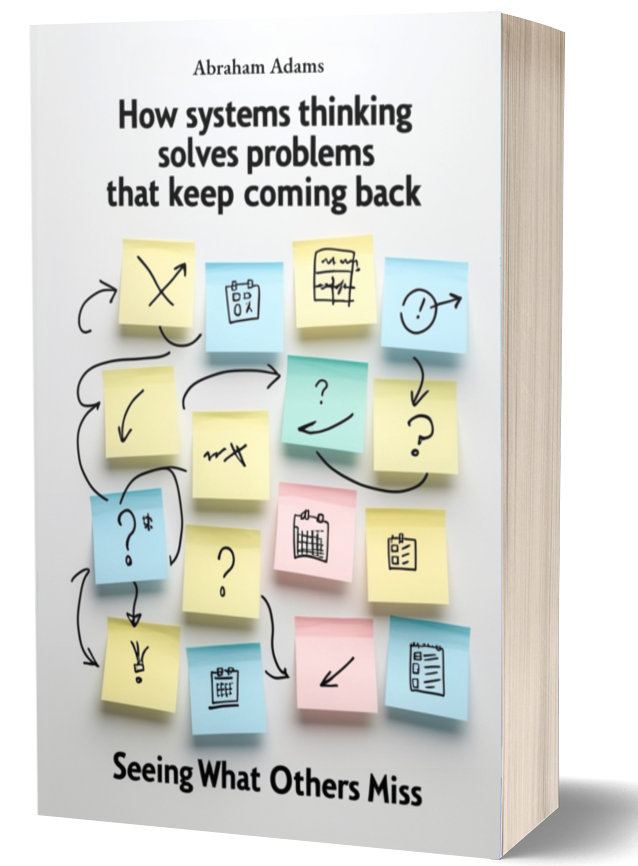
How Systems Thinking Solves Problems That Keep Coming Back

How Systems Thinking Solves Problems That Keep Coming Back

Many problems return again and again because the underlying system is never examined. This book introduces the practical mindset of systems thinking — a way to see incentives, feedback loops and hidden structures shaping outcomes.

Explore the Book →

How To Map The System

The Toolkit

The Toolkit

Practical methods to map systems, trace incentives, uncover feedback loops, and identify where real leverage exists. Learn how to analyse any system and understand how it truly works.

Explore the Toolkit →

How Money Flows

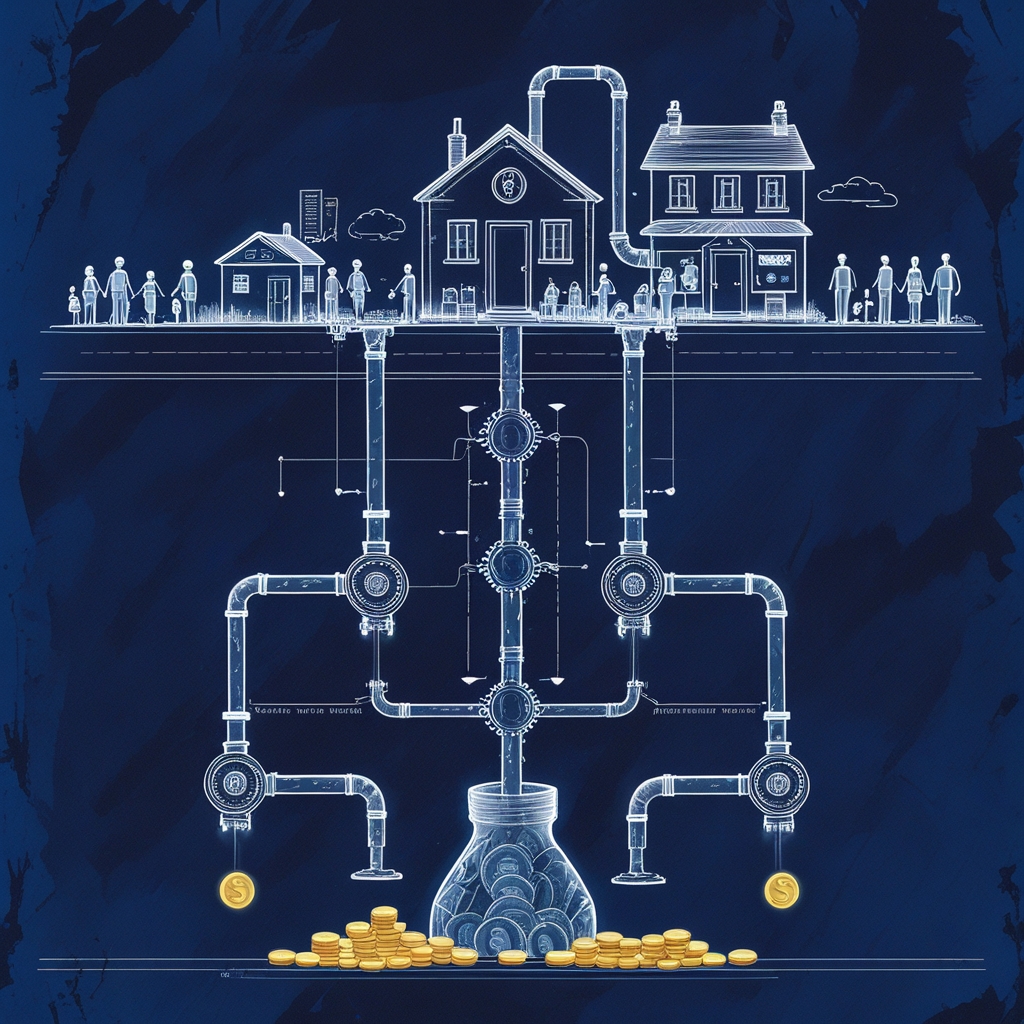
The Extraction Pattern

The Extraction Pattern

How extraction works across systems — where value is drawn from the many and concentrated toward the few through structure, incentives, and design.

Read the Article →

Books

Explore the Books

  • The Blueprint
  • Understanding Systems Thinking
  • How Systems Thinking Solves Problems That Keep Coming Back
  • The Chain Reaction Effect: Change One Thing, Change Everything
  • Browse Books

Topics

  • Home
  • Start Here
  • Systems
  • Toolkit
  • Fundamentals
  • Deep Dives

Deep Dives

  • The Money System
  • The Customer Service System
  • The UK Housing System
  • The UK Student Loan System
  • The UK Health System
  • The UK Childcare System

Resources

  • Books
  • Videos
  • Toolkit
  • Disclaimer
  • Privacy Policy
  • Contact Us
© 2026 Think On The System | Disclaimer | Privacy Policy