• Home
  • Start Here
  • Systems
  • Deep Dives
  • The Question
  • System Watch
  • System Health
  • Toolkit
  • Books
  • Videos

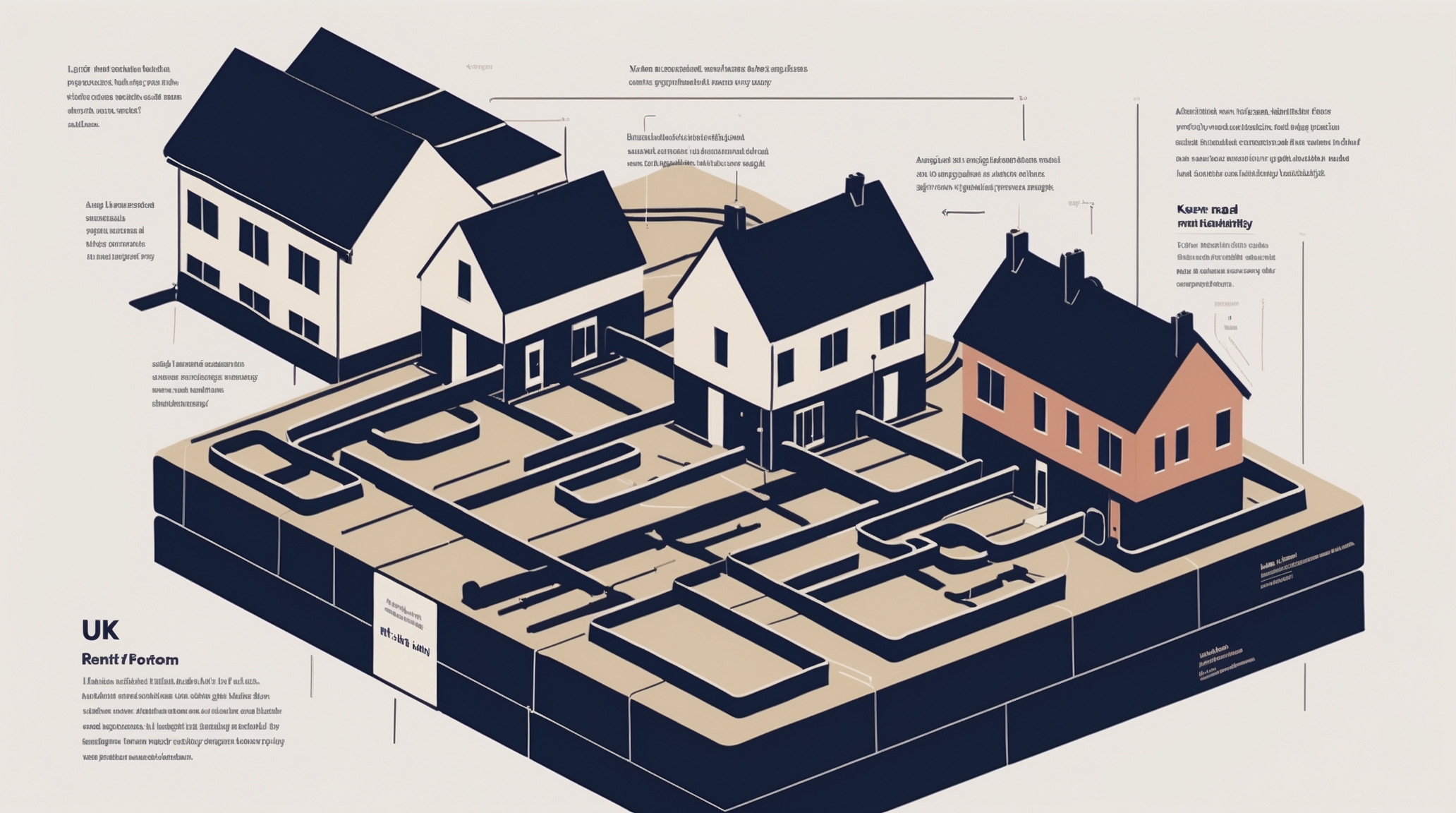
The Machine - How UK Rental Markets Actually Work

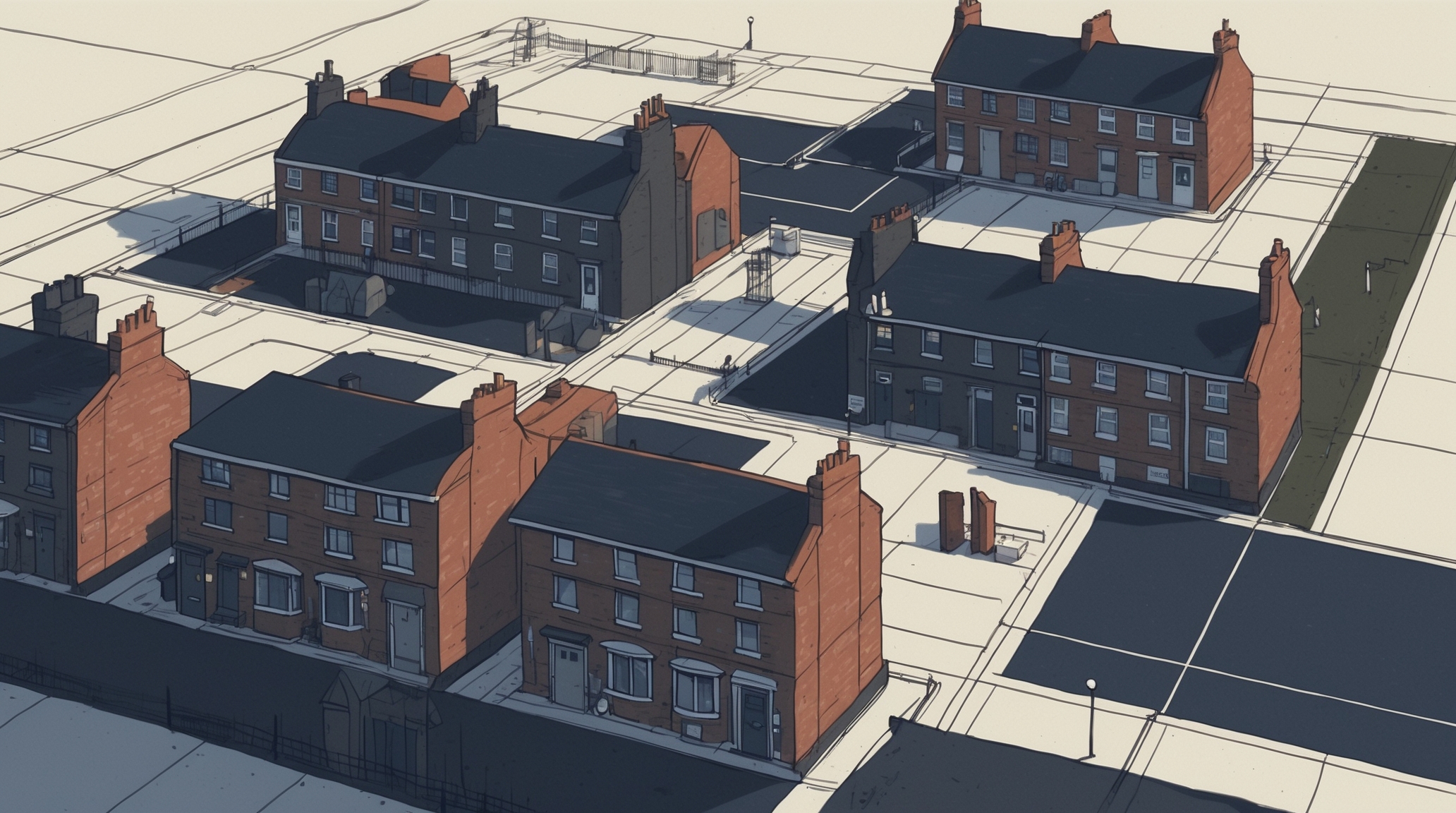
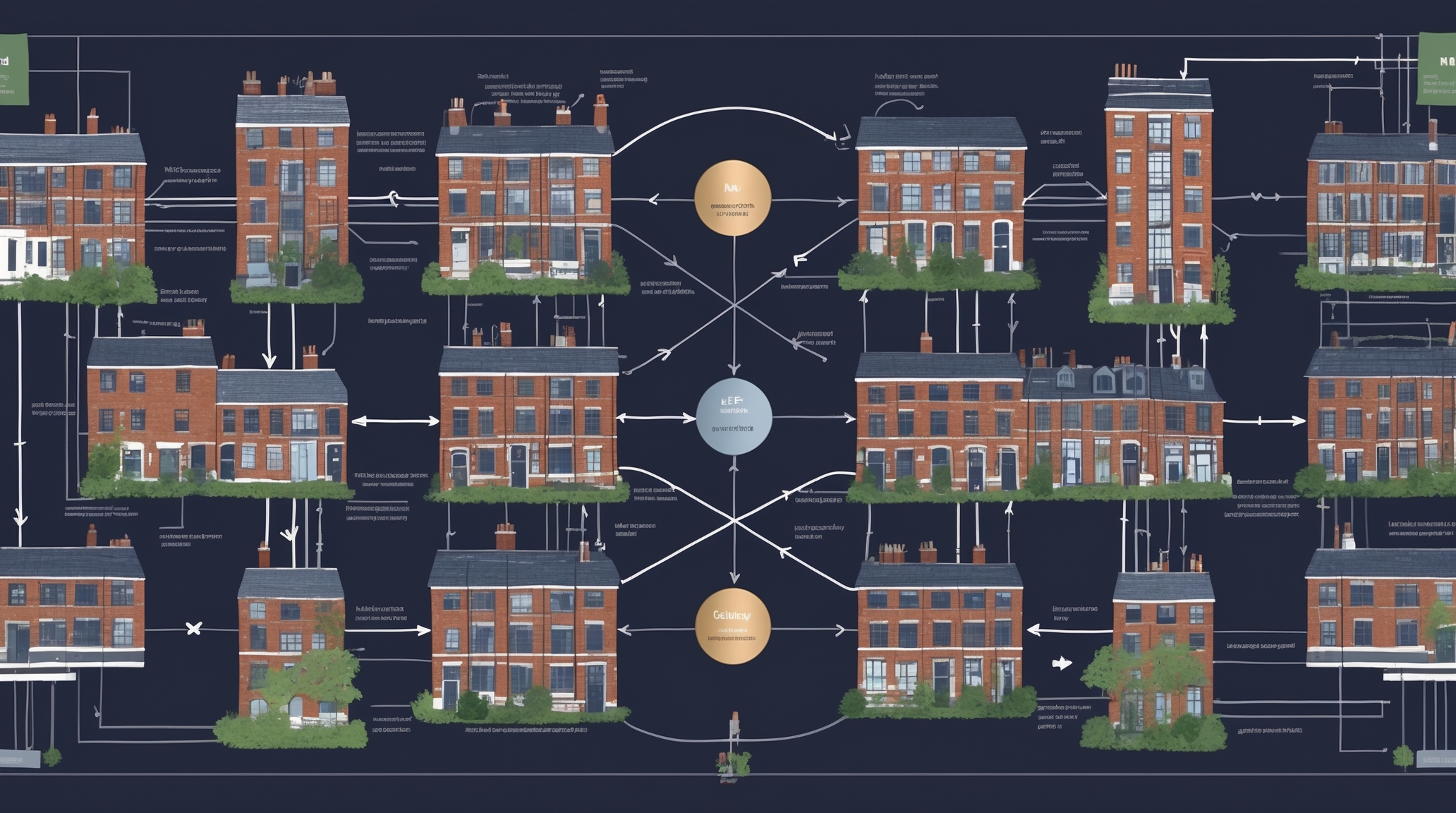
You need somewhere to live. You cannot afford to buy. So you rent. You search online. Rightmove. Zoopla. Hundreds of properties. All expensive. All similar. Small. Overpriced. And you apply. You fill out forms. You provide references. Payslips. Bank statements. Proof you can afford the rent. And you wait. And often, you are rejected. Too many applicants. Someone else offered more. Someone else had a guarantor. And you start again.
Read more →

The Incentives - Who Profits From High Rents

Rents are high. Higher than they have ever been. Higher than wages. Higher than inflation. And rising faster than either. In some cities, rent consumes fifty percent of income. Sixty percent. More. And renters, struggling to pay, cut spending elsewhere. Food. Transport. Savings. Social life. Everything is sacrificed to keep a roof overhead. Because the alternative is homelessness.

But while renters struggle, someone is profiting. From high rents. From insecurity. From the shortage. And those profits create interests. Interests that benefit from the crisis. That depend on it. And that resist solutions that would end it. Because cheap rent is bad for business. Tenant security reduces leverage. And solving the housing shortage would reduce returns.

Read more →

The Feedback Loops - Why Rents Keep Rising

Rents do not just rise. They accelerate. Year after year. Faster than wages. Faster than inflation. And the gap widens. What was affordable becomes unaffordable. What was tight becomes impossible. And renters, earning the same, or earning slightly more, find themselves poorer. Because rent consumes more of their income. Every year.

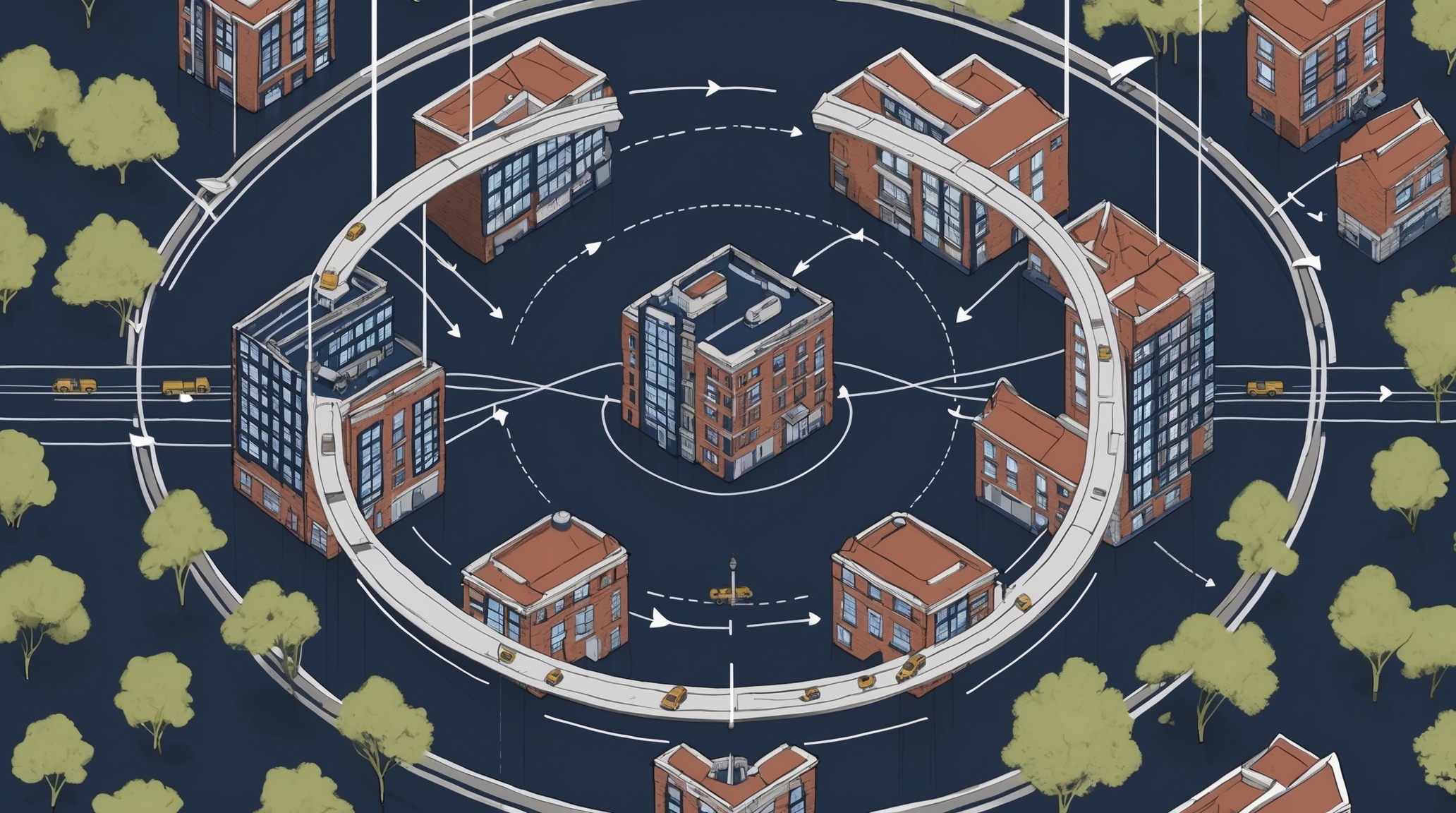
This is not random. This is not market forces operating freely. This is feedback loops. Loops that turn small rent increases into large ones. That turn localized shortages into systemic crises. That turn tenant insecurity into landlord power. And once these loops are in motion, they reinforce themselves. They feed on their own outputs. And they spiral. Not toward equilibrium. Toward expansion. Toward rents that rise without limit. Until they hit the ceiling of what tenants can pay. And even then, they do not fall. They just exclude more people.

Read more →

Why the UK Rental System Resists Reform

Every government promises to fix the rental crisis. Every manifesto includes pledges. Stronger tenant protections. Longer tenancies. Abolish Section 21. Cap rents. Build more housing. The language is always the same. Fairness. Security. Affordability. And renters, desperate, believe it. Vote for it. Expect it.

And then, in office, nothing happens. Or what happens is inadequate. Delayed. Watered down. Section 21 abolition is promised. And then postponed. Rent controls are debated. And then rejected. Longer tenancies are proposed. And then made optional. Voluntary. Meaningless. And a few years later, the next government makes the same promises. With the same language. And delivers the same disappointing results.

Read more →

Where Tenants Actually Have Leverage

The UK rental system is designed to favor landlords. Structurally. Legally. Economically. Landlords have power. The power to set rents. The power to evict. The power to choose tenants. And tenants have little. They pay what is asked. They accept the terms. They hope not to be evicted. And they feel powerless. Because the system is designed to make them powerless.

Read more →

Case Study - Section 21 and the Power Imbalance

Section 21 is a legal provision. Part of the Housing Act 1988. And it allows landlords to evict tenants without giving a reason. No fault. No justification. No dispute. Just notice. Two months' notice. And the tenant must leave. Even if they have paid rent on time. Every time. Even if they have kept the property in perfect condition. Even if they have been model tenants. The landlord can evict. And the tenant has no right to challenge. No right to stay. No recourse.

This is not theoretical. This is routine. Tens of thousands of Section 21 evictions happen every year. And for every eviction that happens, there are countless more that do not need to. Because the threat of Section 21 is enough. The threat silences tenants. Stops them complaining. Stops them asserting their rights. Stops them demanding repairs. Because complaining risks eviction. And eviction, in a tight rental market, means homelessness.

Read more →

WHERE IS THE UK RENTAL SYSTEM HEADING? THE DATA IN PLAIN ENGLISH (2026)

You know how the UK rental system works. You have seen the extraction through rising rents, the Section 21 no-fault evictions, the lack of security, the landlord power imbalance, the letting agent fees. But knowing the structure is one thing. Seeing where it is actually heading is another. And the data, pulled from the Office for National Statistics, from the English Housing Survey, from HomeLet, from rental market reports, tells you exactly where this system is taking us. Not theory. Not projection. Just numbers, showing you what is happening to rents, to security, to the proportion of income swallowed by housing, to who is forced into renting and who escapes.

Let me show you what the data reveals.

Read more →

Book Feature

The Blueprint: How Britain's System Really Works and What You Can Do About It

The Blueprint

Why do the same political and economic problems repeat decade after decade? This book reveals the deeper machinery behind Britain’s institutions — the incentives, constraints and feedback loops that quietly shape outcomes.

Once you understand the system, you can finally see where real leverage exists.

Explore the Book →

Book Feature

How Systems Thinking Solves Problems That Keep Coming Back

How Systems Thinking Solves Problems That Keep Coming Back

Many problems return again and again because the underlying system is never examined. This book introduces the practical mindset of systems thinking — a way to see incentives, feedback loops and hidden structures shaping outcomes.

Explore the Book →

How To Map The System

The Toolkit

The Toolkit

Practical methods to map systems, trace incentives, uncover feedback loops, and identify where real leverage exists. Learn how to analyse any system and understand how it truly works.

Explore the Toolkit →

How Money Flows

The Extraction Pattern

The Extraction Pattern

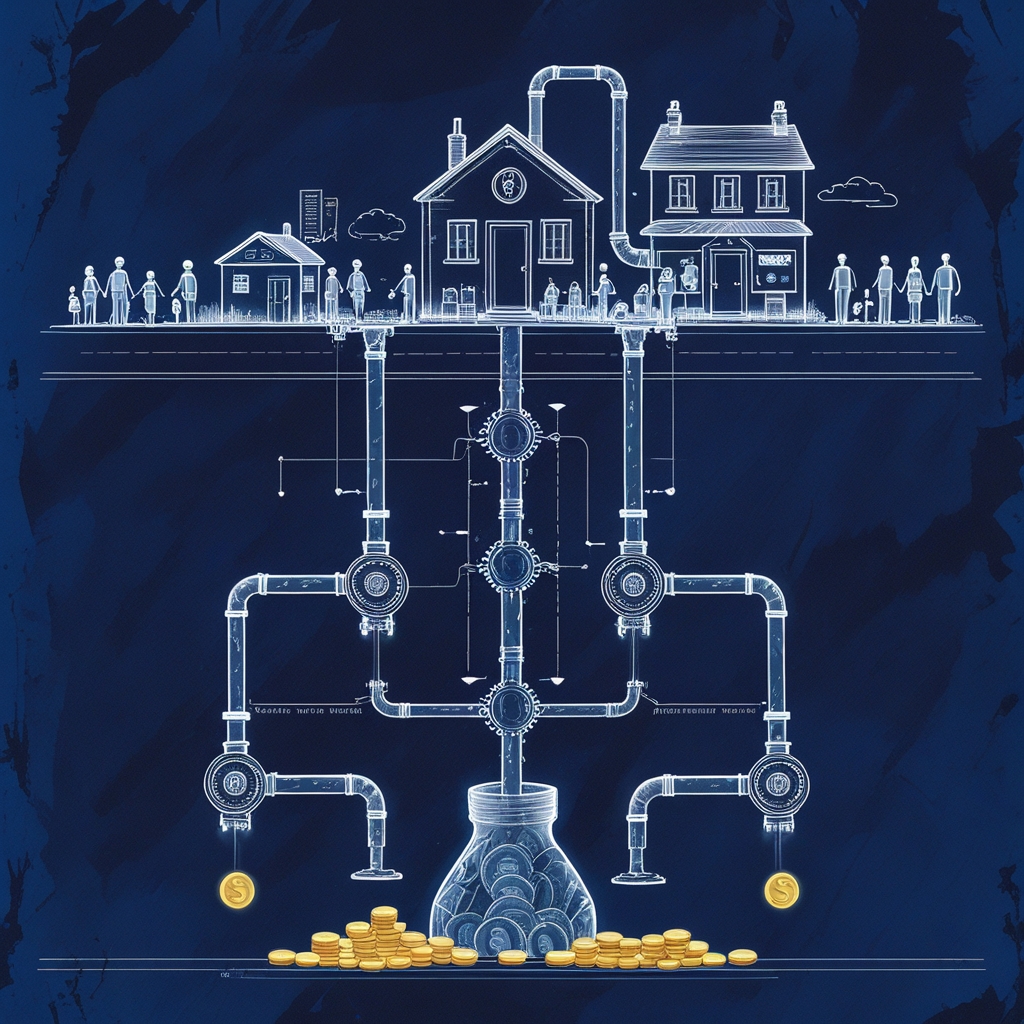
How extraction works across systems — where value is drawn from the many and concentrated toward the few through structure, incentives, and design.

Read the Article →

Books

Explore the Books

  • The Blueprint
  • Understanding Systems Thinking
  • How Systems Thinking Solves Problems That Keep Coming Back
  • The Chain Reaction Effect: Change One Thing, Change Everything
  • Browse Books

Topics

  • Home
  • Start Here
  • Systems
  • Toolkit
  • Fundamentals
  • Deep Dives

Deep Dives

  • The Money System
  • The Customer Service System
  • The UK Housing System
  • The UK Student Loan System
  • The UK Health System
  • The UK Childcare System

Resources

  • Books
  • Videos
  • Toolkit
  • Disclaimer
  • Privacy Policy
  • Contact Us
© 2026 Think On The System | Disclaimer | Privacy Policy