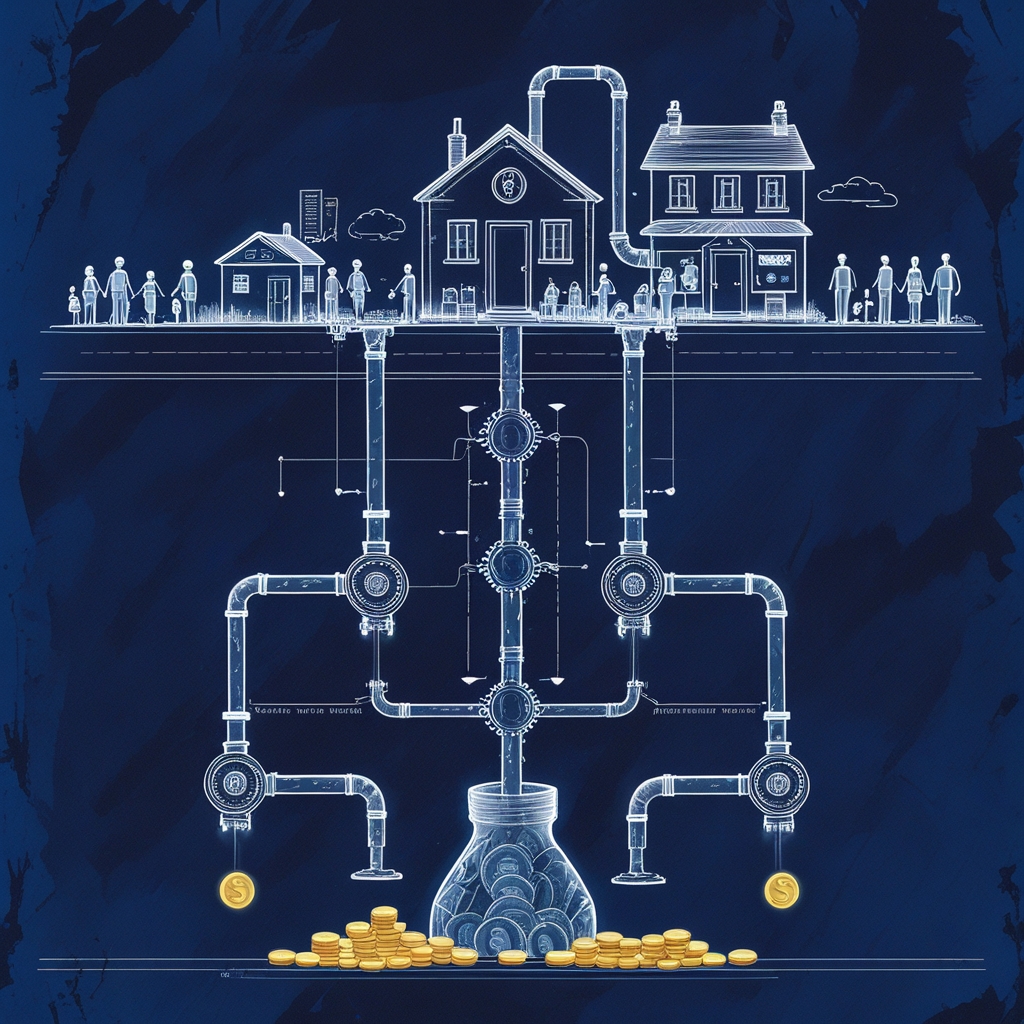
Where Tenants Actually Have Leverage
The UK rental system is designed to favor landlords. Structurally. Legally. Economically. Landlords have power. The power to set rents. The power to evict. The power to choose tenants. And tenants have little. They pay what is asked. They accept the terms. They hope not to be evicted. And they feel powerless. Because the system is designed to make them powerless.
But tenants are not entirely without leverage. There are points where they have power. Where they can resist. Where they can create pressure. Where they can shift the balance. Not by much. The system is too stacked against them. But enough to matter. Enough to protect themselves. Enough to push back.
Because landlords, despite their power, are not invincible. They depend on tenants. They need rental income. They need properties occupied. They need to avoid costs. Void periods. Legal battles. Bad publicity. And these dependencies create vulnerabilities. Points where tenants, individually or collectively, can apply pressure. And force landlords to respond.
Let me show you where tenants actually have leverage in the UK rental system.
The first point of leverage is withholding rent. This is risky. Legally risky. Because withholding rent gives the landlord grounds to evict. For rent arrears. Section 8. But it is also powerful. Because landlords need rent. Monthly. Reliably. And if the rent stops, the landlord's income stops. The mortgage still needs paying. The costs still accumulate. And the landlord, facing financial pressure, is forced to act.
This works when the property is substandard. Unsafe. When the landlord has failed to repair. When there is damp. Mold. Broken heating. Unsafe electrics. In these cases, the tenant can withhold rent. And argue that the property is uninhabitable. That the landlord has breached the contract. And that withholding rent is justified.
But this requires documentation. Evidence. Photos. Emails to the landlord requesting repairs. Records of the landlord's failure to act. And ideally, legal advice. From a housing charity. Shelter. Citizens Advice. Because if the tenant withholds rent without evidence, without justification, the landlord will evict. And win. But if the tenant has evidence, has followed procedure, the landlord is vulnerable. And more likely to negotiate. To repair. To reduce rent. To avoid court.
This is not without risk. But it is leverage. And for tenants in genuinely substandard properties, it is one of the few tools available.
The second point of leverage is reporting to the council. Local councils have enforcement powers. Environmental health. Housing standards. If a property is unsafe, the council can inspect. Issue notices. Require repairs. And fine the landlord. Or, in extreme cases, take enforcement action. Prohibition orders. Improvement notices.
And landlords fear councils. Because council action is public. It creates a record. It affects their reputation. Their ability to rent to future tenants. And it costs money. Legal fees. Repair costs. Fines. So the threat of council involvement is powerful.
Tenants can report. Anonymously, if necessary. And councils, particularly in areas with active enforcement teams, will investigate. They will inspect. And if the property is substandard, they will act. Not always. Not quickly. But often enough to matter.
And the mere threat of reporting can shift landlord behavior. A tenant who says, I am prepared to report this to environmental health, is a tenant the landlord takes seriously. Because the cost of council involvement exceeds the cost of making the repair. So landlords, rationally, repair. To avoid enforcement.
The third point of leverage is public pressure. Social media. Tenant forums. Local news. Naming and shaming. Landlords, particularly corporate landlords, care about reputation. Because reputation affects their ability to rent. To attract tenants. To maintain occupancy.
A tenant who posts about poor conditions, about unresponsive landlords, about unfair evictions, creates visibility. And visibility creates pressure. Other potential tenants see it. Avoid the landlord. The property stays empty. The landlord loses income. And faced with that loss, the landlord is more likely to respond. To resolve the complaint. To improve conditions.
This works best with corporate landlords. Build-to-Rent operators. Large portfolio landlords. Who have brands. Who market themselves. Who care about Google reviews. About social media presence. A bad review. A viral complaint. Damages their brand. So they respond. Quickly. To contain it.
Small landlords are less vulnerable. They do not have brands. They do not market. So public pressure is less effective. But even small landlords care about reputation. Locally. In their community. And a tenant who is prepared to make noise, to complain publicly, to contact local media, is a tenant the landlord wants to keep quiet. And keeping them quiet often means addressing the complaint.
The fourth point of leverage is collective action. Tenant unions. Tenant associations. Building-level organizing. When tenants act collectively, they have power. Power they do not have individually. Because a landlord can ignore one tenant. But cannot ignore fifty.
If tenants in a Build-to-Rent development organize, they can demand better conditions. Lower rents. Proper maintenance. And if the landlord refuses, they can withhold rent. Collectively. All at once. And the landlord, facing mass non-payment, is forced to negotiate. Because evicting fifty tenants is expensive. Disruptive. Publicly damaging. And replacing them all, simultaneously, is difficult.
This requires organization. Leadership. Trust. And courage. Because collective action is risky. The landlord can pick off individuals. Evict the organizers. Intimidate. But if tenants stick together, if they support each other, the landlord's power is limited. And the collective has leverage.
Tenant unions are growing. In cities. In university towns. And they are winning. Rent reductions. Repairs. Deposit returns. Not everywhere. Not always. But enough to show that collective action works. And that tenants, when organized, are not powerless.
The fifth point of leverage is legal rights. Tenants have rights. Legal rights. And landlords who violate them are vulnerable. To court action. To compensation. To penalties.
Landlords must protect deposits. In approved schemes. If they do not, the tenant can sue. For up to three times the deposit. Landlords must provide safe properties. Gas safety certificates. Electrical safety. Smoke alarms. If they do not, they cannot evict using Section 21. And tenants can report them. Landlords must give proper notice. Two months for Section 21. And if they do not, the eviction is invalid.
Tenants who know their rights, who document violations, who are prepared to go to court, have leverage. Because landlords do not want court. Court is expensive. Time-consuming. And public. And if the landlord has violated the law, they lose. And pay. Compensation. Legal costs. Penalties.
So a tenant who says, you have not protected my deposit, I know my rights, I am prepared to go to court, is a tenant the landlord takes seriously. Because the landlord knows they are exposed. And settling, paying compensation, is cheaper than fighting.
The sixth point of leverage is staying. Not leaving. Landlords want compliant tenants. Tenants who pay. On time. Every time. Who do not complain. Who do not demand repairs. And who stay. Because turnover costs money. Void periods. Cleaning. Redecorating. Letting agent fees. Finding new tenants.
So a good tenant, one who pays reliably, who does not cause problems, has leverage. Because the landlord does not want to lose them. And knowing this, the tenant can negotiate. Ask for repairs. Push back on rent increases. Request longer tenancies. And the landlord, not wanting the cost of turnover, is more likely to agree.
This leverage is greatest in tight markets. Where finding new tenants is easy. Because in those markets, the landlord can afford to lose you. But in softer markets, where demand is lower, where properties sit empty, the leverage shifts. And tenants, knowing the landlord needs them, can negotiate harder.
The seventh point of leverage is moving. Exit. Leaving. If the rent is too high, if the conditions are too poor, if the landlord is too difficult, the tenant can leave. And leaving sends a signal. That the terms are unacceptable. And if enough tenants leave, if the property stays empty, the landlord is forced to respond. To lower rent. To improve conditions. To attract tenants.
This leverage is limited. Because moving is expensive. Deposits. Moving costs. Time. And in a tight market, the landlord can easily find another tenant. So exit, as leverage, works best when the tenant has alternatives. When the market is softer. When demand is lower. And when the tenant can afford to move.
But exit is still leverage. Because every void period costs the landlord. Rent not collected. Mortgage still paid. And landlords, facing repeated turnover, repeated voids, eventually realize that keeping tenants requires offering better terms.
The eighth point of leverage is deposit disputes. At the end of the tenancy, landlords often claim deductions. For damage. For cleaning. For unpaid bills. And many tenants, tired, wanting to move on, accept the deductions. Even when unjustified.
But tenants can challenge. Through the deposit protection scheme. Submit evidence. Photos taken at move-in. Photos taken at move-out. Cleaning receipts. Emails. And the scheme adjudicates. And often, the scheme sides with the tenant. Because landlords overclaim. Exaggerate. Charge for wear and tear, which is not the tenant's responsibility.
Challenging deposit deductions is low-risk. Free. And effective. Landlords know this. And landlords who routinely overclaim, who lose disputes, learn. That tenants are prepared to fight. And adjust. Reduce deductions. Return deposits in full. To avoid the hassle of disputes.
So tenants who always challenge, who never accept deductions without question, have leverage. Because landlords, facing resistance, back down.
The ninth point of leverage is voting. Political leverage. Tenants are a large constituency. Millions of people. And if they voted, as a bloc, they could shift policy. Elect politicians who support tenant protections. Who oppose Section 21. Who support rent controls. Who fund social housing.
But tenants do not vote as a bloc. They are atomized. Transient. Disorganized. And turnout is low. So their political power is unrealized. But it exists. Potentially. And if tenants organized, registered, voted, they could shift the balance. Force politicians to prioritize them. Over landlords.
This requires mobilization. Voter registration drives. Tenant unions encouraging members to vote. Campaigns highlighting tenant issues. And candidates who stand on pro-tenant platforms. It is long-term. Not immediate. But it is the most powerful leverage available. Because political power, once organized, changes systems.
So here is where tenants have leverage. Withholding rent when properties are unsafe. Reporting landlords to councils for enforcement. Creating public pressure through social media and reviews. Organizing collectively to demand better terms. Asserting legal rights and threatening court action. Being good tenants and negotiating from stability. Leaving when terms are unacceptable. Challenging unjustified deposit deductions. And voting as a bloc to shift political power.
None of these are easy. None are guaranteed. And all carry risk. But they are leverage. Real leverage. And tenants who use them, individually or collectively, are not powerless. They are exercising what power they have. Within a system designed to suppress them.
And leverage, even small leverage, matters. Because landlords depend on tenants. Need them. And when tenants refuse to be passive, refuse to accept exploitation quietly, the balance shifts. Not dramatically. Not enough to fix the system. But enough to protect themselves. Enough to resist. Enough to survive.
The final article will show you a case study. Section 21. The no-fault eviction rule. How it works. Why it exists. Who it serves. And what its abolition would mean. Because Section 21 is the clearest symbol of the power imbalance. And understanding it is the key to understanding the entire UK rental system.