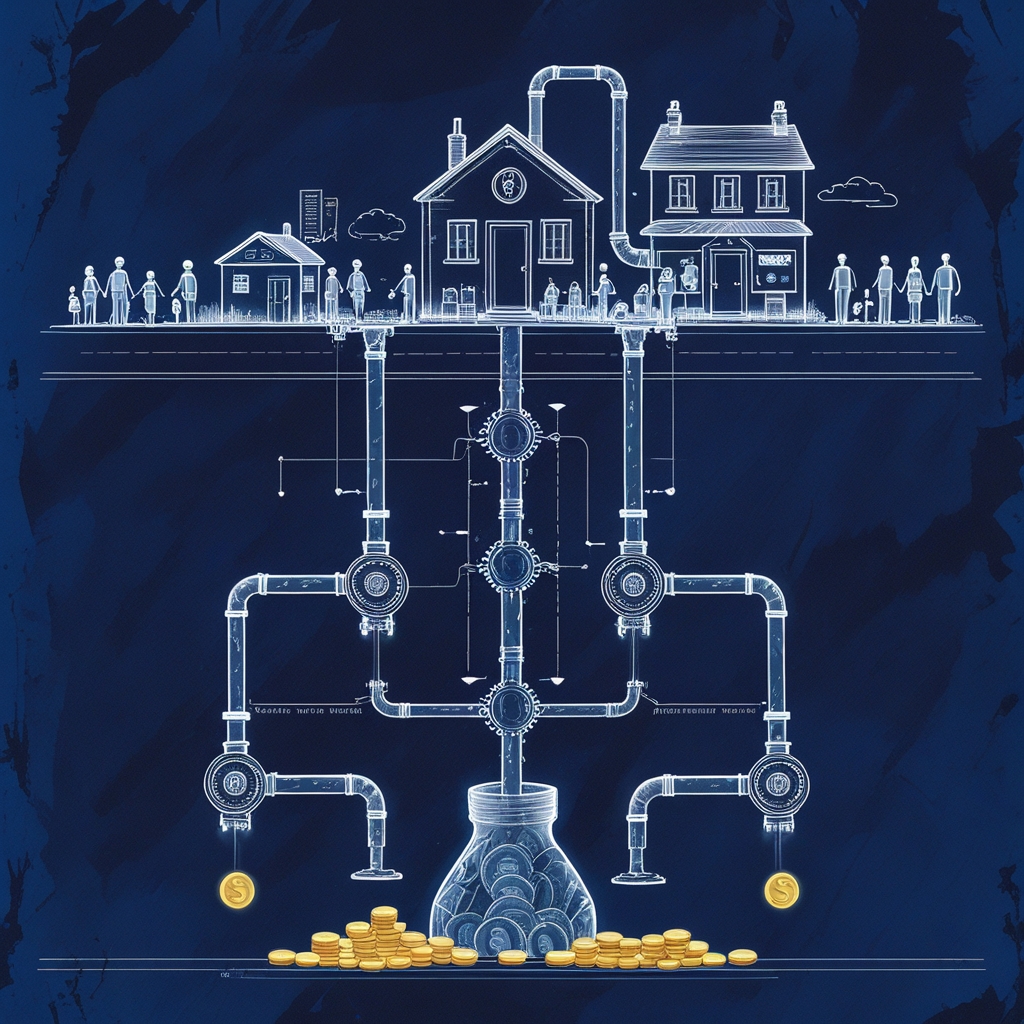
Why the UK Rental System Resists Reform
Every government promises to fix the rental crisis. Every manifesto includes pledges. Stronger tenant protections. Longer tenancies. Abolish Section 21. Cap rents. Build more housing. The language is always the same. Fairness. Security. Affordability. And renters, desperate, believe it. Vote for it. Expect it.
And then, in office, nothing happens. Or what happens is inadequate. Delayed. Watered down. Section 21 abolition is promised. And then postponed. Rent controls are debated. And then rejected. Longer tenancies are proposed. And then made optional. Voluntary. Meaningless. And a few years later, the next government makes the same promises. With the same language. And delivers the same disappointing results.
This is not incompetence. This is resistance. The rental system resists reform. Not because reform is impossible. But because the forces protecting landlords are stronger than the forces protecting tenants. And those forces are structural. Political. Economic. And they ensure that the rental system, despite being exploitative, despite being unstable, stays largely as it is. Because changing it threatens too many interests. And those interests have power.
Let me show you why the UK rental system resists reform.
The first reason is landlord voting power. There are millions of landlords in the UK. Not just large landlords. Not just corporations. But small landlords. Individuals. People who own one property. Two properties. And they vote. In higher numbers than renters. And they vote to protect their investment.
Renters tend to be younger. More transient. Less likely to vote. They move frequently. Registration lapses. Postal votes do not arrive. And even when they do vote, they are outnumbered. By homeowners. By landlords. By older voters. So politicians respond to the voters who turn out. And the voters who turn out are landlords. Homeowners. Property owners.
And landlords see rental reform as a threat. Abolishing Section 21 reduces their power. Rent controls reduce their income. Longer tenancies reduce flexibility. So they oppose. They lobby their MP. They join landlord associations. They vote for parties that promise to protect property rights. And politicians, seeing the pressure, respond. They water down reforms. Delay implementation. Or shelve proposals entirely.
This is the tyranny of the property-owning democracy. Landlords and homeowners are a majority of voters. Renters are not. So policy reflects the interests of owners. Not renters. And owners want rents high. Property values high. Tenants compliant. So reform that would help renters is blocked.
The second reason is landlord lobby groups. The National Residential Landlords Association. NRLA. Represents landlords. Lobbies government. And opposes tenant protections. They argue that regulation drives landlords out. Reduces supply. Hurts tenants. And they have access. To ministers. To MPs. To policymakers. They fund research. Produce reports. And shape the narrative.
And their argument has power. Because it contains some truth. Heavy-handed regulation can reduce supply. If being a landlord becomes unprofitable, some landlords sell. And if they sell to owner-occupiers, rental supply falls. And falling supply, with demand constant, raises rents. So the lobby argues that protecting tenants harms them. By reducing supply. And politicians, hearing this, hesitate.
But the argument is also self-serving. Because landlords do not exit when regulation is reasonable. They exit when profits fall. And profits fall not because of regulation. But because of tax changes. Or because house prices stop rising. Or because maintenance costs increase. Regulation, when designed well, does not drive landlords out. It just reduces their power. And their returns. And landlords, rationally, resist that.
The third reason is ideological attachment to property rights. In the UK, property ownership is sacred. Property rights are fundamental. And the idea that government can tell a landlord what they can charge, who they must rent to, how long they must rent for, is seen as interference. Overreach. Socialism, even.
This ideology is deeply embedded. In the Conservative Party, obviously. But also in parts of Labour. In the Liberal Democrats. Property rights are a liberal value. A conservative value. A centrist value. So interfering with them is politically toxic. It alienates middle-class voters. Homeowners. Aspirational voters who hope to own property one day. And politicians, fearing alienation, avoid it.
So rent controls are rejected. Not because they do not work. But because they violate property rights. Section 21 is defended. Not because it is fair. But because landlords have a right to manage their property. And longer tenancies are resisted. Because landlords have a right to flexibility. The ideology protects landlords. And constrains reform.
The fourth reason is Treasury opposition. The Treasury controls public spending. And most rental reforms, if done properly, cost money. Building social housing costs money. Subsidizing rent costs money. Enforcing tenant protections costs money. Local councils need funding. Courts need funding. And the Treasury, fiscally conservative, resists spending.
But here is the deeper issue. The Treasury benefits from the rental sector. Landlords pay tax. On rental income. On capital gains. And while the tax is not as much as it could be, it is something. And the government, collecting that tax, has a fiscal interest in the buy-to-let sector continuing. Not growing, necessarily. But continuing.
And the Treasury uses housing benefit to avoid building social housing. Housing benefit, paid to tenants who rent privately, costs billions per year. Far more than it would cost to build social housing. But building social housing requires capital spending. Upfront investment. And housing benefit is revenue spending. Which does not increase public debt. So the Treasury prefers it. Even though it is more expensive long-term. Because it is cheaper short-term. And the Treasury thinks short-term.
So the Treasury blocks reform. Blocks social housing investment. Blocks rent subsidies. Blocks enforcement funding. And without funding, reform cannot happen. Even if the political will exists. Which it usually does not.
The fifth reason is complexity and unintended consequences. The rental market is complex. Landlords. Tenants. Agents. Lenders. Investors. Developers. All interacting. And any reform in one area affects others. Unpredictably.
Introduce rent controls. And landlords stop maintaining properties. Because they cannot recoup the cost through higher rent. So properties deteriorate. Tenants suffer. Abolish Section 21. And landlords use Section 8. Evict for rent arrears. One day late. One pound short. And tenants, fearing eviction, pay on time. Always. Even if it means going into debt. The reform changes behavior. But not in the way intended.
Or landlords exit. Sell to owner-occupiers. Rental supply falls. Rents rise. The reform, intended to help tenants, harms them. And politicians, seeing this, conclude that reform is risky. That it backfires. So they avoid bold reform. Stick to incremental changes. Which do not solve the problem. But at least do not make it catastrophically worse.
And the complexity creates paralysis. Because any reform requires predicting consequences. And predictions are uncertain. So governments, risk-averse, avoid reform. Or implement it so cautiously that it achieves nothing.
The sixth reason is the mortgage lender lobby. Banks. Building societies. They profit from buy-to-let. And they resist reform that threatens it. Rent controls threaten it. Because if rents are capped, landlords earn less. Cannot repay mortgages. Default. And banks lose money. So banks lobby. Against rent controls. Against anything that threatens landlord income.
And banks have power. Political power. Economic power. They are systemically important. Too big to fail. And governments listen. Because angering the banks is dangerous. Banks can withdraw lending. Contract credit. And tank the economy. So governments, fearing this, accommodate banks. Protect their interests. And those interests align with landlords. Not tenants.
The seventh reason is developer resistance. Property developers. Housebuilders. They build rental housing. Build-to-Rent. And they sell to investors. To corporate landlords. And they resist reform that makes rental housing less profitable. Because less profitable rental housing means less investment. Less investment means fewer buyers. Fewer buyers means developers cannot sell. Cannot profit.
So developers lobby. Against rent controls. Against tenant protections. Against anything that reduces yield. Because yield is what attracts investors. And investors are who developers sell to. So developers, defending their business model, resist reform. And governments, wanting developers to build, listen.
The eighth reason is media narratives. The media, particularly right-leaning media, frames landlords as providers. Job creators. Risk-takers. And frames tenants as entitled. Demanding. Ungrateful. This narrative is reinforced. Through opinion pieces. Through interviews with landlords. Through stories about problem tenants. Rent arrears. Damage.
And the counter-narrative, tenants as victims, landlords as exploiters, is marginalized. Dismissed as left-wing. As anti-business. As attacking aspiration. So public opinion, shaped by media, is sympathetic to landlords. And unsympathetic to tenants. And politicians, responding to public opinion, protect landlords.
The ninth reason is political short-termism. Rental reform takes time. Years. To build social housing takes years. To change culture takes years. To enforce new regulations takes years. But elections happen every four or five years. And politicians need wins. Visible wins. Before the next election.
Rental reform does not deliver that. It delivers disruption first. Landlords complaining. Media criticism. Legal challenges. And the benefits, if they come, come later. After the politician has left office. So the politician who reforms takes the blame. For the disruption. And someone else gets the credit. For the improvement. If there is improvement.
This creates a perverse incentive. Avoid long-term reform. Focus on short-term announcements. Promises. Initiatives. Things that generate headlines. That look like action. Even if they achieve nothing. Because achieving something takes longer than an electoral cycle. And politicians do not have that luxury.
The tenth reason is lack of organized tenant power. Landlords are organized. The NRLA. Local landlord associations. They have resources. They lobby. They campaign. Tenants are not organized. There is no national tenants' union. No equivalent to the NRLA. Tenants are atomized. Individual. Transient. And they lack collective power.
Some cities have tenant unions. Local groups. But they are small. Under-resourced. And fragmented. So they cannot match landlord lobbying. Cannot fund campaigns. Cannot shape policy. And politicians, seeing no organized tenant pressure, prioritize landlords. Because landlords are organized. Loud. And vote.
And tenants, lacking organization, cannot hold politicians accountable. Cannot mobilize. Cannot threaten electoral consequences. So politicians make promises to tenants. To win votes. But break them. Because there is no mechanism to enforce accountability. Landlords enforce accountability. By voting. By lobbying. By donating. Tenants do not.
So here is why the UK rental system resists reform. Landlords vote in higher numbers than tenants. Landlord lobby groups have access and resources. Ideological attachment to property rights constrains regulation. The Treasury opposes spending and benefits from housing benefit. Complexity creates fear of unintended consequences. Mortgage lenders resist threats to buy-to-let. Developers resist reduced profitability. Media narratives favor landlords over tenants. Political short-termism avoids long-term solutions. And tenants lack organized power to demand change.
These forces interact. Reinforce each other. And ensure that reform, despite being promised, despite being needed, does not happen. Or happens so weakly that it achieves nothing. The system stays as it is. Exploitative. Insecure. Expensive. Because the forces protecting it are stronger than the forces attacking it.
The next article will show you where tenants actually have leverage. Not to transform the system. That is beyond reach. But to protect themselves. To resist exploitation. To create pressure. To shift the balance. Slightly. In their favor. Because leverage exists. If tenants know where to find it. And how to use it.