The Feedback Loops - Why Rents Keep Rising
Rents do not just rise. They accelerate. Year after year. Faster than wages. Faster than inflation. And the gap widens. What was affordable becomes unaffordable. What was tight becomes impossible. And renters, earning the same, or earning slightly more, find themselves poorer. Because rent consumes more of their income. Every year.
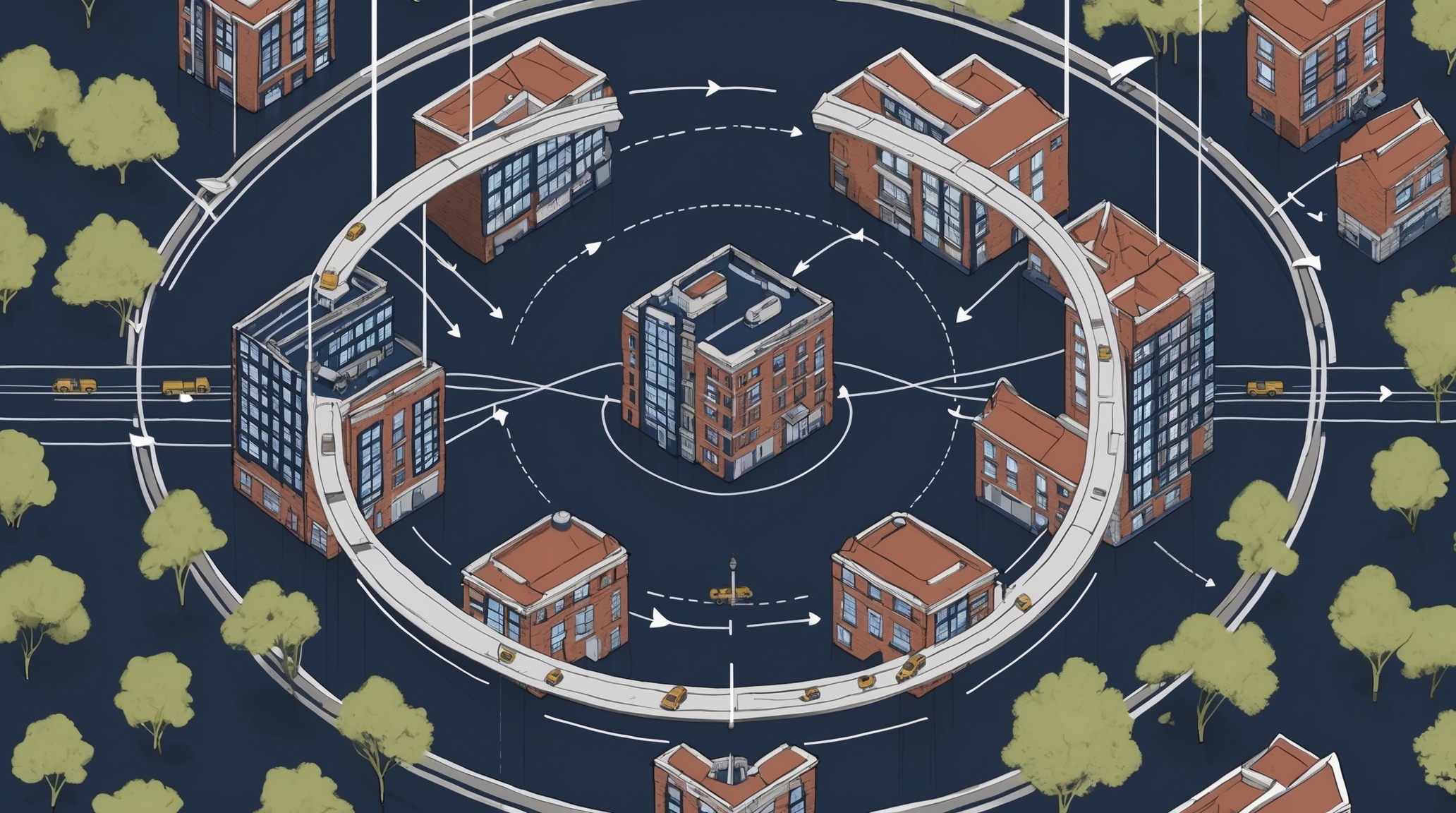
This is not random. This is not market forces operating freely. This is feedback loops. Loops that turn small rent increases into large ones. That turn localized shortages into systemic crises. That turn tenant insecurity into landlord power. And once these loops are in motion, they reinforce themselves. They feed on their own outputs. And they spiral. Not toward equilibrium. Toward expansion. Toward rents that rise without limit. Until they hit the ceiling of what tenants can pay. And even then, they do not fall. They just exclude more people.
Let me show you the feedback loops that make UK rents keep rising.
The first loop is the supply shortage loop. The UK does not build enough housing. Total housing. Owner-occupied or rental. And undersupply creates scarcity. Scarcity drives up prices. High prices make buying unaffordable. And people who cannot buy rent. So demand for rental housing increases. More demand with the same supply means higher rents. Landlords can charge more. Because tenants have no alternative.
And here is the feedback. High rents make buy-to-let attractive. Returns are good. Yields are strong. So investors buy. They buy properties that could have been owner-occupied. And convert them to rental. Or they buy new builds. Marketed to investors. And rent them out. So the rental stock grows. Slightly. But the owner-occupied stock shrinks. And more people, priced out of ownership, become renters. Demand for rental housing increases further. And rents rise again.
The loop reinforces. Undersupply creates high rents. High rents attract landlords. Landlords reduce owner-occupied stock. More people are forced to rent. Demand increases. Rents rise higher. And the cycle continues.
The second loop is the expectation loop. Rents have been rising. For years. For decades. So everyone expects them to keep rising. Landlords expect it. Tenants expect it. Agents expect it. And expectations shape behavior.
Landlords, expecting rents to rise, raise rents. Annually. At renewal. In line with inflation. Or above. Because the market supports it. Because comparable properties are charging more. And because tenants, expecting rent increases, budget for them. They accept them. Reluctantly. But they accept. Because refusing means moving. And moving is expensive. Disruptive. So they stay. And pay.
And letting agents, expecting rents to rise, advise landlords to increase. Every year. To keep pace with the market. And landlords, trusting the agent, comply. Even if the tenant is good. Even if the property has issues. The rent goes up. Because that is what rents do. They rise.
And tenants, seeing rents rise everywhere, do not resist. They do not negotiate. They do not challenge. Because they believe resistance is futile. The market is the market. And the market is rising. So they accept the increase. And the expectation becomes reality. Rents rise. Because everyone expects them to. And because everyone expects them to, they do. The loop is self-fulfilling.
The third loop is the wage-rent spiral. Rents rise. Tenants, paying higher rent, have less disposable income. Less money for savings. For consumption. For living. But they still need to live. So they demand higher wages. They ask for raises. They switch jobs for better pay. And wages, in aggregate, rise.
But here is the feedback. Rising wages make tenants able to pay more rent. Landlords know this. Agents know this. So when wages rise, rents rise. To capture the increased income. The tenant, earning more, is no better off. Because the rent increase consumes the wage increase. And the cycle repeats. Wages rise. Rents rise. Wages rise again. Rents rise again. And the tenant, despite earning more, stays in the same position. Or worse. Because rents rise faster than wages.
This is the treadmill. The tenant runs faster. Earns more. But never gets ahead. Because the rent keeps pace. Or exceeds pace. And the landlord, extracting the wage increase through rent, profits. Without doing anything. Just by owning.
The fourth loop is the financialization loop. Rental housing is an asset class. Investors buy rental properties. Not to live in. Not even to manage directly. But as investments. For yield. For capital appreciation. And the more rental housing is seen as an investment, the more capital flows into it.
Pension funds invest. Sovereign wealth funds invest. Real estate investment trusts invest. And they buy. At scale. Build-to-Rent developments. Portfolios of properties. And they expect returns. Seven percent. Eight percent. And to generate those returns, rents must be high. And rising.
So financialization drives rents up. Because investors need yield. And yield comes from rent. And rent, to be profitable, must be maximized. And here is the feedback. High rents attract more investment. More investment increases demand for rental properties. Demand pushes up property prices. Higher property prices require higher rents to maintain yield. So rents rise further. And more investment flows in. The loop accelerates.
And financialization changes the rental market. It professionalizes it. Corporatizes it. And removes the personal relationship. The small landlord who knew the tenant. Who might accept late payment. Who might defer a rent increase. Is replaced by a corporation. A fund. An algorithm. That optimizes. That maximizes. That extracts. And the tenant becomes a data point. An income stream. Not a person.
The fifth loop is the renovation-rent increase loop. Landlords renovate properties. Not out of generosity. But to justify rent increases. A kitchen is updated. Bathroom retiled. Floors replaced. And the landlord, having spent money, wants a return. So the rent goes up. Significantly. To recoup the cost. And to profit.
And here is the feedback. High rents justify renovation. Because the landlord can charge more after. And renovation justifies higher rents. So landlords renovate. Increase rent. And the tenant, who liked the old kitchen, who did not ask for renovation, pays. Because the market supports it. Because comparable renovated properties charge the same. Or more.
And this creates displacement. The tenant, unable to afford the increased rent, leaves. And a new tenant, who can afford it, moves in. Higher income. Professional. And the area, gradually, gentrifies. Rents rise across the board. And the original tenants, priced out, move elsewhere. To cheaper areas. Which, over time, undergo the same process. And are priced out again. The loop spreads. Geographically. And economically.
The sixth loop is the student rent inflation loop. Students need housing. And student housing is a captive market. Students must live near the university. They have no choice. And landlords know this. So they charge. Premium rents. For substandard properties. Houses in Multiple Occupation. HMOs. Converted family homes. Rented by the room. At inflated prices.
And here is the feedback. High student rents set the floor for all rents in the area. Because if a room in a shared house rents for six hundred pounds per month, a one-bedroom flat cannot rent for much less. So non-student rents rise. To match. Or exceed. And the area becomes expensive. For everyone. Not just students.
And landlords, seeing student rents, convert more properties to HMOs. Family homes become student houses. Neighborhoods change. And rental supply, instead of increasing broadly, concentrates in the student market. Which reduces supply for families. For non-students. And rents, in the non-student market, rise. Because supply is constrained. The loop continues.
The seventh loop is the short-term let loop. Airbnb. Booking.com. Short-term holiday lets. Landlords can earn more from short-term lets than from long-term tenancies. A property that rents for fifteen hundred pounds per month long-term might earn three thousand per month short-term. During peak season. Summer. Holidays. Events.
So landlords switch. From long-term to short-term. And every property that switches is a property removed from the long-term rental market. Supply falls. Demand, for long-term rentals, stays the same. Or increases. Because people still need somewhere to live. So rents rise.
And here is the feedback. Rising long-term rents make short-term lets even more attractive. Because the gap between long-term and short-term earnings widens. So more landlords switch. More properties are removed. Supply falls further. Rents rise higher. And the loop accelerates.
And entire neighborhoods are hollowed out. In tourist areas. In city centers. Properties that housed residents now house tourists. Communities fragment. Schools close. Local shops close. Because there are no permanent residents. Just transient visitors. And the rental crisis spreads. From cities to towns. From towns to villages. Anywhere tourists go.
The eighth loop is the deposit barrier loop. Renting requires a deposit. Five weeks' rent. Upfront. And moving requires two deposits. One for the new place. Before getting the deposit back from the old place. So tenants who want to move need significant capital. Which most do not have.
So they stay. Even if the rent is too high. Even if the property is substandard. Even if they want to leave. Because they cannot afford to move. And here is the feedback. Tenants, unable to move, accept rent increases. Because moving is financially impossible. So landlords, knowing this, increase rents. Aggressively. And tenants, trapped, pay.
And the deposit barrier reduces mobility. Tenants cannot move for work. Cannot move to cheaper areas. Cannot escape bad landlords. So they stay. And the landlord, facing no threat of vacancy, has no incentive to keep rents reasonable. Or to maintain the property. Or to treat the tenant well. The tenant is captive. And captive tenants have no leverage.
The ninth loop is the benefit cap loop. Housing benefit is capped. At the Local Housing Allowance. LHA. A maximum amount the government will pay toward rent. Based on local rent levels. But LHA has not kept pace with rent increases. It is frozen. Or increased minimally. So the gap between LHA and actual rents widens.
Tenants on benefits cannot afford the gap. So they are excluded. Landlords do not accept tenants on benefits. Too risky. Too much hassle. So tenants on benefits are pushed into the worst properties. The cheapest. The most substandard. Or into homelessness.
And here is the feedback. Excluding benefit tenants concentrates demand among non-benefit tenants. Working tenants. Professionals. And landlords, knowing they can be selective, charge more. Because they can. Because demand exceeds supply. And rents, for the remaining stock accessible to working tenants, rise. And benefit tenants, unable to access those properties, compete for the shrinking stock of cheap, substandard housing. Which also rises in price. Because even bad housing is in demand. The loop traps the poorest in the worst conditions. At the highest relative cost.
So here are the loops. Supply shortage creates high rents which attracts landlords which reduces owner-occupied stock which increases rental demand which raises rents. Expectations of rising rents cause rents to rise which confirms expectations. Wages rise so rents rise to capture the increase. Financialization drives investment which drives property prices which requires higher rents which attracts more investment. Renovation justifies rent increases which incentivizes more renovation. Student rents set the floor for area rents. Short-term lets remove long-term supply which raises long-term rents which makes short-term more attractive. Deposit barriers trap tenants who accept rent increases which emboldens landlords to increase further. And benefit caps exclude the poorest which concentrates demand which raises rents for everyone else.
These loops interact. Reinforce each other. And together, they ensure that rents rise. Relentlessly. Structurally. Not because of individual greed. Though greed exists. But because the system is designed to extract maximum rent. And the loops amplify that extraction. Turn small increases into large ones. Turn local pressures into systemic crises. And ensure that renters, no matter how hard they work, no matter how much they earn, stay on the treadmill. Paying more. Getting less. And never escaping.
The next article will show you why the rental system resists reform. Why, despite the crisis being visible, despite renters being angry, the structure does not change. Because the forces protecting landlords are stronger than the forces protecting tenants. And those forces are political. Economic. And structural.