• Home
  • Start Here
  • Systems
  • Deep Dives
  • The Question
  • System Watch
  • System Health
  • Toolkit
  • Books
  • Videos

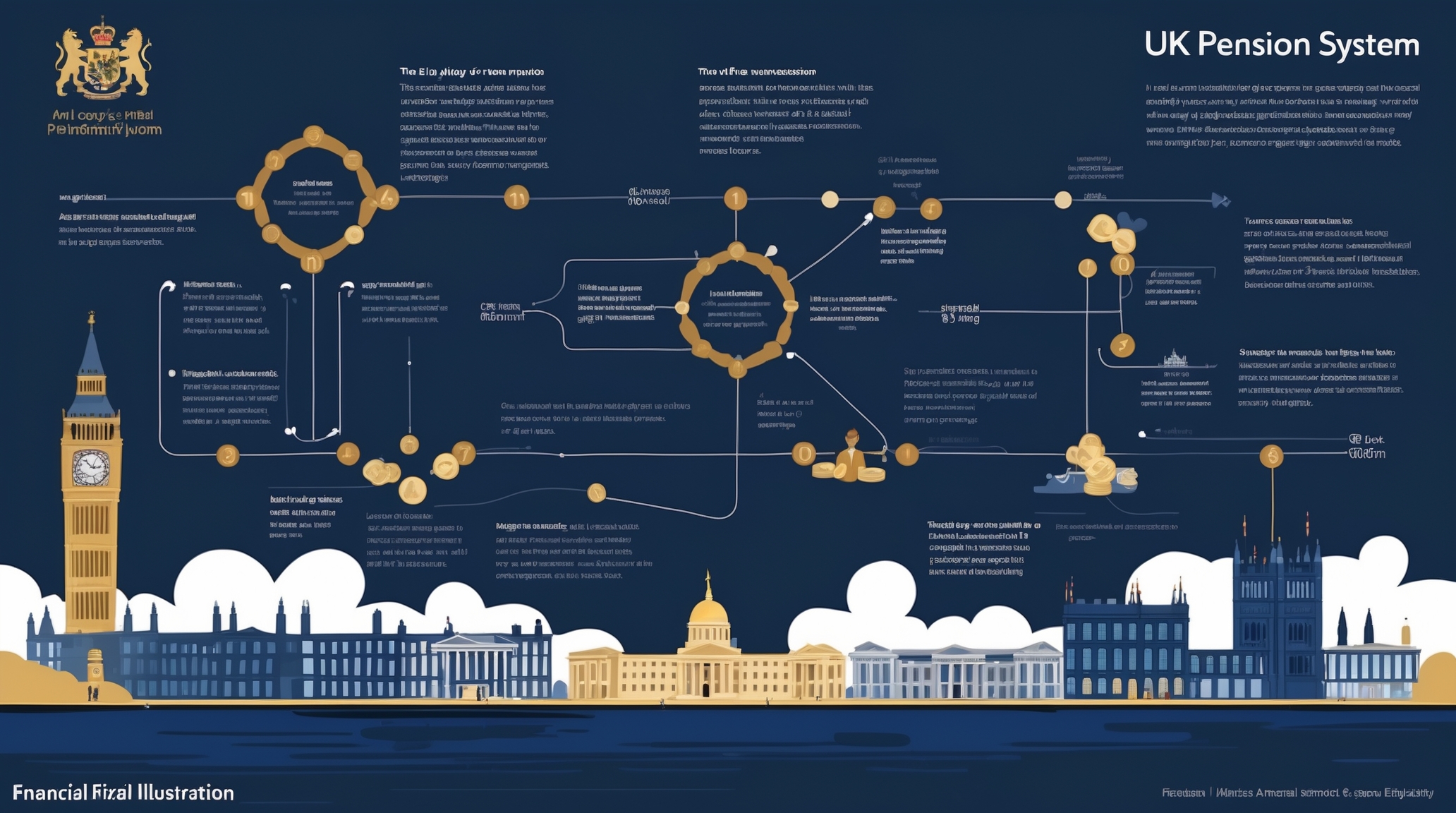
The Machine - How UK Pensions Actually Work

You work for decades, paying into a pension, and you are told this is how you will live when you stop working. You will retire at sixty-five, or sixty-six, or sixty-seven, depending on when you were born, and you will receive a pension, money every month, for the rest of your life. The state pension will provide a basic income, and your workplace pension will top it up, and together they will allow you to live comfortably, to enjoy retirement, to stop working after a lifetime of labor.

This is the promise, and for previous generations it mostly worked. People retired at sixty or sixty-five, they received generous pensions, and they lived reasonably well. But for younger people today, the promise is breaking down. The state pension age is rising, workplace pensions are less generous than they used to be, and the amounts being saved are inadequate to fund decades of retirement. The system is under strain, caught between an aging population that needs support and a working-age population that cannot afford to provide it.

Read more →

The Incentives - Who Profits From Pension Contributions

You save into a pension for decades, contributing month after month, year after year, building a pot that you hope will support you in retirement. You are told this is responsible, prudent, necessary, and you trust that your contributions are being invested wisely, growing steadily, and that when you retire, there will be enough to live on. But what most people do not realize is that between the money you put in and the pension you eventually receive, a significant portion is extracted by intermediaries, by fund managers, by pension providers, by financial advisors, and by platforms that facilitate the system.

These extractions are not obvious, they are buried in complex fee structures, expressed as small percentages that sound negligible, and justified as necessary costs for managing investments and providing services. But small percentages compound over decades, and what looks like one percent per year can reduce your final pension pot by twenty or thirty percent over a working life. That is tens of thousands of pounds, sometimes hundreds of thousands, taken from your retirement to enrich companies and individuals who add limited value and operate in a system designed to maximize their extraction rather than your returns.

Read more →

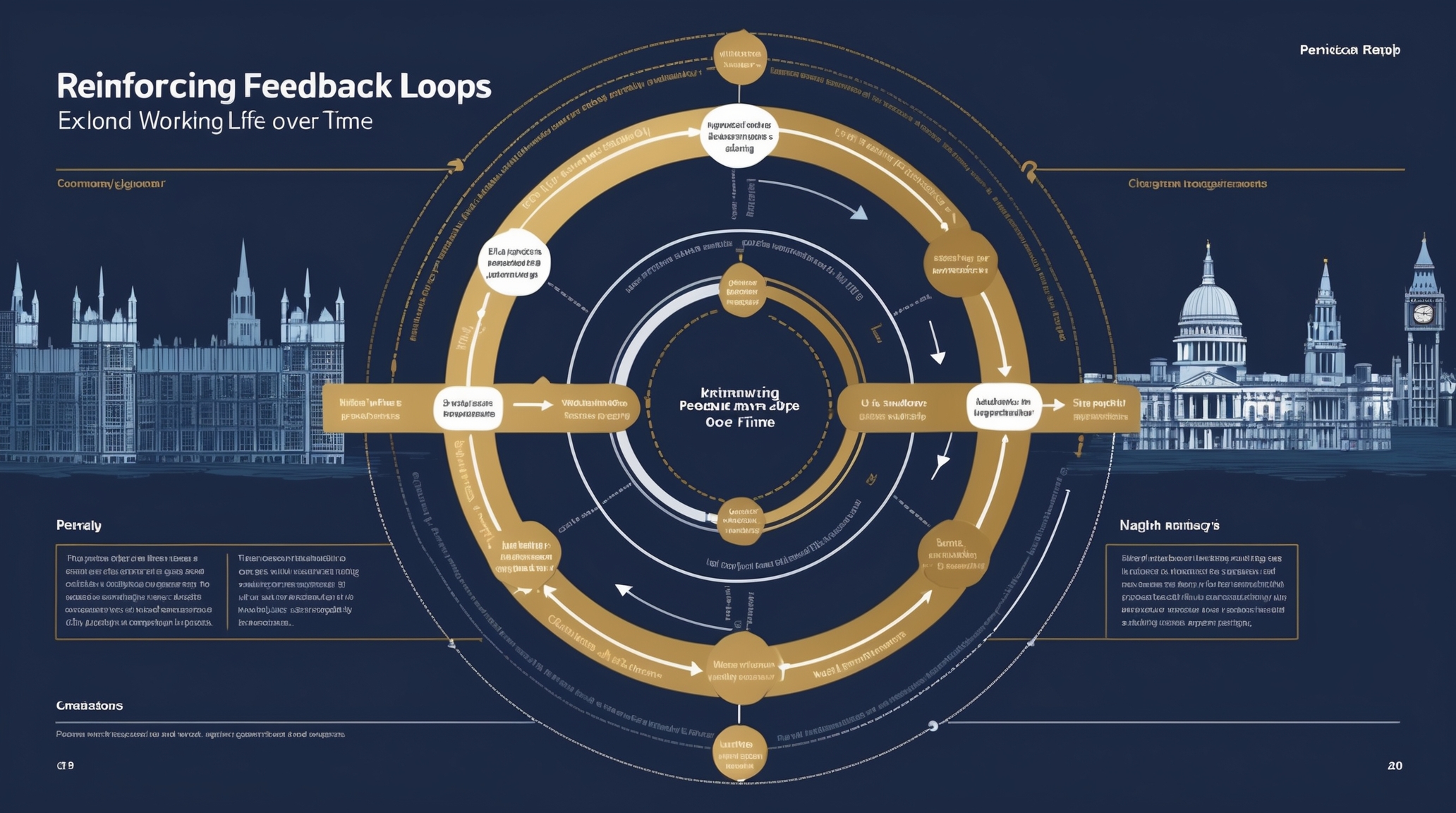
The Feedback Loops - Why Retirement Keeps Moving Further Away


Retirement used to be a clear destination, something you could plan for and expect to reach. You worked until sixty or sixty-five, you retired, you received a pension, and you lived the rest of your life without working. The age was fixed, the income was predictable, and the system, while not perfect, was stable enough that people could rely on it.

But that stability has broken down. The state pension age is rising, not as a one-time adjustment but as an ongoing process that will continue for decades. Workplace pensions are less generous than they were, providing smaller incomes that require longer working lives to fund. And the amount people are saving is inadequate, which means retirement either gets pushed further into the future or happens at the planned age but with insufficient income. Either way, the promise of a secure, comfortable retirement is receding, and for younger people especially, it feels less like a realistic goal and more like a distant hope.

Read more →

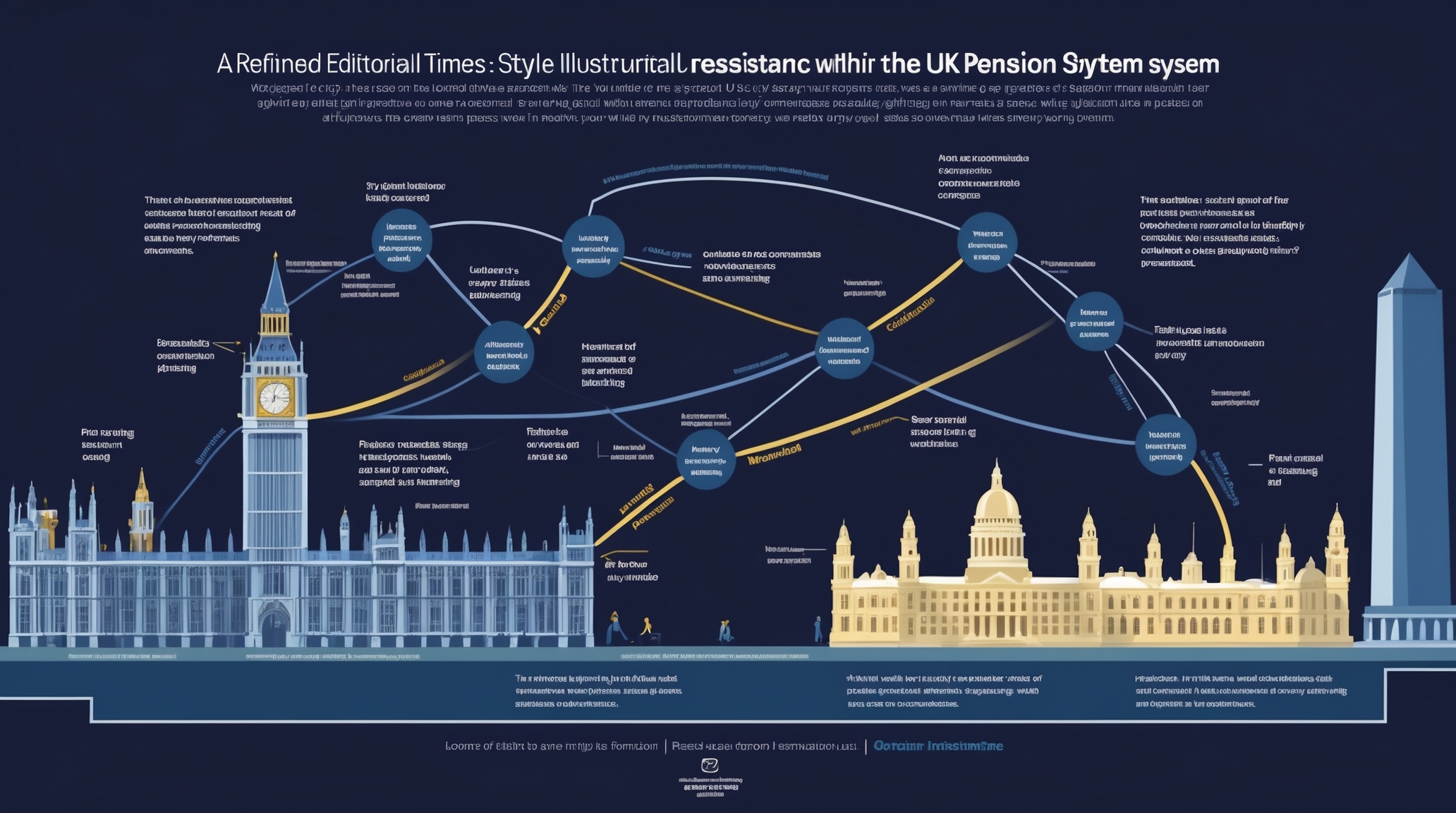
Why the UK Pension System Resists Reform

Every political party promises to fix pensions. They promise security in retirement, adequate incomes, fairness between generations, and sustainability for the future. The rhetoric is consistent across elections and across parties, speaking of protecting pensioners, supporting savers, and ensuring that people who work hard all their lives can retire with dignity. And voters, worried about their future and seeing the inadequacy of current pension provision, believe these promises and vote accordingly.

And then, once in office, very little changes. The triple lock is maintained despite its cost. Auto-enrollment contribution rates stay low despite being inadequate. Pension ages continue rising. Fees remain high and opaque. And defined contribution pensions, insecure and insufficient, remain the norm for private sector workers. A few years later, the next government makes similar promises, uses similar language, and delivers similar disappointing results.

Read more →

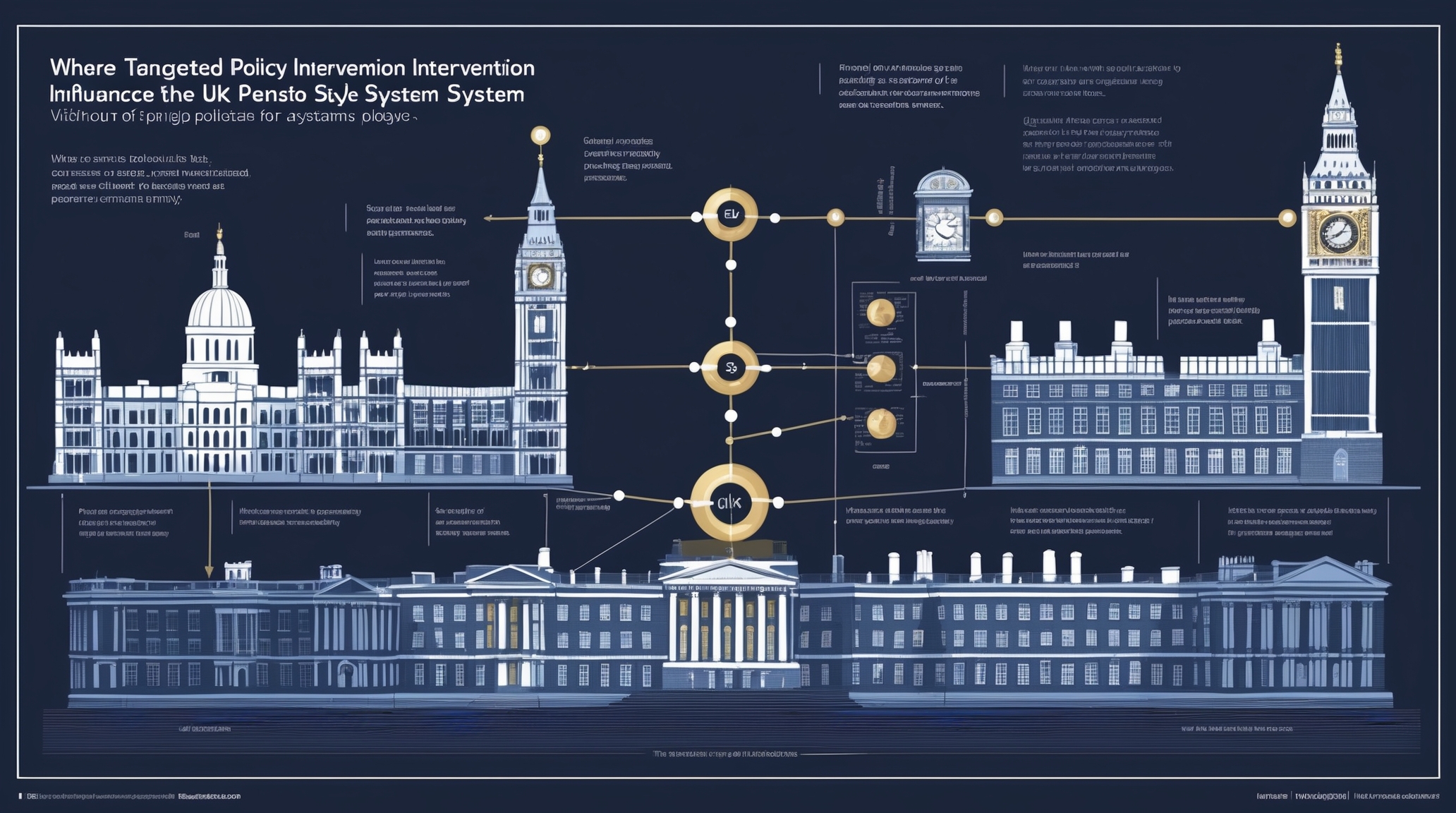
Where Policy Actually Has Leverage

The UK pension system is resistant to reform, but it is not immovable. There are points where policy could shift outcomes, where intervention could increase adequacy, reduce fees, improve sustainability, or create fairer distribution between generations. Not easily, and not without political cost, but it is possible. The challenge is not that solutions do not exist, they do. The challenge is that implementing them requires overcoming resistance from pensioners, from the financial industry, from employers, from the Treasury, and from ideological opposition to greater state involvement.

But leverage points exist, and understanding where they are and how to use them is essential for anyone who wants to see pensions become more adequate, more affordable, and more fair. Some interventions are weak, delivering marginal improvements without changing the structure. Others are strong, reshaping the system fundamentally and creating lasting change. And the difference between wasting political capital and achieving meaningful reform is knowing which is which and prioritizing accordingly.

Let me show you where UK policy actually has leverage over pensions.

Read more →

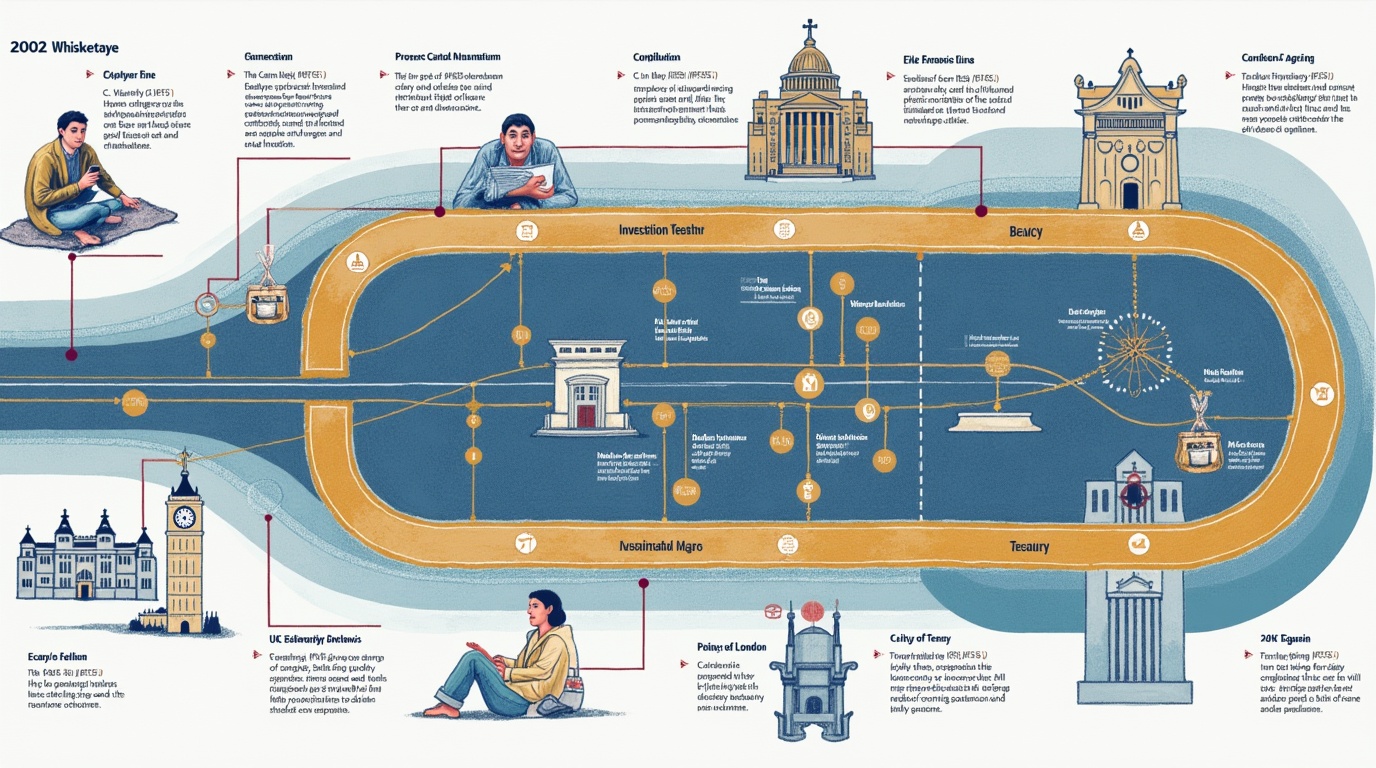
Case Study - The Final Salary Collapse

In the 1970s and 1980s, if you worked for a large company or in the public sector, you had a final salary pension. It was not unusual, it was not a luxury, it was standard. You worked for an employer, you stayed with them for twenty or thirty years, and when you retired, you received a pension based on your final salary and your years of service. If you earned forty thousand pounds in your final year and had worked for thirty years, you might receive two-thirds of that salary as a pension, around twenty-six thousand pounds per year, for the rest of your life, usually increasing with inflation.

This was security. You knew what you would get, you could plan for retirement, and you did not have to worry about stock market crashes, about investment choices, or about outliving your savings. The employer guaranteed the pension, and the risk, the risk of ensuring there was enough money to pay you for decades, was theirs, not yours. Final salary pensions were defined benefit schemes, and they were the gold standard of pension provision.

Read more →

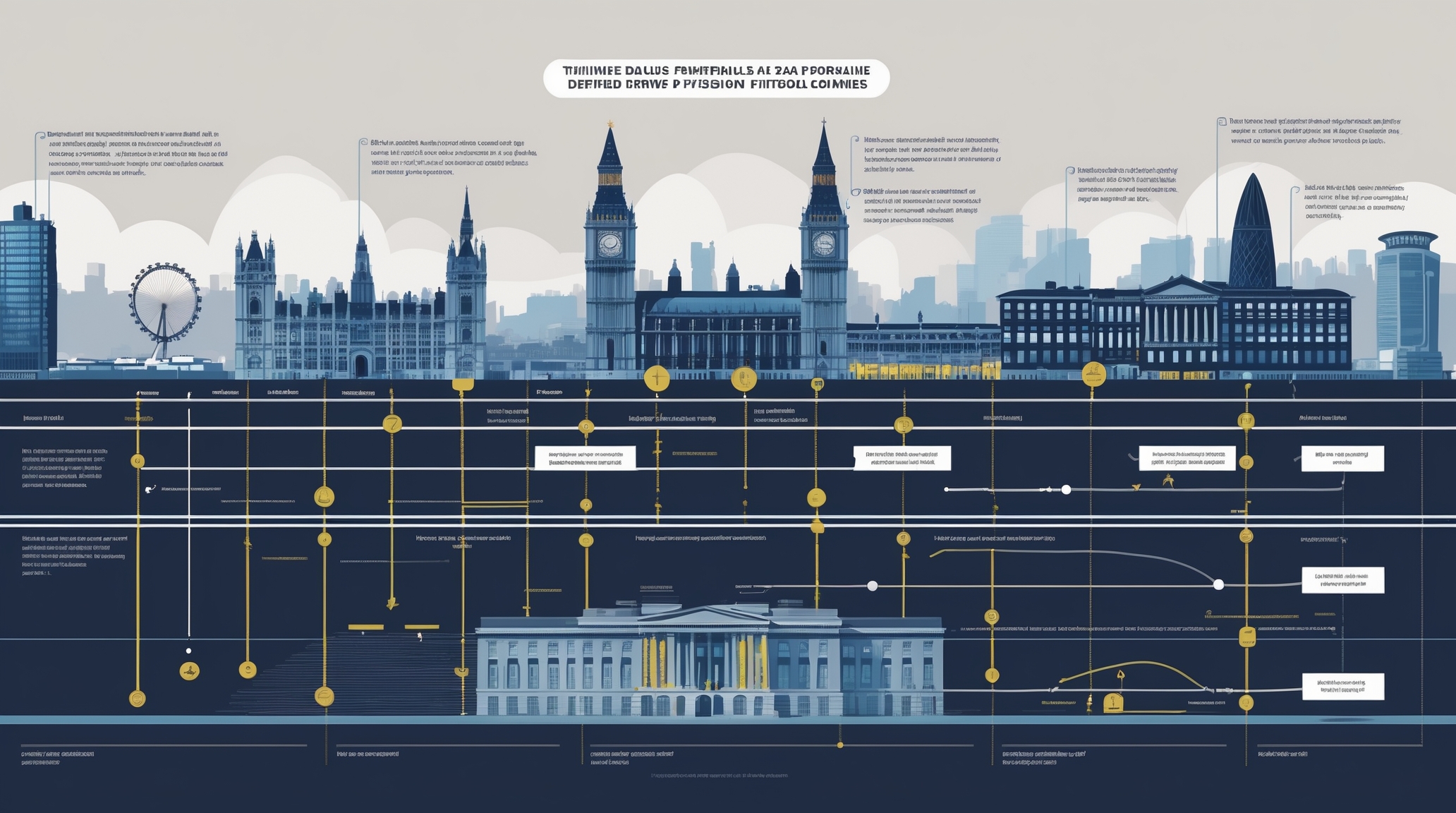
WHERE IS THE UK PENSION SYSTEM HEADING? THE DATA IN PLAIN ENGLISH (2026)

You know how the UK pension system works. You have seen the shift from defined benefit to defined contribution, the inadequacy of auto-enrollment contributions, the frozen nil-rate band pulling more estates into inheritance tax, the triple lock protecting current pensioners while workers pay more. But knowing the structure is one thing. Seeing where it is actually heading is another. And the data, pulled from the Office for National Statistics, from the Pensions Regulator, from government pension surveys, tells you exactly where this system is taking us. Not theory. Not projection. Just numbers, showing you what is happening to pension adequacy, to retirement ages, to the gap between what people need and what they will get.

Let me show you what the data reveals.

Read more →

Book Feature

The Blueprint: How Britain's System Really Works and What You Can Do About It

The Blueprint

Why do the same political and economic problems repeat decade after decade? This book reveals the deeper machinery behind Britain’s institutions — the incentives, constraints and feedback loops that quietly shape outcomes.

Once you understand the system, you can finally see where real leverage exists.

Explore the Book →

Book Feature

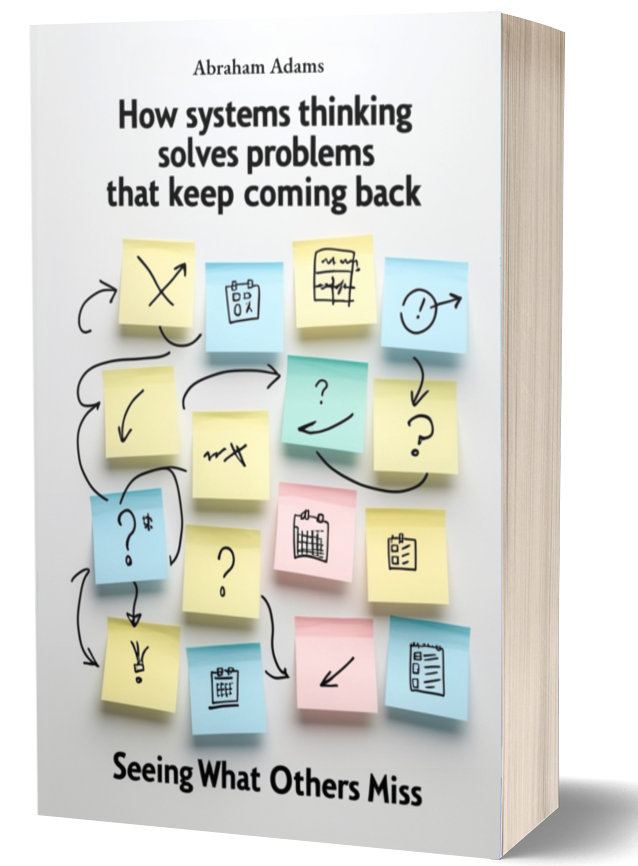
How Systems Thinking Solves Problems That Keep Coming Back

How Systems Thinking Solves Problems That Keep Coming Back

Many problems return again and again because the underlying system is never examined. This book introduces the practical mindset of systems thinking — a way to see incentives, feedback loops and hidden structures shaping outcomes.

Explore the Book →

How To Map The System

The Toolkit

The Toolkit

Practical methods to map systems, trace incentives, uncover feedback loops, and identify where real leverage exists. Learn how to analyse any system and understand how it truly works.

Explore the Toolkit →

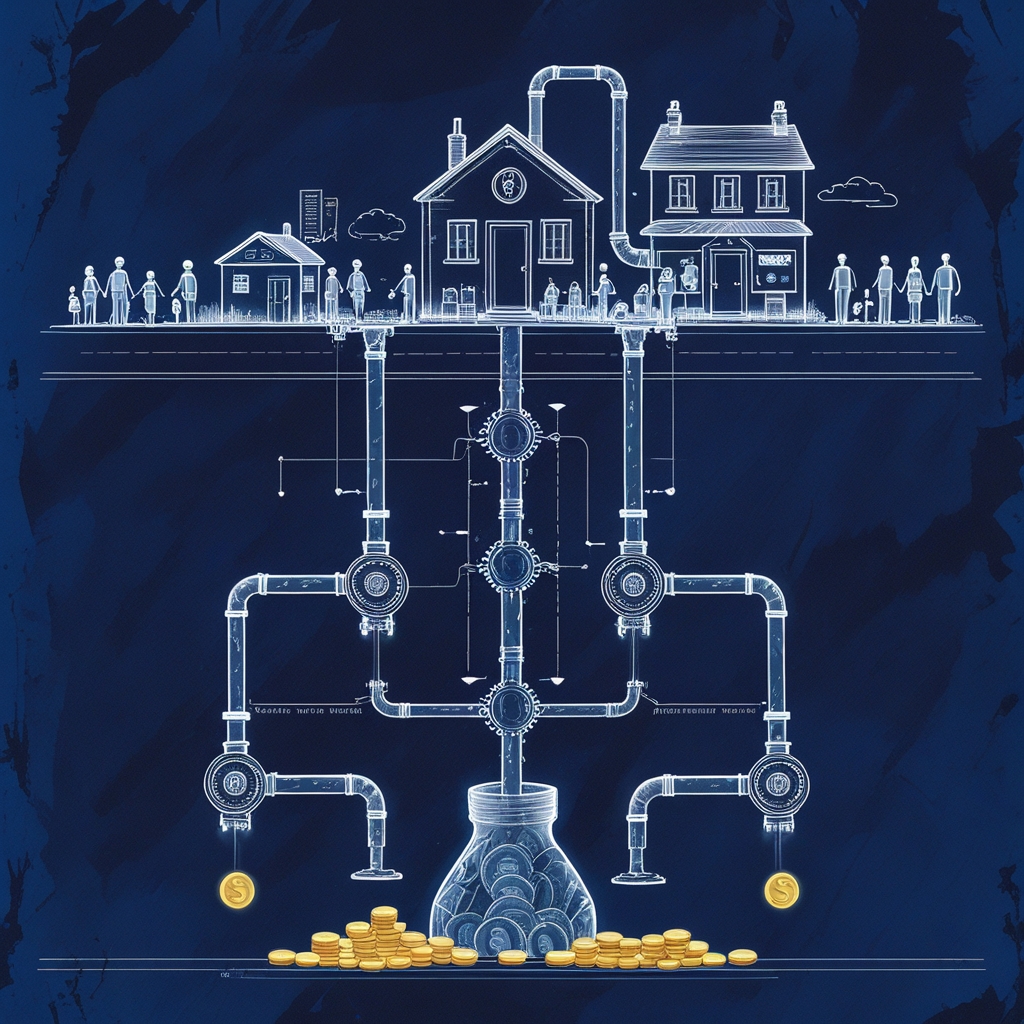
How Money Flows

The Extraction Pattern

The Extraction Pattern

How extraction works across systems — where value is drawn from the many and concentrated toward the few through structure, incentives, and design.

Read the Article →

Books

Explore the Books

  • The Blueprint
  • Understanding Systems Thinking
  • How Systems Thinking Solves Problems That Keep Coming Back
  • The Chain Reaction Effect: Change One Thing, Change Everything
  • Browse Books

Topics

  • Home
  • Start Here
  • Systems
  • Toolkit
  • Fundamentals
  • Deep Dives

Deep Dives

  • The Money System
  • The Customer Service System
  • The UK Housing System
  • The UK Student Loan System
  • The UK Health System
  • The UK Childcare System

Resources

  • Books
  • Videos
  • Toolkit
  • Disclaimer
  • Privacy Policy
  • Contact Us
© 2026 Think On The System | Disclaimer | Privacy Policy