Subcategories
The UK Housing System
Why UK house prices keep rising, who benefits from unaffordable housing, how the planning system restricts supply, why reform never happens, and where policy could actually make a difference.
A complete mapping of the UK housing system—not how it should work, but how it actually works.

The UK Student Loan System
How UK student loans actually work, who profits from the system, why debt keeps growing, why reform never happens, and what could actually change.
A complete mapping of the UK student loan system—not how it's sold to students, but how it actually operates.
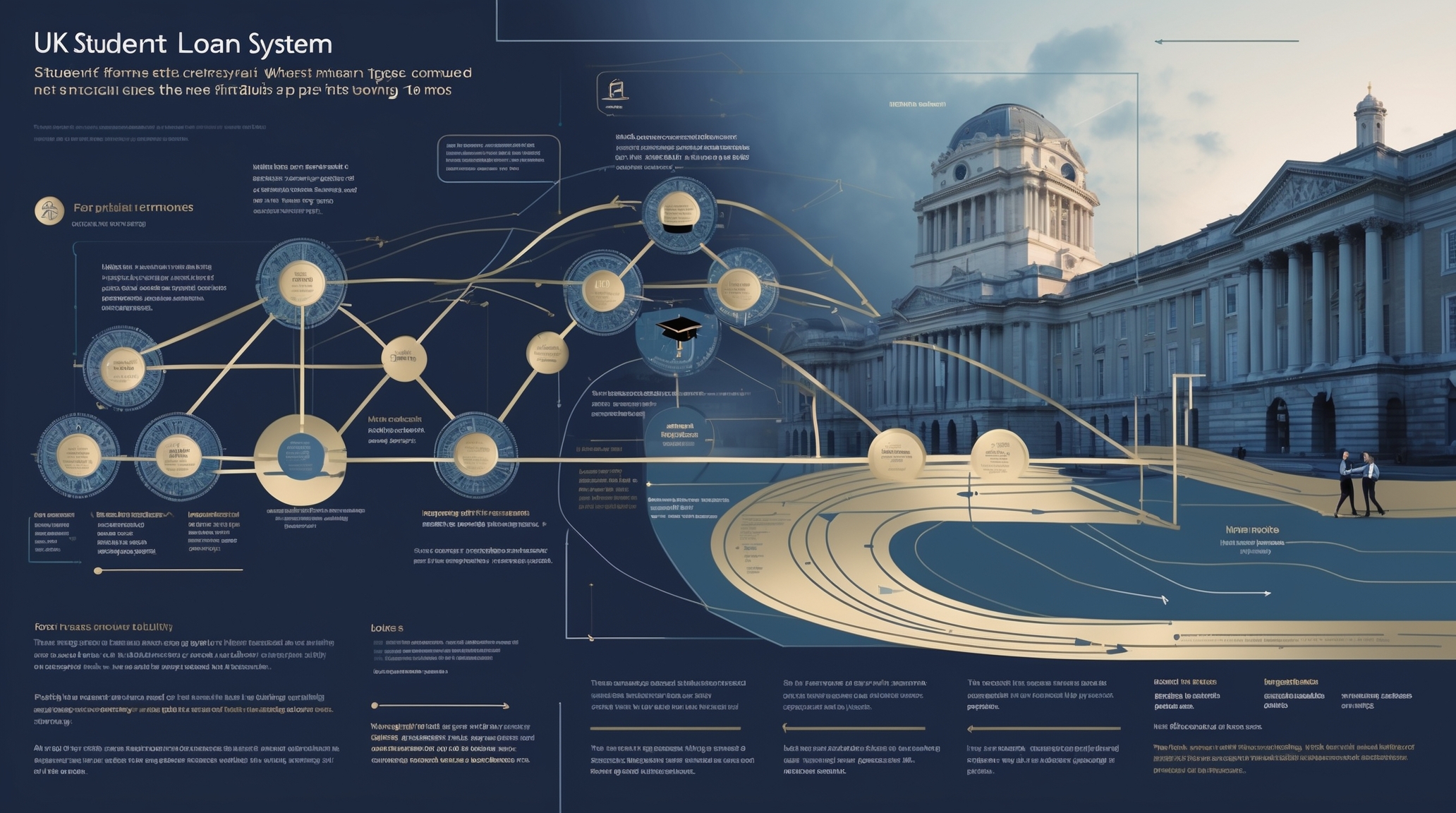
The UK Healthcare System (NHS)
How the NHS actually works, who profits from its crises, why waiting lists keep growing, why reform always fails, and what could actually make a difference.
A complete mapping of the UK healthcare system—not the idealized version, but how it actually operates.

The UK Rental System
Why UK rents keep rising, who profits from the rental crisis, how landlords maintain power over tenants, why reform never happens, and where renters actually have leverage.
A complete mapping of the UK rental system—not how it should work, but how it actually operates.
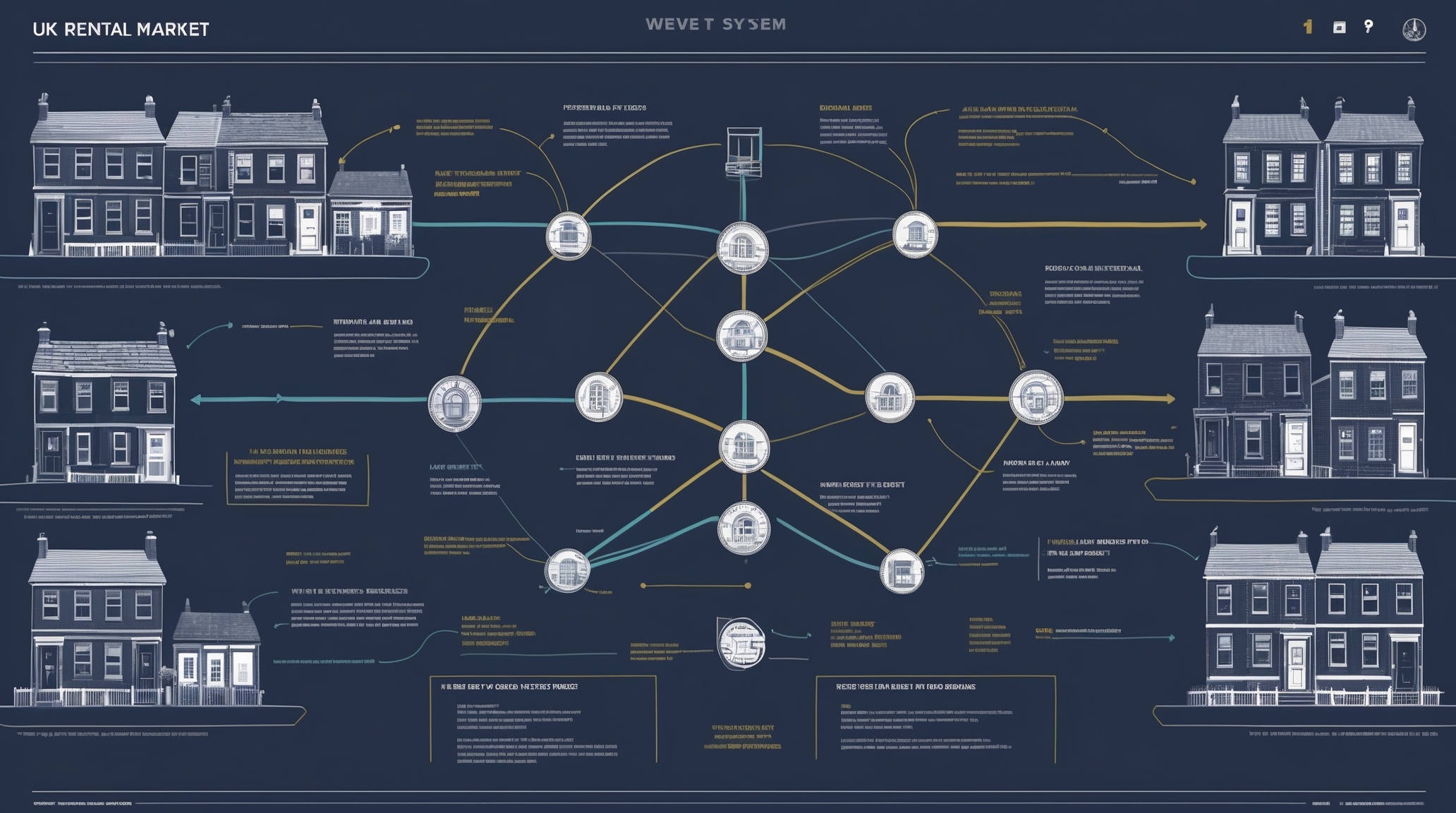
The UK Energy System
Why UK energy bills keep rising, who profits from the energy crisis, how the pricing system actually works, why reform never happens, and what could actually change.
A complete mapping of the UK energy system—not how it's supposed to work, but how it actually operates.
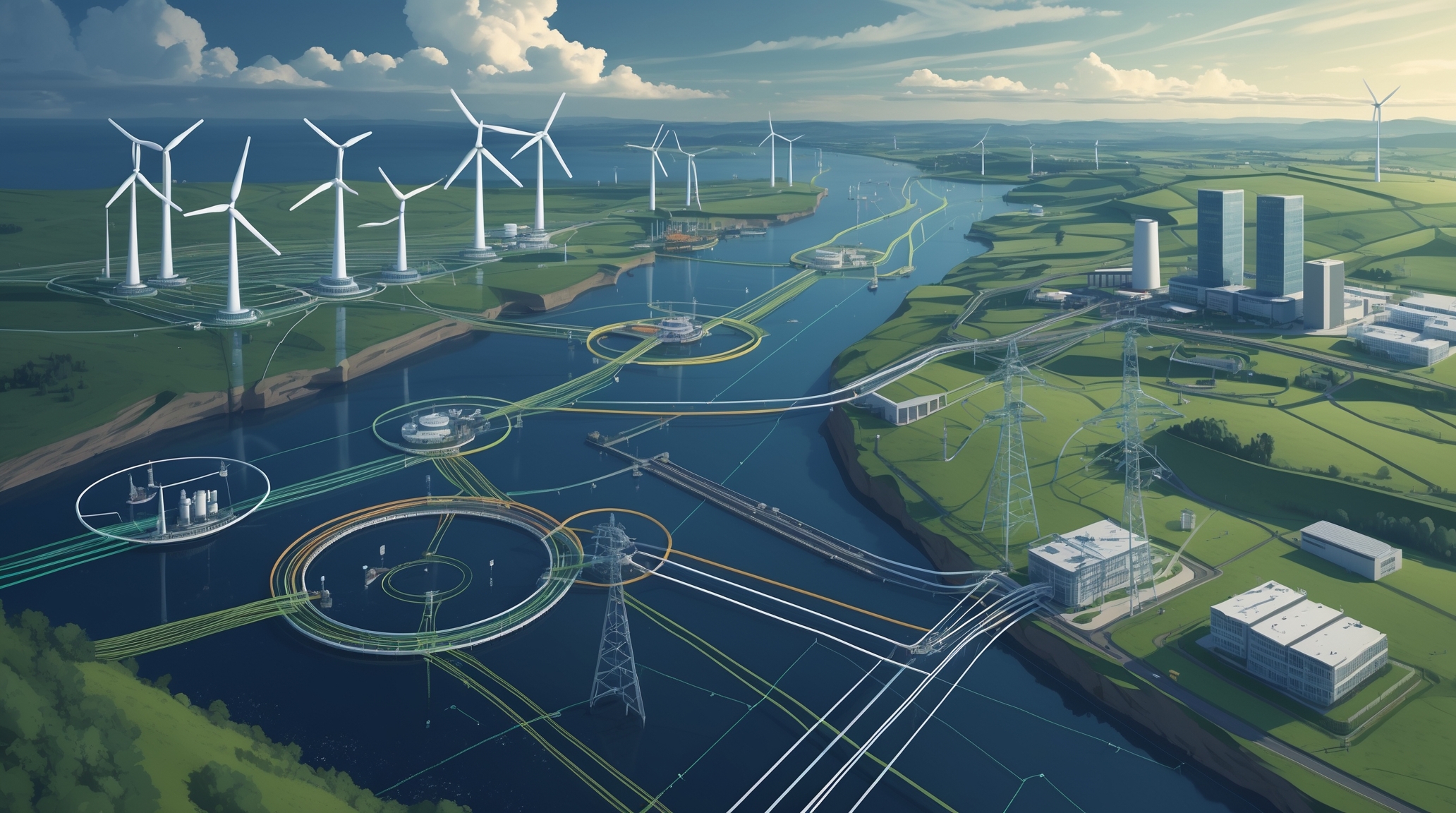
The UK Childcare System
Why UK childcare costs more than university, who profits from high fees while staff earn minimum wage, why "free hours" aren't free, and what actually needs to change.
A complete mapping of the UK childcare system—not the marketing promises, but how it actually operates.
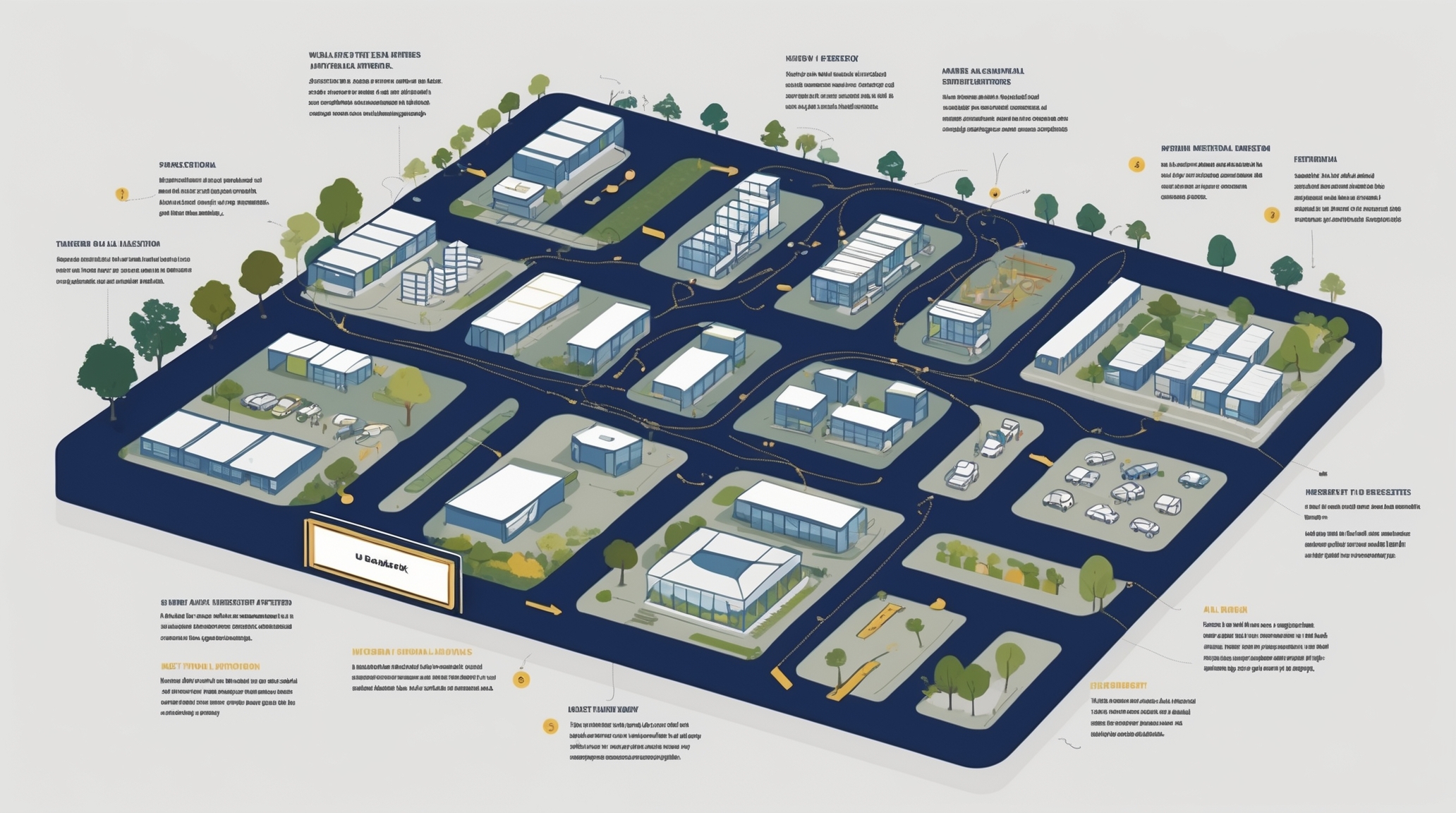
The UK Pension System
Why the triple lock is politically untouchable, who profits from pension fees, how auto-enrollment works, why young people will never retire, and what actually needs to change.
A complete mapping of the UK pension system—not the promises made, but how it actually operates.
The UK Inheritance Tax System
Why a family home triggers a 40% tax bill, who profits when forced sales happen, how the wealthy avoid it entirely while ordinary families pay, and what actually needs to change.
A complete mapping of the UK inheritance tax system—not the exemptions marketed to the wealthy, but how it actually operates for everyone else.
The UK Shared Ownership System
Shared ownership is marketed as affordable homeownership for people priced out of the housing market. Buy twenty-five to seventy-five percent of a property, pay rent on the rest, gradually staircase your way to full ownership. Government backs it. Housing associations deliver it. For working families watching house prices rise beyond reach, it looks like salvation.
The reality is perpetual rent extraction disguised as ownership opportunity. Two hundred and fifty thousand households are trapped in this system. Complaints have risen three hundred and eighty-three percent in four years. Most people never reach full ownership despite paying for decades. The mathematics ensure failure. Property appreciation makes later shares unaffordable. Rent escalates faster than income. Service charges double overnight. The ladder has one rung.
This is not accidental. Shared ownership serves political and economic functions unrelated to helping people achieve genuine homeownership. It allows government to claim progress on housing without spending money. It lets developers satisfy planning requirements while receiving full market prices. It generates perpetual revenue for housing associations. Understanding how the machine works, who profits, and why it persists reveals a system designed to extract wealth from those least able to afford it while calling this affordable housing.

The UK Leasehold System
Leasehold is marketed as homeownership. You pay hundreds of thousands of pounds for a property. You get a mortgage. You move in. You believe you own your home. Estate agents, developers, and solicitors use the language of ownership throughout the purchase process. But you do not own your home. You lease it from someone who does.
The freeholder owns your property. You hold a time-limited right to occupy it, typically ninety-nine to nine hundred and ninety-nine years. You pay ground rent for this privilege, from fifty pounds to thousands annually. You pay service charges covering building maintenance, often two thousand to five thousand pounds yearly, sometimes far more. You need freeholder permission for alterations. When your lease drops below eighty years, you face marriage value traps making extensions catastrophically expensive. When major works are needed, you receive demands for tens of thousands with sixty days to pay. You can lose everything through forfeiture if you miss payments.
Four point nine eight million properties in England and Wales are leasehold. This is not a quirk of history affecting a small number of older buildings. This is a massive wealth extraction system affecting millions of households who believed they were buying homes but discovered they were buying subordination. Ground rent alone extracts billions annually from leaseholders to freeholders who contribute nothing to property value. Service charges extract billions more. Permission fees, lease extension costs, and major works demands pile on top. The system transfers wealth from working households to investors, developers, and managing agents while calling this homeownership.
This is feudalism in modern form. You pay for land you never own. You remain subordinate to lords who extract rent indefinitely. Understanding how the machine works, who profits, and why it persists reveals a system designed to enrich freeholders at leaseholder expense while maintaining the fiction that you own your home.