• Home
  • Start Here
  • Systems
  • Deep Dives
  • The Question
  • System Watch
  • System Health
  • Toolkit
  • Books
  • Videos

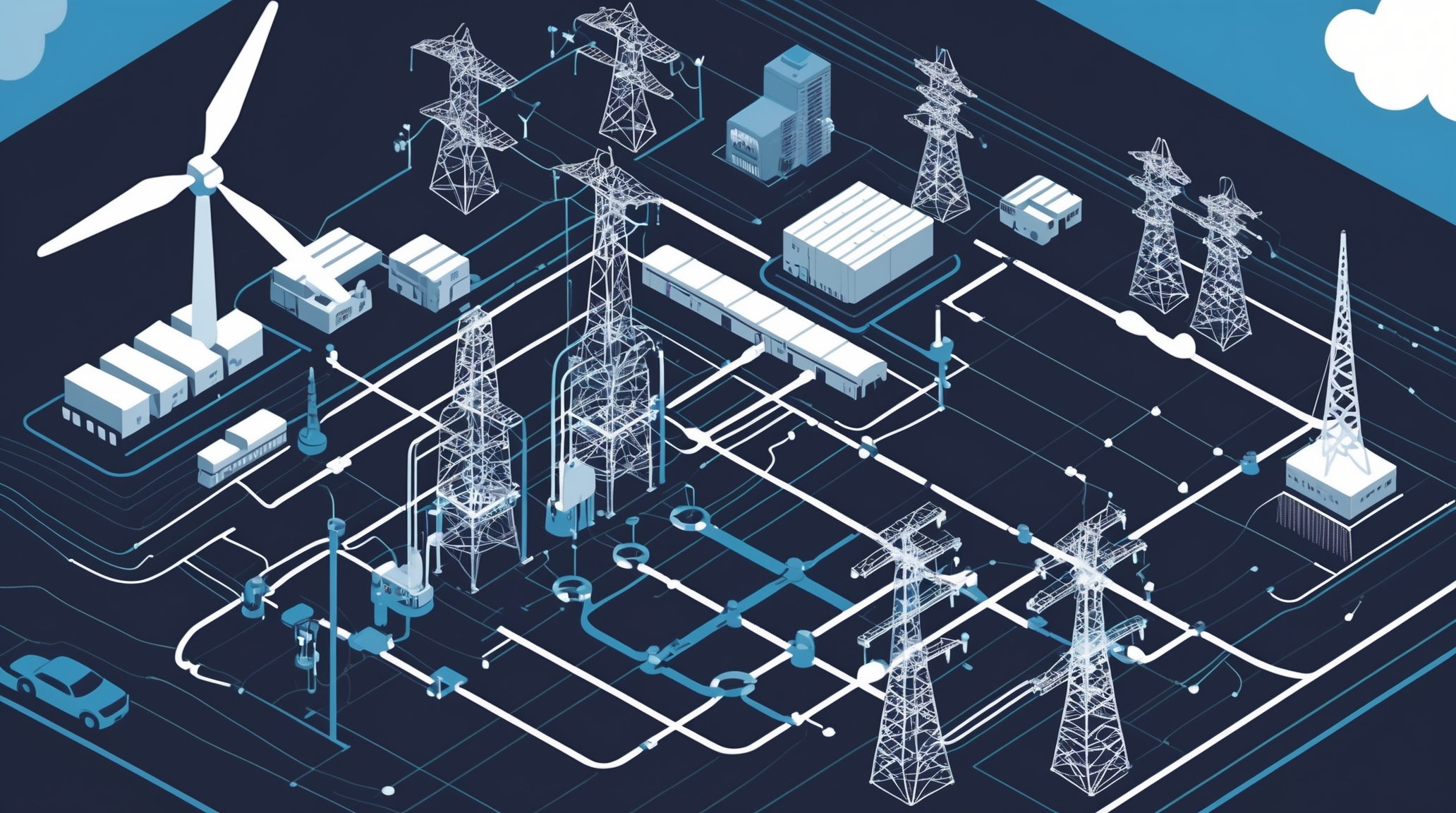
The Machine - How UK Energy Markets Actually Work

You use energy. You turn on lights. Heat your home. Cook food. Charge devices. And at the end of the month, you get a bill. And the bill is high. Higher than it used to be. Higher than it should be. And you do not understand why. Because you have not used more energy. You have used less. Turned down the heating. Switched off lights. Been careful. And still, the bill is higher.

And when you look at the bill, it is confusing. Unit rates. Standing charges. Green levies. All listed. All charged. And you do not understand how they are calculated. Or why they are so high. Or why, when wholesale energy prices fall, your bill does not. You are told it is the market. Supply and demand. Global prices. But it does not feel like a market. It feels like a racket.
Read more →

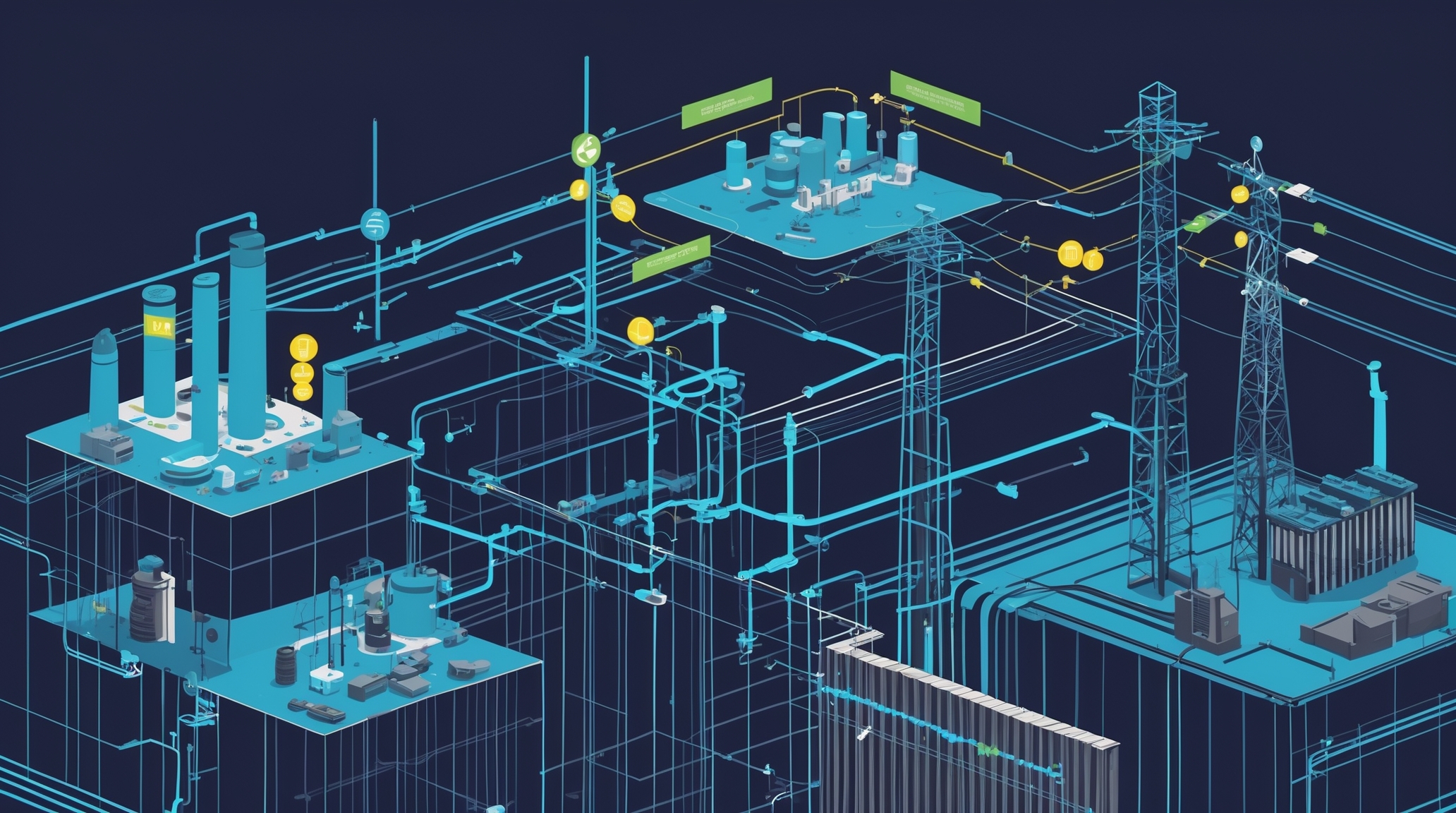
The Incentives - Who Profits From High Energy Bills

Energy bills are high. Higher than they have ever been. And even when wholesale prices fall, bills do not fall proportionately. They stay elevated. Sticky. And consumers, watching, waiting for relief, do not understand why. Because they are told it is a market. And markets, they are told, respond to supply and demand. When supply is high and demand is low, prices should fall. But they do not. Not quickly. Not enough.

This is not a market failure. This is the market working. For the people it is designed to serve. And those people are not consumers. They are generators. Network operators. Traders. Investors. All of whom profit from high energy prices. From volatility. From the structure of the system itself. And those profits create interests. Interests that benefit from bills staying high. And that resist changes that would lower them.

Read more →

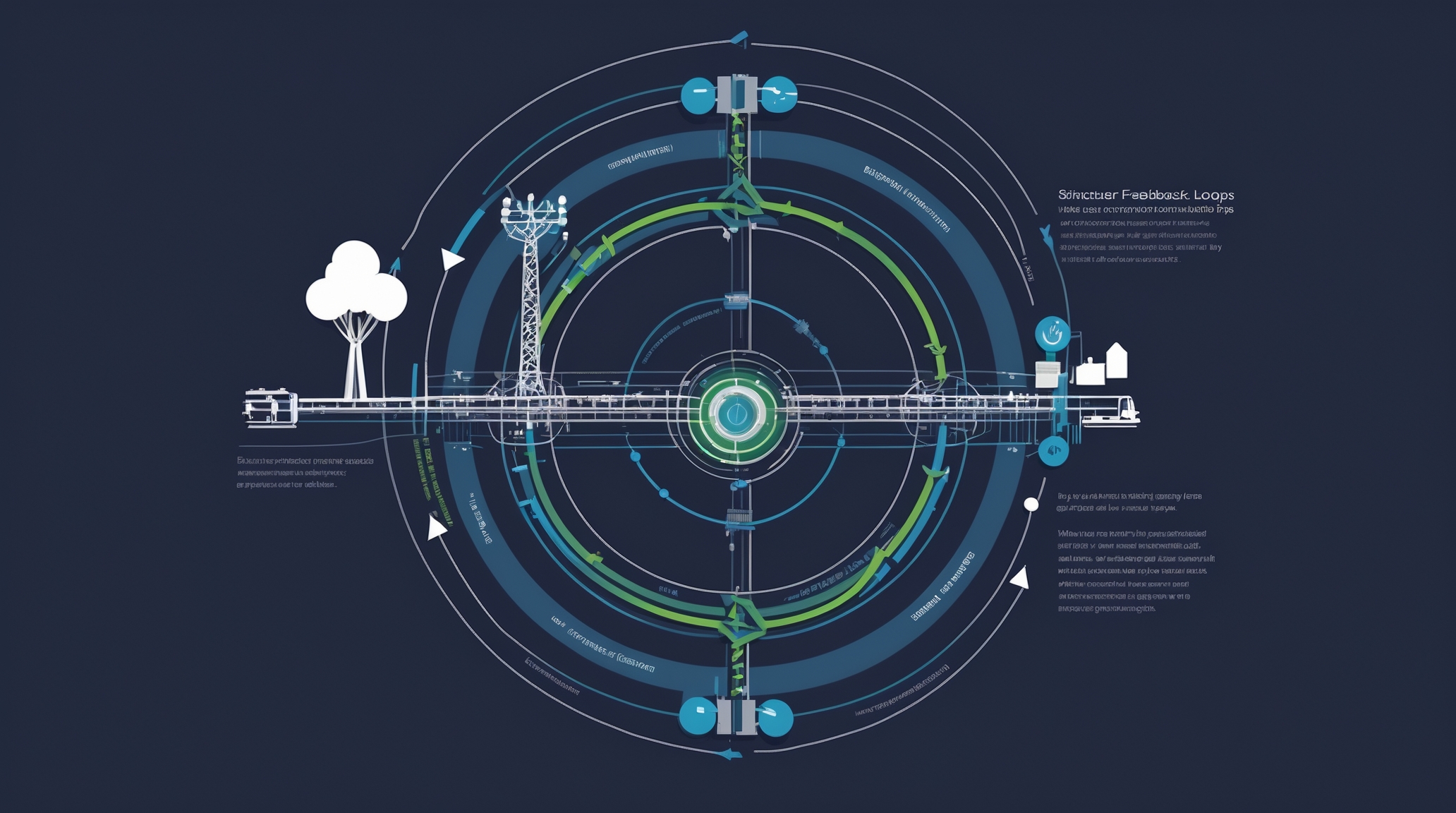
The Feedback Loops - Why Bills Keep Rising

Energy bills do not just rise. They ratchet. Up. They spike during crises. And when the crisis passes, they do not fall back to where they were. They settle higher. Permanently higher. And then, the next crisis hits. And they spike again. And settle higher still. And the cycle repeats. Year after year. Each crisis resetting the baseline. Each spike becoming the new normal.

This is not random. This is not just market forces. This is feedback loops. Loops that turn temporary price increases into permanent ones. That ensure costs rise faster than they fall. That shift risks onto consumers and profits onto generators and networks. And once these loops are in motion, they are very hard to stop. Because they feed themselves. They amplify. And they ensure that energy bills, despite falling wholesale prices, despite increased renewable generation, stay high. Or rise higher.

Read more →

Why the UK Energy System Resists Reform

Every energy crisis produces the same response. Outrage. Investigations. Promises that it will never happen again. The government announces reviews. Reforms. New regulations. And the language is always the same. Fairer prices. Consumer protection. Energy security. And consumers, desperate for relief, believe it. Expect it. Wait for it.

And then, very little happens. Or what happens is inadequate. The price cap is tweaked. Windfall taxes are introduced. Temporarily. With loopholes. And exemptions. And the fundamental structure stays the same. Marginal pricing remains. Gas sets electricity prices. Networks continue to earn guaranteed returns. And bills, after a brief respite, rise again. And the next crisis brings the same promises. The same disappointment. The same inaction.

Read more →

Where Policy Actually Has Leverage

The UK energy system is resistant to reform. But it is not immovable. There are points where policy could shift outcomes. Where intervention could reduce bills. Where changes, even incremental ones, would make a real difference to consumers. Not by transforming the system entirely. That is politically impossible. The vested interests are too strong. The ideology is too entrenched. But incremental change is possible. If the political will exists.

Because every element of the system is a policy choice. Marginal pricing. Network regulation. The price cap. Standing charges. Green levies. All of these were designed. By government. Through legislation. Through regulation. And what was designed can be redesigned. The question is not whether solutions exist. They do. The question is whether there is will to implement them. And whether that will is stronger than the resistance.

Read more →

Case Study - The 2022-23 Energy Crisis

In early 2022, energy bills started to rise. Not slowly. Sharply. The price cap, which had been around twelve hundred pounds per year for a typical household, jumped. To two thousand. Then three thousand. And by October 2022, it was projected to hit four thousand. Five thousand. Some forecasts said six thousand. For a typical household. Per year. Just for energy. Gas and electricity.

And for many households, this was impossible. Unaffordable. People earning average wages. Families. Pensioners. Could not pay. Four thousand pounds per year is over three hundred pounds per month. On top of rent. Or mortgage. On top of food. Transport. Council tax. There was nothing left. And millions of people faced a choice. Heat or eat. Pay the energy bill or pay for food. And some could not do either.

Read more →

WHERE IS THE UK ENERGY SYSTEM HEADING? THE DATA IN PLAIN ENGLISH (2026)

You know how the UK energy system works. You have seen the extraction, the standing charges, the marginal pricing that forces you to pay gas prices for wind power. But knowing the structure is one thing. Seeing where it is actually going is another. And the data, pulled from Ofgem, from the Office for National Statistics, from government energy surveys, tells you exactly where this system is heading. Not theory. Not prediction. Just numbers, showing you what is happening to UK energy bills, to fuel poverty, to extraction, right now.

Let me show you what the data reveals.

Read more →

Book Feature

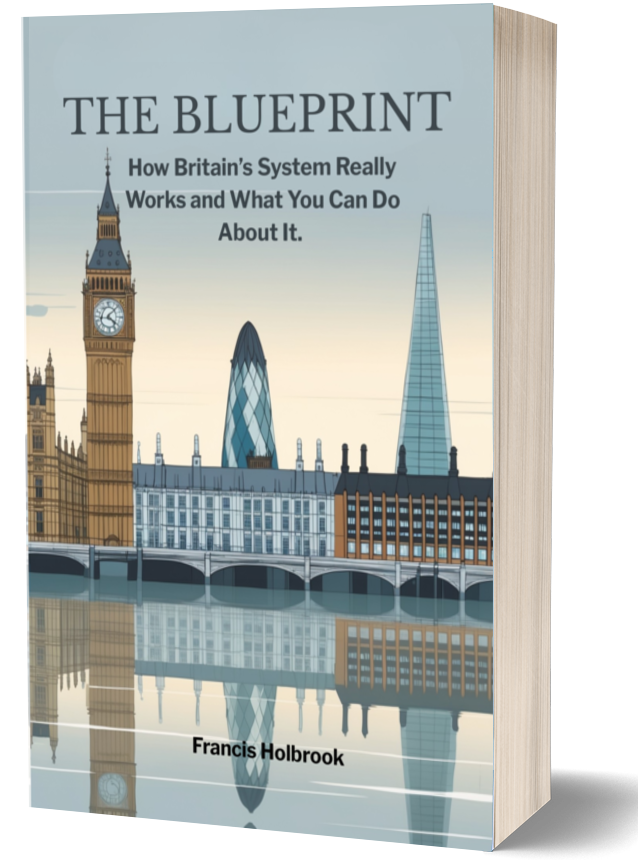
The Blueprint: How Britain's System Really Works and What You Can Do About It

The Blueprint

Why do the same political and economic problems repeat decade after decade? This book reveals the deeper machinery behind Britain’s institutions — the incentives, constraints and feedback loops that quietly shape outcomes.

Once you understand the system, you can finally see where real leverage exists.

Explore the Book →

Book Feature

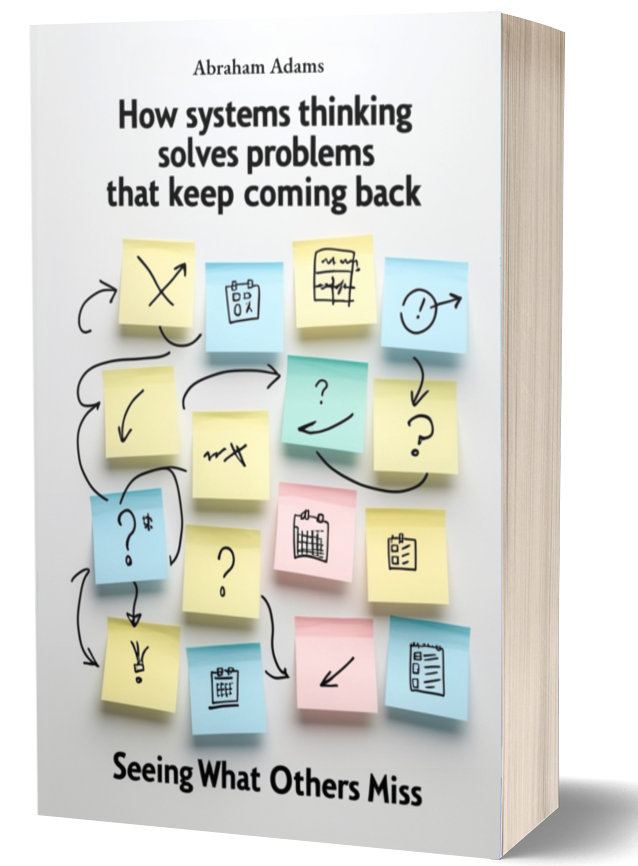
How Systems Thinking Solves Problems That Keep Coming Back

How Systems Thinking Solves Problems That Keep Coming Back

Many problems return again and again because the underlying system is never examined. This book introduces the practical mindset of systems thinking — a way to see incentives, feedback loops and hidden structures shaping outcomes.

Explore the Book →

How To Map The System

The Toolkit

The Toolkit

Practical methods to map systems, trace incentives, uncover feedback loops, and identify where real leverage exists. Learn how to analyse any system and understand how it truly works.

Explore the Toolkit →

How Money Flows

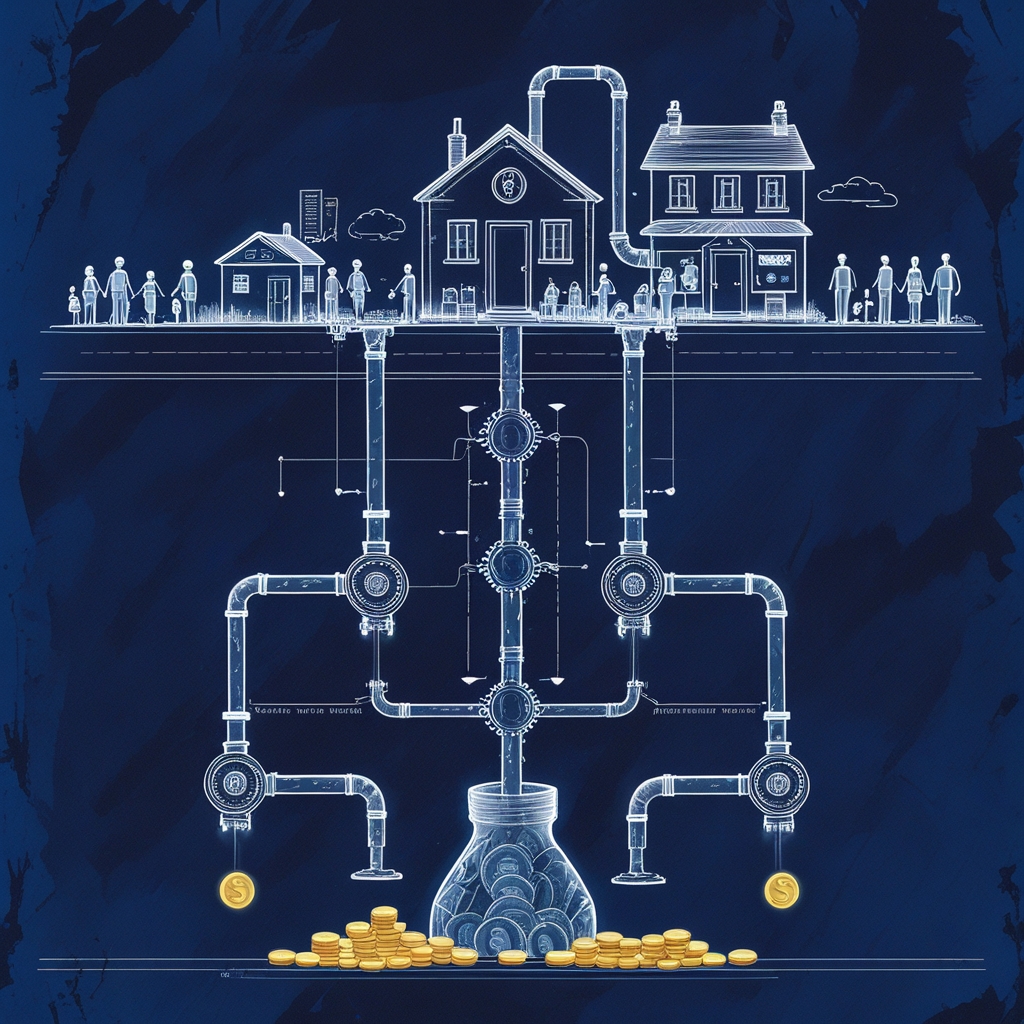
The Extraction Pattern

The Extraction Pattern

How extraction works across systems — where value is drawn from the many and concentrated toward the few through structure, incentives, and design.

Read the Article →

Books

Explore the Books

  • The Blueprint
  • Understanding Systems Thinking
  • How Systems Thinking Solves Problems That Keep Coming Back
  • The Chain Reaction Effect: Change One Thing, Change Everything
  • Browse Books

Topics

  • Home
  • Start Here
  • Systems
  • Toolkit
  • Fundamentals
  • Deep Dives

Deep Dives

  • The Money System
  • The Customer Service System
  • The UK Housing System
  • The UK Student Loan System
  • The UK Health System
  • The UK Childcare System

Resources

  • Books
  • Videos
  • Toolkit
  • Disclaimer
  • Privacy Policy
  • Contact Us
© 2026 Think On The System | Disclaimer | Privacy Policy