The Incentives - Who Profits From High Energy Bills
Energy bills are high. Higher than they have ever been. And even when wholesale prices fall, bills do not fall proportionately. They stay elevated. Sticky. And consumers, watching, waiting for relief, do not understand why. Because they are told it is a market. And markets, they are told, respond to supply and demand. When supply is high and demand is low, prices should fall. But they do not. Not quickly. Not enough.
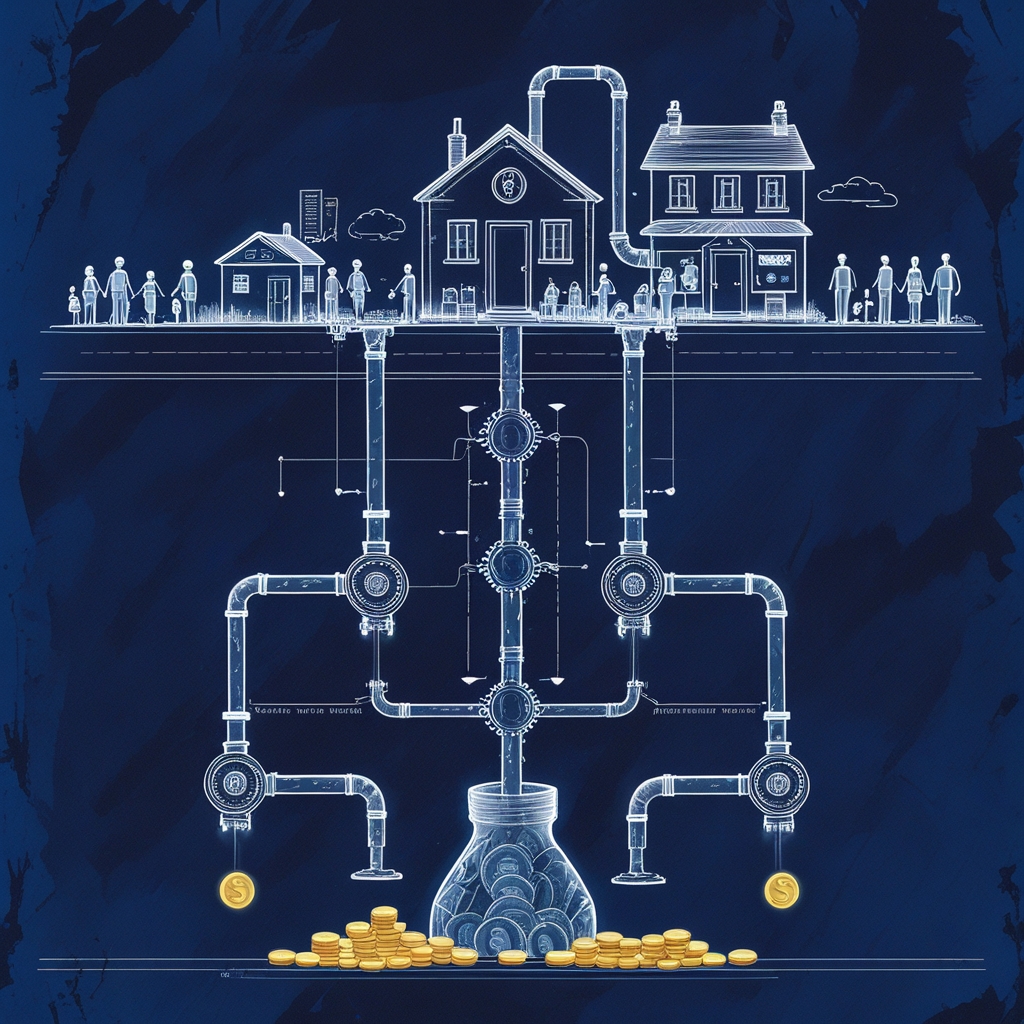
This is not a market failure. This is the market working. For the people it is designed to serve. And those people are not consumers. They are generators. Network operators. Traders. Investors. All of whom profit from high energy prices. From volatility. From the structure of the system itself. And those profits create interests. Interests that benefit from bills staying high. And that resist changes that would lower them.
Understanding who profits from high energy bills is the key to understanding why they stay high. Because the people benefiting have power. Economic power. Political power. And they use that power to protect the system that enriches them. Not through conspiracy. Through the normal operation of markets. And politics. They defend their interests. And their interests are served by expensive energy.
Let me show you who profits from high UK energy bills.
The first and most obvious beneficiary is electricity generators. Particularly renewable generators. Wind farms. Solar farms. They generate electricity at low cost. Near-zero marginal cost. The wind is free. The sun is free. Once the infrastructure is built, the cost of generating each additional unit is negligible. But they sell at the wholesale price. The marginal price. Set by gas.
And when gas prices are high, the wholesale price is high. So renewable generators sell low-cost electricity at high prices. And the difference is profit. Extraordinary profit. During the energy crisis, when gas prices soared, wind farms made record profits. They were generating at the same cost as before. But selling at five times the price. Ten times. Because the market price, set by gas, was soaring.
This is called windfall profit. Profit that comes not from increased efficiency. Not from innovation. But from market conditions. From high gas prices. And renewable generators captured it. Billions. In windfall profits. While consumers paid record bills.
And nuclear generators profited too. Nuclear has high fixed costs. Building a nuclear plant is expensive. But once built, the fuel cost is low. Stable. So nuclear generators, like renewable generators, have low marginal costs. But they sell at the marginal price. Set by gas. So when gas prices rise, nuclear profits rise. Without nuclear doing anything different. Just by selling into a market where gas has driven the price up.
The second beneficiary is gas-fired power stations. Obviously. Because they set the price. When gas prices are high, they charge high prices. And they pass the cost on. To the market. To consumers. But they do not just pass the cost on. They profit. Because the market price, even when set by gas, includes a margin. For the generator. And when gas prices spike, the margin, in absolute terms, can be large.
And gas generators have another advantage. They are flexible. They can ramp up quickly. Respond to demand. So when demand spikes, when wind is low, gas generators are called upon. And they charge. Premium prices. Scarcity pricing. Because they know they are needed. And the market, desperate for supply, pays.
The third beneficiary is energy traders. Speculators. Companies and individuals who buy and sell energy contracts. Not to use the energy. But to profit from price movements. They buy when they think prices will rise. Sell when they think prices will fall. And they profit from volatility. The bigger the price swings, the bigger the profit.
And the energy crisis was volatile. Extremely volatile. Prices spiked. Crashed. Spiked again. And traders, positioned correctly, made fortunes. They did not generate energy. Did not supply it. Did not build infrastructure. They just traded. And extracted profit. From the chaos. From the crisis. While consumers paid.
And trading is not just speculation. It is also hedging. Suppliers hedge. They buy energy in advance. Lock in prices. To protect against spikes. And this hedging creates demand. In the futures market. Which drives up prices. Not just spot prices. But future prices. And traders, facilitating that hedging, profit. Through spreads. Through fees. Through positioning.
The fourth beneficiary is the National Grid. The company that owns and operates the transmission network. High-voltage power lines. Substations. The infrastructure that moves electricity from generators to distribution networks. And the National Grid is a private company. Listed. With shareholders. And it profits.
The National Grid earns revenue based on the volume of electricity transmitted. And on the investments it makes. In infrastructure. In maintenance. In upgrades. And that revenue is regulated. By Ofgem. But the regulation is generous. It guarantees a return. For investors. A return on assets. On capital invested. And the more the National Grid invests, the more it earns.
So the National Grid has an incentive to invest. To build. To upgrade. Even when the upgrades are not urgent. Because investment generates revenue. And revenue generates profit. And shareholders benefit. Through dividends. Through share price appreciation. While consumers pay. Through higher network charges. Embedded in their bills.
And the National Grid benefits from high energy prices indirectly. Because high prices create political pressure. To build more infrastructure. To connect more renewables. To upgrade the grid. And the National Grid, responding to that pressure, invests. And earns. And profits.
The fifth beneficiary is Distribution Network Operators. DNOs. The regional monopolies that own the local cables. The wires that carry electricity from the National Grid to your home. And like the National Grid, DNOs are regulated monopolies. Guaranteed revenue. Based on their costs. Plus a return.
And like the National Grid, DNOs benefit from investment. They upgrade cables. Install smart meters. Maintain infrastructure. And every upgrade, every investment, generates revenue. Regulated revenue. With a guaranteed return. So DNOs invest. And earn. And profit. While consumers pay. Through standing charges. Through network costs.
And DNOs are often foreign-owned. By pension funds. By sovereign wealth funds. By private equity. All of whom expect returns. Seven percent. Eight percent. And those returns are delivered. Reliably. Because the revenue is regulated. Guaranteed. So the investment is low-risk. And the returns are stable. And the profits flow. Out of the UK. To investors abroad. While UK consumers pay.
The sixth beneficiary is the government. Through taxation. VAT on energy bills. Five percent. Levied on the total bill. Including standing charges. Including network costs. Including green levies. So the higher the bill, the higher the VAT. And during the energy crisis, when bills doubled, tripled, VAT revenue doubled, tripled. The government collected billions. From consumers struggling to pay.
And the government benefits from other energy taxes. Carbon taxes. Environmental levies. All collected. And added to bills. Or collected from generators. And passed on. To consumers. Through higher wholesale prices. So the government profits. From high energy prices. Through taxation. Even as it claims to be helping consumers. Through subsidies. Through support schemes.
The seventh beneficiary is oil and gas companies. Shell. BP. TotalEnergies. They extract gas. From the North Sea. From abroad. And they sell it. Into the wholesale market. At market prices. And when gas prices are high, they profit. Enormously. Record profits. Tens of billions. In a single year. During the energy crisis.
And these companies are not just selling gas for energy. They are selling gas for electricity generation. For heating. For industry. And the higher the price, the higher the profit. They extract at the same cost. Or lower, for mature fields. But sell at crisis prices. And the difference is profit. Windfall profit. That flows to shareholders. Through dividends. Through buybacks. While consumers pay record bills.
And oil and gas companies resist the transition. Away from fossil fuels. They lobby. They fund campaigns. They argue that gas is necessary. A transition fuel. That renewables cannot replace it. Not yet. Not fully. And some of this is true. Gas is flexible. Reliable. But the argument also serves their interest. Because the longer gas is needed, the longer they profit.
The eighth beneficiary is investors in energy infrastructure. Pension funds. Sovereign wealth funds. Private equity. They own stakes in generators. In networks. In suppliers. And they expect returns. Stable returns. And those returns come from consumers. From energy bills.
Infrastructure investment is attractive. Because it is regulated. Low-risk. Predictable. And energy infrastructure, particularly networks, is a cash cow. Guaranteed revenue. Guaranteed returns. Inflation-linked, often. So investors buy in. And collect. Dividends. Year after year. While consumers pay. More. Every year.
And these investors are not British. Mostly. They are global. Chinese sovereign wealth funds own UK energy networks. Canadian pension funds own generation. Middle Eastern investors own infrastructure. And the profits, the returns, flow out. To those investors. Not to UK consumers. Not to UK taxpayers. To foreign capital. That extracts. And profits. From UK energy bills.
The ninth beneficiary is energy consultants and lawyers. The people who advise. On regulations. On market design. On contracts. They profit from complexity. From volatility. From crises. Because complexity requires advice. And advice generates fees. High fees.
During the energy crisis, consultants were hired. By government. By regulators. By companies. To advise. On price caps. On windfall taxes. On market reform. And they billed. Millions. Tens of millions. For reports. For analysis. For recommendations. Most of which were ignored. Or watered down. But the consultants were paid. And they profited. From the crisis. While consumers struggled.
The tenth beneficiary is landlords. Particularly landlords of poorly insulated properties. Because high energy bills hurt tenants. Not landlords. Tenants pay the bills. And if the property is poorly insulated, if it leaks heat, the bills are higher. But the landlord does not pay. Does not suffer. So the landlord has no incentive to insulate. To improve efficiency. And tenants, paying high bills, cannot afford to move. Cannot afford the deposit for a better property. So they stay. And pay.
And landlords benefit from the Energy Performance Certificate loophole. Properties must have an EPC. Rated A to G. And properties rated F or G cannot legally be rented. Unless there is an exemption. And exemptions are easy to get. Cannot afford the upgrade. Cannot access the property. Tenant refuses. All valid exemptions. So landlords claim exemptions. And continue renting. Poorly insulated properties. At high rents. While tenants pay high energy bills.
So here is who profits from high UK energy bills. Renewable generators, selling low-cost energy at gas-set prices. Gas generators, setting high prices and extracting margins. Energy traders, profiting from volatility. The National Grid, earning regulated returns on investments. Distribution network operators, guaranteed revenue from infrastructure. The government, collecting VAT and environmental taxes. Oil and gas companies, selling gas at record prices. Infrastructure investors, extracting dividends. Consultants and lawyers, billing for advice. And landlords, avoiding insulation costs while tenants pay high bills.
Notice who is not on that list. Consumers. Households. Businesses. People who need energy to heat their homes. To run their lives. They do not profit. They pay. Through higher bills. Through reduced living standards. Through energy poverty. Through choosing between heating and eating.
The system is not broken. It is working. For the people it is designed to serve. Generators. Investors. Networks. Traders. Government. All of them profit. From high bills. From volatility. From crisis. And they have no incentive to change the system. Because the system serves them. Enriches them. And protects them.
And consumers, lacking power, lacking organization, lacking alternatives, have no choice but to pay. Whatever the price. Because energy is essential. And the market, despite being called a market, is not competitive. It is a series of monopolies. Oligopolies. Regulated structures. That extract. And profit. At every stage.
The next article will show you the feedback loops that keep bills high. That ensure prices rise faster than they fall. That ensure consumers bear the cost while generators and networks capture the profit. Because the structure creates dynamics. And those dynamics, once in motion, reinforce themselves. And ensure that high energy bills, rather than being temporary, become permanent.