UK System Health Report
System Health
UK System Health Report
March 2026 Comprehensive Analysis
Published: 31 March 2026
March 2026 marks a significant inflection point. Real wages have turned negative, unemployment has accelerated, and multiple systemic thresholds are converging toward simultaneous breach.
System Status Assessment
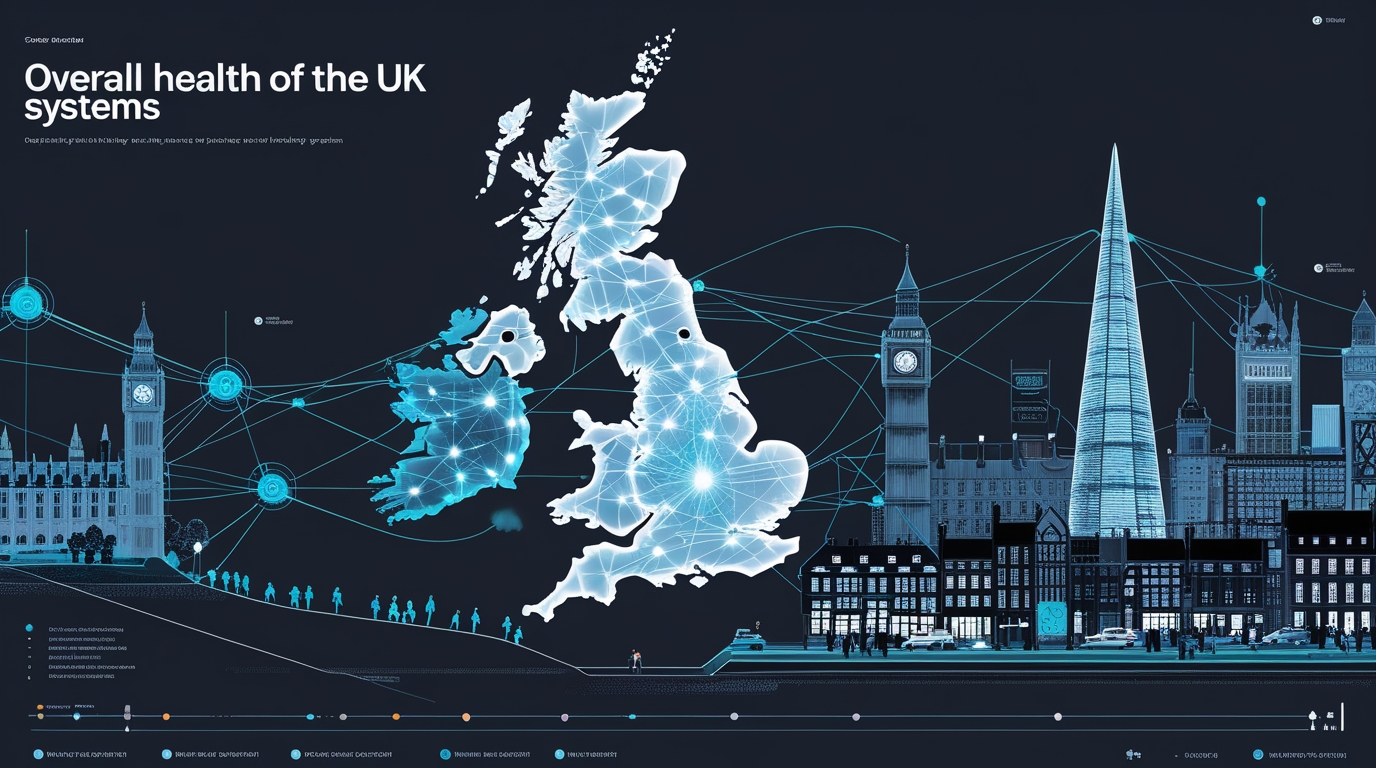
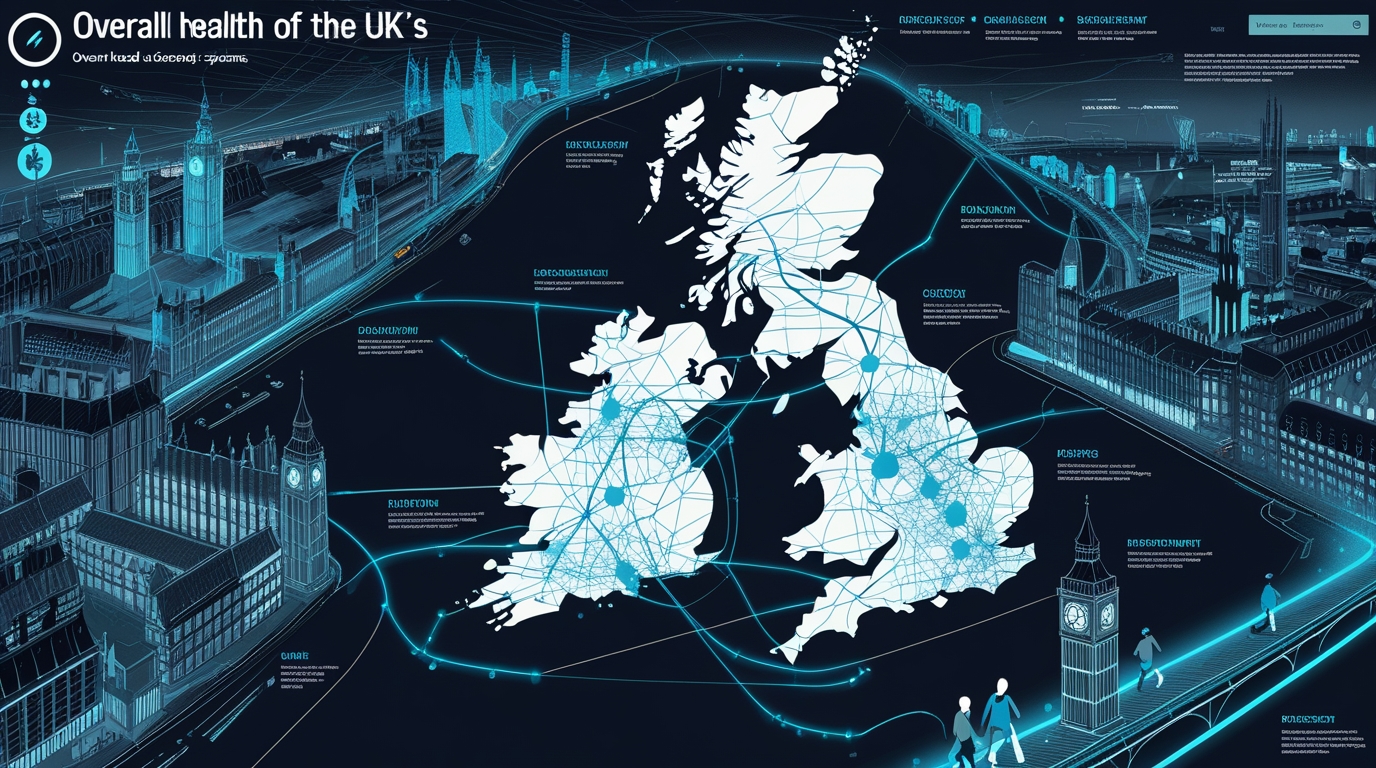
The UK economic and social system is experiencing synchronized deterioration across multiple interconnected subsystems. Employment conditions are worsening with unemployment accelerating to 5.3%, housing markets have entered a state of near-complete paralysis with transaction volumes down 45%, and healthcare system capacity has reached critical failure with 7.7 million people awaiting treatment. These conditions are not isolated failures but are connected through reinforcing feedback mechanisms that amplify dysfunction across the system.
March 2026 represents a critical juncture in the current economic cycle. Despite nominal wage growth of 4.6%, real wages have turned negative for the first time since 2022, falling to minus 0.2%. Household energy costs are scheduled to rise 10% from April 2026, rental costs have increased 8% year-on-year, and essential expenditure across multiple categories is rising faster than household incomes. The gap between official economic narratives emphasizing “wage growth” and lived experience of declining purchasing power has become statistically undeniable.
The unemployment acceleration from 5.1% to 5.3% signals activation of a recessionary feedback loop. Business revenues are declining as consumer expenditure contracts, forcing employment reductions, which further reduce household incomes and consumer spending capacity, creating a reinforcing cycle. The housing market remains immobilized by elevated mortgage costs at approximately 5.5%, preventing household mobility and creating geographic mismatches between labour supply and demand. The NHS waiting list has grown by 200,000 people in a single month, approaching the psychologically significant threshold of 8 million, representing one in eight people.