The Question: Why Is My Landlord Being Repossessed If I'm Paying My Rent? (Article 1)

You are paying your rent on time every month. The landlord is collecting it. And then one day you find out the property is being repossessed by the bank. It makes no sense. If the rent is coming in, how can the mortgage not be getting paid?
The answer lies inside a type of mortgage most tenants have never heard of — and once you understand it, a lot of other things about the housing system start to make sense too.
The mortgage your landlord probably has
When ordinary people buy a home to live in, they take out a repayment mortgage. Every month they pay back a portion of what they borrowed plus the interest on it. Over twenty-five years the debt shrinks to zero and they own the property outright.
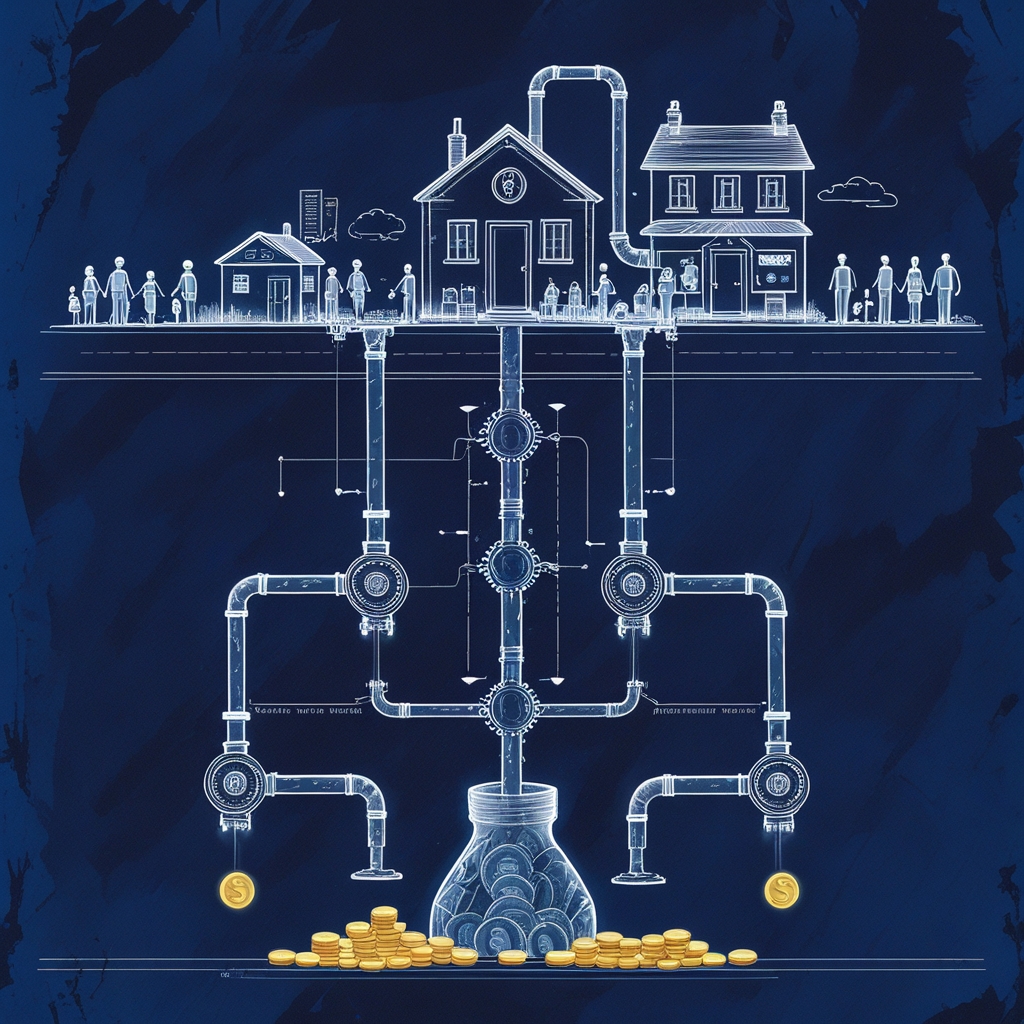
Buy-to-let landlords overwhelmingly did not do this. They took out interest-only mortgages. Every month they pay only the interest on the loan. The original debt — the capital — never reduces. At the end of the mortgage term they still owe exactly what they borrowed on day one.
This was not an accident or an oversight. It was a deliberate financial structure. When interest rates were sitting at one or two percent, an interest-only mortgage on a £200,000 property cost roughly £300 a month. Rent of £1,200 or £1,500 a month left a very comfortable margin after the mortgage, insurance, maintenance and agent fees were paid. The numbers worked easily and thousands of landlords built portfolios of multiple properties on exactly this model.
What changed and why it broke
Between late 2021 and 2023 the Bank of England raised interest rates from 0.1% to 5.25% in response to surging inflation. They have remained elevated since. That same £200,000 interest-only mortgage now costs closer to £875 a month. On a larger property with a bigger loan the monthly interest payment can exceed £1,500.
Suddenly the rent that once covered everything with money to spare barely covers the mortgage alone — and that is before a single penny goes on maintenance, void periods when the property sits empty, letting agent fees, or the tax changes introduced since 2017 that removed the ability to deduct mortgage interest from rental income before calculating tax. A landlord who was profitable at 2% can be loss-making at 5% on exactly the same property with exactly the same tenant paying exactly the same rent.
The remortgage cliff
There is a second mechanism that makes this worse. Buy-to-let mortgage deals run for two or five years, then expire. Landlords who fixed their rates at historic lows in 2019 or 2020 have been rolling off those deals and remortgaging ever since. When they approach their lender for a new deal, the lender applies a stress test — the rent must cover between 125% and 145% of the new mortgage payment at current rates. Many properties now fail that test. The landlord cannot get a new deal, rolls onto the lender's standard variable rate which is even higher, and the numbers collapse entirely.
For landlords with multiple properties the problem compounds. A portfolio that absorbed one empty property comfortably at low rates cannot absorb two or three at current rates. The fixed-rate cliff edge tends to hit all properties in a portfolio around the same time, because they were all bought and mortgaged during the same low-rate era.
What this means for you as a tenant
Your rent has been paid. You have done nothing wrong. But the financial structure your landlord built their business on was optimised for conditions that no longer exist. The repossession is not about your tenancy — it is about a debt structure that stopped working when the cost of borrowing changed.
The bank takes the property. Your landlord loses it. And you receive a notice telling you to leave.
What happens next — where you go, what you face in the rental market, and why the system makes finding somewhere new far harder than it should be — is the subject of the next piece in this series.
*Source: Bank of England base rate historical data — https://www.bankofengland.co.uk/monetary-policy/the-iterest-rate-bank-rate