The Feedback Loop - Why Waiting Lists Keep Growing
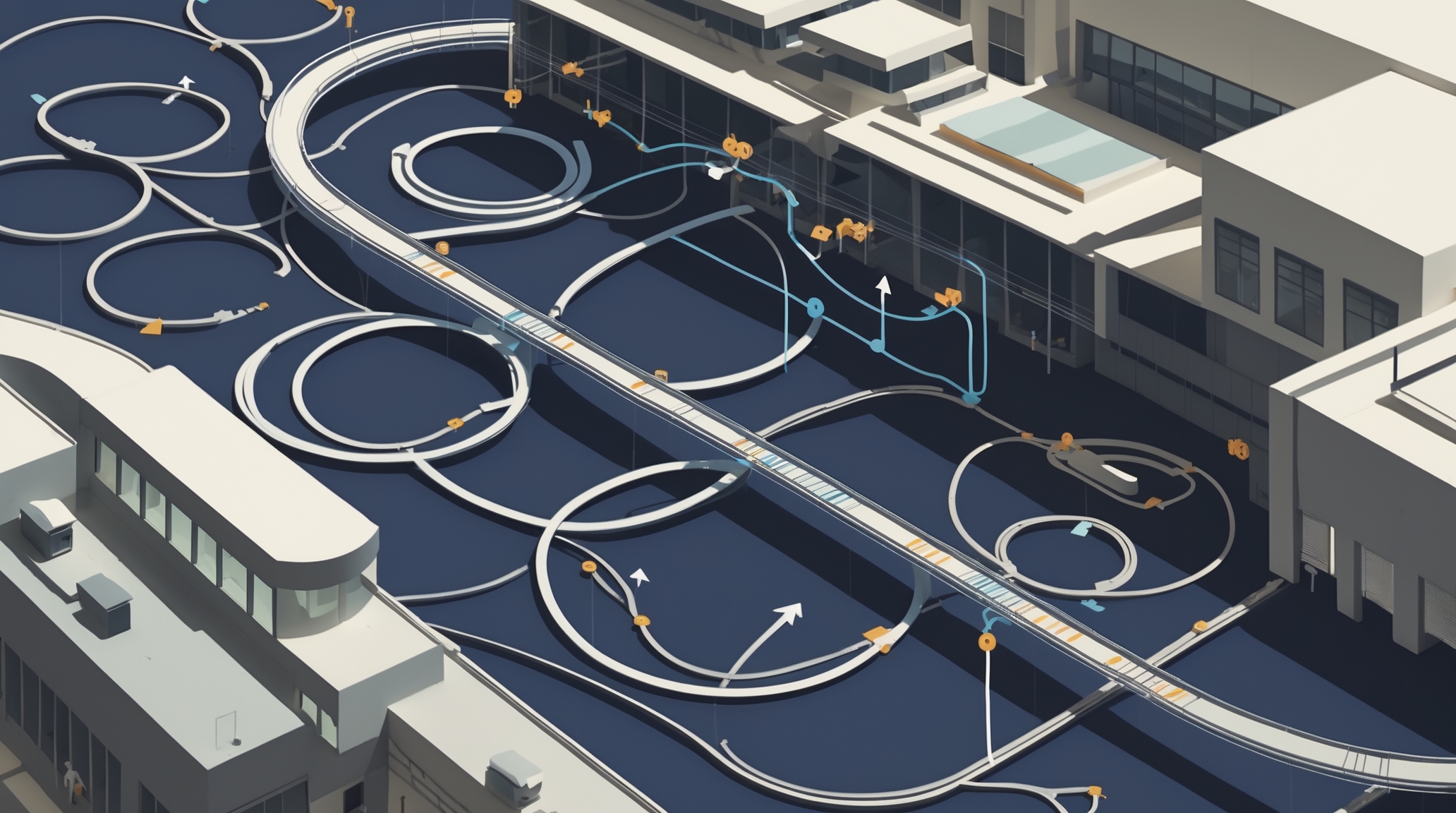
Waiting lists do not just exist. They grow. Year after year. More people waiting. Waiting longer. For routine operations. For specialist appointments. For diagnostics. For treatment. And the government promises to clear them. Every government. Every year. More funding. More efficiency. More outsourcing. And yet the lists grow. Not despite the promises. But because of the structure. Because the NHS is caught in feedback loops. Loops that turn small delays into long waits. That turn staff shortages into crises. That turn underfunding into collapse.
These loops are not accidents. They are built into the system. And once they are in motion, they reinforce themselves. They feed on their own outputs. And they spiral. Not toward resolution. Toward expansion. And understanding these loops is the key to understanding why the NHS, despite heroic efforts by staff, despite public support, despite increasing budgets, cannot keep up.
Let me show you the feedback loops that make NHS waiting lists grow.
The first loop is the capacity shortage loop. This is the most direct. The NHS does not have enough capacity. Not enough beds. Not enough operating theatres. Not enough diagnostic machines. Not enough staff to run them. So demand exceeds supply. And when demand exceeds supply, queues form. Waiting lists.
And here is the feedback. Long waiting lists deter some people. They give up. They go private. Or they live with the condition. So the list shrinks slightly. But for others, waiting makes the condition worse. A minor issue becomes major. A treatable problem becomes chronic. And the patient, who could have been treated quickly with a simple intervention, now needs complex, expensive, time-consuming treatment.
So the patient, who was on the list for a minor procedure, now needs major surgery. Which takes longer. Uses more resources. And creates more delay for everyone else. The waiting list grows. Not just in numbers. But in complexity. And the NHS, already short of capacity, has even less capacity to treat straightforward cases. Because it is tied up treating the complicated ones. That became complicated because they waited too long.
The loop reinforces. Lack of capacity creates waiting. Waiting creates complexity. Complexity consumes more capacity. Less capacity remains for new patients. More waiting. More complexity. The spiral continues.
The second loop is the staff shortage loop. The NHS cannot recruit enough staff. Cannot retain them. Doctors leave. Nurses leave. Therapists leave. And the remaining staff are stretched. Overworked. Covering gaps. Doing the work of two people. Three people. And they burn out.
Burnout leads to sickness. Stress. Absence. And absence creates more pressure on the remaining staff. Who cover the gaps. And burn out faster. And leave. Or go off sick. The workforce shrinks. The pressure increases. And the loop accelerates.
And here is the other feedback. As the NHS becomes more stressful, less attractive, recruitment becomes harder. Fewer people want to join. Medical school applications remain high. But retention during training is low. Junior doctors, seeing the workload, the pay, the conditions, leave before they qualify. Or they qualify and emigrate. To Australia. To Canada. To New Zealand. Where the pay is better. The conditions are better. And the respect is greater.
So the NHS trains staff and loses them. And the cost of training is sunk. Wasted. And the system, unable to recruit domestically, recruits internationally. From countries that need those staff even more than the UK does. This works. Temporarily. But it is not sustainable. And it does not solve the underlying problem. Which is that the NHS is not an attractive place to work. And as long as it is not, staff will leave. And the shortage will persist.
The third loop is the social care blockage loop. Social care is underfunded. Care homes are closing. Capacity is shrinking. And people who need care cannot access it. So they stay in hospital. Occupying beds. Even though they do not need hospital-level care. They just need somewhere to go. Somewhere safe. With support.
But the hospital cannot discharge them. Because there is nowhere to discharge them to. So the beds are blocked. And new patients, who need those beds, wait. In A&E. On trolleys. In corridors. For hours. For days. And the A&E, overflowing, cannot admit. Cannot treat. Cannot cope.
And here is the feedback. The longer patients wait in A&E, the sicker they become. Conditions deteriorate. Infections develop. Falls happen. And the patient, who arrived with a manageable problem, now has multiple problems. Requires more intensive care. Longer admission. More bed days. And when they are finally ready to be discharged, they cannot be. Because social care still has no capacity. So they stay. Blocking beds. And the loop continues.
And A&E, unable to meet the four-hour target, gets sanctioned. Shamed. Put under pressure. So the Trust diverts resources to A&E. Cancels elective surgery to free up beds. And the elective patients, whose operations were cancelled, go back on the waiting list. The waiting list grows. And the cycle spirals.
The fourth loop is the diagnostic delay loop. Many treatments require a diagnosis first. A scan. A test. A biopsy. And the NHS does not have enough diagnostic capacity. Not enough CT scanners. Not enough MRI machines. Not enough radiologists to read the scans. Not enough pathologists to analyze the tests. So diagnostic waiting times are long. Weeks. Months.
And diagnostic delay creates treatment delay. You cannot treat until you know what you are treating. So the patient waits. For a diagnosis. And while they wait, the condition progresses. Cancer spreads. Heart disease worsens. Kidney function declines. And by the time the diagnosis comes, the treatment is more complex. More expensive. And less likely to succeed.
So the diagnostic delay not only delays treatment. It makes treatment harder. And outcomes worse. And patients who could have been cured, if diagnosed early, are now managing chronic conditions. Requiring ongoing care. Consuming more resources. For life.
And here is the feedback. The worse the outcomes, the more demand there is for ongoing care. Monitoring. Repeat scans. Follow-up appointments. And this demand consumes the diagnostic capacity that could have been used for new patients. So the backlog grows. Diagnostic delays lengthen. And outcomes worsen further. The loop reinforces.
The fifth loop is the primary care access loop. GPs are the gatekeepers. You cannot access secondary care, hospitals, specialists, without a GP referral. So GP access is critical. But GP access is deteriorating. Practices are closing. GPs are retiring. And the remaining GPs are overwhelmed.
Getting a GP appointment is hard. Weeks of waiting. Or same-day telephone triage. Where you call at eight in the morning. Compete with hundreds of others. And hope to get through. If you do, you get a call back. From a GP. Who assesses you over the phone. And decides whether you need to be seen. Most of the time, the answer is no. Prescription. Advice. Referral to a specialist. Or nothing.
And here is the feedback. Patients, unable to see a GP, go to A&E. For things that a GP could have managed. Chest infections. Back pain. Minor injuries. And A&E, designed for emergencies, is overwhelmed with primary care problems. This delays emergency patients. Creates pressure. And consumes resources.
Meanwhile, the GPs who remain are stretched thinner. Seeing more patients. In less time. And making more errors. Or missing things. Or referring more. Because it is safer to refer than to miss something serious. So referrals to secondary care increase. Specialist waiting lists grow. And the specialists, already overwhelmed, have even less time for each patient. So they refer back to GPs. For monitoring. For management. And the GP, already overloaded, has another patient to manage. The loop spirals.
The sixth loop is the target distortion loop. The NHS is measured on targets. Waiting times. A&E performance. Cancer treatment. And Trusts are judged on these metrics. If they miss targets, they are sanctioned. Funding is withheld. Management is replaced. So Trusts focus on hitting targets. At any cost.
But hitting targets distorts priorities. A Trust, desperate to meet the A&E four-hour target, holds patients in ambulances. Because if the patient is not admitted to A&E, the clock does not start. So ambulances queue. Outside the hospital. With patients inside. Waiting. And the ambulances, tied up at the hospital, are not available for new calls. So response times increase. People wait longer for ambulances. And some die. Waiting.
Or the Trust cancels elective surgery. To free up beds. To create flow through A&E. To hit the target. And the elective patients, whose operations were cancelled, are rescheduled. Weeks later. Months later. And their waiting time increases. The elective waiting list grows. But the A&E target is met. The Trust avoids sanction. And the perverse incentive continues.
And here is the deeper feedback. Targets are set nationally. But capacity is local. Some Trusts have more capacity than others. More staff. Newer buildings. Better equipment. And they hit targets easily. Other Trusts, underfunded, understaffed, struggling, cannot. So they are sanctioned. Lose funding. Which makes the problem worse. Which makes hitting targets even harder. The loop reinforces failure.
The seventh loop is the prevention neglect loop. The NHS is reactive. It treats illness. It does not prevent it. Prevention, stopping people from getting sick in the first place, is not a priority. Because prevention does not generate activity. Does not fill beds. Does not create billable treatments. And the NHS is funded based on activity. So prevention is neglected.
And here is the feedback. Without prevention, more people get sick. Obesity. Diabetes. Heart disease. Lung disease. All preventable. Or manageable. If caught early. But they are not caught early. Because screening is limited. Public health is underfunded. And people, unaware they are at risk, do not seek help until symptoms appear. And by then, the disease is advanced. Requires intensive treatment. Long-term management. And the demand on the NHS increases.
So the NHS spends more. Treating preventable diseases. That could have been prevented. If there had been investment in prevention. But there is no investment. Because prevention does not deliver immediate, visible results. It delivers savings. Years later. Decades later. And politicians, operating on electoral cycles, do not invest in something that pays off after they have left office. So prevention is neglected. Demand grows. And the NHS, overwhelmed with treatable disease, has no capacity to invest in prevention. The loop continues.
The eighth loop is the funding inadequacy loop. The NHS is underfunded. Relative to demand. Relative to comparable countries. Relative to need. And underfunding creates pressure. To do more with less. To cut corners. To delay maintenance. To freeze recruitment.
And here is the feedback. Underfunding creates inefficiency. Buildings deteriorate. Equipment breaks. IT systems fail. And staff, working with broken tools in crumbling buildings, are less productive. They spend time working around problems. Instead of treating patients. So output falls. Even though effort is the same. Or higher.
And falling output creates more pressure. Waiting lists grow. Targets are missed. The government, seeing failure, blames inefficiency. And restricts funding further. As punishment. Or as incentive to improve. And the Trust, now even more underfunded, becomes even less efficient. The loop spirals downward.
So here are the loops. Capacity shortage creates waiting which creates complexity which consumes more capacity. Staff shortage creates burnout which creates more shortage. Social care blockage creates bed-blocking which creates A&E overflow. Diagnostic delay worsens outcomes which increases ongoing demand. Primary care collapse drives patients to A&E which overwhelms emergency care. Target-chasing distorts priorities which worsens untargeted areas. Prevention neglect increases disease which increases treatment demand. And underfunding creates inefficiency which justifies more underfunding.
These loops interact. They reinforce each other. And together, they ensure that the NHS, despite more money, despite more staff, despite more effort, cannot keep up. The waiting lists grow. The pressure increases. And the system, trapped in feedback loops that amplify problems rather than solve them, deteriorates.
The next article will show you why the NHS resists reform. Why, despite the loops being visible, despite the crisis being obvious, the structure does not change. Because changing the NHS is not just technically difficult. It is politically impossible. And the forces resisting change are stronger than the forces demanding it.