The Incentives - Who Profits From NHS Crises
The NHS is in crisis. Waiting lists are at record highs. Staff are leaving. Buildings are crumbling. Services are being cut. And the public, frustrated, demands action. But action does not come. Or when it does, it is inadequate. Temporary. A sticking plaster on a structural wound. And the crisis continues. Year after year. Worsening. Not improving.
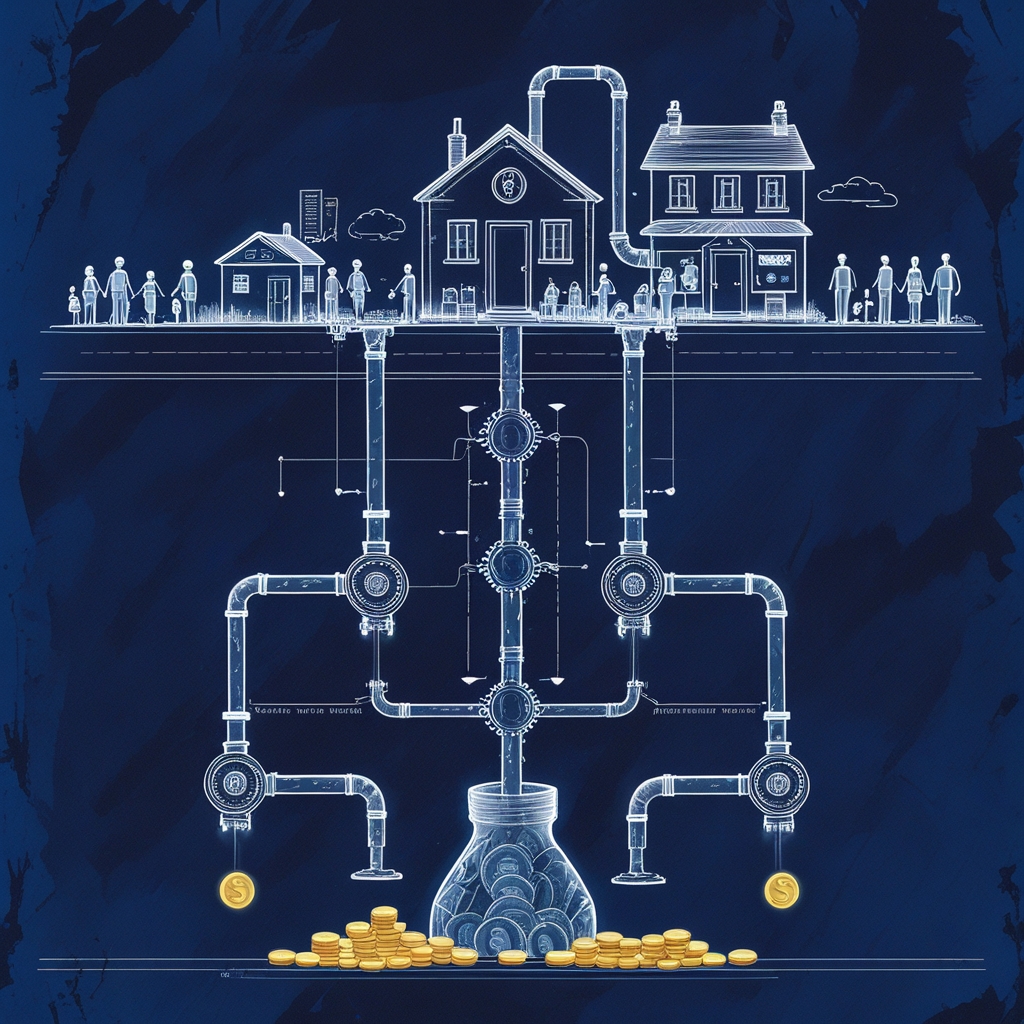
This is not incompetence. This is incentives. Because while the NHS is struggling, while patients are suffering, someone is profiting. Not from the NHS working well. From it working badly. From the gaps. The shortages. The failures. And those profits create interests. Interests that benefit from the crisis. That depend on it. And that resist solutions that would end it.
Understanding who profits from NHS crises is the key to understanding why they persist. Because the people benefiting have power. Political power. Economic power. And they use that power to protect the system that enriches them. Not the system that serves patients. The system that serves them.
Let me show you who profits from NHS crises.
The first beneficiary is private healthcare providers. Companies that run hospitals. Clinics. Diagnostic centers. All private. For profit. And they make money by treating NHS patients. Through contracts. Outsourcing. The NHS, unable to meet demand with its own capacity, buys from the private sector. Pays them to do scans. Operations. Outpatient appointments. And the private sector charges. More than the NHS tariff. Because they can. Because they are profit-making. And because the NHS is desperate.
And here is the feedback loop. The worse the NHS performs, the more it outsources. The more it outsources, the more money flows to private providers. So private providers have an incentive for the NHS to stay in crisis. Not explicitly. Not through sabotage. But structurally. Because crisis creates demand. And demand creates profit.
Private hospitals market themselves as the solution. No waiting. Fast access. Comfortable facilities. And they are right. If you can pay, or if your insurer pays, you get treated quickly. But the doctors performing the surgery are often NHS doctors. Working in private hospitals in their spare time. Evenings. Weekends. Doing the same procedures they do in the NHS. But for higher pay. And this creates a perverse incentive. NHS doctors, seeing waiting lists grow, knowing they could clear them if they had more time, instead spend that time in private practice. Treating private patients. Because the pay is better. And the NHS, which trained them, which employs them, loses their time. And the waiting list grows.
The second beneficiary is management consultants. The NHS spends billions on consultants. McKinsey. Deloitte. PwC. All hired to advise. To restructure. To improve efficiency. And they produce reports. Recommendations. Reorganizations. But the problems persist. So the NHS hires more consultants. To fix what the previous consultants did not. And the cycle continues. Consultants billing. Millions. Tens of millions. And the NHS, no better off, poorer.
Why does this happen? Because the NHS does not have internal capacity to manage change. It is overstretched. Understaffed. So when a problem arises, a reorganization, a merger, a new IT system, it hires consultants. And consultants, knowing they will be hired again, do not solve the problem permanently. They solve it temporarily. Or they shift it. Or they recommend another reorganization. Which requires more consultants. The incentive is not to fix the NHS. It is to keep being hired.
And consultants are expensive. A junior consultant might cost two thousand pounds per day. A senior one, five thousand. For work that, often, NHS staff could do. If they had the time. But they do not. So the consultants are hired. And the NHS budget, which could have gone to nurses, to doctors, to equipment, goes to consultants. Who profit. And leave. And the problem remains.
The third beneficiary is staffing agencies. The NHS cannot recruit enough permanent staff. So it fills gaps with agency workers. Nurses. Doctors. Locums. And agencies charge. Premium rates. A nurse who earns fifteen pounds per hour as a permanent employee might cost the NHS fifty pounds per hour through an agency. The agency takes the difference. Thirty-five pounds per hour. As profit.
And here is the loop. The NHS, unable to pay competitive salaries, loses permanent staff. Staff leave for agencies. Where they earn more. Doing the same job. In the same hospital. And the NHS, now short-staffed, hires them back. Through the agency. At three times the cost. The agency profits. The nurse earns more. And the NHS pays. Far more than if it had just paid the nurse properly in the first place.
This is not sustainable. But it continues. Because fixing it requires raising permanent staff salaries. And raising salaries costs money. Upfront. Visible. Politically difficult. Whereas agency spending, while expensive, is variable. It can be turned off. Or so the Treasury thinks. But it cannot. Because the staff shortage is structural. And without agencies, the NHS would collapse. So the agencies stay. And profit. And the NHS bleeds money.
The fourth beneficiary is pharmaceutical companies. The NHS is the largest single buyer of drugs in the UK. And pharmaceutical companies negotiate. They set prices. And the NHS pays. Often, far more than other countries pay. For the same drugs. Because the UK has weak negotiating power. Or because the NHS, desperate for a new treatment, agrees to high prices. And the pharmaceutical companies profit.
And here is the issue. The NHS does not manufacture drugs. It buys them. And the companies that make them are profit-maximizing. They charge what the market will bear. And the NHS, because it is committed to providing treatments, pays. Even when the cost is astronomical. Even when the benefit is marginal. Because denying treatment is politically impossible. So the companies know the NHS will pay. And they price accordingly.
NICE, the National Institute for Health and Care Excellence, is supposed to control this. It evaluates treatments. Decides whether they are cost-effective. And recommends whether the NHS should fund them. But NICE operates within constraints. Political constraints. Public pressure. If a treatment is denied, and a patient dies, the backlash is severe. So NICE approves. More often than it should. And the pharmaceutical companies, knowing this, price high. And profit.
The fifth beneficiary is PFI contractors. The companies that built hospitals under the Private Finance Initiative. And that now lease those hospitals back to the NHS. At inflated rates. These contracts are locked in. For decades. And the NHS has no choice but to pay. Even though the payments are crippling. Even though the hospitals are now outdated. Even though the terms are extortionate.
The PFI companies profit. Massively. They financed the builds. At high interest rates. And they are recouping. Plus profit. Over thirty years. Forty years. And the NHS Trusts, bound by contract, cannot escape. Cannot renegotiate. Cannot buy out. So they pay. Every year. Hundreds of millions. Collectively, billions. And the money, which could have gone to patient care, goes to PFI contractors. Who are, in many cases, offshore. Tax-avoiding. And profiting from public desperation.
The sixth beneficiary is private care home operators. Social care, as we established, is separate from the NHS. But it affects the NHS. Because people who cannot access social care stay in hospital. Blocking beds. And private care homes, which provide most social care, are profit-driven. They charge what they can. And they select residents who are profitable. Self-funders. People with assets. Who can pay forty thousand. Fifty thousand. Sixty thousand per year.
But they resist taking state-funded residents. Because the state pays less. The local council, commissioning care, pays thirty thousand. Thirty-five thousand. And at that rate, the care home cannot make a profit. Or cannot make enough profit. So they refuse. Or they limit the number. And the people who need care, who are reliant on state funding, cannot find a place. So they stay in hospital. And the NHS pays. Bed costs. Which are higher than care home costs. And the private care home operators, having refused the unprofitable residents, profit from the profitable ones. And the NHS, and the patient, suffer.
The seventh beneficiary is property developers and landlords. The NHS owns buildings. Land. Some of it valuable. And when the NHS is in financial trouble, when a Trust is in deficit, it sells. Assets. Property. To balance the books. And developers buy. At market rates. Or below. And they redevelop. Luxury flats. Commercial units. And profit.
And the NHS, having sold the asset, is left renting. Or relocating. Or downsizing. The short-term gain, the sale price, relieves the immediate deficit. But the long-term cost is higher. Because the NHS no longer owns the asset. Cannot use it. Cannot benefit from its appreciation. And the developer, or the landlord, profits. From NHS desperation.
The eighth beneficiary is the Treasury. This sounds counterintuitive. But hear me out. The Treasury controls NHS funding. And the Treasury benefits from crisis. Not financially. But politically. Because crisis justifies austerity. Justifies restraint. Justifies saying no.
When the NHS is in crisis, the government can argue that more money will not solve it. That the NHS is inefficient. That it needs reform, not funding. And this argument, whether true or not, allows the Treasury to limit spending. To keep the NHS budget below what is needed. And to use the savings elsewhere. Tax cuts. Debt reduction. Other priorities.
And the Treasury, by keeping the NHS underfunded, creates pressure. Pressure for efficiency. Pressure for outsourcing. Pressure for private sector involvement. All of which align with Treasury ideology. Small state. Market solutions. Private provision. So the crisis serves the Treasury's goals. Not by design. But by outcome.
The ninth beneficiary is politicians. Particularly opposition politicians. Because NHS crises create political opportunity. When the NHS is struggling, the opposition blames the government. Accuses them of underfunding. Of privatization. Of neglect. And this generates votes. Public anger. Electoral advantage.
But here is the issue. When the opposition becomes the government, the crisis persists. Because fixing the NHS requires money. Structural reform. Political capital. And the new government, facing the same fiscal constraints, the same Treasury pressure, the same vested interests, does not fix it. They manage it. They tinker. They blame the previous government. And the crisis continues.
So opposition politicians benefit from the crisis. While in opposition. But they do not solve it. When in power. Because solving it is harder than criticizing it. And the cycle repeats.
The tenth beneficiary is medical device companies. The NHS buys equipment. Scanners. Ventilators. Surgical instruments. And the companies that make them charge. Premium prices. Because the NHS, needing the equipment, pays. And competition is limited. Because medical devices are specialized. Regulated. And switching suppliers is difficult.
So device companies set prices. And the NHS pays. And the companies profit. Particularly during crises. During COVID, ventilator manufacturers charged inflated prices. Because demand was urgent. Supply was limited. And the NHS, desperate, paid. The manufacturers profited. Enormously. From public need.
So here is who profits from NHS crises. Private healthcare providers, who get more outsourcing contracts. Management consultants, who get hired repeatedly to fix unfixed problems. Staffing agencies, who charge triple for the same staff. Pharmaceutical companies, who set high prices the NHS cannot refuse. PFI contractors, who extract billions through locked-in leases. Private care home operators, who cherry-pick profitable residents. Property developers, who buy NHS assets at distressed prices. The Treasury, which uses crisis to justify austerity. Opposition politicians, who gain votes from government failure. And medical device companies, who charge premium prices during shortages.
Notice who is not on that list. Patients. Staff. The public. They do not profit. They pay. Through worse care. Through longer waits. Through higher taxes. Through watching a system they love deteriorate.
The system is not broken for everyone. It is working. For the people who profit from it. And those people, rationally, protect it. They lobby. They donate. They advise government. They shape policy. Not to fix the NHS. But to preserve the conditions that enrich them. And until those incentives change, until the profits are removed, the crisis will persist. Because the crisis is not a bug. For some, it is a feature.
The next article will show you the feedback loops that make the crisis self-reinforcing. That ensure waiting lists grow. That ensure staff shortages worsen. That ensure the NHS, despite more funding, delivers less. Because the structure creates dynamics. And those dynamics, once in motion, are very hard to stop.