The Incentives - Who Profits From High UK House Prices
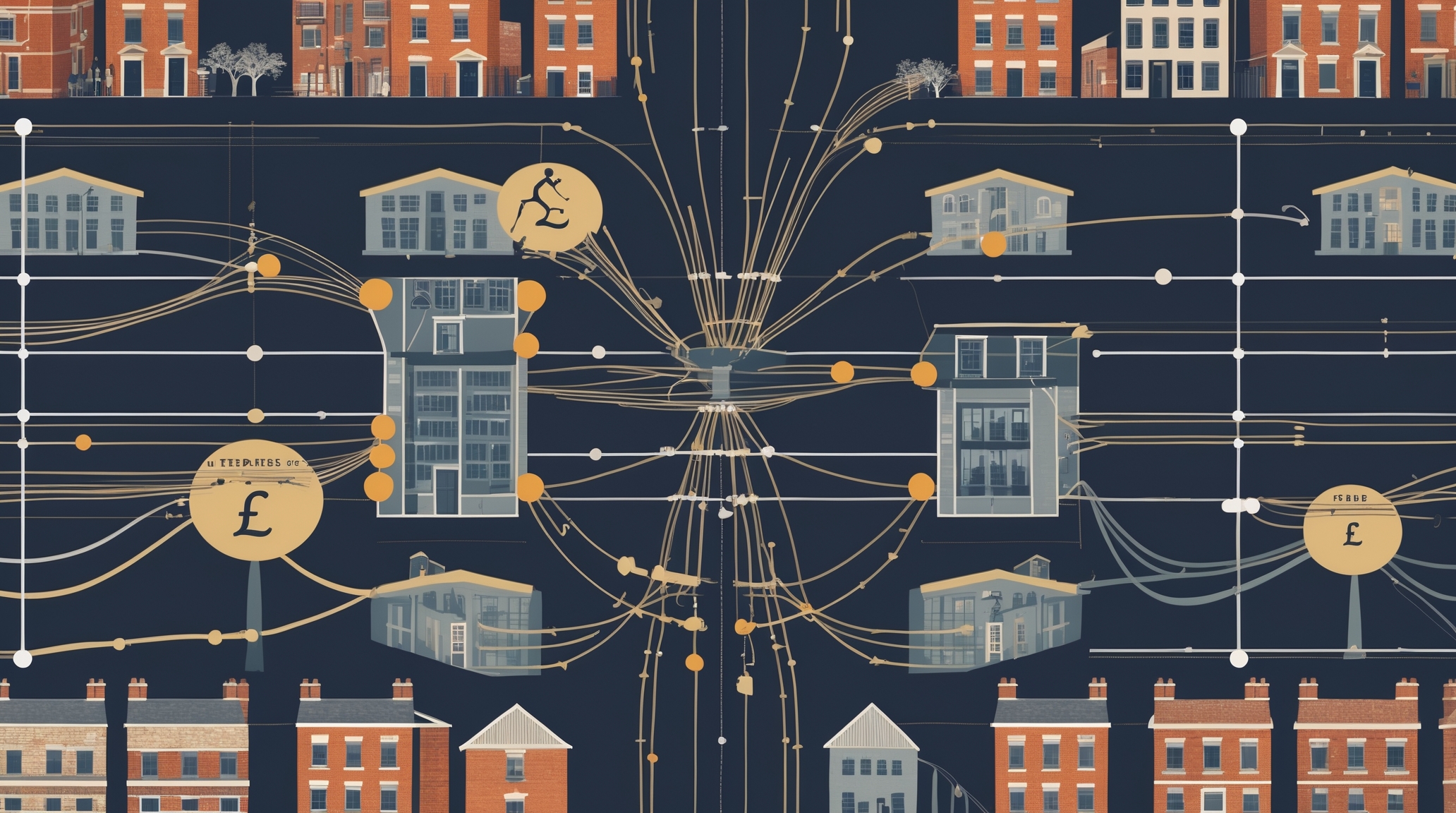
When house prices rise, someone benefits. Not everyone. But someone. And understanding who benefits is the key to understanding why UK housing is the way it is. Because the people who profit from high prices have power. Political power. Economic power. And they use that power to protect the system that enriches them. Not maliciously. Not through conspiracy. But through the normal operation of politics and markets. They defend their interests. And their interests are served by expensive housing.
So when politicians promise to make housing affordable, and then do nothing, it is not incompetence. It is incentives. The people who benefit from high prices are more powerful than the people who suffer from them. And the system reflects that imbalance.
Let me show you who profits from high UK house prices.
The first and most obvious beneficiary is existing homeowners. There are roughly fourteen million homeowners in England. That is roughly half the population. And for most of them, their home is their largest asset. Often their only significant asset. So when house prices rise, they feel wealthier. This is called the wealth effect. And it is psychological as much as financial.
A homeowner who bought a house for two hundred thousand pounds and now sees it valued at four hundred thousand feels like they have gained two hundred thousand pounds. They have not. Not unless they sell. But the feeling is real. And the feeling influences behavior. Wealthy people spend more. Borrow more. Invest more. So rising house prices stimulate the economy. Not for renters. But for owners. And owners vote. In large numbers.
This creates a political problem. Any policy that would reduce house prices would hurt homeowners. And homeowners are a voting bloc. A powerful one. Spread across constituencies. Across demographics. Across income levels. And they do not want their wealth to fall. So when a politician proposes a policy that might reduce prices, building more homes, reforming planning, homeowners resist. They lobby. They vote. And the politician, seeing the backlash, backs down.
This is why politicians promise affordability but deliver policies that protect prices. Because the voters who own homes do not want affordability. They want their asset to appreciate. And politicians respond to voters. Particularly voters who turn out. And homeowners turn out.
The second beneficiary is banks and mortgage lenders. Banks make money from mortgages. The larger the mortgage, the more interest they earn. Over the life of a typical mortgage, the borrower pays roughly as much in interest as they borrowed in principal. On a three-hundred-thousand-pound mortgage at four percent over twenty-five years, the total repayment is around five hundred and thirty thousand pounds. The bank lent three hundred thousand. And collected two hundred and thirty thousand in interest. That is profit.
So banks have an interest in high house prices. Because high prices mean larger mortgages. And larger mortgages mean more profit. The bank does not care whether you can comfortably afford the repayments. They care whether you will make the repayments. And as long as you do, for twenty-five years, they profit enormously.
Banks also hold property as collateral. If you default, the bank repossesses the house and sells it to recover the loan. So the bank needs the house to be worth at least as much as the outstanding debt. If house prices fall significantly, and the house is worth less than the loan, the bank takes a loss. This is what happened in 2008. Prices fell. Borrowers defaulted. And banks faced losses. Massive losses. Some failed. Others were bailed out. And the entire financial system teetered.
So banks do not want house prices to fall. Not just because it reduces future lending profit. But because it threatens existing loans. And when prices do start to fall, banks lobby. They pressure the government. They warn of financial instability. Economic collapse. And the government, fearing a crisis, intervenes. They cut interest rates. They introduce buyer support schemes. They do whatever it takes to stabilize prices. Not to make housing affordable. But to protect the banks.
The third beneficiary is property developers and housebuilders. Developers make money by building and selling homes. And the profit per home is the difference between the cost of building and the sale price. The higher the sale price, the higher the profit. So developers have no interest in affordable housing. They have an interest in expensive housing.
This is why developers focus on large homes. Detached houses. Executive homes. Four bedrooms. Five bedrooms. Because these sell for more. And the profit margin is better. A developer can build a small flat for eighty thousand pounds and sell it for one hundred and fifty thousand. Profit of seventy thousand. Or they can build a large house for one hundred and fifty thousand and sell it for four hundred thousand. Profit of two hundred and fifty thousand. The choice is obvious.
Developers also control the pace of supply. They do not build as many homes as they have permission for. They build in phases. Releasing homes gradually. Because flooding the market would depress prices. And lower prices mean lower profits. So they hold back. Land banking. Drip-feeding supply. Matching it to demand. And keeping prices high. This is rational for the developer. But it is terrible for society. Because society needs homes now. Not in five years. Not in ten. Now. But the developer has no incentive to provide that.
And here is the other issue. Developers negotiate on affordable housing requirements. When a council grants planning permission, they often require a percentage of the homes to be affordable. Social housing. Shared ownership. Discounted for first-time buyers. But developers argue that including too much affordable housing makes the development financially unviable. They show the council their numbers. The costs. The projected revenues. And they claim that if they have to include the full affordable housing requirement, the project does not work. So the council reduces the requirement. From thirty percent to twenty. From twenty to ten. And the affordable housing that gets built is a fraction of what was promised.
The developer benefits. They build fewer low-margin affordable homes and more high-margin market homes. And the people who needed affordable housing are left waiting.
The fourth beneficiary is buy-to-let landlords. Landlords own property as an investment. They rent it out. Collect rental income. And benefit from capital appreciation. And in the UK, property has been one of the safest, most profitable investments available. Prices have risen consistently. Rental income covers the mortgage. And when the landlord eventually sells, the capital gain is substantial.
But landlords depend on high prices. Because their wealth is tied to the value of their properties. If prices fall, their net worth falls. And if prices fall below the mortgage balance, they are in negative equity. So landlords, like homeowners, oppose policies that would reduce prices. They want prices to stay high. Or rise higher. Because that is how they accumulate wealth.
Landlords also benefit from high rents. And rents track house prices. When house prices rise, rents rise. Because new landlords, buying properties at higher prices, need higher rents to cover their costs. So existing landlords, who bought years ago at lower prices, can raise rents in line with the market. And their profit margin increases.
This creates an incentive structure that works against affordability. Landlords need high house prices to protect their wealth. And they need high rents to maximize income. So they oppose policies that would reduce either. And landlords, collectively, are a significant lobby. Organized. Vocal. And politically active. They fund think tanks. They lobby MPs. And they defend the system that benefits them.
The fifth beneficiary is the government. The Treasury. Because high house prices generate revenue. Stamp duty is a tax on property transactions. And the higher the price, the higher the tax. On a house sold for five hundred thousand pounds, the buyer pays fifteen thousand pounds in stamp duty. On a house sold for one million pounds, the buyer pays forty-three thousand seven hundred and fifty pounds. Stamp duty revenue is substantial. Billions per year. And rising house prices mean rising stamp duty receipts.
Inheritance tax is another source. When someone dies, their estate is taxed. And for most people, property is the largest part of the estate. So rising house prices increase inheritance tax revenue. Not immediately. But over time. As estates grow. As more estates exceed the tax threshold. The government collects more.
And construction generates economic activity. Jobs. Purchases of materials. VAT on sales. All of it contributes to GDP. To employment. To tax revenue. So the government benefits from a strong housing market. Not an affordable one. A strong one. And strong means high prices. High volumes. High activity.
This creates a fiscal interest in expensive housing. The government says it wants affordability. But affordability would reduce stamp duty. Reduce inheritance tax. Potentially reduce economic activity. So the policies the government implements often contradict the rhetoric. Help to Buy increased demand and pushed prices up. Planning reform gets announced and then quietly shelved. Green belt protection remains sacrosanct. Because the political and fiscal costs of reducing house prices exceed the benefits.
The sixth beneficiary is landowners. Not developers. Landowners. The people who own land before it gets planning permission. Because planning permission transforms the value of land. Agricultural land might be worth ten thousand pounds per acre. But once planning permission is granted, that same acre could be worth millions. The uplift, the difference between agricultural value and development value, is captured by the landowner. Not the public.
This is unearned wealth. The landowner did nothing to create the value. The community created it. By allowing development. By building infrastructure. Schools. Roads. Public transport. All of that increases land value. But the landowner keeps the gain. And in the UK, there is no land value tax. No mechanism to capture that uplift for the public. So the landowner profits. Enormously. From a decision made by the planning authority.
And landowners, knowing this, speculate. They buy land. Hold it. Apply for permission. And wait. If permission is granted, they sell. If not, they hold and try again. Or they sell to a developer who will try. Either way, the landowner profits from the scarcity created by the planning system. And they have every incentive to keep the system restrictive. Because restriction creates scarcity. And scarcity creates value.
The seventh beneficiary is the older generation. Baby boomers. Gen X. People who bought property decades ago. When prices were low. When a house cost three times average income. Not ten times. They bought. They paid off their mortgages. And they watched the value rise. Some of them traded up. Bought bigger homes. Second homes. Investment properties. And they accumulated wealth. Significant wealth. Simply by owning property during a period of sustained price growth.
And now, in retirement, that wealth supports them. They downsize and release equity. They borrow against the property to fund living expenses. They pass it on to their children. And they vote. In large numbers. And they vote to protect that wealth. So any policy that threatens house prices threatens their wealth. And they oppose it. They write to MPs. They attend council meetings. They vote for parties that promise to protect property values. And politicians, seeing this, respond.
This creates a generational divide. Older people benefit from high prices. Younger people are harmed by them. But older people vote more reliably. So their interests are prioritized. And housing policy reflects that. It protects the wealth of those who already own. At the expense of those trying to buy.
The eighth beneficiary is estate agents, conveyancers, surveyors, and the property services industry. Estate agents earn commission. Typically one to two percent of the sale price. So the higher the price, the higher the commission. On a house sold for five hundred thousand pounds, the agent earns five to ten thousand pounds. On a house sold for one million pounds, they earn ten to twenty thousand. The agent has no interest in affordable housing. They have an interest in expensive housing. And high transaction volumes.
The same applies to conveyancers, surveyors, mortgage brokers. All of them earn fees based on the transaction. And all of them benefit when prices are high and transactions are frequent. So the entire property services industry has a vested interest in expensive housing. And they lobby. Not explicitly for high prices. But for policies that maintain activity. That keep transactions happening. And transactions happen when prices are rising. Because rising prices create urgency. Fear of missing out. People buy now rather than later. And the industry profits.
So here is who benefits from high UK house prices. Existing homeowners, who feel wealthier. Banks, who earn interest on larger mortgages. Developers, who maximize profit per unit. Buy-to-let landlords, who accumulate capital and rental income. Government, which collects stamp duty and inheritance tax. Landowners, who capture planning uplift. The older generation, who bought cheap and watched values rise. And the property services industry, which earns fees on every transaction.
Notice who is not on that list. Renters. Young people trying to buy their first home. Low-income households priced out of homeownership. People on social housing waiting lists. They do not benefit. They pay. Through higher rents. Through unaffordable deposits. Through decades of debt. Through housing insecurity. But they do not have power. Not economic power. Not political power. So the system does not serve them.
This is not conspiracy. This is structure. The people who benefit from high prices have interests. And they defend those interests. Through voting. Through lobbying. Through investment. And the system, responding to those pressures, stays as it is. Expensive. Profitable for some. Unaffordable for others. And designed, whether intentionally or not, to keep it that way.
The next article will show you the feedback loops that keep prices rising. Why, even when supply increases, prices do not fall. Why affordability gets worse, not better. And why the system, once locked into this trajectory, cannot easily reverse. Because the loops are reinforcing. They amplify. And they ensure that high prices, rather than being a temporary problem, are a permanent feature.