The Machine - How UK Housing Markets Actually Work
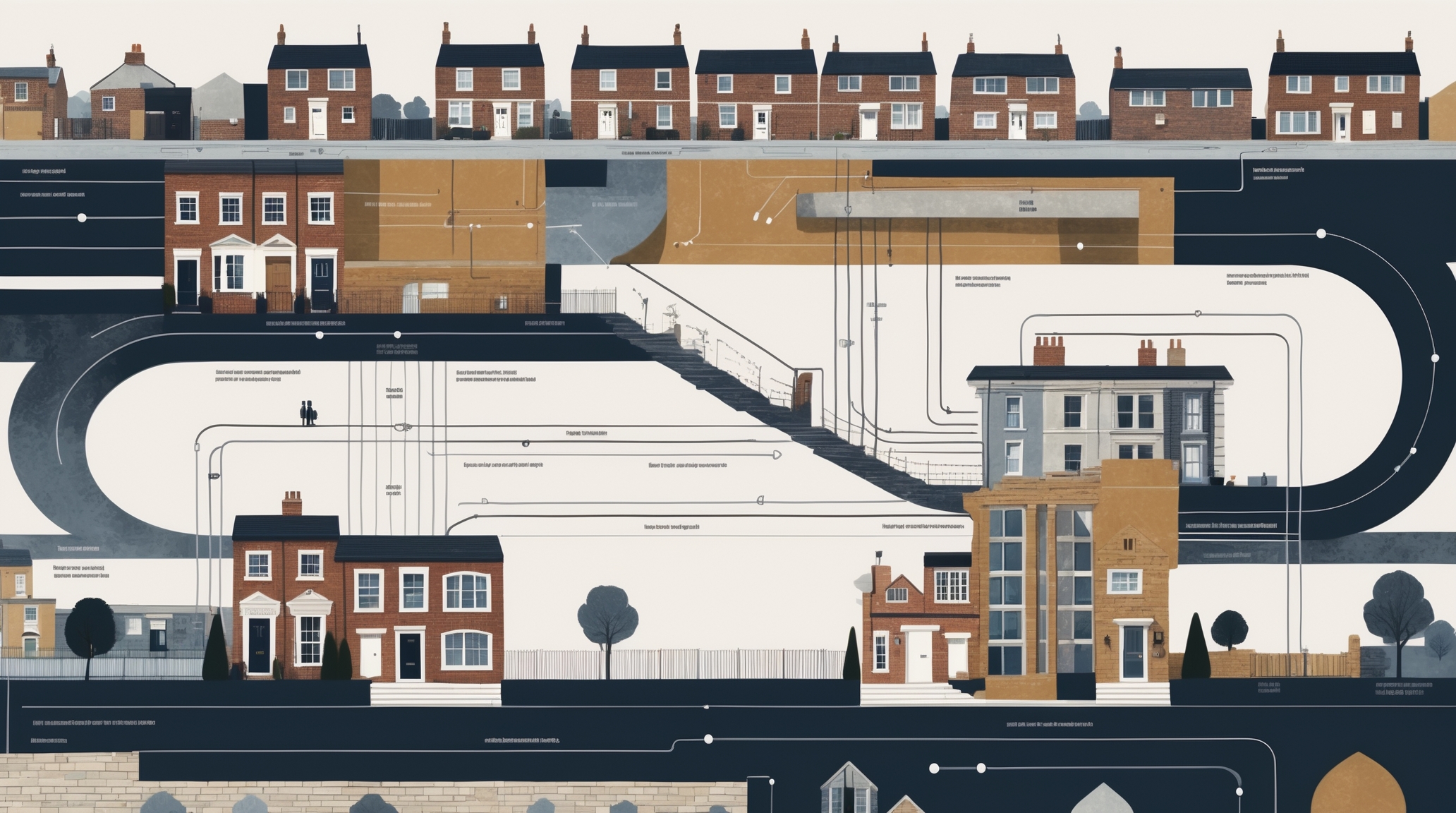
You want to buy a house. You save for years. You get a mortgage. You bid on a property. And you lose. Someone else bid higher. So you try again. And again. And each time, the price has gone up. The deposit you saved is no longer enough. The mortgage you were approved for no longer covers it. And you are stuck. Renting. Watching prices rise. Knowing that every month you wait, home ownership gets further away.
This is not bad luck. This is not a temporary blip. This is the UK housing system working exactly as it was designed to work. And it was designed not to provide affordable homes for people who need them. It was designed to protect the wealth of people who already own homes. To generate profit for developers. To create revenue for banks. And to ensure that housing, rather than being a place to live, remains an asset. An investment. A store of wealth. And investments, by definition, are supposed to go up in value. Not down.
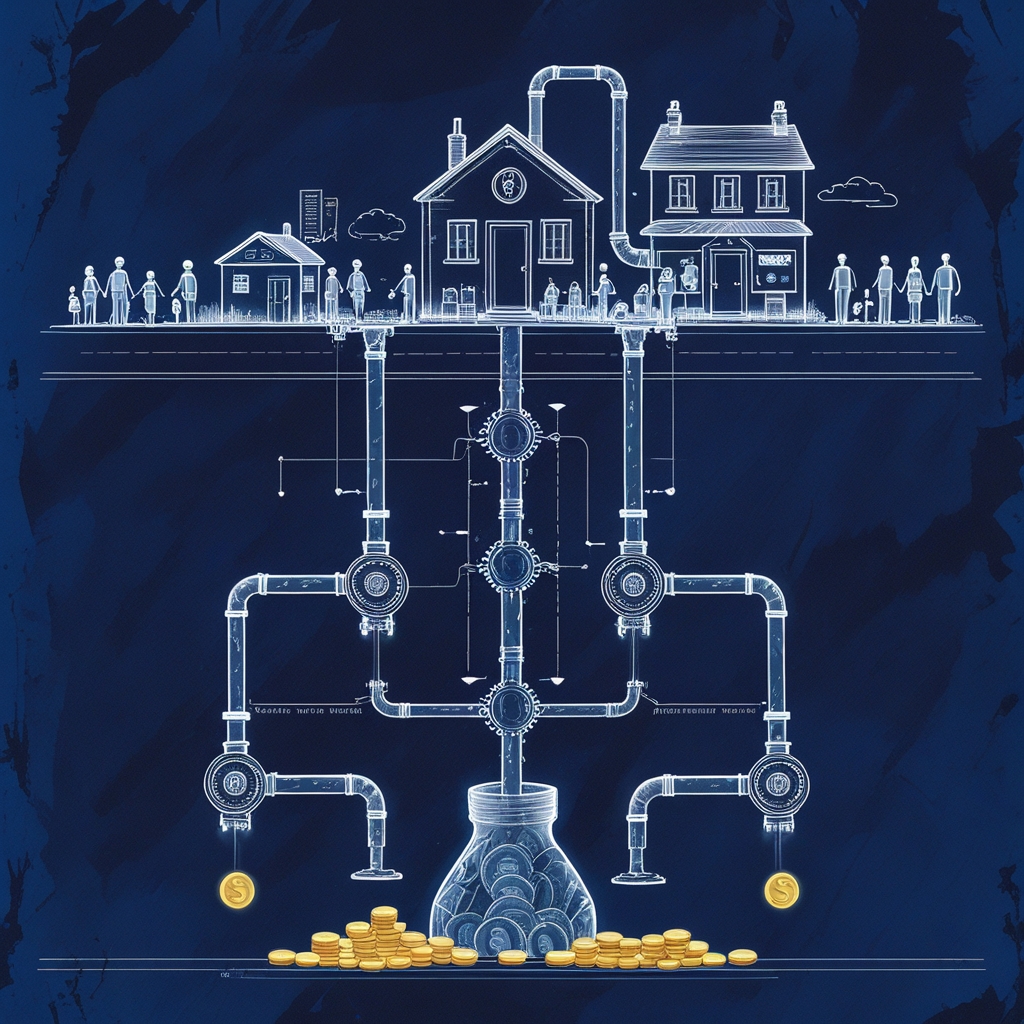
This is the machine. And understanding how it works is the only way to understand why UK housing is so expensive. Why supply never meets demand. Why prices keep rising. And why nothing ever changes.
Let me show you how the UK housing system actually works.
The first thing to understand is land. In the UK, land ownership is concentrated. Much of it is held by aristocratic estates, the Crown, institutions, and large landowners. And the land that is available for development is controlled by the planning system. A system that decides where you can build, what you can build, and how much you can build. And that system is restrictive. Deliberately so.
Here is how it works. If you own land and you want to build on it, you need planning permission. You submit an application to the local council. The council reviews it. Consults. Considers objections. And then decides. Yes or no. And the default, in most cases, is no. Because the planning system in the UK is discretionary. Permission is not a right. It is granted. Or withheld. Based on local plans, policies, and politics.
This creates scarcity. Not natural scarcity. Regulatory scarcity. The UK is not running out of land. Only a small percentage of England is built on. But most of that land is designated as greenbelt, protected countryside, or agricultural. And the planning system makes it very difficult to change that designation. So the land that is available for housing is limited. Not by geography. But by regulation.
And limited supply, combined with rising demand, drives up prices. Not just for houses. But for land. Land with planning permission is worth far more than land without it. The permission itself creates value. Enormous value. A field worth fifty thousand pounds as agricultural land can be worth millions once planning permission is granted. That difference, that uplift, is captured by the landowner. Not the public. And it is one of the reasons land is hoarded. Held. Waiting for permission. Because the permission is where the profit is.
The second thing to understand is developers. Housebuilders in the UK are not charities. They are businesses. And they are in the business of maximizing profit. Not maximizing supply. So they build strategically. They build slowly. And they build where the margins are highest.
Here is how it works. A developer acquires land. Either by buying it outright or by optioning it, securing the right to buy it if planning permission is granted. Then they apply for permission. This process takes time. Months. Sometimes years. And it costs money. Planning fees. Consultants. Legal costs. So the developer does not proceed unless they are confident the permission will be granted and the development will be profitable.
Once permission is granted, the developer does not immediately build. They land bank. They hold the land. With permission. Waiting for the right market conditions. Because building too quickly, flooding the market with new homes, would depress prices. And lower prices mean lower profit. So the developer releases homes gradually. In phases. Matching supply to demand. Keeping prices high. Maximizing revenue per unit.
This is rational. From the developer's perspective. But it is not rational from society's perspective. Because society needs homes. Quickly. At scale. But the developer has no incentive to provide that. Their incentive is to build just enough to maintain scarcity. And scarcity keeps prices high.
And here is the other problem. Developers focus on high-margin homes. Larger homes. Detached homes. Homes that sell for more. Because profit per unit is higher. They do not focus on affordable homes. Small flats. Starter homes. Because the margins are lower. And planning obligations, requirements to include affordable housing, are negotiated. Developers argue that including too much affordable housing makes the development unviable. And councils, desperate for any housing, often agree to reduce the requirement. So the affordable housing that does get built is a fraction of what was originally promised. And it is often sold to housing associations, not to individuals. So it does not help first-time buyers.
The third thing to understand is mortgages. Most people cannot buy a house with cash. They borrow. And in the UK, mortgage lending is substantial. Banks lend multiples of income. Four times. Five times. Sometimes more. And the amount you can borrow determines the price you can pay. So when banks lend more, prices rise. Because buyers, armed with bigger loans, bid more. And sellers, seeing higher bids, raise their asking prices. The availability of credit inflates prices.
But here is the key. Banks profit from mortgages. The bigger the loan, the more interest they collect. Over twenty-five years, a mortgage at four percent interest means you pay nearly as much in interest as you borrowed in principal. On a three-hundred-thousand-pound mortgage, you pay roughly two hundred and fifty thousand pounds in interest. Over the life of the loan. That is profit. For the bank. And the bank has no incentive to see house prices fall. Because falling prices mean smaller loans. Less interest. Less profit.
So banks support high house prices. Not explicitly. But structurally. They lend generously during booms. And they tighten during busts. But the long-term trend is upward. More lending. Bigger loans. Higher prices. And the bank profits at every stage.
And when prices fall, as they did in 2008, banks do not celebrate affordable housing. They panic. Because falling prices create negative equity. Borrowers who owe more than their house is worth. And negative equity leads to defaults. Defaults lead to repossessions. Repossessions lead to losses. So banks, and the government, do everything they can to prevent prices from falling. They cut interest rates. They introduce schemes to support buyers. Help to Buy. Shared ownership. All of it designed to keep demand high. To keep prices from collapsing. Because a collapse would hurt the banks. And the banks are too important to fail.
The fourth thing to understand is social housing. Or rather, the lack of it. The UK used to build council housing. Homes owned by local authorities. Rented at affordable rates. Managed by the council. This provided an alternative to the private market. And it housed millions of people. But in the 1980s, the Right to Buy policy allowed council tenants to buy their homes. At a discount. This was popular. It created homeowners. But it gutted the social housing stock.
The homes that were sold were not replaced. Councils were not allowed to use the proceeds to build new homes. So the stock declined. And declined. And what remains is insufficient. Waiting lists for social housing are years long. Sometimes decades. So people who cannot afford private rent or a mortgage are stuck. Overcrowded. Homeless. Or stuck in temporary accommodation. Paid for by the council. At private market rates. Which costs the public far more than building social housing would have.
And the private rental sector has filled the gap. But private rents are high. Because landlords, who bought properties to let, need to cover their mortgage and make a profit. So rents track house prices. And house prices keep rising. So rents keep rising. And renters, paying high rents, cannot save for a deposit. So they stay renters. The loop reinforces.
The fifth thing to understand is buy-to-let. In the UK, a significant portion of housing is owned not by people who live in it, but by landlords who rent it out. This became widespread in the late 1990s and 2000s. When mortgage interest rates were low and buy-to-let mortgages became available. Investors, seeing property as a safe investment, bought homes. Rented them out. And watched the capital value rise. The rental income covered the mortgage. And the capital gain, when they eventually sold, was profit.
This added demand. Demand from investors. Not from people who needed somewhere to live. And investor demand drove up prices. Because investors, unlike first-time buyers, often had cash or large deposits. They could outbid owner-occupiers. And they did. Entire streets. Entire developments. Bought by landlords. Rented out. And the people who wanted to live in those homes were priced out.
And here is the other effect. Buy-to-let reduced the proportion of owner-occupied housing. In some areas, nearly half the homes are rented. And renters, by definition, do not build equity. They do not accumulate wealth through property ownership. So the wealth gap widens. Between those who own property and those who do not. And property ownership becomes hereditary. Because the only way most young people can afford a deposit is through parental help. The bank of mum and dad. And if your parents do not own property, you do not get that help. So you stay a renter. And your children, in turn, will be renters. The system entrenches inequality.
The sixth thing to understand is the role of government. The government claims to want affordable housing. Every party, in every manifesto, promises to build more homes. But the policies they implement often make the problem worse. Help to Buy, for example, was supposed to help first-time buyers. It gave them a loan to top up their deposit. But what it actually did was increase demand. More buyers, with bigger budgets, competing for the same limited supply. So prices rose. The scheme helped some people buy. But it made housing less affordable overall.
And the government benefits from high house prices. Stamp duty, the tax on property transactions, is a significant revenue source. The higher the price, the higher the tax. Inheritance tax applies to estates, and property is often the largest asset. So rising house prices increase inheritance tax revenue. And construction generates VAT. Economic activity. Jobs. So the government has a fiscal interest in a strong housing market. Not an affordable one. A strong one. And strong, in this context, means expensive.
So here is what the UK housing system looks like. A planning system that restricts supply. Landowners who hoard land with permission. Developers who build slowly to maximize profit. Banks that lend generously because bigger mortgages mean more interest. A decimated social housing sector. A buy-to-let market that competes with first-time buyers. And a government that claims to want affordability while implementing policies that inflate prices.
This is the machine. And it is not broken. It is working exactly as the incentives dictate. Land is scarce by regulation. Development is controlled by profit-seeking businesses. Credit is abundant because banks profit from it. Social housing has been sold off and not replaced. Investors buy homes as assets. And government policy supports high prices because falling prices would cause economic and political pain.
The system is not designed to house people affordably. It is designed to protect and grow the wealth of those who already own property. And everyone else, the renters, the young, the excluded, they are not the priority. They are the consequence.
The next article will show you who profits from this system. Because someone does. And understanding who, and how, is the key to understanding why the system is the way it is. Because the system serves those who benefit from it. And those who benefit have the power to keep it as it is.