How to Build Your Case Study
You have mapped the system. You have identified who profits. You have traced the feedback loops. You have analyzed the resistance. You have found the leverage points. And now you understand how the system works. Today. Right now. In this moment.
But understanding the present is not enough. Because when you advocate for change, when you argue that the system is broken, people will push back. They will say: this is how it has always been. This is natural. This is inevitable. The market. Human nature. Reality.
And if you cannot counter that argument, if you cannot show that the system was constructed, that it was built through decisions, through policies, through choices, then your argument weakens. Because if the system is natural, inevitable, then change seems impossible. Or dangerous. Or naive.
But systems are not natural. They are not inevitable. They are constructed. By people. Through politics. Through power. Through choices made at specific moments. And those choices, those decisions, locked in structures. Created feedback loops. Entrenched interests. And produced the outcomes we see today.
Understanding how we got here, how the system was built, is essential. Because it proves that things could have been different. That different choices would have produced different outcomes. And that different choices now could produce better outcomes tomorrow.
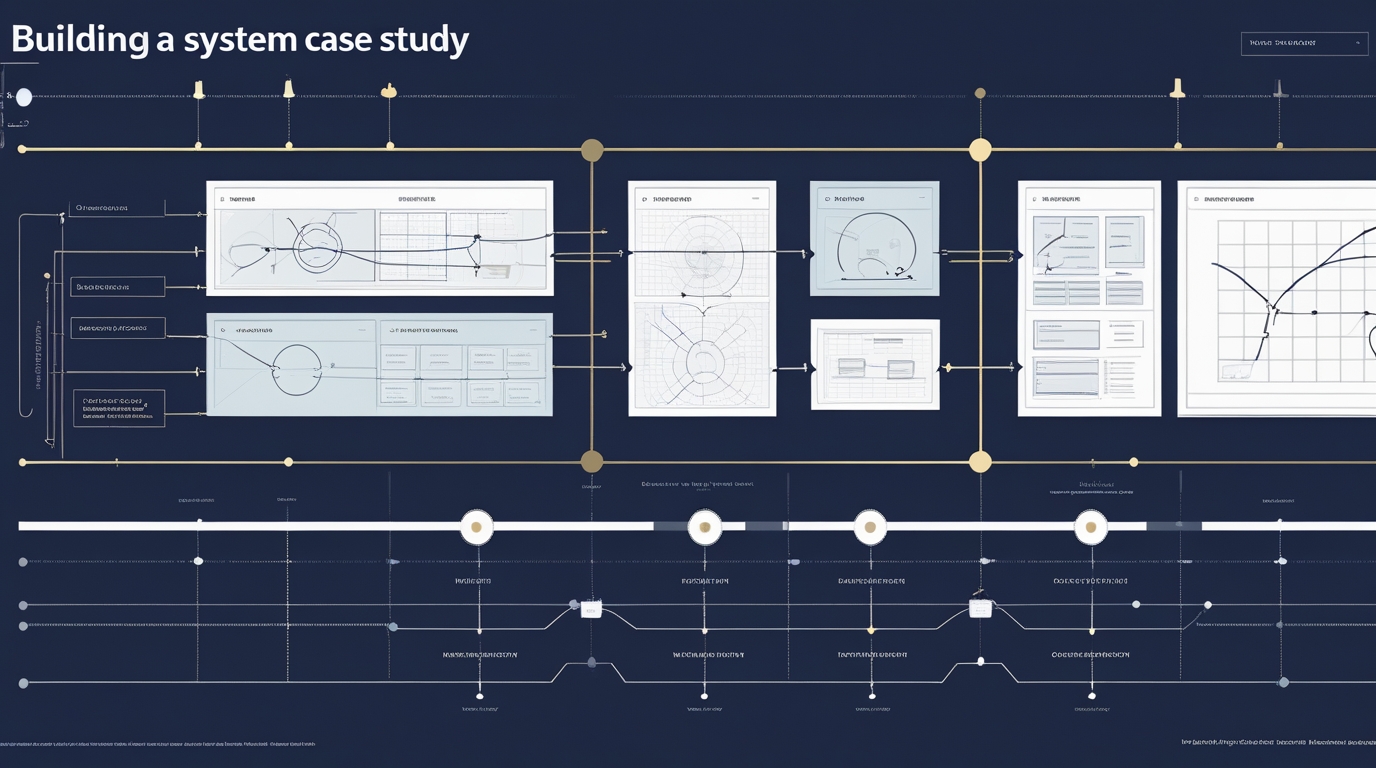
This is the case study. The history. The story of how we got here. And building a case study is not just academic. It is strategic. Because history is argument. It shows causation. It names actors. It reveals interests. And it makes the invisible visible.
Let me show you how to build your case study.
The first step is to pick a crisis or a failure. Something specific. Concrete. A moment when the system broke. Or when the consequences became undeniable. Because crises reveal structure. They expose what was hidden. They show who has power. Who does not. And what the system prioritizes.
The 2008 financial crisis is a case study. Banks collapsed. The economy contracted. Millions lost jobs. Homes. Savings. And the government bailed out the banks. With public money. While homeowners foreclosed. This revealed the system. Who it serves. Banks. Investors. Not ordinary people.
The 2022 energy crisis is a case study. Gas prices spiked. Electricity prices followed. Bills soared. Households chose between heating and eating. And generators made record profits. While consumers suffered. This revealed marginal pricing. Revealed who the system serves. Generators. Not consumers.
The COVID pandemic and care homes is a case study. Thousands of elderly people died. In care homes. Understaffed. Under-resourced. Under-protected. While care home operators, private equity-owned, extracted dividends. This revealed the system. Profit over care. Extraction over protection.
So pick your crisis. Something recent. Something people remember. Something painful. Because the pain creates urgency. Creates emotional weight. And makes the argument compelling.
The second step is to trace backwards. From the crisis to the causes. Ask: what created the conditions for this crisis? What decisions? What policies? What structures?
In the 2008 crisis, trace back. Why did banks collapse? Because they held toxic assets. Mortgage-backed securities. Bundled subprime loans. Why did they hold those? Because they were profitable. Why were they profitable? Because housing prices were rising. Why were prices rising? Because lending was deregulated. Because banks could lend to anyone. With no income verification. No down payment. Why was lending deregulated? Because of political decisions. In the 1980s and 1990s. To liberalize financial markets. To reduce government oversight.
So the crisis, in 2008, was not sudden. Not random. It was the result of decisions. Made decades earlier. To deregulate. To prioritize markets. To trust banks. And those decisions, made by politicians, lobbied for by banks, created the conditions. For the crisis.
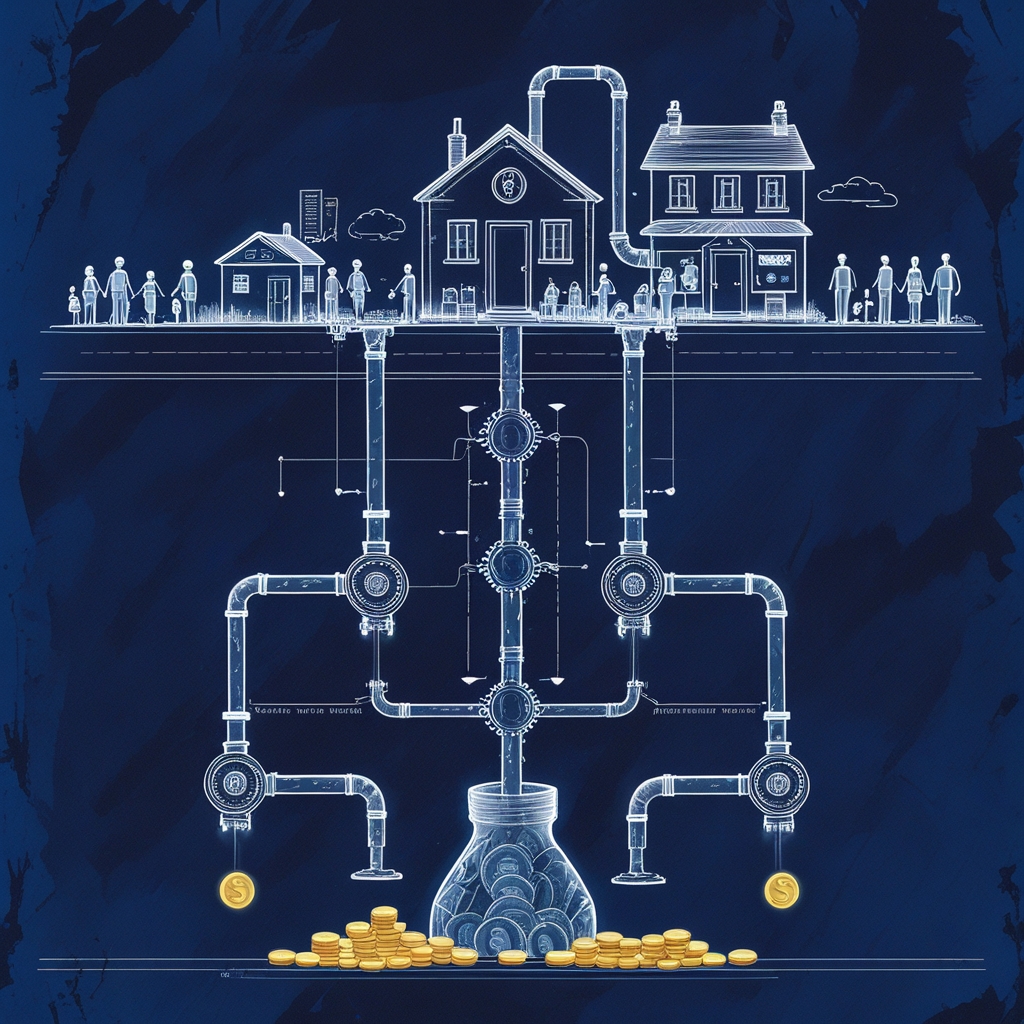
In the energy crisis, trace back. Why did bills soar? Because wholesale prices soared. Why did wholesale prices soar? Because gas prices spiked. Why did electricity prices follow gas? Because of marginal pricing. Why is marginal pricing the rule? Because of decisions. Made in the 1990s. To privatize energy. To create markets. To link electricity to gas. Those decisions, made by politicians, lobbied for by generators, created the structure. And the structure, when gas spiked, amplified the crisis.
So tracing backwards reveals causation. Shows that the crisis was not inevitable. Was not natural. But was the result of decisions. Policies. Structures. Built over time.
The third step is to identify decision points. Moments when things could have gone differently. When alternatives existed. But were not chosen. Because decision points show agency. Show choice. And show that different choices were possible.
In the energy system, a decision point was privatization. In the 1980s and 1990s. The government could have kept energy public. Could have maintained cost-based pricing. But chose privatization. Chose markets. Why? Ideology. Belief in private efficiency. Lobbying from those who would profit. And the decision locked in the structure. Marginal pricing. Guaranteed returns for networks. Profit prioritization.
Another decision point was the closure of gas storage. In 2017. Rough. The UK's largest storage facility. Was closed. Because it was not profitable. For the private operator. The government could have intervened. Could have subsidized it. Could have nationalized it. But chose not to. And the closure left the UK vulnerable. Dependent on day-to-day supply. And when the crisis hit, the UK had no buffer. Prices spiked.
In the housing system, a decision point was Right to Buy. In 1980. Council tenants could buy their homes. At a discount. This was popular. Created homeowners. But the homes were not replaced. The proceeds were not reinvested. So social housing stock fell. And the rental market, private rental, grew. And rents rose. The decision, to sell without replacing, created scarcity. And scarcity drove prices up.
Another decision point was the 2012 Health and Social Care Act. Which opened the NHS to competition. To private providers. This fragmented the NHS. Increased outsourcing. And created costs. Administrative costs. Supplier of Last Resort costs. The decision, to marketize the NHS, created inefficiency. And those inefficiencies persist.
So identifying decision points shows that the system was built. Through choices. And that different choices, at those moments, would have created different systems. Better systems.
The fourth step is to name the actors. Who made these decisions? Who lobbied for them? Who benefited? Because naming actors creates accountability. Shows interests. And reveals power.
In the energy privatization decision, the actors were: the Conservative government. Margaret Thatcher. Ideology-driven. Believing in markets. Energy companies. Who lobbied for privatization. Because they would profit. From owning assets. From selling at market prices. And consultants. Who advised on the privatization. And billed millions.
In the Right to Buy decision, the actors were: the Conservative government. Thatcher again. Council tenants. Who supported it. Because they wanted to own. And local councils. Who opposed it. Because they knew it would reduce social housing. But were overridden.
In the 2012 NHS Act, the actors were: the Coalition government. David Cameron. Andrew Lansley. Believing in competition. Believing in private efficiency. Private healthcare companies. Who lobbied for access. Because they would profit. From NHS contracts. And management consultants. Who advised. And billed.
So naming actors shows that decisions are not abstract. They are made by people. With interests. With ideologies. And those people can be held accountable. Can be challenged. Can be replaced.
The fifth step is to show the consequences. How did the decision shape the system? What feedback loops did it create? What structures did it lock in? And how did those structures produce the crisis?
Privatizing energy created marginal pricing. Which linked electricity to gas. And created windfall profits for renewables and nuclear when gas spiked. This enriched generators. But hurt consumers. And the structure, locked in, persists. Despite the crisis.
Right to Buy reduced social housing. Created scarcity. And drove up private rents. This enriched landlords. But hurt renters. And the structure, scarcity, persists. Despite the crisis.
The 2012 NHS Act fragmented the NHS. Increased outsourcing. Created costs. This enriched private providers. Consultants. But hurt patients. Hurt staff. And the structure, fragmentation, persists. Despite the crisis.
So showing consequences connects decisions to outcomes. Shows causation. And shows that the crisis was not random. But predictable. Structural.
The sixth step is to identify what did not happen. What alternatives existed. But were not chosen. Because showing alternatives proves that different outcomes were possible. That the current system is not inevitable.
When energy was privatized, the alternative was public ownership. Cost-based pricing. Investment in renewables. Funded publicly. This would have kept prices low. Stable. And avoided windfall profits. But it was rejected. Why? Ideology. Belief that private is always better. Lobbying from those who would profit from privatization.
When Right to Buy was introduced, the alternative was to replace sold homes. Reinvest proceeds in new social housing. This would have maintained stock. Prevented scarcity. But it was rejected. Why? Fiscal conservatism. Belief that public spending should be minimized. And indifference to renters.
When the NHS was marketized, the alternative was integration. Keeping the NHS unified. Publicly run. With no outsourcing. No competition. This would have avoided fragmentation. Avoided costs. But it was rejected. Why? Ideology. Belief in markets. Lobbying from private providers.
So showing alternatives proves that the current system is a choice. Not fate. And that different choices remain possible.
Now let me give you a structure. A template. For writing your case study.
Start with the crisis. Describe it. Make it visceral. Emotional. People suffering. Bills soaring. Homes lost. Lives ruined. This hooks the reader. Creates urgency.
Then trace backwards. Show the decisions. The policies. The structures. That created the conditions. For the crisis. Use timelines. Show causation. Step by step.
Name the actors. Who decided? Who lobbied? Who benefited? Make it specific. Not "the government." But Thatcher. Cameron. Lansley. Not "industry." But Shell. BP. Centrica.
Show the consequences. How the decisions shaped the system. Created loops. Locked in structures. And produced the crisis. Use your earlier analysis. The loops. The incentives. The resistance. Show how they were created. Historically.
Show the alternatives. What could have been done differently? What was proposed but rejected? And why? This proves that the current system is a choice. Not inevitable.
End with the lesson. What does this case study reveal? About power. About interests. About how systems are built. And about how they could be rebuilt. Differently.
And here is a practical example. A case study. On the UK energy crisis.
Crisis: In 2022, energy bills soared. From twelve hundred pounds per year to over three thousand. Households struggled. Chose between heating and eating. Meanwhile, generators made record profits. BP. Shell. Wind farms. Nuclear plants. All profited. From the crisis.
Trace backwards: Why did bills soar? Because wholesale prices soared. Why? Because gas prices spiked. Why did electricity follow? Because of marginal pricing. Why is marginal pricing the rule? Because energy was privatized. In the 1990s. And privatization introduced markets. Competition. And marginal pricing. To incentivize investment.
Decision point: Privatization. In 1989. Electricity Act. The government sold the Central Electricity Generating Board. Created private generators. And introduced a wholesale market. With marginal pricing.
Actors: The Conservative government. Thatcher. Ideologically committed to markets. Energy companies. Who lobbied for privatization. Because they would profit. Consultants. Who designed the market. And billed millions.
Consequences: Marginal pricing linked electricity to gas. Forever. And when gas spiked, in 2022, electricity followed. Generators profited. Consumers paid. The structure, locked in by privatization, amplified the crisis.
Alternatives: The government could have kept energy public. Could have used cost-based pricing. Could have invested in renewables publicly. This would have insulated consumers from gas spikes. But it was rejected. Because of ideology. Belief in markets.
Lesson: The energy crisis was not natural. It was the result of decisions. Privatization. Marginal pricing. Made decades ago. By politicians. Lobbied for by industry. And those decisions served interests. Generator interests. Not consumer interests. And the system, built to profit generators, did exactly that. During the crisis. While consumers suffered.
This is a case study. It shows causation. Names actors. Reveals interests. And proves that the system was constructed. And that different construction is possible.
And this method works for any system. Any crisis. The rental crisis. The student loan crisis. The NHS crisis. The planning system. Whatever it is. Pick the crisis. Trace the decisions. Name the actors. Show the consequences. Show the alternatives. And prove that the system was built. By people. Through choices. And that different choices are possible.
Because this is the final piece. You have mapped. You have analyzed. You have identified leverage. And now you have history. You have the story. Of how we got here. And armed with that story, with that case study, you can argue. Persuasively. For change. Because you can show that the current system is not natural. Not inevitable. But constructed. Through decisions that served interests. And that different decisions, serving different interests, are possible.
This is systems thinking. This is the toolkit. Map the machine. Find who profits. Trace the loops. Identify resistance. Find leverage. Build the case study. And once you have done all of this, you see clearly. You see structure. You see power. You see extraction. And you see possibility. For change. For intervention. For building systems that serve people. Not profit.
And that clarity, that understanding, is the beginning. Not the end. Because understanding is not enough. Action is required. Organizing is required. Pressure is required. But understanding is the foundation. And now you have it. You have the tools. You have the method. And you can apply it. To anything. To everything. And see what others miss.