Conclusion: Perpetual Rent Disguised as Ownership

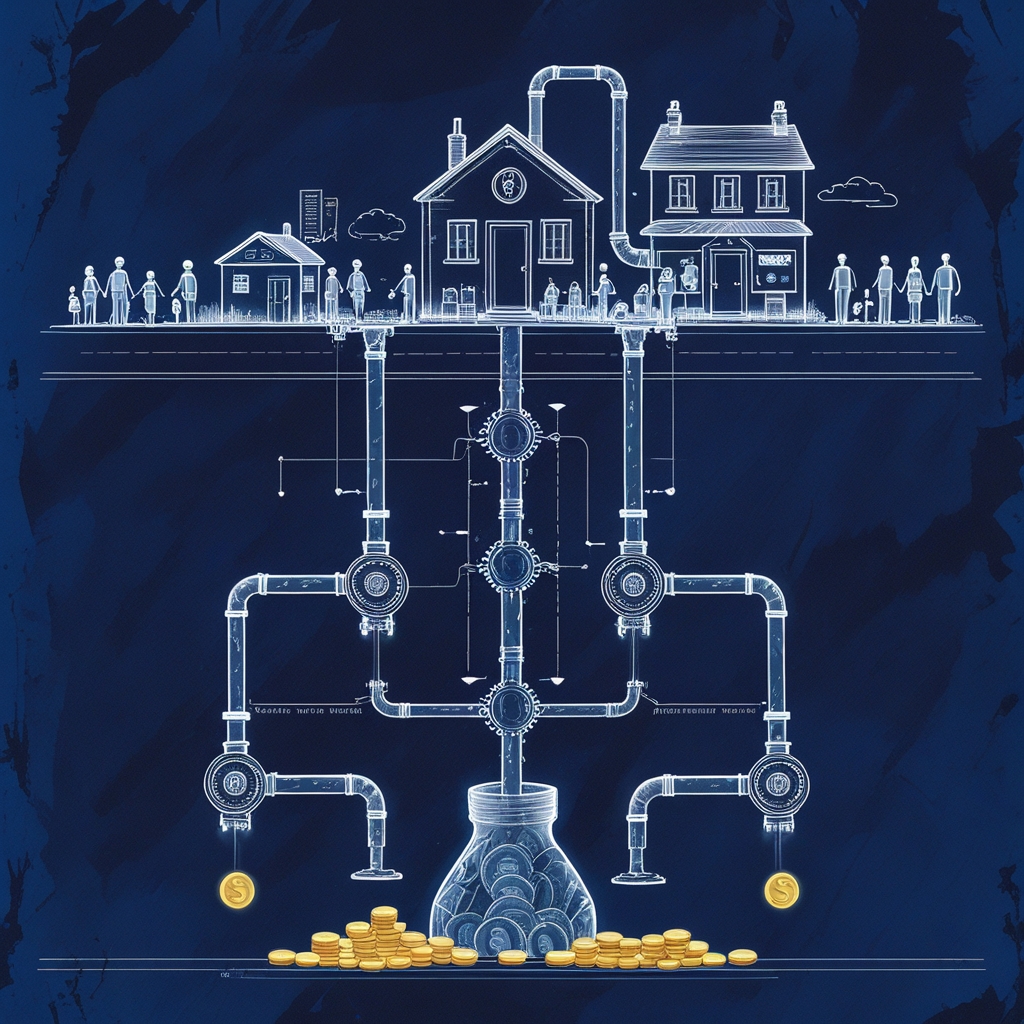
Shared ownership is marketed as affordable homeownership but operates as perpetual rent extraction disguised as ownership opportunity. The mathematics ensure most participants never achieve full ownership. Rent escalation, property appreciation, service charge inflation, and transaction costs combine to keep people at their initial ownership percentages paying rent indefinitely to housing associations that profit from every aspect of the arrangement.
Two hundred and fifty thousand households are trapped in this system across England. Complaints have risen three hundred and eighty-three percent in four years. Real people are experiencing real harm. Deepa Mistry owns seventy-five percent of her home but claims Universal Credit because service charges doubled and consumed the money she would save for staircasing. A King's Cross resident saw service charges rise two hundred and seventy-four percent in one year to sixteen thousand pounds. These are not isolated failures. These are systematic outcomes.
Government wants to expand shared ownership despite this evidence. Ministers propose allowing shares as low as ten percent, down from the current twenty-five percent minimum. This would trap even more people in arrangements where rent consumes larger portions of their incomes and full ownership becomes even more distant. The expansion would multiply harm while allowing government to claim more people are being helped onto the property ladder. Appearance matters more than outcomes.
The system persists because it serves interests other than shared owners. Housing associations generate perpetual revenue from rent and appreciation while bearing no maintenance costs. Developers receive full market prices while satisfying affordable housing requirements. Managing agents extract fees from captive markets. Mortgage lenders charge premium rates. Government gets political cover without fiscal expenditure. These aligned interests ensure shared ownership continues despite mounting evidence of failure.
Shared ownership should be abolished and replaced with genuine social housing for rent and commonhold ownership for purchase. Social housing provides security and affordability for people who cannot buy. Commonhold provides real ownership without the extraction mechanisms of leasehold or shared ownership. These are proven models that work. Shared ownership is a failed model that persists because failure falls on people with least power to demand change.
For those already trapped, understand what you are in. This is not temporary. This is not a stepping stone. This is the arrangement. Costs will rise. Staircasing will remain unaffordable for most. Selling will be difficult. You are paying rent indefinitely while being called a homeowner. The promise was affordable homeownership. The reality is permanent rent extraction with ownership responsibilities.
For those considering shared ownership, calculate the lifetime costs honestly. Include rent escalation at four percent annually. Include service charges rising at five percent annually. Include transaction costs for staircasing of two thousand pounds each time. Include property appreciation making later shares more expensive. Compare this total to renting privately or saving longer to buy outright. In most cases, shared ownership costs more over time while delivering less security and flexibility.
The shared ownership trap is real, widespread, and growing. It serves political purposes while harming working households who believed they were achieving genuine homeownership. Until the system is abolished, people will continue entering these arrangements and discovering years later they were sold a lie. The promise will remain broken. The trap will remain sprung. And government will continue calling this affordable housing.