Where Policy Actually Has Leverage
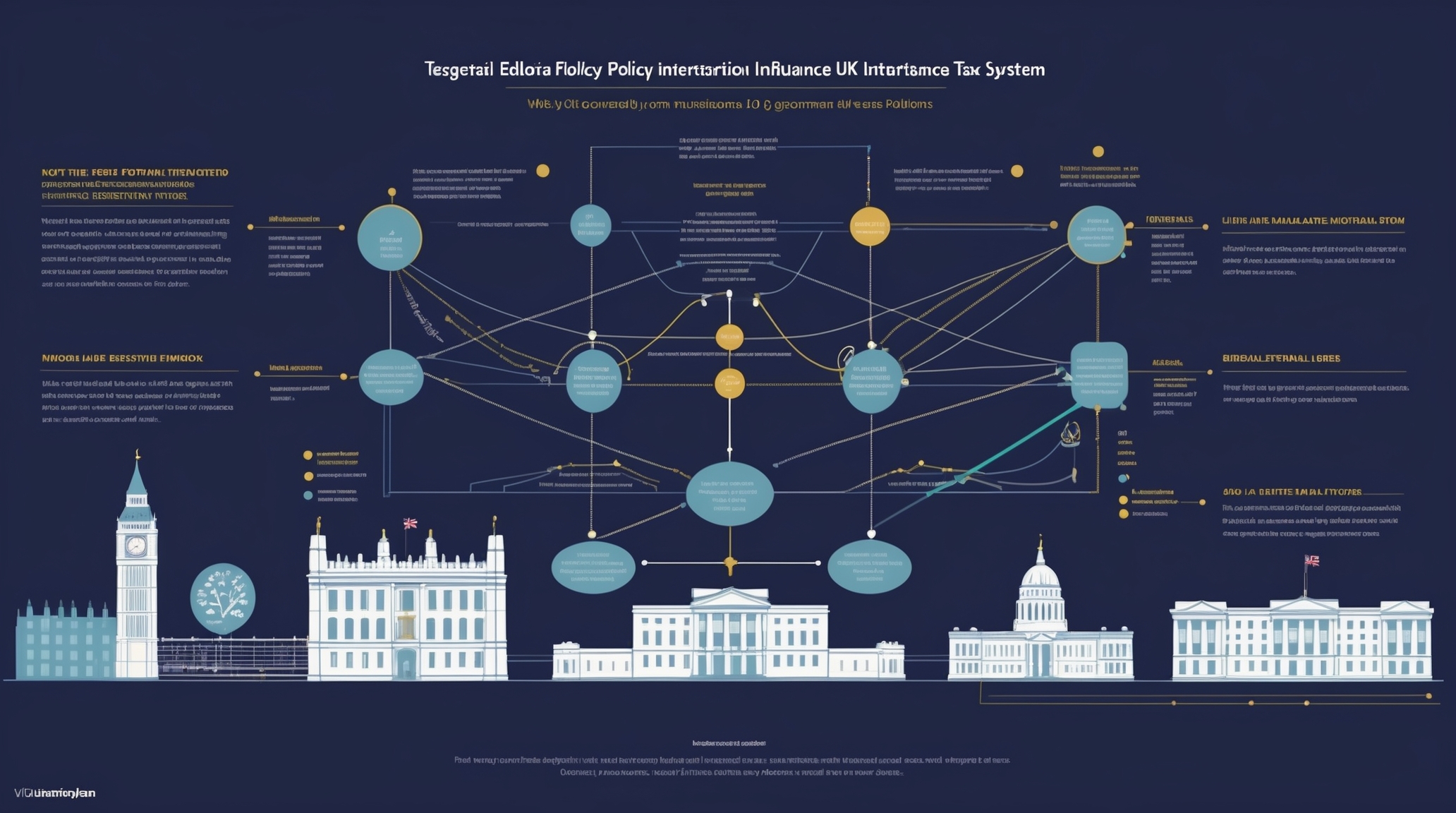
The UK inheritance tax system is resistant to reform, but it is not immovable. There are points where policy could shift outcomes, where intervention could reduce harm, increase fairness, or abolish the tax entirely. Not easily, and not without political cost, but it is possible. The challenge is not that solutions do not exist, they do. The challenge is that implementing them requires overcoming Treasury resistance, wealthy opposition, industry lobbying, and ideological divisions. But leverage points exist, and understanding where they are and how to use them is essential for anyone who wants to see inheritance tax reformed or abolished.
Let me show you where UK policy actually has leverage over inheritance tax.
The first point of leverage is raising and indexing the nil-rate band. The nil-rate band has been frozen at £325,000 since 2009, and this freeze has pulled tens of thousands of additional estates into the tax net through fiscal drag. The simplest, most direct intervention is to raise the threshold significantly and then index it to inflation or to house price growth so that it rises automatically and does not need constant political battles to adjust.
Raising the threshold to £500,000 per person, or £1,000,000 per couple, would immediately remove most middle-class estates from inheritance tax. A couple with one house worth £800,000 would pay nothing. A couple with a £1.2 million estate would pay tax only on £200,000, not on £700,000 as under current rules. This would reduce the number of estates paying tax, would reduce forced sales, and would target the tax more accurately at the genuinely wealthy rather than at families with one valuable property.
And indexing the threshold to house prices would prevent future fiscal drag. Every year, the threshold would rise with property values, so families would not be pulled into the tax net by inflation. This is how income tax thresholds used to work before they were frozen, and it prevents the stealth tax increases that fiscal drag creates.
The political obstacle is cost. Raising the threshold to £500,000 and indexing it would cost the Treasury billions in lost revenue, and the Treasury will resist because it depends on that revenue. But the cost could be offset by closing loopholes, by removing reliefs for the very wealthy, or by accepting that some revenue loss is justified to make the tax fairer.
The second point of leverage is abolishing or capping business and agricultural reliefs. Business relief and agricultural relief allow estates worth tens of millions to pass tax-free, and these reliefs are supposed to protect family businesses and farms from being broken up to pay tax. But they have become tax avoidance schemes, used by the wealthy to shelter assets, to buy farmland as a tax dodge, to structure investments as businesses to qualify for relief.
Abolishing these reliefs entirely would make inheritance tax fairer, would ensure that all assets are taxed equally, and would raise significant revenue that could fund a higher nil-rate band for ordinary families. A £10 million farm would pay tax like a £10 million portfolio of stocks, and a £5 million business would pay tax like a £5 million property portfolio.
Alternatively, reliefs could be capped. Business and agricultural relief could apply only to the first £1 million or £2 million of value, and anything above that would be taxed. This would protect genuine small family businesses and small farms while preventing the very wealthy from avoiding tax on huge estates.
The political obstacle is massive. Farmers, landowners, and business owners would lobby fiercely against this, would argue that it would destroy family farms, would force the sale of businesses, would harm the economy. And these arguments, while often exaggerated, have political weight. But the unfairness of allowing £10 million estates to pass tax-free while £700,000 estates pay 40% is indefensible, and reform that caps or removes reliefs is essential for fairness.
The third point of leverage is making pensions part of the estate. Pensions are currently outside the estate, which means they can be passed on without inheritance tax, and this creates a massive planning opportunity where wealthy individuals maximize pension contributions late in life to move assets out of their taxable estate. A pension pot worth £2 million can be passed on tax-free, while a property worth £700,000 is taxed.
Including pensions in the estate for inheritance tax purposes would close this loophole, would raise significant revenue, and would make the tax fairer. It would not prevent people from saving into pensions, but it would prevent pensions from being used purely as an inheritance tax avoidance vehicle.
The political obstacle is that this would be framed as a tax on pensions, as punishing savers, as discouraging retirement planning. And pension providers and wealth managers would lobby against it because it would reduce demand for late-life pension contributions. But the loophole is unjustifiable, and closing it is necessary for a fair inheritance tax system.
The fourth point of leverage is reforming or abolishing the seven-year rule. The seven-year rule allows gifts to be exempt from inheritance tax if the donor survives seven years after making the gift, and this rule privileges the healthy and the young, who can give away assets early and live long enough for the gifts to become exempt. But it penalizes the elderly and the unwell, who cannot rely on surviving seven years, and it creates perverse incentives where people give away assets they might need later in life just to reduce tax.
One reform would be to reduce the period to three or five years, which would make planning more accessible and less risky. Another reform would be to abolish the rule entirely and tax all gifts as part of the estate, removing the incentive to give away assets early and simplifying the system.
Alternatively, the rule could be made more generous by removing the taper and making all gifts after three years fully exempt, or by increasing the annual exemption from £3,000 to £10,000 or £20,000, allowing more lifetime giving without tax consequences.
The political obstacle is that reforming the seven-year rule in either direction creates winners and losers, and losers will oppose it. But the current rule is unfair, privileges the wealthy who can afford to give away assets, and reform would make the system more equitable.
The fifth point of leverage is replacing inheritance tax with a lifetime gifts tax or a capital receipts tax. Instead of taxing estates when someone dies, the tax could be shifted to recipients, taxing what people receive as gifts or inheritances during their lifetime. This would be fairer because it would tax the recipient based on what they receive, not the donor based on what they give, and it would spread the tax burden more evenly.
A lifetime gifts tax would give each person a lifetime allowance, say £500,000, and anything received above that, whether as inheritance, as gifts, or as windfalls, would be taxed. This would encourage spreading wealth across multiple recipients rather than concentrating it in one heir, and it would tax the accumulation of wealth rather than the transfer.
This is how inheritance tax works in some other countries, and it is arguably fairer than the current UK system. But it would be complex to implement, would require tracking all gifts and inheritances over a lifetime, and would face resistance from those who prefer the current system.
The sixth point of leverage is abolishing inheritance tax entirely and replacing the revenue with other taxes. Inheritance tax raises £7 billion per year, and abolishing it would require finding that revenue elsewhere. Options include increasing capital gains tax, increasing income tax on the wealthy, introducing a wealth tax, or increasing property taxes.
Capital gains tax could be aligned with income tax rates, which would raise significant revenue from those who profit from asset sales, and this would be more economically efficient than inheritance tax because it would tax realized gains rather than forcing sales to pay tax bills. A wealth tax, an annual tax on net assets above a high threshold, would raise revenue from the wealthy every year rather than only on death, and would be more effective at redistributing wealth.
Abolishing inheritance tax and replacing it with better-designed taxes would be popular, would remove the forced sales and distress that inheritance tax creates, and would allow families to inherit without facing tax bills they cannot afford. But it would require political courage, would face Treasury resistance because new taxes are harder to collect than existing ones, and would face opposition from those who ideologically support taxing estates.
The seventh point of leverage is introducing a main residence exemption or a higher threshold for primary homes. Much of the harm caused by inheritance tax comes from taxing the family home, the property that families lived in, that has sentimental value, that children want to keep. If the main residence were fully exempt from inheritance tax, or if there were a much higher threshold for primary homes, this would protect most families while still taxing investment properties, second homes, and other assets.
A main residence exemption would mean that a family home, regardless of value, could be passed on tax-free, while investment properties, buy-to-let portfolios, and second homes would still be taxed. This would protect families from forced sales while still preventing the accumulation of property wealth across generations.
The political obstacle is that this would be seen as a giveaway to wealthy homeowners in London and the South East, where houses are worth millions, and it would reduce revenue significantly. But it would also protect middle-class families and would target inheritance tax more accurately at wealth rather than at homes.
The eighth point of leverage is allowing payment of inheritance tax over time rather than within six months. The six-month payment deadline creates pressure, creates forced sales, and benefits investors who can buy distressed properties. Allowing heirs to pay inheritance tax over ten or twenty years, with interest, would remove the pressure, would allow families to keep properties, and would reduce forced sales.
The property could remain in the estate, could be lived in by heirs or rented out, and the tax could be paid gradually from rental income or from the heirs' own income. And if the property were eventually sold, the remaining tax would be paid from the proceeds. This would remove the forced sale dynamic, would allow families to keep homes, and would reduce the transfer of property to investors.
The political obstacle is that the Treasury prefers immediate payment because it provides cash flow, and delayed payment creates administrative complexity and risk of non-payment. But the benefit, in terms of reducing forced sales and protecting families, would outweigh the administrative cost.
The ninth point of leverage is transparency and simplification. Inheritance tax is complex, opaque, and inaccessible to those without professional advice. Simplifying the system, removing reliefs and exemptions, consolidating allowances, and making the rules clear and understandable would make the tax fairer, would reduce the advantage that wealthy people with advisors have, and would reduce the fees extracted by the advice industry.
A simple inheritance tax system would have one threshold, one rate, no exemptions for business or agricultural assets, no seven-year rule, no complex trust structures. Just a clear rule: estates above £1 million pay 40%, or estates above £500,000 pay 20%, or whatever the chosen threshold and rate are. This would be easy to understand, easy to calculate, and easy to comply with, and it would remove the complexity that allows the wealthy to avoid tax.
The political obstacle is that simplification threatens those who benefit from complexity, the advice industry, the wealthy who use reliefs, and governments that use complexity to disguise the true cost of the tax. But simplification is essential for fairness, and it should be a priority for any serious inheritance tax reform.
The tenth point of leverage is public ownership of distressed property. If the government, instead of allowing investors to buy distressed properties at below-market prices, offered to buy properties from estates at market value and allowed heirs to pay inheritance tax with the property itself, this would prevent forced sales, would prevent investor extraction, and would create public housing stock.
The government could take ownership of properties in lieu of tax, could rent them as social housing, and could eventually sell them when the market is favorable. This would protect families from forced sales, would provide affordable housing, and would prevent the transfer of property to private investors.
The political obstacle is ideological opposition to public ownership, Treasury concerns about taking on property assets, and administrative complexity. But the benefit, in terms of protecting families and creating social housing, would justify the effort.
So here is where policy has leverage. Raise and index the nil-rate band to prevent fiscal drag and remove most middle-class estates from the tax. Abolish or cap business and agricultural reliefs to prevent the wealthy from avoiding tax. Include pensions in the estate to close a major loophole. Reform or abolish the seven-year rule to make planning more accessible. Replace inheritance tax with a lifetime gifts tax or capital receipts tax to make the system fairer. Abolish inheritance tax entirely and replace revenue with better-designed taxes like capital gains tax or wealth tax. Introduce a main residence exemption to protect family homes. Allow payment over time to prevent forced sales. Simplify the system to remove complexity and reduce the advantage of professional advice. And create public ownership mechanisms to prevent distressed sales benefiting investors.
Each of these would help, some more than others, and some are easier to implement than others. But all are possible, and all would shift the system toward fairness, toward protecting families, and toward reducing the harm that inheritance tax currently causes. The obstacle is not technical, it is political. The will to act, the courage to override Treasury resistance, industry lobbying, and ideological opposition. And the willingness to prioritize families over revenue, fairness over complexity, and long-term outcomes over short-term fiscal convenience.
Most governments do not have that will, so the levers exist but are not pulled, and the system continues extracting, continues forcing sales, and continues widening inequality. But the levers are there, and understanding them is the first step toward using them.
The final article will show you a case study, the 2007 inheritance tax panic, when house prices soared, when fiscal drag pulled hundreds of thousands of families into the tax net, and when political pressure forced the government to act. Because understanding that moment, understanding what happened and why, reveals the dynamics of inheritance tax politics and shows what is possible when pressure is strong enough.