Why the UK Inheritance Tax System Resists Reform
Inheritance tax is one of the most unpopular taxes in the UK. Polling consistently shows that 60% to 70% of people oppose it, across all age groups, across all political affiliations, across all income levels. It is seen as unfair, as punishing those who saved, who worked, who bought a home. It is seen as double taxation, taxing wealth that has already been taxed as income. And it is seen as particularly unjust because it falls heavily on middle-class families with one property while the very wealthy avoid it through reliefs and planning.
And yet, despite this unpopularity, despite decades of anger, despite promises from politicians to reform it or abolish it, inheritance tax persists. It has not been abolished, it has not been significantly reformed, and the nil-rate band has been frozen for fifteen years, pulling more and more families into the net. So the question is not whether inheritance tax is unpopular, it clearly is. The question is why, despite that unpopularity, it does not change. Why reform fails. Why the system stays as it is. And the answer reveals the forces protecting inheritance tax, the interests that benefit from it, and the political dynamics that make reform almost impossible.
Let me show you why the UK inheritance tax system resists reform.
The first reason is Treasury dependence on revenue. Inheritance tax raises about seven billion pounds per year, and while that is a small portion of total tax revenue, about 1%, it is not trivial. Seven billion funds a lot of public services, and losing it would require finding seven billion elsewhere, either through higher taxes on income, on consumption, on corporations, or through spending cuts. And no government wants to do that, because raising other taxes is unpopular, and cutting spending is even more unpopular.
So the Treasury defends inheritance tax, not because it believes in the principle, not because it thinks the tax is fair, but because it needs the revenue. And the Treasury has power, enormous power within government, because it controls the budget, it controls spending, and it advises on all fiscal policy. And when a politician proposes abolishing inheritance tax, the Treasury responds with a fiscal note, showing the cost, showing the impact on the deficit, showing the need for compensating tax rises or spending cuts. And that fiscal note kills the proposal, because no politician wants to be responsible for raising income tax or cutting the NHS to fund an inheritance tax cut.
And the Treasury benefits from fiscal drag, from the frozen nil-rate band, because fiscal drag raises revenue automatically, without a vote, without a debate, without the political cost of raising the rate. Every year, as house prices rise, more estates are caught, and revenue increases. And the Treasury, seeing this, has no incentive to raise the threshold, because raising it would cost revenue that it has come to depend on.
So the Treasury resists reform, opposes abolition, and defends the frozen threshold, and the Treasury's power within government means that reform, despite public demand, does not happen.
The second reason is that the very wealthy benefit from the current system and resist simplification. Inheritance tax, as structured, allows the very wealthy to avoid it almost entirely through business relief, agricultural relief, pensions, trusts, and lifetime gifts. A family with £10 million in business assets pays nothing. A family with £20 million in farmland pays nothing. A family with £5 million in pensions and trusts pays nothing. But a family with one £700,000 house pays 40% on the excess.
And the very wealthy, who avoid tax under the current system, have no incentive to see it abolished or radically simplified. Because abolition would be politically difficult, would face Treasury resistance, and might not happen. But simplification, closing loopholes, removing reliefs, treating all assets equally, that could happen, and it would cost the wealthy enormously.
So the wealthy, while publicly supporting inheritance tax cuts for political reasons, privately prefer the current system, because it allows them to avoid tax while appearing to support it in principle. And they resist simplification, they lobby to protect business relief, to protect agricultural relief, to protect pension exemptions, because these reliefs are what allow them to pass on wealth tax-free.
And the wealthy have lobbying power, they fund political parties, they employ lobbyists, they have access to ministers, and they shape the debate. And their message is always the same: inheritance tax reform is complex, is risky, could harm family businesses, could harm farmers, could destabilize the economy. And this message, delivered by well-funded lobbyists, by trade associations, by think tanks funded by the wealthy, creates fear, creates caution, and prevents reform.
The third reason is that the legal and financial services industry profits from complexity and resists simplification. Solicitors, accountants, tax advisors, wealth managers, estate planners, all earn fees from inheritance tax planning. And the more complex the system, the more valuable their services, the higher the fees they can charge.
If inheritance tax were simple, a flat rate on all estates above a high threshold with no exemptions and no reliefs, the demand for inheritance tax advice would collapse. Families could calculate their own liability, could file their own returns, and would not need expensive planning. But the system is not simple, it is full of reliefs, exemptions, allowances, seven-year rules, taper reliefs, business reliefs, agricultural reliefs, and navigating this complexity requires expertise.
So the industry benefits from complexity, and it lobbies, subtly, to maintain it. Industry bodies submit consultation responses arguing that simplification would create uncertainty, would harm legitimate planning, would disadvantage family businesses. And these arguments, while self-serving, are given weight because the industry is seen as expert, as understanding the system, and governments, lacking in-house expertise, defer to industry views.
And the industry funds think tanks, funds research, funds conferences where the consensus is always that inheritance tax, while imperfect, serves important purposes and that radical reform is risky. And this shapes the debate, creates an environment where reform seems dangerous, and prevents the kind of bold simplification that would reduce fees and reduce industry profits.
The fourth reason is ideological attachment to taxing wealth and estates. Inheritance tax is defended, particularly by the political left, as a progressive tax, as a wealth tax, as essential for preventing dynastic accumulation, for breaking up large estates, for ensuring that each generation starts more equally. And this ideological attachment is genuine, it is rooted in principles of fairness, of equality, of redistribution.
But the ideology ignores the reality, which is that inheritance tax, as structured, does not tax the very wealthy, who avoid it, and does tax the middle class, who cannot. And it ignores the fact that inheritance tax forces sales, transfers property to investors, and accelerates wealth concentration rather than preventing it.
But ideology is powerful, it shapes perception, and those who believe in inheritance tax as a matter of principle resist reform even when the evidence shows that the tax does not achieve its stated goals. And the left, in government or in opposition, defends inheritance tax, opposes abolition, and resists simplification that would close loopholes, because closing loopholes feels like reducing the tax, feels like giving in to the wealthy, even though closing loophopes would make the tax fairer.
So ideology prevents reform, prevents honest assessment, and ensures that inheritance tax persists even when it fails to redistribute wealth effectively.
The fifth reason is lack of organized opposition. Inheritance tax affects millions of families, but those families are not organized, they do not lobby collectively, they do not have a trade body or an association representing them. They are atomized, dispersed, angry individually but powerless collectively.
And those who are most harmed by inheritance tax, the heirs who lose family homes, who receive reduced inheritances, who face forced sales, often do not even realize the full impact until it is too late, until the person has died and the tax bill arrives. And by then, they are grieving, they are dealing with probate, they are overwhelmed, and they do not have the time, the energy, or the resources to organize, to campaign, to demand reform.
So there is anger, widespread anger, but it is not channeled, it is not organized, and it does not create sustained political pressure. It flares up during elections, politicians promise to reform inheritance tax, and then, once elected, they face Treasury resistance, industry lobbying, ideological opposition, and they do nothing. And the anger dissipates, the issue fades, and the cycle repeats.
The sixth reason is that pensioners, who are politically powerful, do not oppose inheritance tax as strongly as you might expect. Pensioners vote in high numbers, they are organized, and they defend their interests fiercely. But inheritance tax, while it affects their estates, does not affect them personally during their lifetime. They do not pay it, their heirs do, and while pensioners want to pass on wealth to their children, their immediate concern is protecting their own income, their pensions, their healthcare, their benefits.
So pensioners focus on the triple lock, on protecting the state pension, on free bus passes, on winter fuel payments, and they do not organize around inheritance tax reform with the same intensity. And governments, knowing this, prioritize pensioner benefits over inheritance tax reform, because pensioners vote and inheritance tax reform does not win elections.
The seventh reason is fear of the equity release and care cost trap. Many older people, particularly those with valuable property, worry that if inheritance tax were abolished or significantly reduced, the government would find other ways to extract value from estates. Specifically, they fear means-testing for social care, where the state would force the sale of homes to pay for care home costs, or changes to equity release schemes, or new taxes on property.
And this fear, whether justified or not, creates caution. People think, better the devil you know, better to keep inheritance tax with its exemptions and planning opportunities, than to abolish it and risk something worse. And this caution prevents the kind of unified demand for reform that would force political action.
The eighth reason is complexity and the fear of unintended consequences. Inheritance tax is complex, deeply embedded in the tax system, and interacts with capital gains tax, with income tax, with pensions, with trusts, with property law. And reforming it, simplifying it, abolishing it, risks unintended consequences, risks creating new loopholes, risks disrupting planning that families have already done.
And politicians, risk-averse and aware that failures will be blamed on them, hesitate to act boldly. They prefer incremental change, small adjustments, freezing the threshold rather than raising it, tweaking reliefs rather than abolishing them. And incremental change does not solve the problem, it just perpetuates it, and the system stays broken.
The ninth reason is that inheritance tax is easy to demonize politically but hard to defend against. Politicians, particularly on the right, promise to abolish it, promise to raise the threshold, promise to protect family homes. And this is popular, it wins votes, it generates headlines. But when in power, they face fiscal reality, face Treasury opposition, and they do not follow through.
And when they do propose reforms, the left attacks them, accuses them of giving tax cuts to the rich, of protecting millionaires while cutting public services. And this attack is effective, because inheritance tax is framed as a tax on the wealthy, and cutting it is framed as helping the rich. Even though the reality is that the wealthy avoid inheritance tax and the middle class pays it, the perception is different, and perception drives politics.
So politicians promise reform to win votes, but abandon it in office to avoid being accused of helping the rich, and the system does not change.
The tenth reason is path dependency and the political cost of change. Inheritance tax has existed for over a century, in various forms, and it is embedded in financial planning, in legal structures, in family decisions made decades ago. People have structured their estates around the current rules, have made gifts, have created trusts, have bought farmland, all to minimize tax under the current system.
And changing the rules disrupts that planning, creates winners and losers, and generates anger from those who lose. If business relief were abolished, family business owners would be furious, would lobby, would fund campaigns. If agricultural relief were abolished, farmers and landowners would revolt. And governments, facing organized opposition from those who benefit from the current system, hesitate to change it, because the political cost is high and the benefits are diffuse.
So the current system persists, not because it is good, not because it works, but because changing it is hard, is risky, and generates opposition from those who have adapted to it.
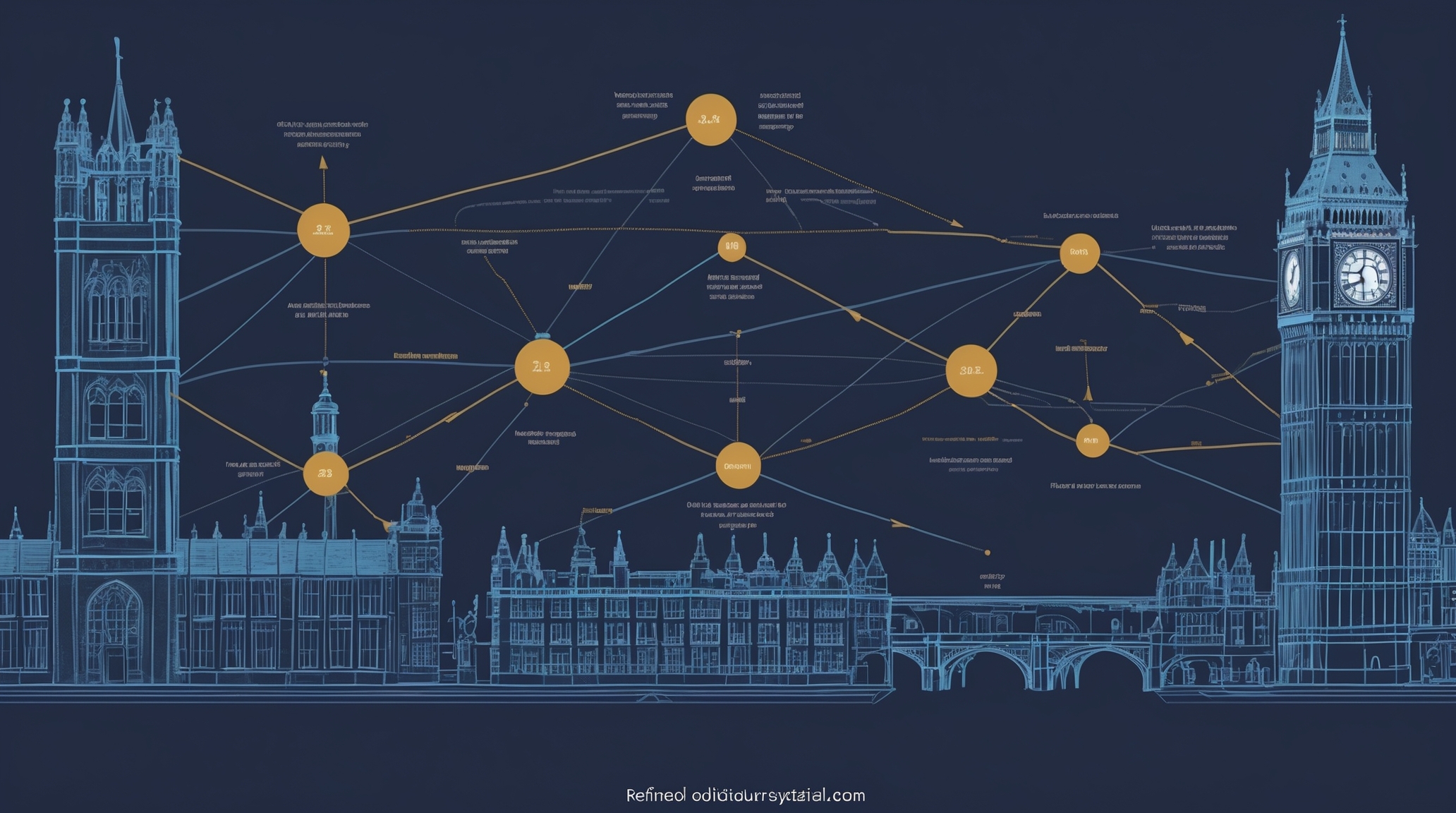
So here is why inheritance tax resists reform. The Treasury needs the revenue and resists losing it. The very wealthy avoid tax under the current system and resist simplification that would close loopholes. The legal and financial services industry profits from complexity and lobbies to maintain it. Ideological attachment to taxing wealth prevents honest assessment of whether the tax works. Lack of organized opposition means no sustained pressure for change. Pensioners prioritize other issues and do not mobilize around inheritance tax. Fear of worse alternatives, like social care means-testing, creates caution. Complexity and fear of unintended consequences prevent bold reform. Political framing makes inheritance tax easy to promise to cut but hard to actually cut. And path dependency means changing the system disrupts existing planning and generates opposition.
These forces interact, they reinforce each other, and together they ensure that inheritance tax, despite being unpopular, despite falling heavily on ordinary families, does not change. The structure persists, the frozen threshold continues pulling more families into the net, and the system continues extracting, continues transferring property from families to investors, and continues widening inequality.
The next article will show you where policy actually has leverage, where intervention could reduce the harm, could make the system fairer, or could abolish it entirely. Because while resistance is strong, leverage points exist, and understanding them is essential for anyone who wants to see change.