Energy Bills to Rise 10% in April 2026: Ofgem Announces New Price Cap
Published: 25 February 2026
The Event
Ofgem announced today that the energy price cap will increase by ten percent from 1st April 2026. The new cap means the average household will pay two thousand two hundred pounds per year for gas and electricity, up from two thousand pounds currently. That is an extra two hundred pounds per year, or sixteen pounds sixty-seven pence per month.
The increase affects around twenty-nine million households across Great Britain who are on standard variable tariffs. The cap sets the maximum amount energy suppliers can charge per unit of gas and electricity, plus the daily standing charge.
Why It Matters
Two hundred pounds per year might not sound enormous, but for millions of households already struggling with bills, it is the difference between managing and not managing. Energy bills are already consuming around eight to ten percent of median household income. This increase pushes that to nine to eleven percent.
And this is not a one-off spike. The price cap has been above two thousand pounds since 2022, and it is not falling back to pre-crisis levels. What was supposed to be a temporary energy crisis has become permanent. Bills have doubled since 2020 and are staying high.
The increase is driven by rising wholesale gas prices. Gas prices spiked in late 2025 due to cold weather across Europe, reduced supply from Norway, and ongoing geopolitical tensions. And because the UK energy market uses marginal pricing, where all electricity is priced at the cost of the most expensive source needed at any moment, gas price rises push up electricity prices too, even for electricity generated from wind and nuclear.
So even though wind power costs near zero to generate, you pay gas prices for it. And when gas gets expensive, everything gets expensive.
For households already in fuel poverty, spending more than ten percent of income on energy, this increase pushes them deeper. Six million households are already in fuel poverty. This rise will add hundreds of thousands more. More people choosing between heating and eating. More cold homes. More illness. More deaths.
And standing charges, the daily fee you pay just to be connected to the network, are also rising. From 1st April, the average standing charge will be sixty pence per day for electricity and thirty-one pence per day for gas. That is three hundred and thirty-two pounds per year before you use a single unit of energy. For low-usage households, pensioners living alone, people trying to minimize energy use to save money, standing charges are extraction you cannot escape.
What This Means for Different Households
If you use the average amount of energy, two thousand nine hundred kilowatt-hours of electricity and twelve thousand kilowatt-hours of gas per year, you will pay around two thousand two hundred pounds from April. That is one hundred and eighty-three pounds per month.
If you are a single-person household using less energy, perhaps two thousand kilowatt-hours of electricity and eight thousand kilowatt-hours of gas, you will pay around one thousand four hundred pounds per year. One hundred and seventeen pounds per month. And three hundred and thirty-two pounds of that is standing charges, meaning nearly a quarter of your bill is pure connection fees.
If you are a larger household, or if your home is poorly insulated and requires more heating, you might use four thousand kilowatt-hours of electricity and eighteen thousand kilowatt-hours of gas. You will pay around three thousand two hundred pounds per year. Two hundred and sixty-seven pounds per month.
And these are averages. If you are on a prepayment meter, you pay slightly more because prepayment tariffs are higher. If your home has electric heating instead of gas, your bills are even worse because electricity is three to four times more expensive per unit than gas.
Why This Keeps Happening
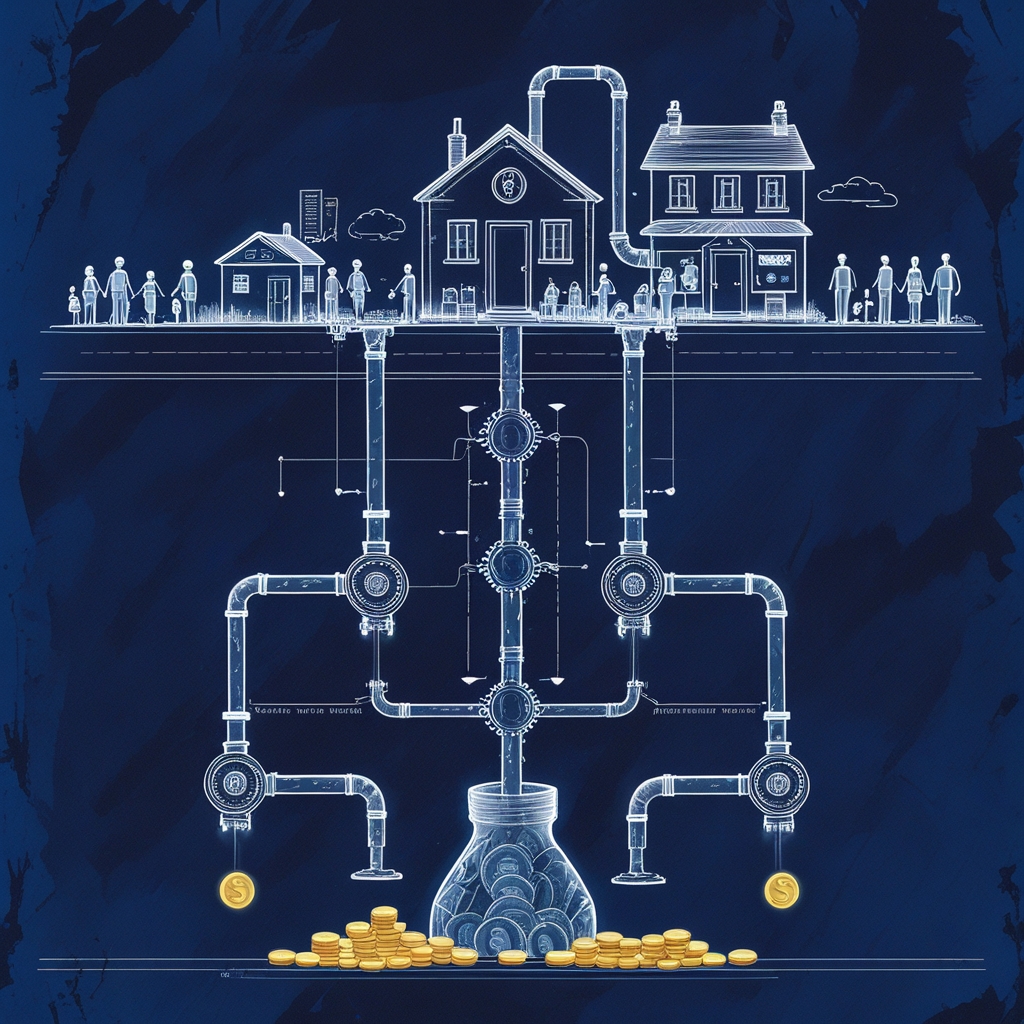
Energy bills keep rising because the structure of the UK energy market ensures it. Marginal pricing means cheap renewable energy is sold at gas prices, generating windfall profits for renewable generators while consumers pay inflated rates. Standing charges keep rising because network companies, guaranteed returns by Ofgem, have no incentive to control costs. And energy companies, reporting record profits in recent years, pass costs to consumers while protecting profit margins.
This is not a broken market. This is the market working exactly as designed. Designed to extract from consumers, to guarantee returns for network companies, and to allow energy companies to profit regardless of what you pay.
And Ofgem, the regulator supposed to protect consumers, sets the price cap. But the cap is not a ceiling that protects you. It is a floor, a baseline, and prices sit at or near the cap constantly. The cap does not bring prices down. It just legitimizes high prices by calling them "capped."
What to Watch Next
The next price cap announcement will be in August 2026, setting prices for October onwards. If wholesale gas prices remain elevated, expect another increase. If gas prices fall, the cap might drop slightly, but it will not return to pre-crisis levels.
Also watch for the government's energy policy announcements expected in spring 2026. There is political pressure to reform marginal pricing, to cap standing charges, and to pass renewable energy savings to consumers. But energy companies and network operators will lobby hard against reform, and the Treasury benefits from high energy prices through VAT and corporation tax on energy company profits.
And watch your own energy usage. April is when the new prices take effect. If you can shift energy-intensive tasks, washing, dishwashing, charging devices, to off-peak times if you are on a time-of-use tariff, you can reduce costs slightly. If your home is poorly insulated, any improvements, loft insulation, draught proofing, will save money in the long term, though upfront costs are a barrier.
What You Can Do
Check your tariff. If you are on a standard variable tariff, you are now paying two thousand two hundred pounds per year on average. Some fixed tariffs might be cheaper, though fixed deals have been scarce and expensive recently. Use comparison sites to check, but be aware comparison sites charge fees to energy companies, and those fees are built into your premium.
If you are struggling to pay, contact your energy supplier before you fall into debt. Most suppliers offer payment plans, hardship funds, or can move you to a prepayment meter which prevents debt accumulating but charges higher rates. Citizens Advice can help negotiate with suppliers if you are in arrears.
Check if you are eligible for support. The Warm Home Discount, a one hundred and fifty pound rebate, is available to low-income households. The Winter Fuel Payment, for pensioners, provides up to three hundred pounds. And some local councils offer emergency fuel vouchers for those in crisis.
And if you want to understand why energy bills keep rising despite renewable energy expansion, why standing charges exist, and who profits from the system as it is, read the full deep dive on the UK Energy System.
Links:
[Read: The UK Energy System Deep Dive - How This System Really Works]
[Read: Where Is the UK Energy System Heading? Data Snapshot (2026)]