Why Organisations Drift From Their Original Purpose
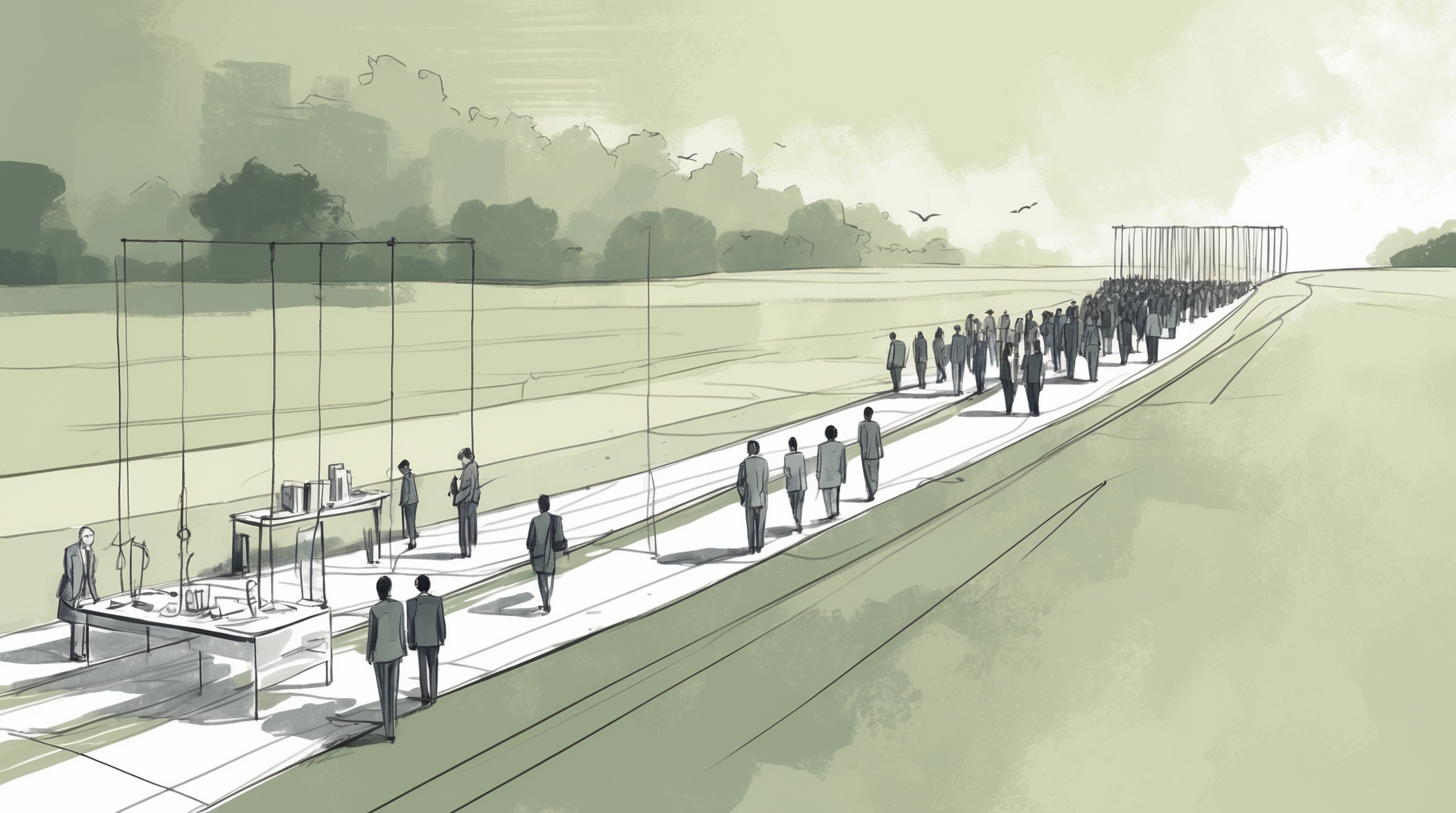
There is a coffee shop. When it opens, it is small. One location. The owner is there every day, making drinks, talking to customers, perfecting the menu. The coffee is excellent. The atmosphere is warm. People come not just for the coffee, but for the experience. The owner cares. You can feel it. This is not a business. It is a craft.
Word spreads. The shop gets busy. Lines form. People are willing to wait because the quality is worth it. Revenue grows. And someone says, "You should open another location." The owner hesitates. But the numbers make sense. The demand is there. So they open a second shop. Then a third. Then ten.
Now the owner is not making coffee anymore. They are managing. Hiring. Training. Dealing with suppliers. Handling complaints. The focus has shifted from craft to operations. And slowly, almost imperceptibly, the quality starts to slip. The coffee is still good, but it is not what it was. The atmosphere is still pleasant, but it feels more corporate. The thing that made the original shop special is fading.
The owner notices. They try to hold the line. But the pressures are different now. There are staff to pay. Leases to cover. Investors to satisfy. And the original mission—make the best coffee possible—starts to compete with a new imperative: survive. And survival, in a growing organisation, means profit. Consistency. Efficiency. Scale.
The coffee shop has drifted. Not because the owner sold out. Not because they stopped caring. But because the system they are now operating in has different incentives than the one they started in. And those incentives quietly, relentlessly, pull the organisation away from its original purpose.
This is mission drift. And it happens to almost every organisation that survives long enough. Not as a failure of character. But as a feature of systems.
Let me show you why this is inevitable.
When an organisation is small, its purpose is clear. The founder's vision is the organisation's vision. There is no separation. Decisions are made quickly. There is no bureaucracy. No layers. If something is not aligned with the mission, it does not happen. The mission is everything.
But as the organisation grows, things change. More people join. And those people were not there at the beginning. They did not experience the founding vision firsthand. They were hired to do a job. And their job, as defined by the organisation, is not "uphold the mission." It is "complete these tasks." Process invoices. Answer customer complaints. Hit sales targets. Manage logistics.
Each of these tasks is necessary. But none of them is the mission. And over time, the tasks start to define the organisation more than the mission does. Because the tasks are measurable. Concrete. You can tell if an invoice was processed. You cannot easily tell if the mission is being upheld. So people optimise for what can be measured. And what can be measured is rarely the thing that mattered most at the beginning.
This is the first pressure. Growth fragments the mission into tasks. And tasks, by their nature, are narrower than purpose.
Here is the second pressure. As the organisation grows, it develops structure. Departments. Hierarchies. Policies. These are necessary. You cannot run a fifty-person organisation the way you run a five-person one. But structure brings rules. And rules, once written, take on a life of their own.
A rule is created for a reason. Maybe there was a problem. Someone made a mistake. So a policy is introduced to prevent it from happening again. That makes sense. But over time, the reason for the rule is forgotten. What remains is the rule itself. And the rule is followed not because it serves the mission, but because it is the rule.
This is how bureaucracy happens. Not through malice. Through accumulation. Each rule made sense when it was created. But together, they form a structure that resists the very flexibility that allowed the mission to thrive in the first place.
Here is the third pressure. Survival. When an organisation is small and struggling, the mission is what keeps it alive. It is the reason people care. The reason customers choose it over competitors. The mission is the competitive advantage. But as the organisation grows and becomes stable, survival no longer depends on the mission. It depends on revenue. Market share. Efficiency. And those things are not the same as purpose.
So the organisation starts optimising for survival instead of mission. Not consciously. But structurally. Decisions are made not by asking, "Does this serve our purpose?" but by asking, "Does this keep us solvent?" And the two questions do not always have the same answer.
Think about a charity. It starts with a clear mission. Help the homeless. Protect the environment. Support education. The founder is passionate. The early team is committed. Resources are limited, so every decision is focused on impact. How do we help the most people with the least money?
But as the charity grows, it needs funding. Big funding. So it hires fundraisers. It launches campaigns. It builds relationships with donors. And donors have expectations. They want to see results. They want reports. They want their name on buildings. So the charity starts optimising for what donors want, not just for what the mission requires.
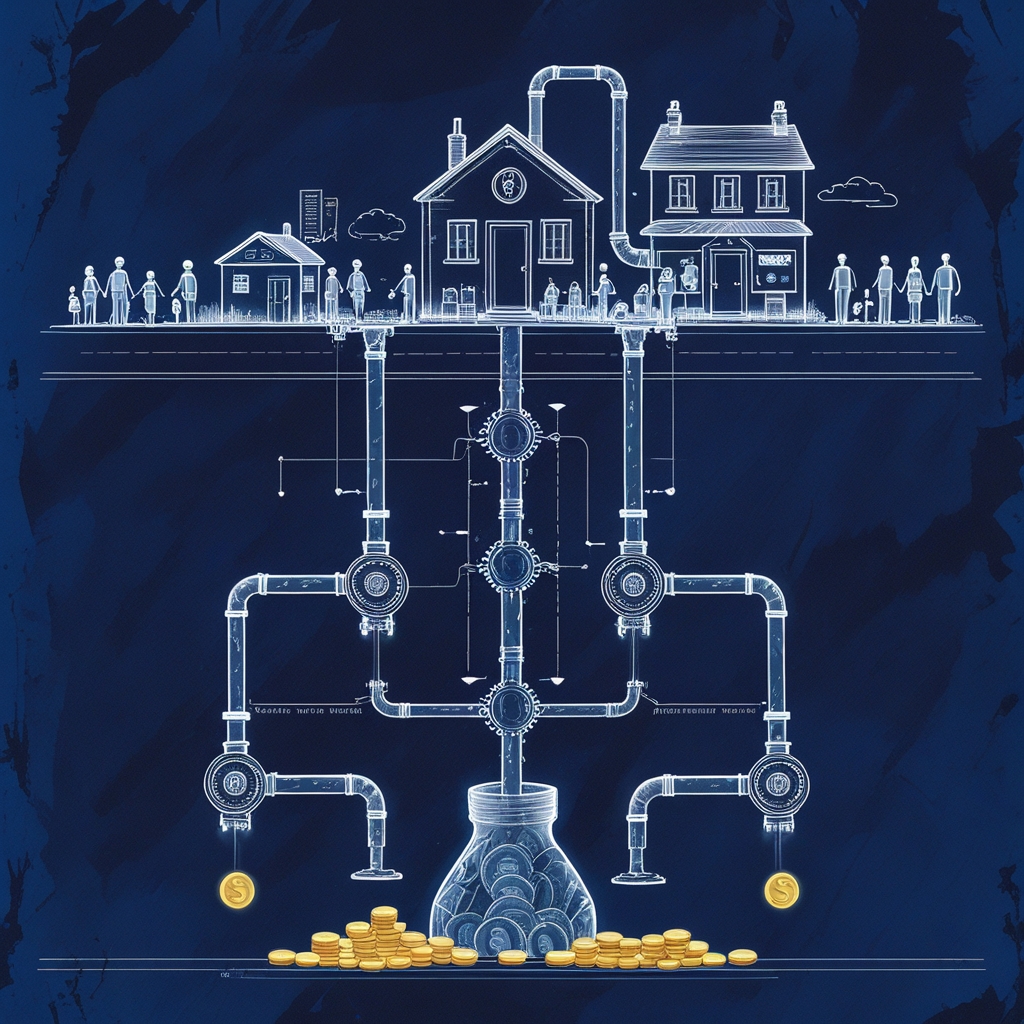
More money goes into fundraising. Into marketing. Into events. Less into the actual work. The charity is still helping people. But the ratio has shifted. And the shift is structural. Because without the donors, there is no charity. So keeping the donors happy becomes as important as helping the homeless. Maybe more important. Because if the donors leave, the mission dies.
The charity has drifted. Not because anyone intended it. But because the system optimised for survival, and survival required something other than pure focus on the mission.
Here is the fourth pressure. Success. This sounds strange, but success is one of the most powerful drivers of drift. Because success creates new stakeholders. Investors. Shareholders. Board members. Employees who have built careers. Customers who expect consistency. All of these people have a stake in the organisation continuing. But their stake is not in the mission. It is in the organisation itself.
So when a choice has to be made between upholding the mission and protecting the organisation, the organisation wins. Because the organisation is what everyone depends on. The mission is abstract. The organisation is real. It pays salaries. It generates returns. It provides stability. So decisions tilt toward preserving the organisation, even when that means compromising the mission.
Think about a tech company. It starts with a bold vision. Change the world. Empower people. Democratise access. The early team is idealistic. They work long hours not for money, but because they believe in the mission. The product is innovative. Disruptive. It challenges the status quo.
Then the company grows. It raises money. It goes public. Now there are shareholders. Quarterly earnings calls. Pressure to grow revenue. The mission is still there, printed on the wall, repeated in meetings. But the decisions are driven by something else. What will increase the stock price? What will satisfy investors? What will keep growth on track?
Features that served the mission but did not generate revenue get cut. Products that were innovative but risky get shelved. The focus shifts to what is safe. Profitable. Predictable. The company is still successful. More successful than ever, by financial measures. But it is no longer doing what it set out to do. It has drifted.
Here is the fifth pressure. Leadership turnover. The founder leaves. Retires. Gets pushed out. And the new leadership was not there at the beginning. They did not create the mission. They inherited it. And their job, as they understand it, is not to uphold a vision. It is to manage an organisation.
So they manage. They focus on what they can control. Processes. Metrics. Efficiency. They are good at this. That is why they were hired. But the mission, which was once the North Star, becomes just one priority among many. And when it conflicts with operational demands, it often loses.
This is not a criticism of the new leadership. They are doing what they were brought in to do. But the structure has changed. The incentives have changed. And the organisation, without the founder's relentless focus on mission, drifts toward what the system rewards. Which is stability, growth, and survival. Not purpose.
Now combine all five pressures. Fragmentation into tasks. Accumulation of rules. Optimisation for survival. Success creating new stakeholders. Leadership turnover. What you get is an organisation that looks nothing like it did at the start. The mission is still mentioned. It is in the branding. The website. The speeches. But it is no longer the organising principle. It has become decoration.
This is mission drift. And it is not optional. It is what happens when organisations scale. Because scaling changes the system. And the system shapes behaviour. Not through intention, but through structure.
So what does this mean?
It means you cannot judge an organisation's drift as a moral failing. It is a systemic outcome. The people inside the organisation are not villains. They are responding to the incentives they face. And those incentives, shaped by growth, survival, and success, point away from the original mission.
It also means that maintaining a mission over time is extraordinarily difficult. It requires constant, active resistance against the drift. It requires leadership that is willing to say no to growth when growth threatens purpose. It requires structures that protect the mission even when protecting it is costly. And it requires recognising that the default is drift. If you are not actively preventing it, it is happening.
Some organisations manage this. They stay small deliberately. They resist the pressure to scale. They turn down funding that comes with strings. They fire customers who pull them away from their mission. They accept slower growth in exchange for mission integrity. It is possible. But it is rare. Because it requires fighting the system. And the system is very strong.
Most organisations drift. Not because they are bad. But because they are subject to forces that are stronger than individual will. And those forces, over time, reshape the organisation into something that prioritises survival over purpose.
The next article will show you how this plays out in your daily life. How the systems behind everyday frustrations are not accidents. They are the product of the same dynamics. The same drift. The same structural pressures.
And once you see it, you will never look at a bad customer service experience the same way again.