• Home
  • Start Here
  • Systems
  • Deep Dives
  • The Question
  • System Watch
  • System Health
  • Toolkit
  • Books
  • Videos
  1. You are here:  
  2. Home
  3. Systems
  4. Everyday Systems

Everyday Systems

How organizations drift from their purpose, why daily frustrations are system outputs, and what you can actually change vs what you can't.

Why Organisations Drift From Their Original Purpose

There is a coffee shop. When it opens, it is small. One location. The owner is there every day, making drinks, talking to customers, perfecting the menu. The coffee is excellent. The atmosphere is warm. People come not just for the coffee, but for the experience. The owner cares. You can feel it. This is not a business. It is a craft.

Read more →

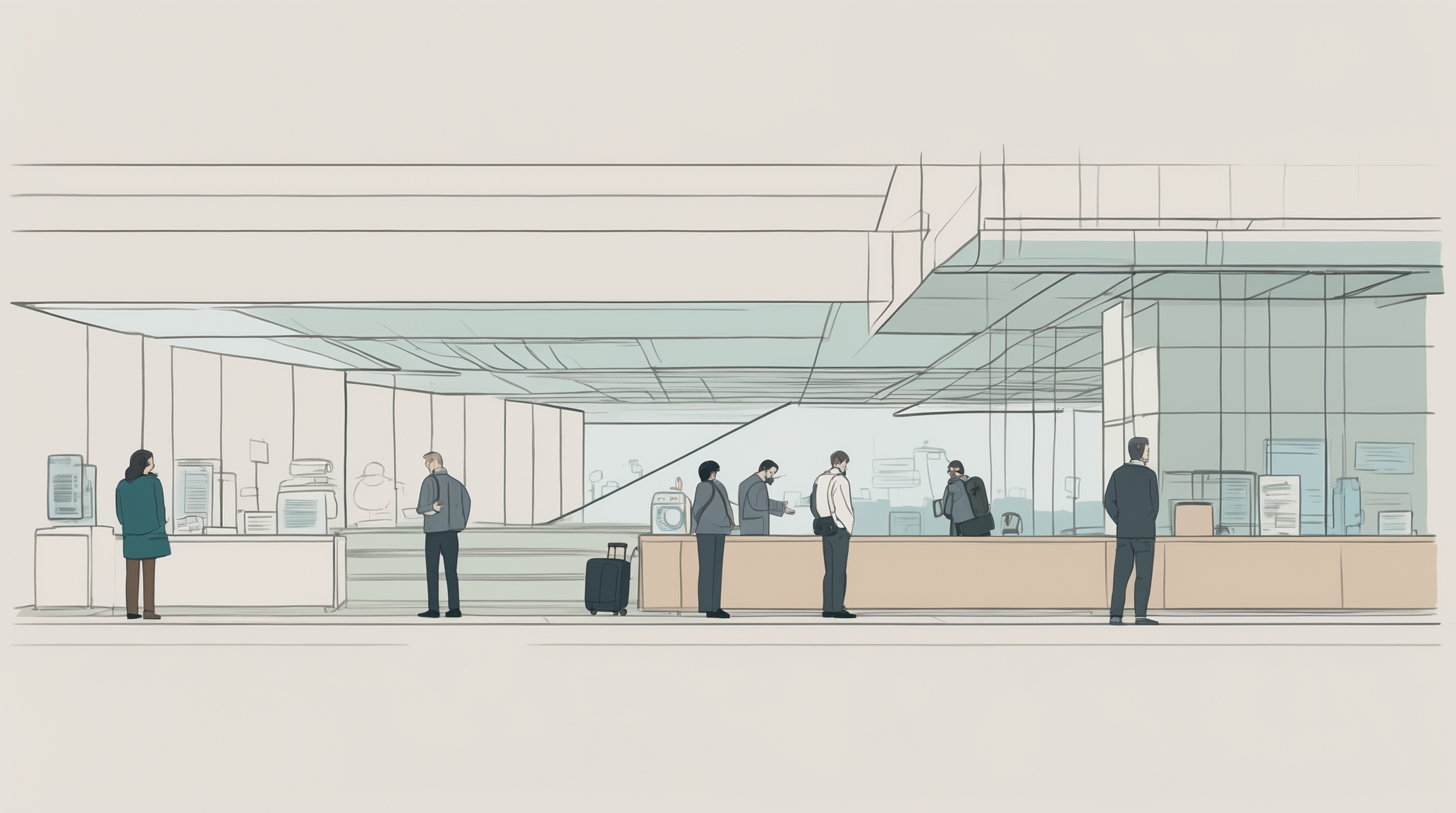
The Hidden Systems Behind Daily Frustrations

You call your internet provider. The service has been down for two days. You need it fixed. The phone rings. Then a menu. Press one for billing. Press two for technical support. Press three for sales. You press two. The system tells you there is a high volume of calls. You will be on hold. Music plays. Ten minutes pass. Fifteen. Finally, someone answers.

You explain the problem. The person on the other end is polite but scripted. They ask for your account number. Your address. Your date of birth. Information the system should already have. Then they say they need to transfer you to a specialist. More hold music. Another ten minutes. The specialist asks for the same information again. They run a diagnostic. They tell you to restart your router. You have already done this. They insist you do it again. You do. It does not help. They say they will escalate the issue. Someone will call you back within twenty-four hours. No one does.

This is not an accident. This is not incompetence. This is a system working exactly as it was designed to work. Just not designed for you.

Read more →

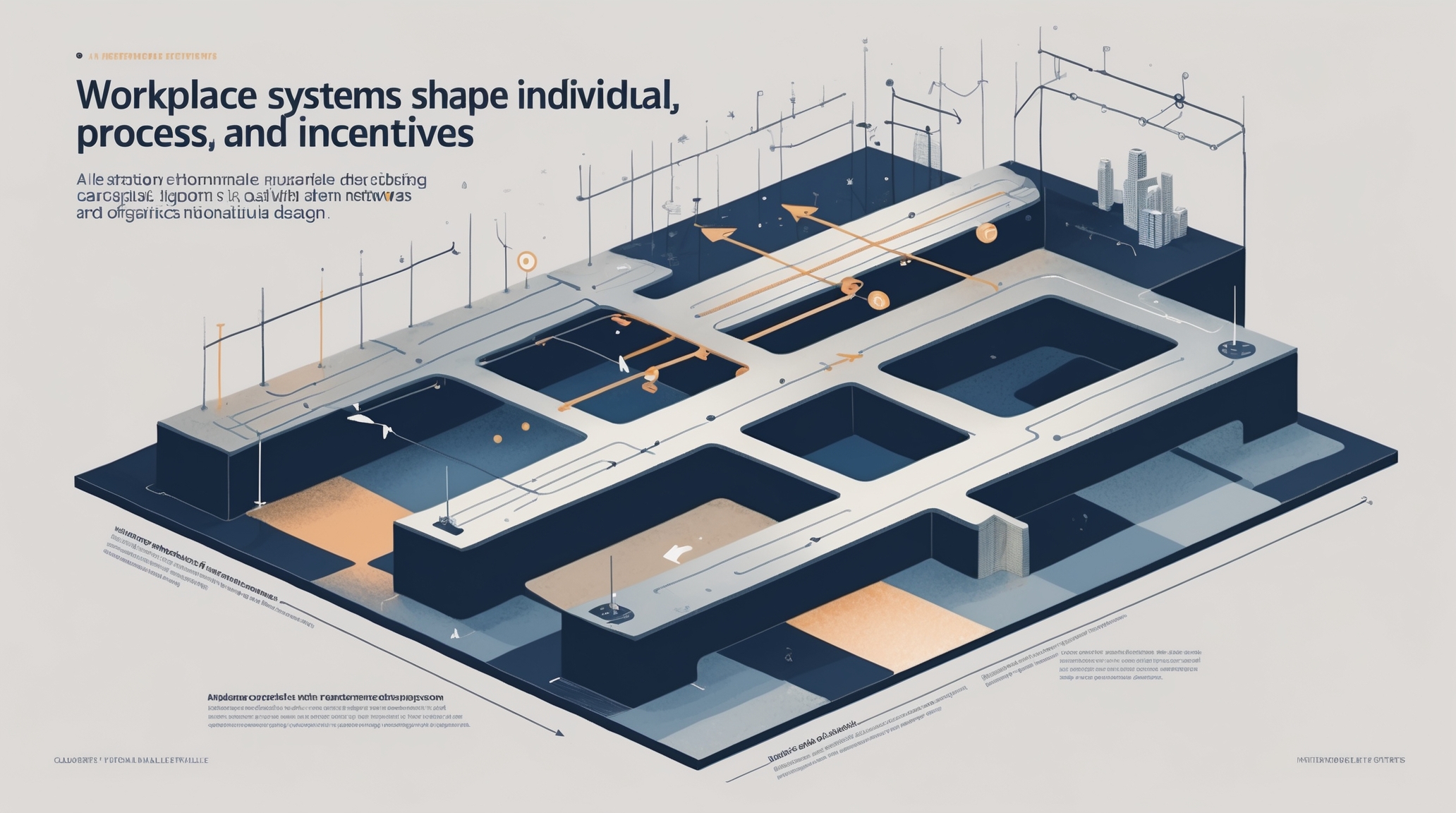
How Workplace Systems Shape Behavior

You start a new job. You are motivated. You care about doing good work. You have ideas. You want to contribute. And for the first few weeks, maybe even the first few months, that energy holds. You notice inefficiencies and think about how to fix them. You see opportunities and want to pursue them. You believe that effort and competence will be rewarded.

Read more →

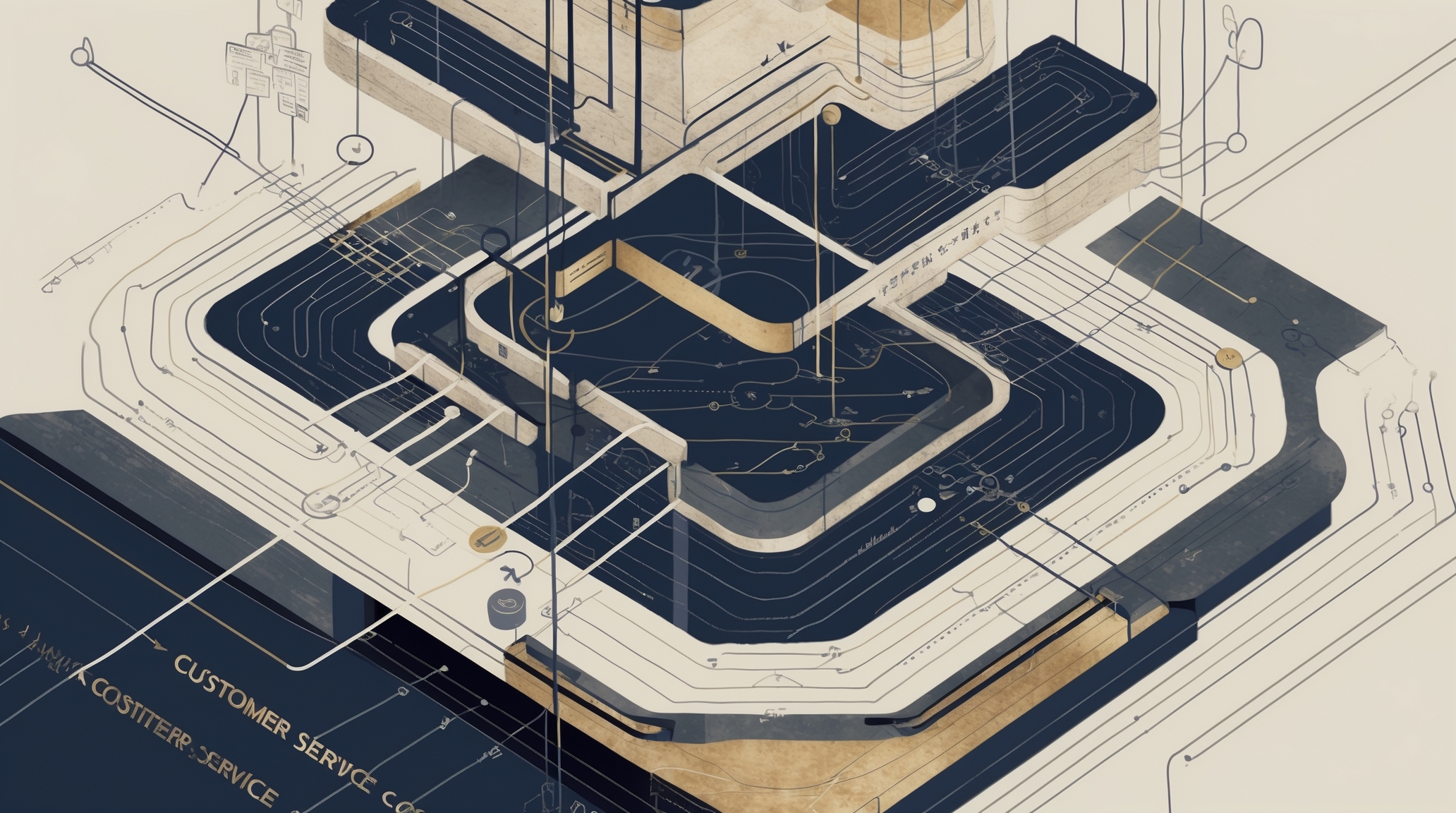
Why Customer Service Is Designed This Way

You have a problem. A bill that is wrong. A service that is not working. A product that arrived broken. So you do what you are supposed to do. You contact customer service. And then the experience begins.

First, you try to find a phone number. It is not on the website. Or it is buried. Hidden behind layers of FAQs and chatbots and self-service portals. Eventually, you find it. You call. A recorded message tells you that your call is important. Then it offers you a menu. Press one for billing. Press two for technical support. Press three for account changes. You press the number that seems closest to your issue. Another menu. More options. You press again. And then, hold music. Your call is important to us. Please continue to hold.

Read more →

What You Can Actually Change (And What You Can't)

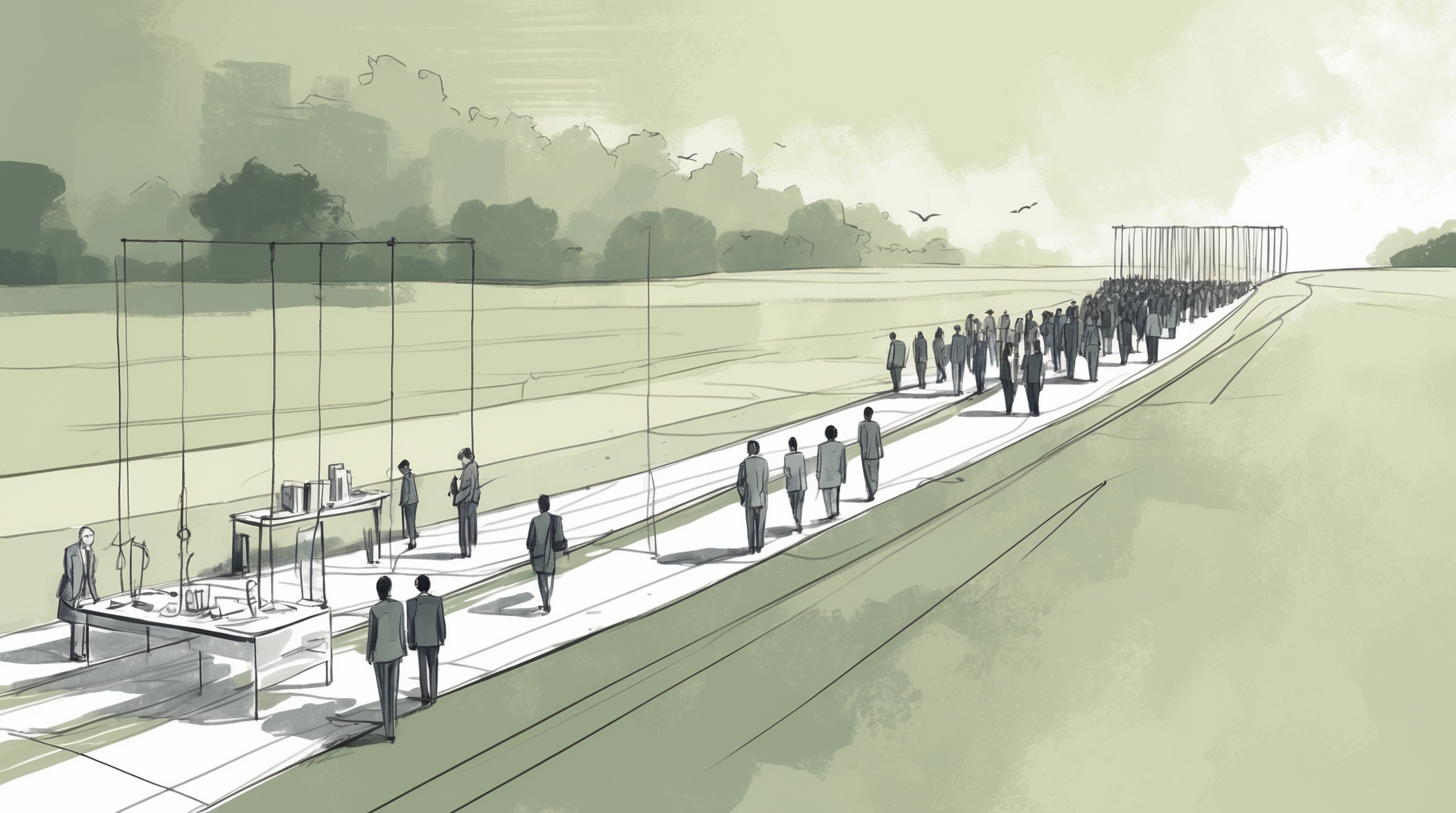
You are stuck in traffic. Again. The same stretch of road. The same time of day. And you think, "Someone should fix this." Build another lane. Change the lights. Do something. But nothing changes. The traffic stays the same. And you stay frustrated.

Here is the uncomfortable truth. You cannot fix the traffic. The traffic is a system-level problem. It is shaped by infrastructure, planning decisions, budget allocations, political priorities. All things outside your control. You can complain about it. You can vote for politicians who promise to fix it. But you, as an individual, cannot change the structure that creates the congestion.

What you can change is your route. Your timing. Your mode of transport. Whether you live near where you work. These are individual-level changes. And they are within your control. They will not fix the traffic. But they will change how the traffic affects you.
Read more →

Book Feature

The Blueprint: How Britain's System Really Works and What You Can Do About It

The Blueprint

Why do the same political and economic problems repeat decade after decade? This book reveals the deeper machinery behind Britain’s institutions — the incentives, constraints and feedback loops that quietly shape outcomes.

Once you understand the system, you can finally see where real leverage exists.

Explore the Book →

Book Feature

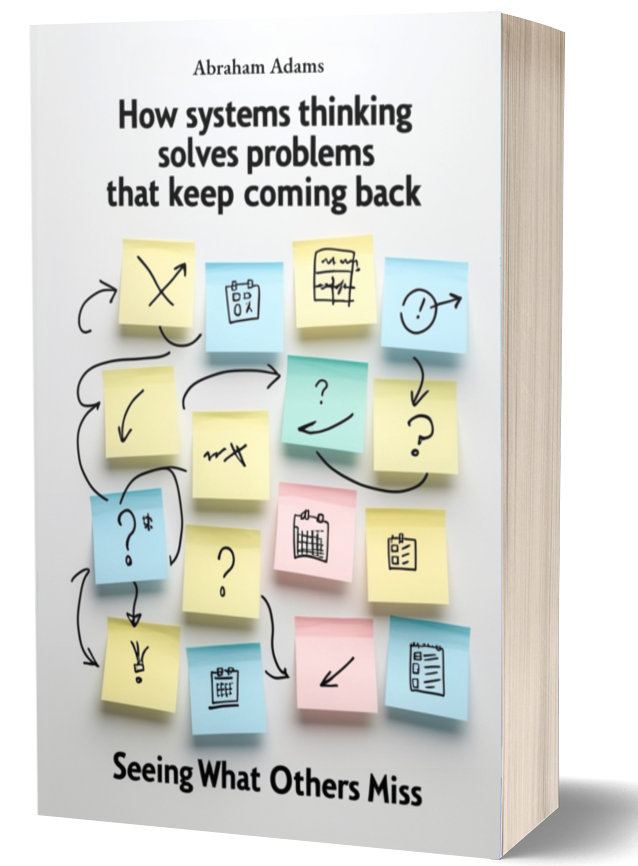
How Systems Thinking Solves Problems That Keep Coming Back

How Systems Thinking Solves Problems That Keep Coming Back

Many problems return again and again because the underlying system is never examined. This book introduces the practical mindset of systems thinking — a way to see incentives, feedback loops and hidden structures shaping outcomes.

Explore the Book →

How To Map The System

The Toolkit

The Toolkit

Practical methods to map systems, trace incentives, uncover feedback loops, and identify where real leverage exists. Learn how to analyse any system and understand how it truly works.

Explore the Toolkit →

How Money Flows

The Extraction Pattern

The Extraction Pattern

How extraction works across systems — where value is drawn from the many and concentrated toward the few through structure, incentives, and design.

Read the Article →

Books

Explore the Books

  • The Blueprint
  • Understanding Systems Thinking
  • How Systems Thinking Solves Problems That Keep Coming Back
  • The Chain Reaction Effect: Change One Thing, Change Everything
  • Browse Books

Topics

  • Home
  • Start Here
  • Systems
  • Toolkit
  • Fundamentals
  • Deep Dives

Deep Dives

  • The Money System
  • The Customer Service System
  • The UK Housing System
  • The UK Student Loan System
  • The UK Health System
  • The UK Childcare System

Resources

  • Books
  • Videos
  • Toolkit
  • Disclaimer
  • Privacy Policy
  • Contact Us
© 2026 Think On The System | Disclaimer | Privacy Policy