The Amplification Machine
You open an app. You scroll. A video appears. It is shocking. Outrageous. It makes you angry. You watch it. You share it. You comment. And the algorithm notices. It notices that you watched. It notices that you engaged. And it decides, based on that signal, to show you more content like it. Not because the algorithm cares what you think. But because engagement is what the algorithm is designed to maximize. And you just engaged.
Within hours, your feed is full of similar content. More outrage. More shock. More of whatever triggered that initial reaction. The algorithm is not trying to inform you. It is not trying to give you a balanced view. It is trying to keep you on the platform. Because the longer you stay, the more ads you see. And the more ads you see, the more money the platform makes. This is not a side effect. This is the design.
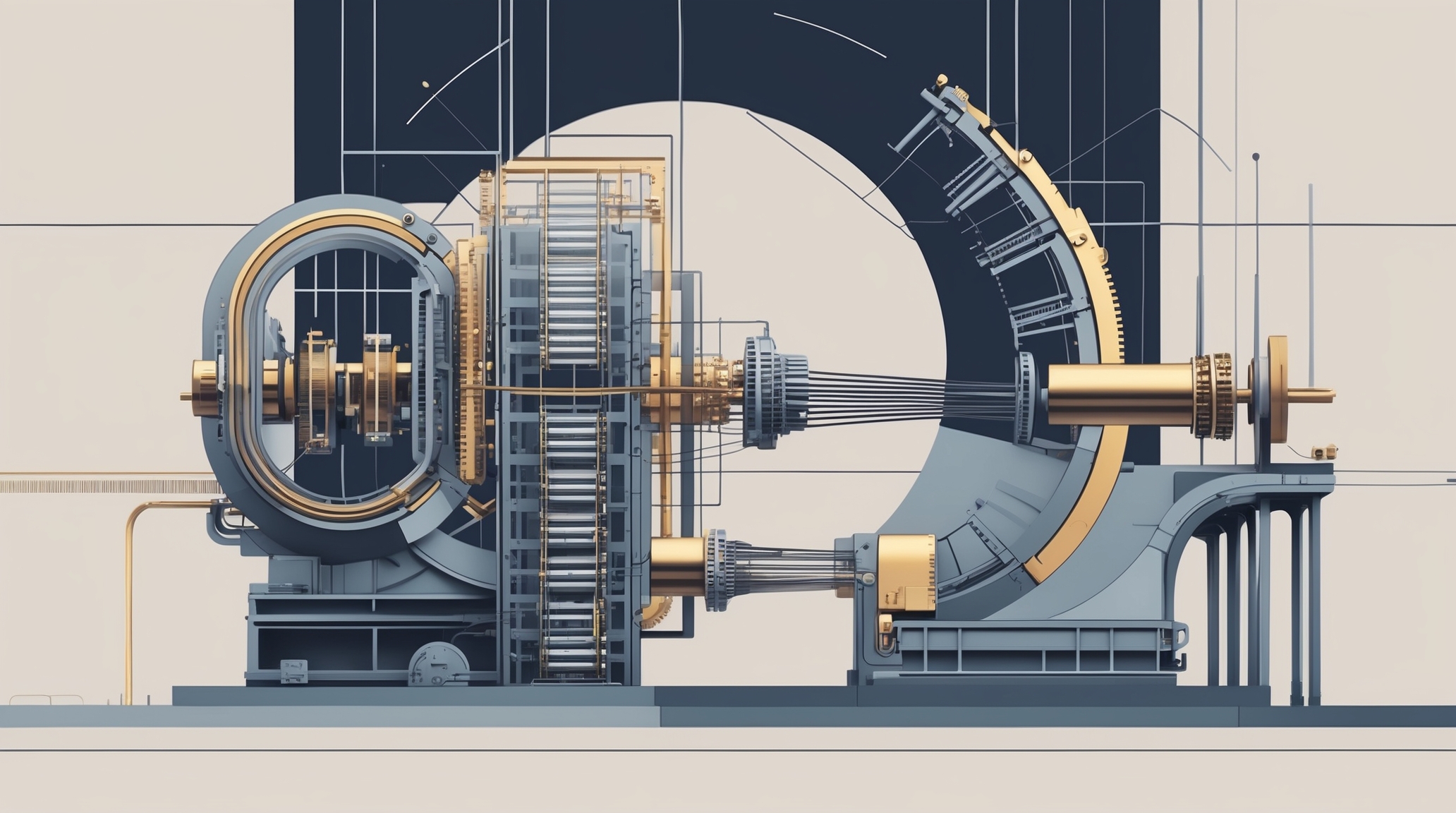
Welcome to the amplification machine. A system that takes human behavior, measures it, and optimizes around it. Not for your benefit. For the platform's. And the result is an information environment where the content that spreads fastest is not the most accurate, the most important, or the most useful. It is the content that triggers the strongest reaction. Because strong reactions keep people engaged. And engagement is what the system runs on.
Let me show you how the machine works.
The first thing to understand is that platforms are not neutral. They do not simply display content in the order it was created. They curate. They filter. They rank. And the ranking is algorithmic. An algorithm decides what you see, in what order, and how prominently. And that algorithm has a goal. The goal is not to show you the best content. It is to show you the content most likely to keep you on the platform.
This is called engagement optimization. And it works through prediction. The algorithm looks at your past behavior. What you clicked. What you watched. What you shared. What you lingered on. And it builds a model of what you are likely to engage with next. Then it shows you that. Not what you need. Not what is true. What you are statistically likely to interact with.
And here is the key insight. Engagement is not the same as value. A piece of content can be deeply valuable, informative, well-researched, and generate no engagement. Because it is boring. Or complex. Or requires effort to understand. Meanwhile, a piece of content can be misleading, shallow, emotionally manipulative, and generate massive engagement. Because it is simple. Provocative. Designed to trigger a reaction.
The algorithm does not distinguish. It does not care about value. It cares about signals. And the signals it measures are clicks, shares, comments, watch time. All of which are easier to generate with content that is emotionally charged than with content that is thoughtful.
So the system, structurally, favors the former over the latter. Not because anyone decided that misinformation should spread faster than truth. But because misinformation, when it is emotionally resonant, generates more engagement than truth. And the algorithm amplifies engagement.
Now add in the feedback loop. The more you engage with a certain type of content, the more the algorithm shows you that type of content. And the more it shows you, the more you engage. Because you are being fed a steady stream of material designed to appeal to the preferences the algorithm has inferred from your behavior. Your feed becomes a mirror. Not of reality. Of your engagement patterns. And those patterns, once established, are hard to break.
This is why people end up in filter bubbles. Not because they consciously choose to only see one perspective. But because the algorithm has learned that showing them that perspective keeps them engaged. And once the bubble forms, it reinforces itself. You see content that confirms what you already believe. You engage with it. The algorithm interprets that as preference. It shows you more. The bubble tightens.
And here is the problem. You do not see the bubble. From the inside, it feels like you are seeing the world. But you are seeing a curated version of the world. A version shaped by what the algorithm believes will keep you scrolling. And because everyone else is in their own bubble, shaped by their own engagement patterns, you are all seeing different versions of reality. All convinced that your version is the truth.
Now layer in virality. Virality is what happens when content spreads exponentially. One person shares it with ten. Those ten share it with a hundred. Within hours, millions have seen it. And virality is not random. It follows patterns. And those patterns are driven by emotion.
Content that makes people angry goes viral. Content that shocks goes viral. Content that triggers moral outrage goes viral. Content that is funny, in a way that feels shareable, goes viral. Content that is nuanced, balanced, and requires thought does not. Because virality requires a strong, immediate reaction. And strong, immediate reactions are triggered by simplicity and emotion, not complexity and reason.
So the content that dominates your feed is not a representative sample of what is happening in the world. It is a sample of what triggers the emotions that drive virality. Which means your perception of reality is skewed toward the extreme, the outrageous, and the emotionally charged. Not because that is what reality is. But because that is what the amplification machine surfaces.
Here is another mechanism. Recommendations. Platforms do not just show you content from people you follow. They recommend content. Based on what they think you will like. And the recommendation algorithm is even more aggressive than the feed algorithm. Because its job is not just to keep you engaged. It is to pull you deeper. To show you content you did not know existed but that the algorithm predicts you will engage with.
And here is how that plays out. You watch one video on a topic. The algorithm recommends another. Slightly more extreme. You watch that. It recommends another. More extreme still. Within a few clicks, you have gone from a mainstream perspective to a fringe one. Not because you were seeking it out. But because the algorithm was leading you there. One recommendation at a time. Each one a small step. But the cumulative effect is radicalization. Not through persuasion. Through exposure.
This is called the recommendation rabbit hole. And it is structural. The algorithm is not trying to radicalize you. It is trying to keep you watching. And the content that keeps people watching, once they have shown interest in a topic, is content that is more intense, more novel, more extreme than what they have already seen. So the algorithm surfaces it. And you, not realizing you are being guided, follow.
Now add in the business model. Platforms make money from advertising. Advertisers pay based on impressions and engagement. The more people on the platform, and the longer they stay, the more ads are shown. So the platform's incentive is to maximize time on site. Everything else is secondary.
This is why platforms are slow to remove harmful content. Not because they endorse it. But because removing it reduces engagement. A controversial post generates comments. Arguments. Shares. All of which keep people on the platform. A post that violates community guidelines but is generating massive engagement is a problem for the platform's ethics team. But it is a win for the platform's revenue model. So the content stays up longer than it should. And by the time it is removed, the damage is done.
The platform is not evil. It is optimizing. And what it is optimizing for is not truth, or social good, or informed citizenship. It is engagement. And engagement, in a system designed to capture attention, often comes at the expense of everything else.
Here is where it gets worse. The amplification machine does not just amplify content. It amplifies behavior. If outrage generates engagement, people learn to be outrageous. If extreme positions get more shares than moderate ones, people learn to take extreme positions. If misinformation spreads faster than corrections, people learn that accuracy does not matter. The system trains its users. Not explicitly. But through feedback. You do something. The system rewards it with visibility, likes, shares. You do more of it. The loop reinforces.
So the people creating content are not just responding to what they believe or what they think is important. They are responding to what the algorithm rewards. And what the algorithm rewards is content that maximizes engagement. So creators optimize for that. Thumbnails become more clickbaity. Titles become more sensational. Arguments become more polarized. Not because creators have become less honest. But because honesty does not compete well with content designed purely to capture attention.
This creates a race to the bottom. The creators who play the game, who optimize for the algorithm, get visibility. The ones who do not, get buried. So even well-intentioned creators face a choice. Adapt to the algorithm or become irrelevant. And most adapt. Because relevance is how you reach people. And reaching people requires playing by the algorithm's rules.
Now think about what this means at scale. Billions of people, all being fed content optimized for engagement. All being nudged toward the extreme. All being shown a version of reality that has been filtered, ranked, and amplified based on what keeps them clicking. The collective effect is not just individual filter bubbles. It is a fragmentation of shared reality. Because everyone is seeing something different. And what they are seeing has been shaped not by what is true or important, but by what is engaging.
This is why consensus is so hard to reach. Not just because people disagree. But because people are not even starting from the same set of facts. The algorithm has shown them different things. Emphasized different aspects. Amplified different voices. So when they try to discuss an issue, they are not just interpreting the same information differently. They are working from completely different information sets. And those sets were curated by a machine optimizing for engagement, not understanding.
Here is the final twist. The platforms know this. They employ researchers who study the effects. They publish papers showing how the algorithm can radicalize users, create filter bubbles, amplify misinformation. And they make small adjustments. Tweak the weighting. Demote certain types of content. Promote others. But they do not fundamentally change the model. Because the model is the business. Engagement is how they make money. And any change that significantly reduces engagement reduces revenue.
So the adjustments are cosmetic. Enough to deflect criticism. Not enough to solve the problem. Because solving the problem would require changing the incentive structure. And changing the incentive structure would require changing the business model. And no platform is willing to do that. Because the business model works. It generates billions in profit. It makes platforms some of the most valuable companies in the world. And as long as it works, it will not change.
So the amplification machine keeps running. Optimizing for engagement. Amplifying outrage. Fragmenting reality. Training users to create content that feeds the algorithm. And producing an information environment where the most visible content is not the most valuable. Just the most engaging.
You cannot opt out. Not completely. The platforms are where the conversations happen. Where the information spreads. Where the culture is shaped. But you can see the machine. You can recognize when you are being pulled into a rabbit hole. When your feed is feeding you outrage. When the content you are seeing has been optimized for reaction, not reflection.
And once you see it, you can resist it. Not by ignoring it. But by not letting it shape what you believe is real. Because what the algorithm shows you is not reality. It is a curated, amplified, engagement-optimized version of reality. Designed to keep you scrolling.
The next article will show you how to navigate this system without being captured by it. How to consume information in a way that resists the amplification machine. How to stay informed without being manipulated. Because the machine is not going away. But you do not have to let it control what you see, what you believe, or how you think.
You just have to understand how it works. And choose not to play by its rules.