
• Home
  • Start Here
  • Systems
  • Deep Dives
  • The Question
  • System Watch
  • System Health
  • Toolkit
  • Books
  • Videos
  1. You are here:  
  2. Home
  3. Systems
  4. Information Systems

Information Systems

How narratives spread through incentive structures, why attention drives everything, and why corrections rarely catch up to viral claims.

Narratives Spread the Way Markets Do

A video appears online. Someone filming a confrontation. Voices raised. A moment of conflict captured on a phone. Within minutes, it is shared. Then shared again. Within hours, it has millions of views. People are outraged. They are commenting. They are taking sides. The story has gone viral.


Read more →

Why Attention Becomes the Scarcest Resource

You wake up. Before you are fully conscious, you reach for your phone. Notifications are waiting. Messages. Emails. News alerts. A dozen apps, all demanding that you look. You open one. A headline catches your eye. You click. An ad plays. You skip it. Another article suggests itself. You scroll. A video autoplays. You watch fifteen seconds. You swipe. Another notification arrives. You have been awake for five minutes and already your attention has been sliced into twenty fragments.

Read more →

Why Corrections Rarely Catch UP

A story breaks. It spreads fast. Within hours, millions of people have seen it. It is shocking. It confirms what people already suspected. It gets shared, quoted, discussed. It becomes part of the conversation. Everyone knows about it.

Then, three days later, a correction appears. The original story got key facts wrong. The shocking detail was not accurate. The framing was misleading. A retraction is published. A follow-up article clarifies what actually happened. The truth is now available. Problem solved, right?

Read more →

The Amplification Machine

You open an app. You scroll. A video appears. It is shocking. Outrageous. It makes you angry. You watch it. You share it. You comment. And the algorithm notices. It notices that you watched. It notices that you engaged. And it decides, based on that signal, to show you more content like it. Not because the algorithm cares what you think. But because engagement is what the algorithm is designed to maximize. And you just engaged.

Read more →

How to Navigate Without Getting Captured

The information system is designed to capture you. To hold your attention. To shape what you see. To influence what you believe. And it is very good at what it does. Billions of dollars and thousands of engineers have been deployed to make it as effective as possible. You are not fighting a fair fight. You are one person, with limited time and attention, going up against systems optimized to exploit exactly the cognitive biases and behavioral patterns you have.

So you cannot win by trying harder. You cannot win by being smarter. You cannot win by sheer willpower. Because the system is designed to outlast your willpower. What you can do is change how you engage. Not to avoid information. But to consume it in a way that resists the machine's design. To stay informed without being manipulated. To see what is happening without letting the algorithm decide what matters.

Read more →

Book Feature

The Blueprint: How Britain's System Really Works and What You Can Do About It

The Blueprint

Why do the same political and economic problems repeat decade after decade? This book reveals the deeper machinery behind Britain’s institutions — the incentives, constraints and feedback loops that quietly shape outcomes.

Once you understand the system, you can finally see where real leverage exists.

Explore the Book →

Book Feature

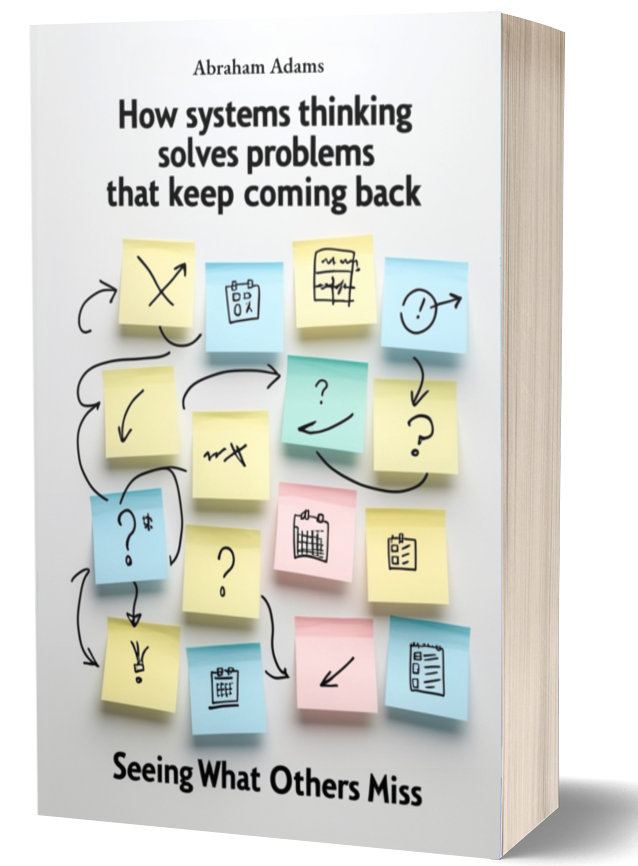
How Systems Thinking Solves Problems That Keep Coming Back

How Systems Thinking Solves Problems That Keep Coming Back

Many problems return again and again because the underlying system is never examined. This book introduces the practical mindset of systems thinking — a way to see incentives, feedback loops and hidden structures shaping outcomes.

Explore the Book →

How To Map The System

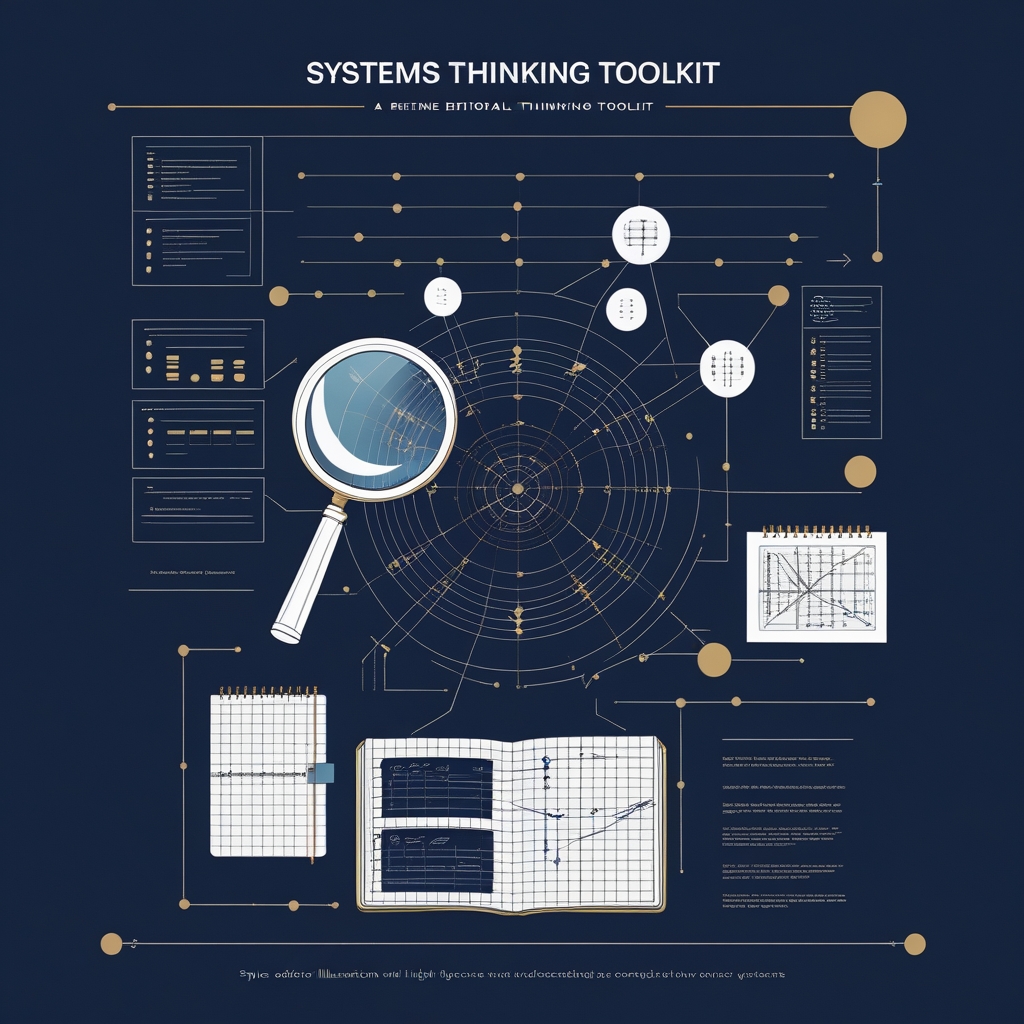
The Toolkit

The Toolkit

Practical methods to map systems, trace incentives, uncover feedback loops, and identify where real leverage exists. Learn how to analyse any system and understand how it truly works.

Explore the Toolkit →

How Money Flows

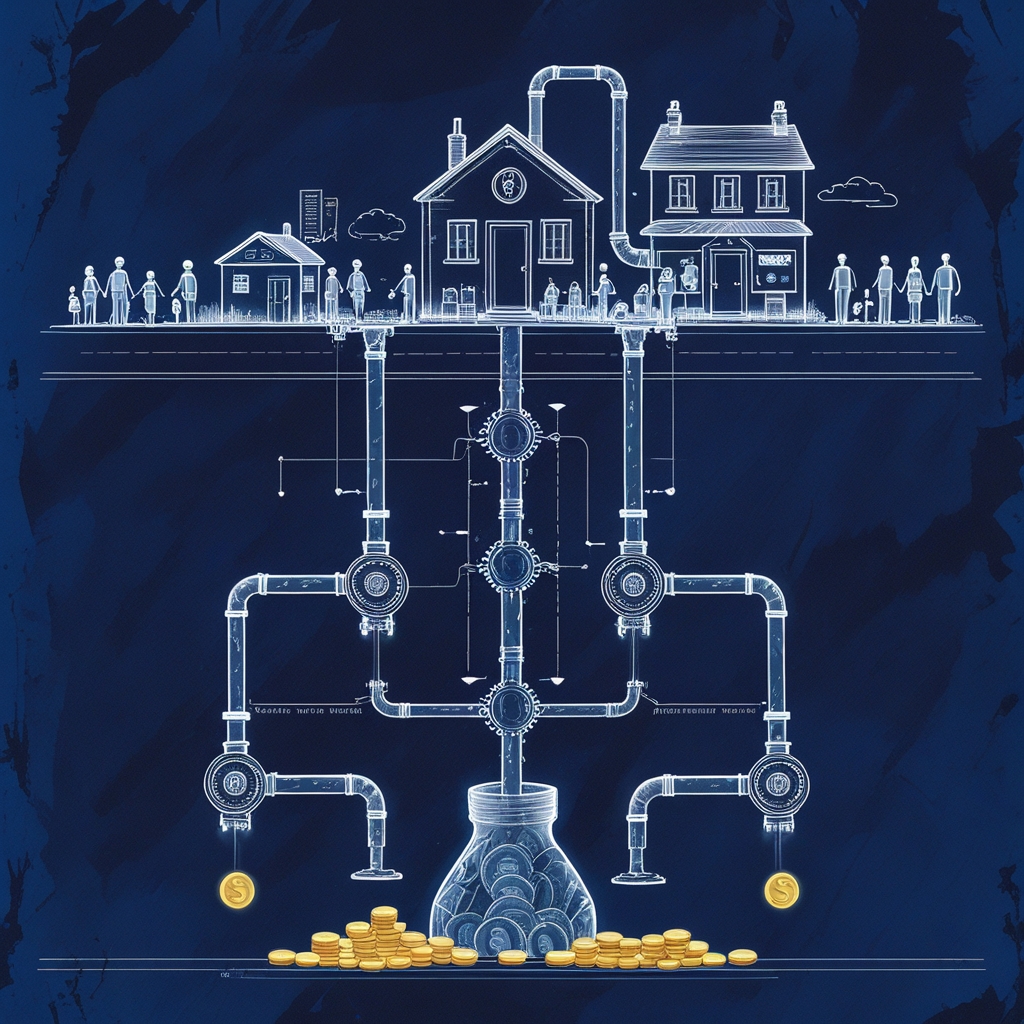
The Extraction Pattern

The Extraction Pattern

How extraction works across systems — where value is drawn from the many and concentrated toward the few through structure, incentives, and design.

Read the Article →

Books

Explore the Books

  • The Blueprint
  • Understanding Systems Thinking
  • How Systems Thinking Solves Problems That Keep Coming Back
  • The Chain Reaction Effect: Change One Thing, Change Everything
  • Browse Books

Topics

  • Home
  • Start Here
  • Systems
  • Toolkit
  • Fundamentals
  • Deep Dives

Deep Dives

  • The Money System
  • The Customer Service System
  • The UK Housing System
  • The UK Student Loan System
  • The UK Health System
  • The UK Childcare System

Resources

  • Books
  • Videos
  • Toolkit
  • Disclaimer
  • Privacy Policy
  • Contact Us
© 2026 Think On The System | Disclaimer | Privacy Policy