How Policy Actually Gets Made
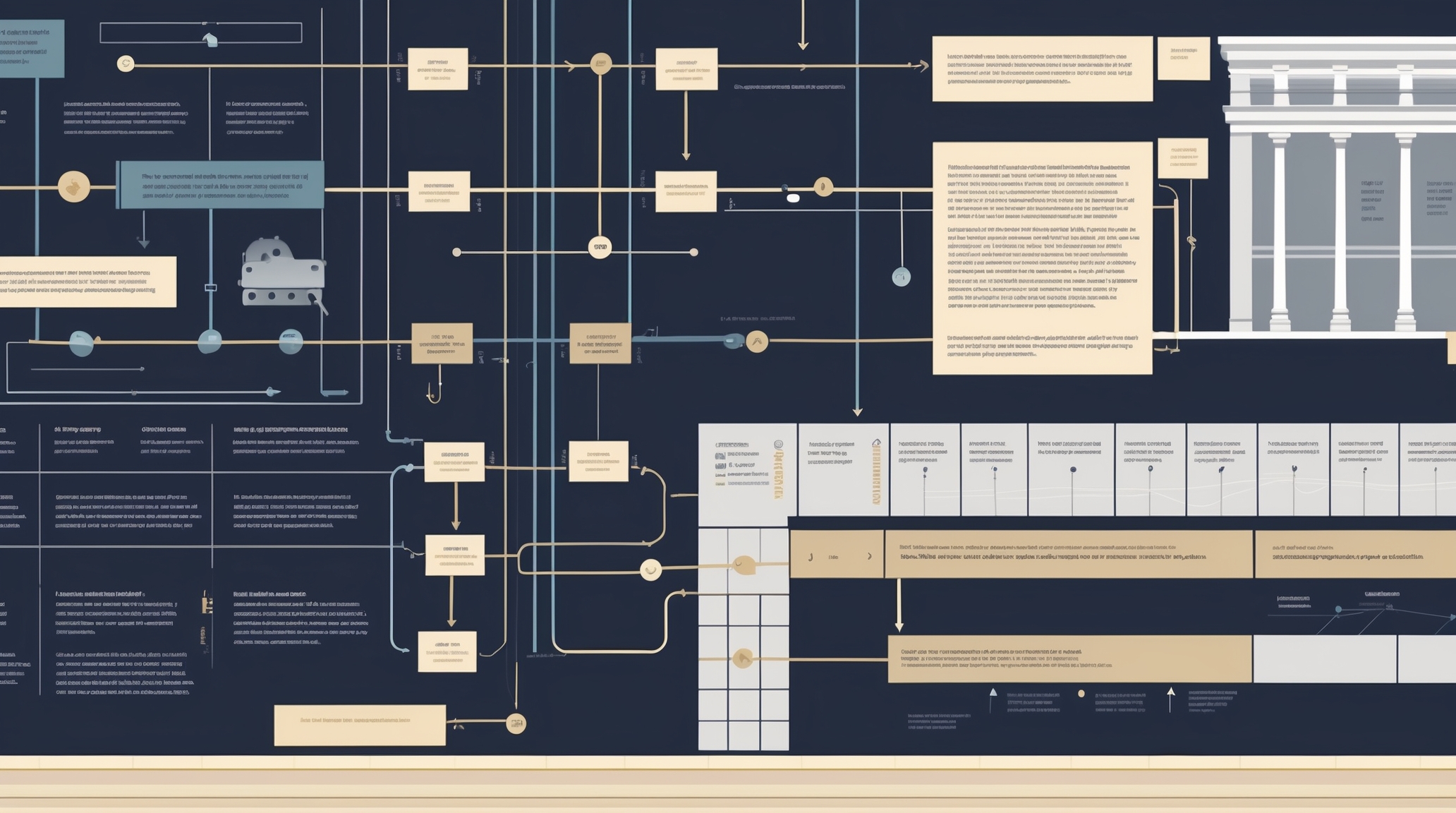
There is a story people are told about how policy works. It goes like this. A problem exists. People notice it. They write to their representatives. The representatives bring it to parliament. Debate happens. The best arguments win. A law is passed. The problem is solved. Democracy in action.
This story is not entirely false. But it is so incomplete that believing it leaves you completely unprepared for how policy actually gets made. Because the reality is messier, slower, and far more contingent on forces that most people never see.
Let me show you how it actually works.
Policy does not start with a problem being noticed. It starts with a problem being defined as solvable through government action. And that distinction matters. Because there are thousands of problems at any given time. Poverty. Pollution. Inequality. Crime. Poor infrastructure. Failing schools. Rising costs. Declining health. All real. All serious. But only a tiny fraction of them ever make it onto the policy agenda. And the ones that do are not necessarily the most urgent. They are the ones that have been successfully framed as both important and actionable.
This framing does not happen by accident. It happens through a process called agenda-setting. And agenda-setting is where most policy actually begins. Not in parliament. Not in ministerial offices. But in the networks of people and organizations whose job it is to turn issues into priorities.
Think tanks are a major part of this. These are organizations, often funded by donors with specific interests, whose role is to research problems and propose solutions. They publish reports. They hold conferences. They brief journalists and politicians. And they do it consistently, over years, until the issue they care about becomes part of the conversation. A think tank that wants education reform does not wait for the government to ask. It produces evidence. It frames the problem. It offers solutions. And it makes sure the right people see it.
Lobby groups do the same. Industry associations. Trade unions. Advocacy organizations. Charities. All of them are trying to shape what gets talked about. They do not just respond to policy. They create the conditions under which certain policies become possible. A business lobby does not wait for a regulation to be proposed and then oppose it. It spends years arguing that the sector does not need regulation. It funds studies showing self-regulation works. It builds relationships with politicians and civil servants. So that by the time regulation is discussed, the argument against it is already established and influential.
Then there are crises. Crises accelerate agenda-setting in ways nothing else does. A financial crash. A pandemic. A scandal. Suddenly, an issue that was ignored for years becomes urgent. And the groups that were already working on that issue, the ones with reports ready and solutions drafted, are the ones whose ideas get picked up. Because in a crisis, governments do not have time to think from scratch. They reach for what is available. And what is available is what someone prepared in advance.
So policy does not begin when a politician has an idea. It begins when an issue has been worked on, framed, researched, and positioned by people outside government, often for years, until it reaches a point where political action becomes possible.
Now assume an issue has made it onto the agenda. A minister has decided this is a priority. What happens next?
The minister does not write the policy. The minister sets the direction. The actual drafting is done by civil servants. And this is where the gap between intention and outcome begins to emerge. Because civil servants are not just neutral implementers. They are experts. They know the constraints. The legal frameworks. The budget limits. The political realities. And they know, from experience, what works and what does not.
So when a minister says, "I want to solve this problem," the civil servant translates that into something that can actually be done within the system. And the translation is where things change. The minister might want bold reform. The civil servant knows that bold reform requires legislative time, which is limited. It requires funding, which is contested. It requires cooperation from other departments, which is never guaranteed. So the civil servant produces a version of the policy that is achievable. Which often means it is smaller, slower, and more cautious than what the minister imagined.
This is not sabotage. This is realism. The civil servant is operating inside constraints the minister either does not see or chooses to ignore. And the policy that emerges is the product of negotiation between ambition and reality.
But it does not stop there. Because once a draft policy exists, it has to survive. And survival means getting through a process designed to kill most things that enter it.
First, there is inter-departmental negotiation. No policy exists in isolation. A health policy affects education. An economic policy affects welfare. A transport policy affects housing. So every department with a stake gets to weigh in. And every department has its own priorities. Its own budget pressures. Its own political concerns. So they push back. They ask for changes. They demand exemptions. They slow things down.
The policy that survives this process is not the policy that was drafted. It is the policy that enough people could live with. Which means it is a compromise. And compromises in policy usually mean the sharp edges get filed off. The parts that would have created real change get softened. What remains is something that does not upset too many people. Which also means it probably will not solve the problem it was designed to address.
Then there is the political layer. Ministers answer to the Prime Minister. The Prime Minister answers to the party. The party answers to voters. And voters, or at least the ones who matter electorally, have views. So even if a policy makes sense on the merits, it has to survive political testing. Will it cost votes? Will it anger donors? Will it create a media storm? If the answer to any of those is yes, the policy gets reconsidered. Watered down. Delayed. Or quietly dropped.
This is why policies that poll well but threaten powerful interests rarely get implemented. And why policies that benefit narrow groups but do not generate backlash often sail through. The political filter is not about what is right. It is about what is survivable.
Now assume the policy has survived all of that. It gets announced. It goes to parliament. And here is where the public-facing part of the process begins. Debate. Amendments. Votes. This looks like democracy. And it is. But by the time a policy reaches parliament, the real decisions have already been made. The framing was set years ago by think tanks and lobby groups. The drafting was done by civil servants balancing constraints. The compromises were negotiated between departments. The political testing was done in private.
What happens in parliament is theatre. Important theatre, because it creates accountability and allows opposition voices to be heard. But it is not where policy is made. It is where policy is performed. The votes are usually known in advance. The amendments that pass are the ones the government allows. The amendments that would actually change the policy are voted down. And the bill that passes is almost always the bill the government wanted to pass. With minor adjustments for appearance.
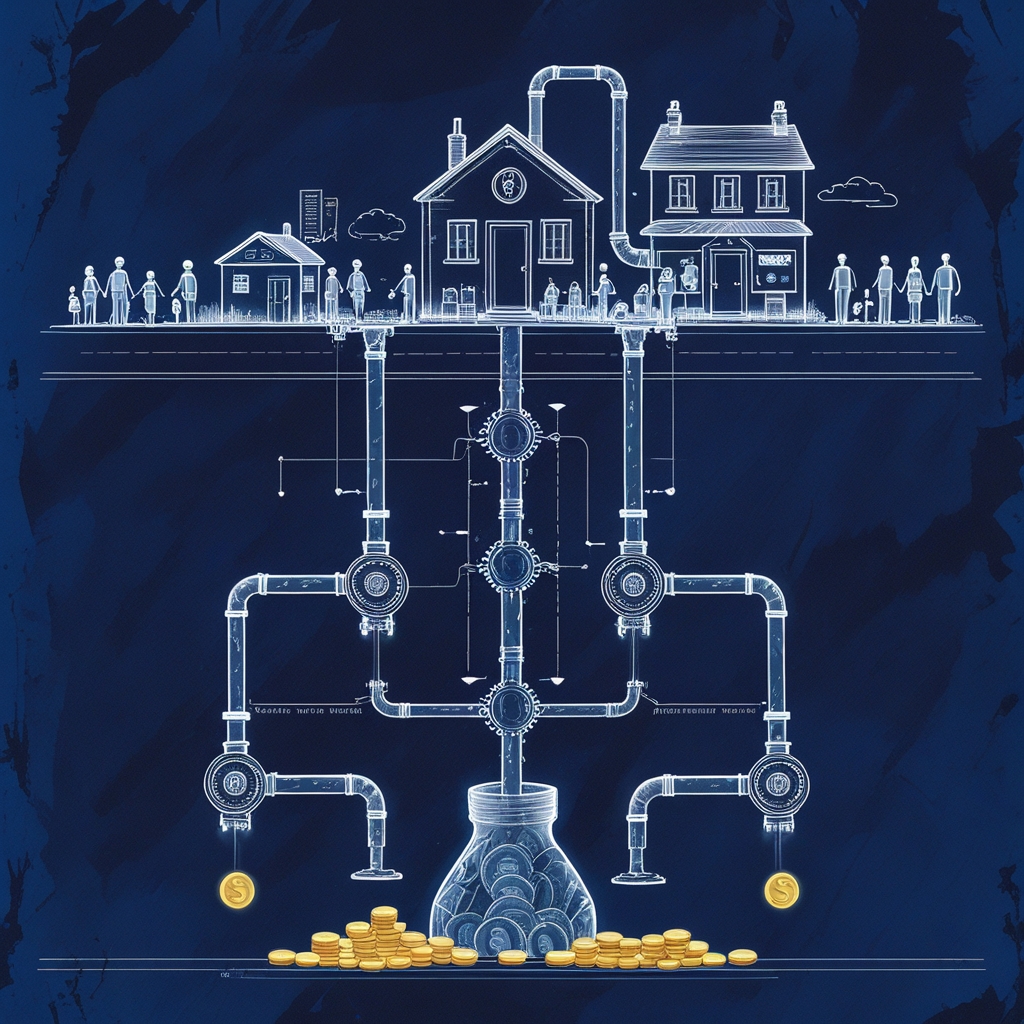
Then comes implementation. And this is where most policies die. Not officially. They are still on the books. But they do not work the way they were supposed to. Because implementation is hard. It requires coordination across agencies. It requires funding that was promised but not allocated. It requires behavior change from people who were not consulted. It requires systems that do not exist or do not work the way the policy assumes they do.
So what gets implemented is a version of the policy. Often a pale version. The boldest parts get delayed. The funding gets spread too thin. The enforcement gets deprioritized. And the problem the policy was meant to solve persists. Not because anyone failed. But because the gap between designing a policy and making it work in the real world is vast. And that gap is where most good intentions go to die.
Here is the other thing that happens during implementation. The people affected by the policy start responding. Businesses find loopholes. Individuals adjust their behavior in ways the policy did not anticipate. Unintended consequences emerge. And by the time these are noticed, the policy has been in place long enough that changing it is politically difficult. Because changing it means admitting it did not work. And admitting failure is not something governments do easily.
So the policy stays. It gets tweaked around the edges. But the fundamental problems remain. And the cycle begins again. A new report from a think tank. A new crisis that creates urgency. A new minister with new priorities. A new policy drafted by civil servants who know it will be compromised. A new round of negotiations, political testing, parliamentary theatre, and flawed implementation.
This is not broken. This is how the system works. Policy is not made by identifying the best solution and implementing it. Policy is made through a process of negotiation, compromise, and adaptation, shaped by competing interests, limited resources, and political constraints. The result is rarely what anyone originally wanted. But it is what the system can produce.
And here is the uncomfortable truth. The people inside the system know this. They are not naive. They understand the limits. But they operate within them because those are the only options available. A civil servant who proposes something politically impossible does not get it implemented. A minister who ignores inter-departmental concerns does not get cooperation. A think tank that frames an issue in ways that alienate key audiences does not get traction.
So everyone adapts. They work within the constraints. They push where they can. They compromise where they must. And the policy that emerges is the policy the system allows. Not the policy the problem requires.
This does not mean change is impossible. It means change is incremental, contested, and contingent. It happens when multiple forces align. When a crisis creates urgency. When a coalition is built. When the political moment is right and the implementation is feasible. Those moments are rare. Which is why most policy is small, slow, and frustratingly inadequate.
The next article will show you why, even when policy is made with good intentions and clear goals, the outcomes diverge so dramatically from what was promised. Because understanding how policy gets made is only the first step. Understanding why it does not work the way it is supposed to is the second.
And that is where the structure reveals itself most clearly.