• Home
  • Start Here
  • Systems
  • Deep Dives
  • The Question
  • System Watch
  • System Health
  • Toolkit
  • Books
  • Videos
  1. You are here:  
  2. Home
  3. Systems
  4. Political Systems

Political Systems

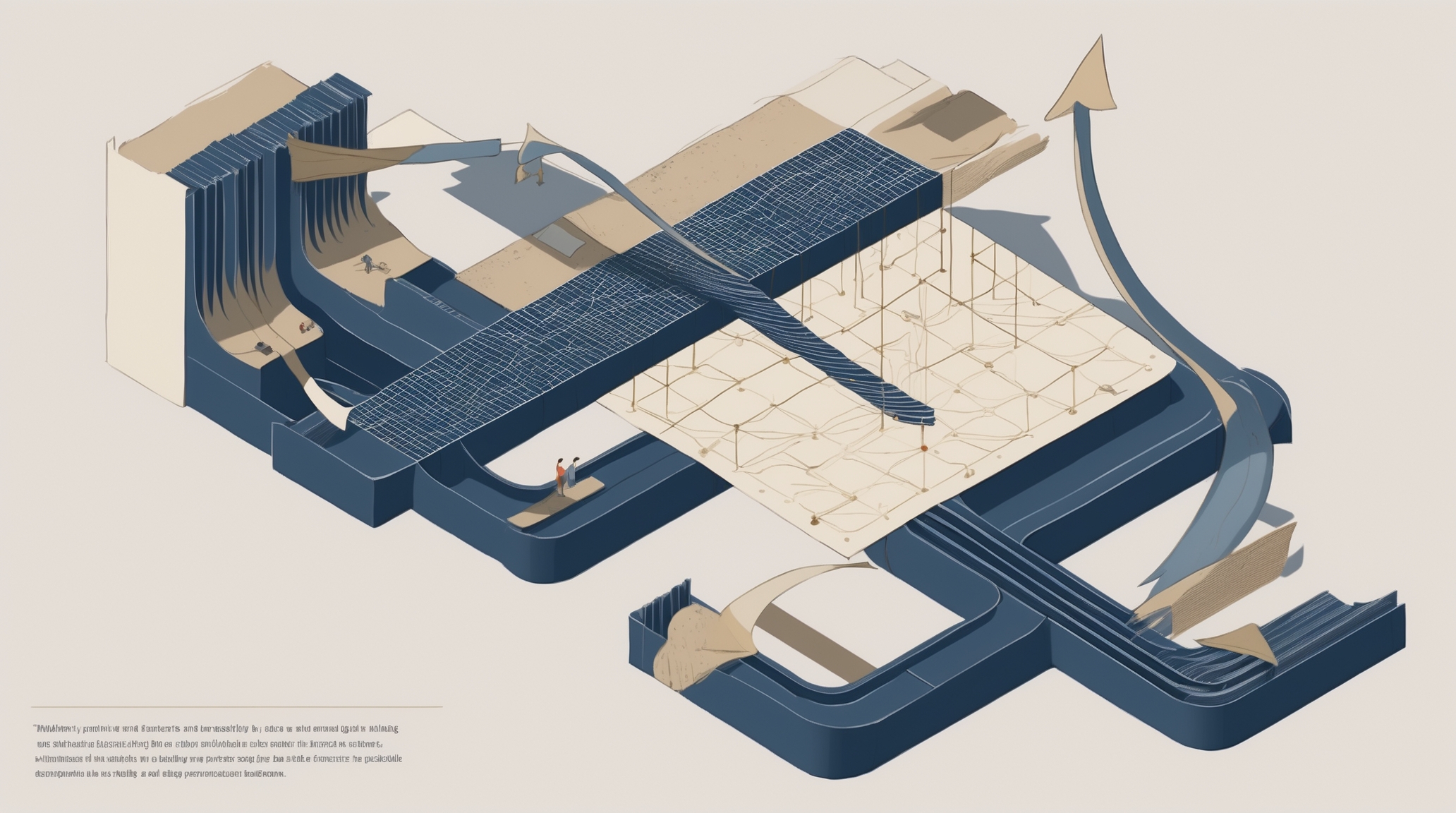
How policy gets made, why outcomes diverge from intentions, how bureaucracy actually works, and where citizens have real influence.

How Policy Actually Gets Made

There is a story people are told about how policy works. It goes like this. A problem exists. People notice it. They write to their representatives. The representatives bring it to parliament. Debate happens. The best arguments win. A law is passed. The problem is solved. Democracy in action.

This story is not entirely false. But it is so incomplete that believing it leaves you completely unprepared for how policy actually gets made. Because the reality is messier, slower, and far more contingent on forces that most people never see.
Read more →

Why Policy Outcomes Diverge From Policy Intentions

There is a city with a housing problem. Rents are rising fast. People are being priced out. Families who have lived in the area for generations can no longer afford to stay. It is a crisis, and everyone agrees something must be done.

So the city introduces rent control. The policy is clear. Landlords cannot raise rents above a certain percentage each year. The intention is to protect tenants, keep housing affordable, and stop people from being displaced. It is a popular policy. It passes with strong support. Everyone expects it to work.

And at first, it does. Tenants in rent-controlled flats see their costs stabilise. They can stay. The immediate problem is solved. But then, over the next few years, something else starts to happen.

Landlords, facing limits on how much they can charge, stop maintaining properties as well as they used to. Why invest in upgrades if you cannot recoup the cost through higher rent? Some landlords sell up entirely and leave the rental market. Others convert rental properties into short-term holiday lets, which are not covered by the controls. The supply of long-term rental housing shrinks.

Read more →

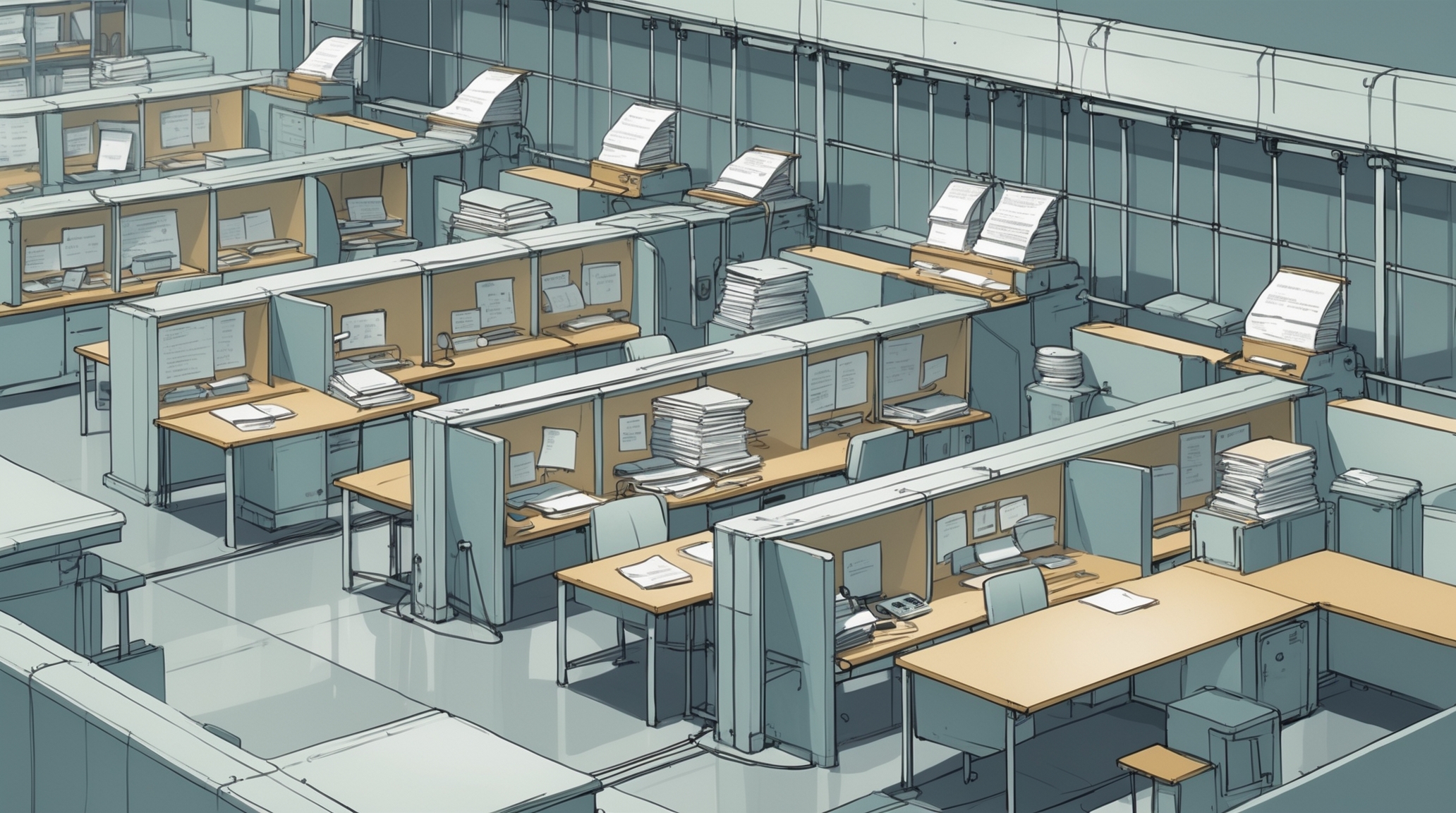
The Administrative Machine

You need a permit. It is not a complicated request. You have filled in the forms. You have provided the documents. Everything is in order. So you submit it and wait.

Weeks pass. Nothing happens. You call to check. The person on the phone tells you your application is being processed. You wait longer. Eventually, you get a letter. Not a decision. A request for more information. Something minor. Something that could have been asked for on day one. So you provide it. And you wait again.

Read more →

Why Reform Rarely Sticks

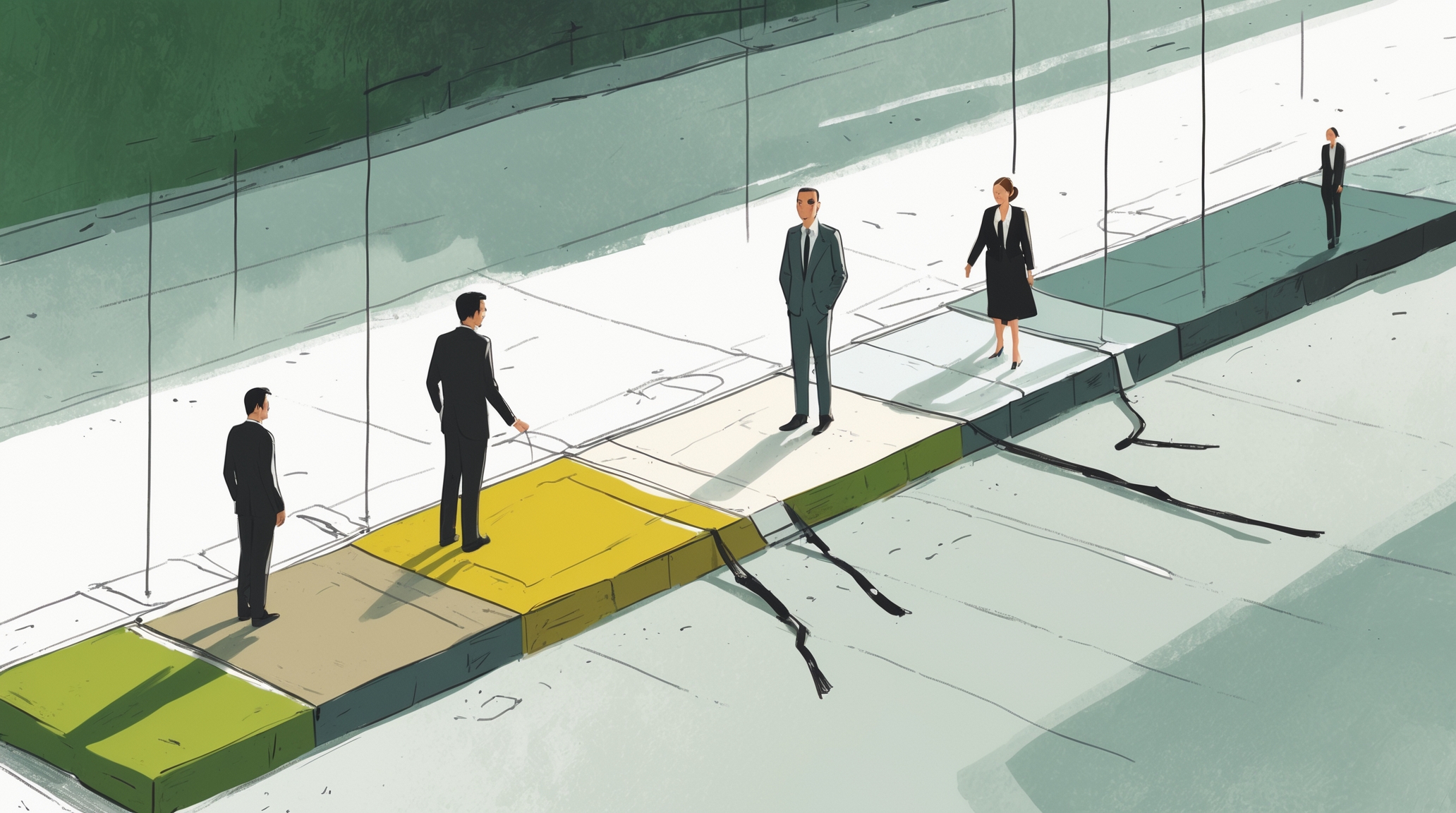
There is a moment, after every major political failure, when reform becomes possible. The scandal breaks. The crisis hits. The public is angry. And politicians, sensing the pressure, promise change. Real change. Structural change. This time, they say, will be different.

Inquiries are launched. Reports are commissioned. Experts testify. The problems are identified. The failures are documented. And recommendations are made. Dozens of them. Sensible recommendations. Evidence-based recommendations. Recommendations that, if implemented, would genuinely prevent the same failure from happening again.

Read more →

Where Citizens Actually Have Influence

There is a belief, widely held, that citizens influence politics primarily through voting. You elect representatives. They make decisions on your behalf. If you do not like the decisions, you vote them out. That is democracy. That is how the system works.

And it is true. To a point. Voting matters. Elections create accountability. Governments can be removed. But if you think voting is where your influence begins and ends, you have misunderstood how power actually operates. Because the most consequential decisions, the ones that shape the structure of the system itself, often happen in the gaps between elections. And those gaps are where most people assume they have no influence at all.

Read more →

Book Feature

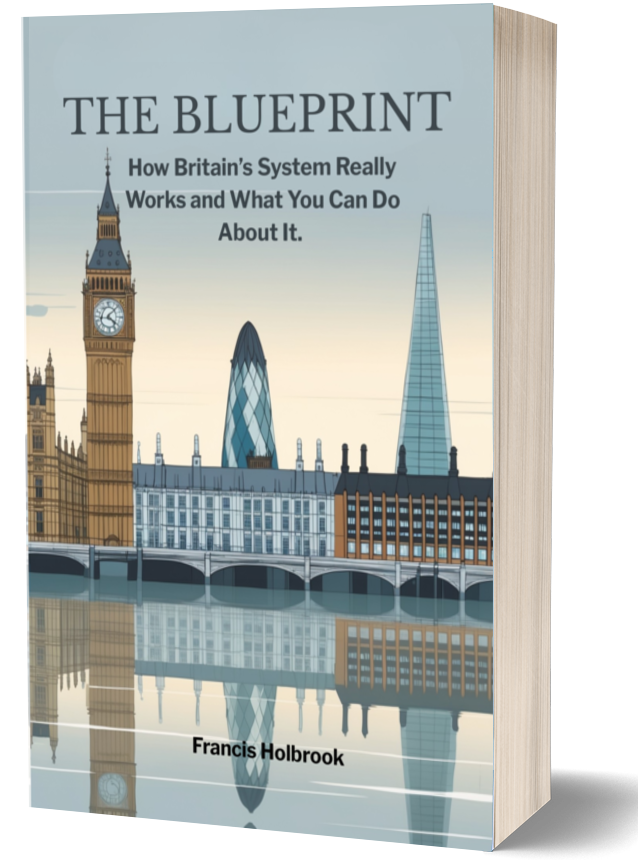
The Blueprint: How Britain's System Really Works and What You Can Do About It

The Blueprint

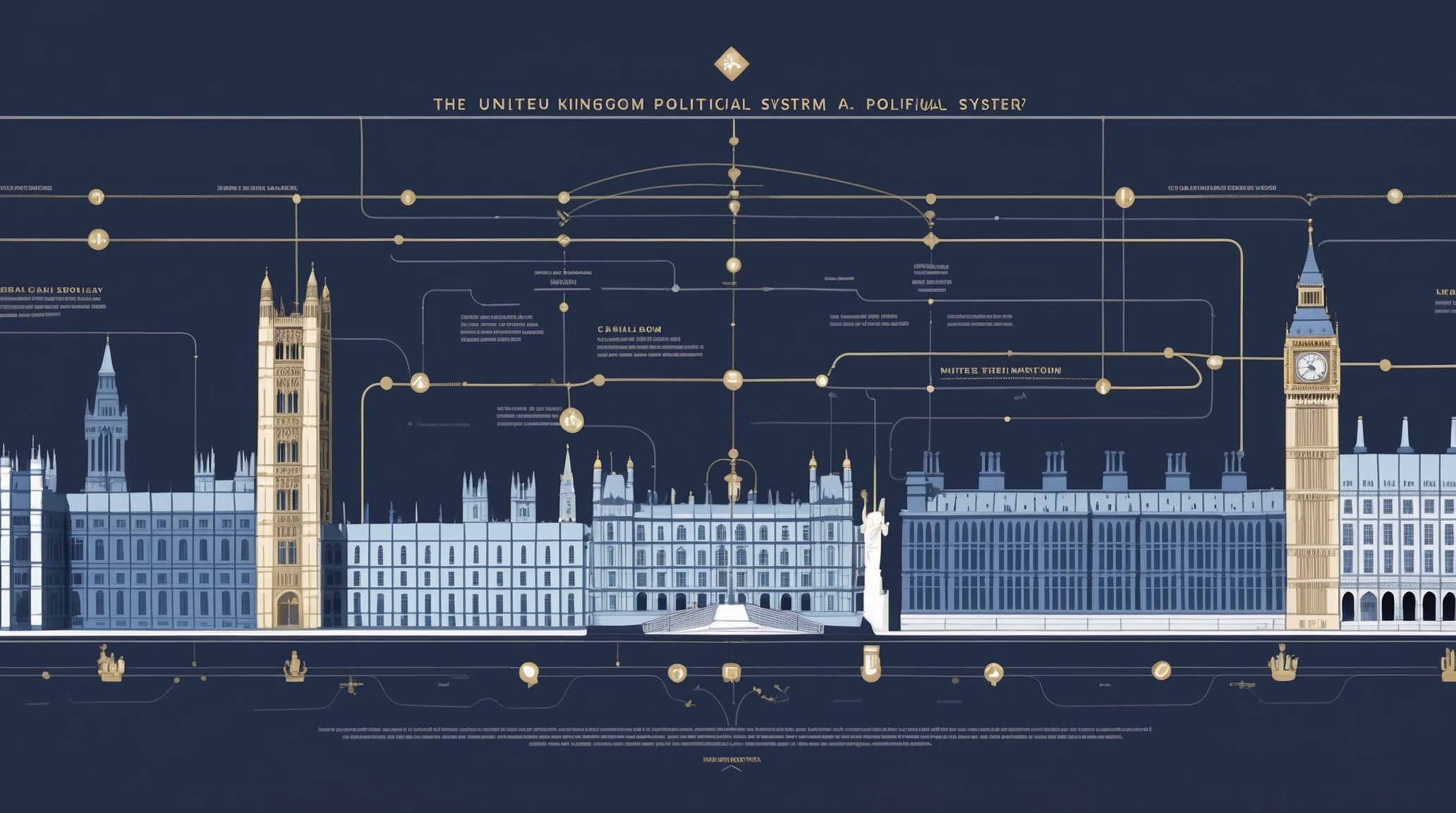
Why do the same political and economic problems repeat decade after decade? This book reveals the deeper machinery behind Britain’s institutions — the incentives, constraints and feedback loops that quietly shape outcomes.

Once you understand the system, you can finally see where real leverage exists.

Explore the Book →

Book Feature

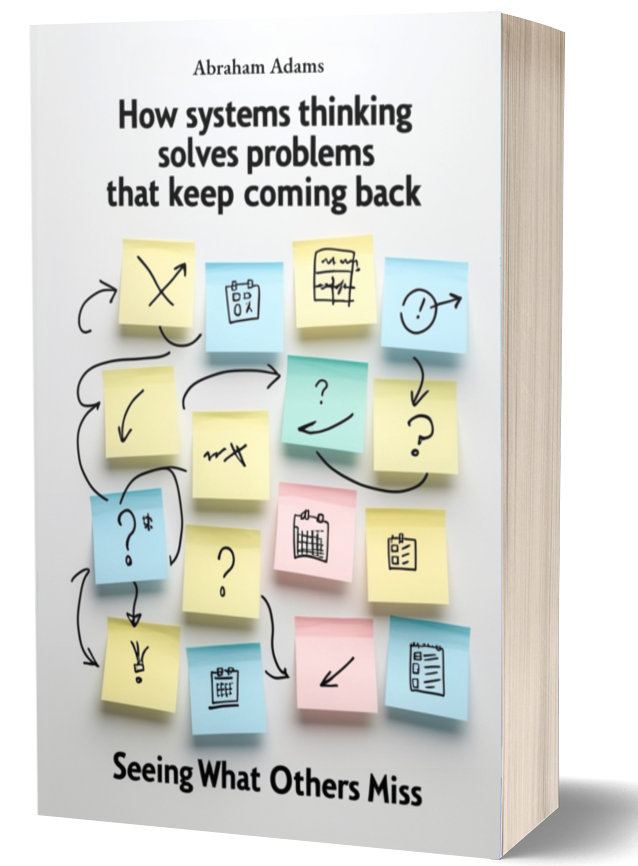
How Systems Thinking Solves Problems That Keep Coming Back

How Systems Thinking Solves Problems That Keep Coming Back

Many problems return again and again because the underlying system is never examined. This book introduces the practical mindset of systems thinking — a way to see incentives, feedback loops and hidden structures shaping outcomes.

Explore the Book →

How To Map The System

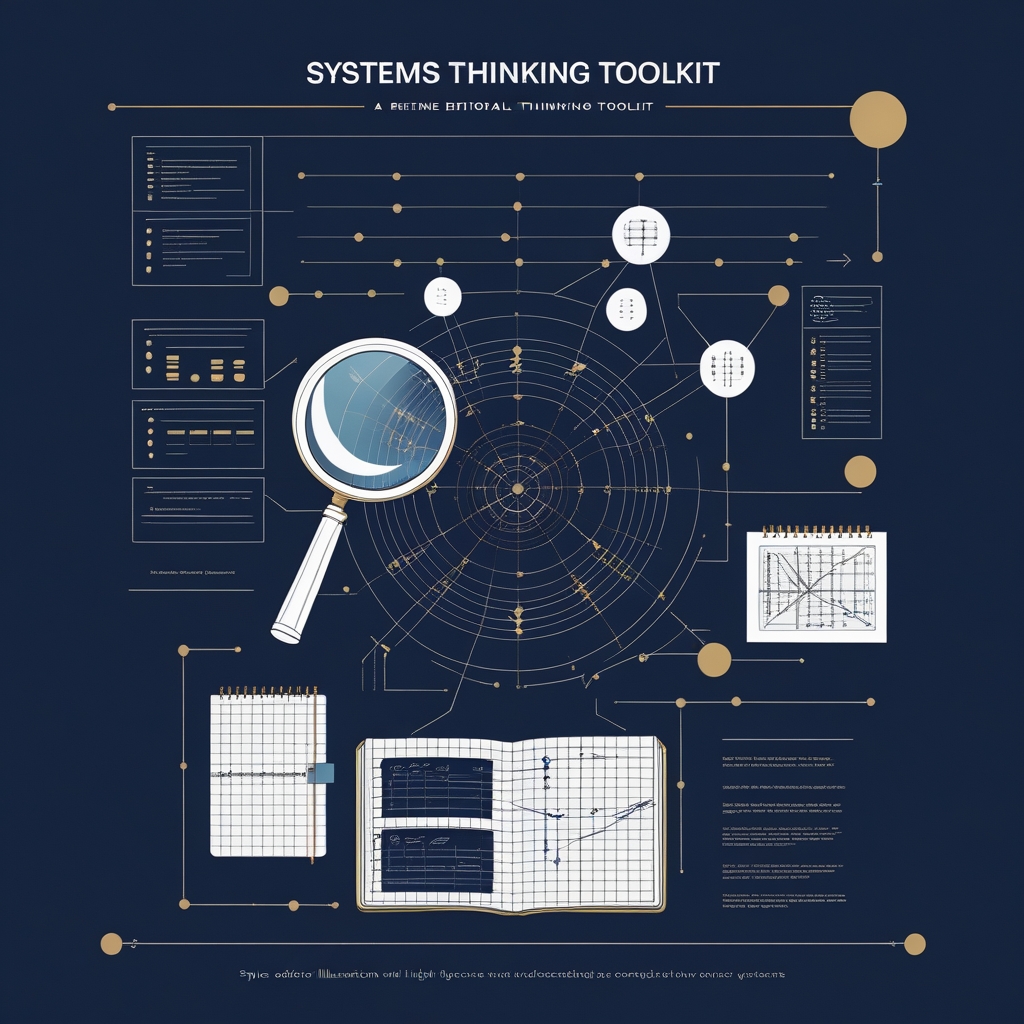
The Toolkit

The Toolkit

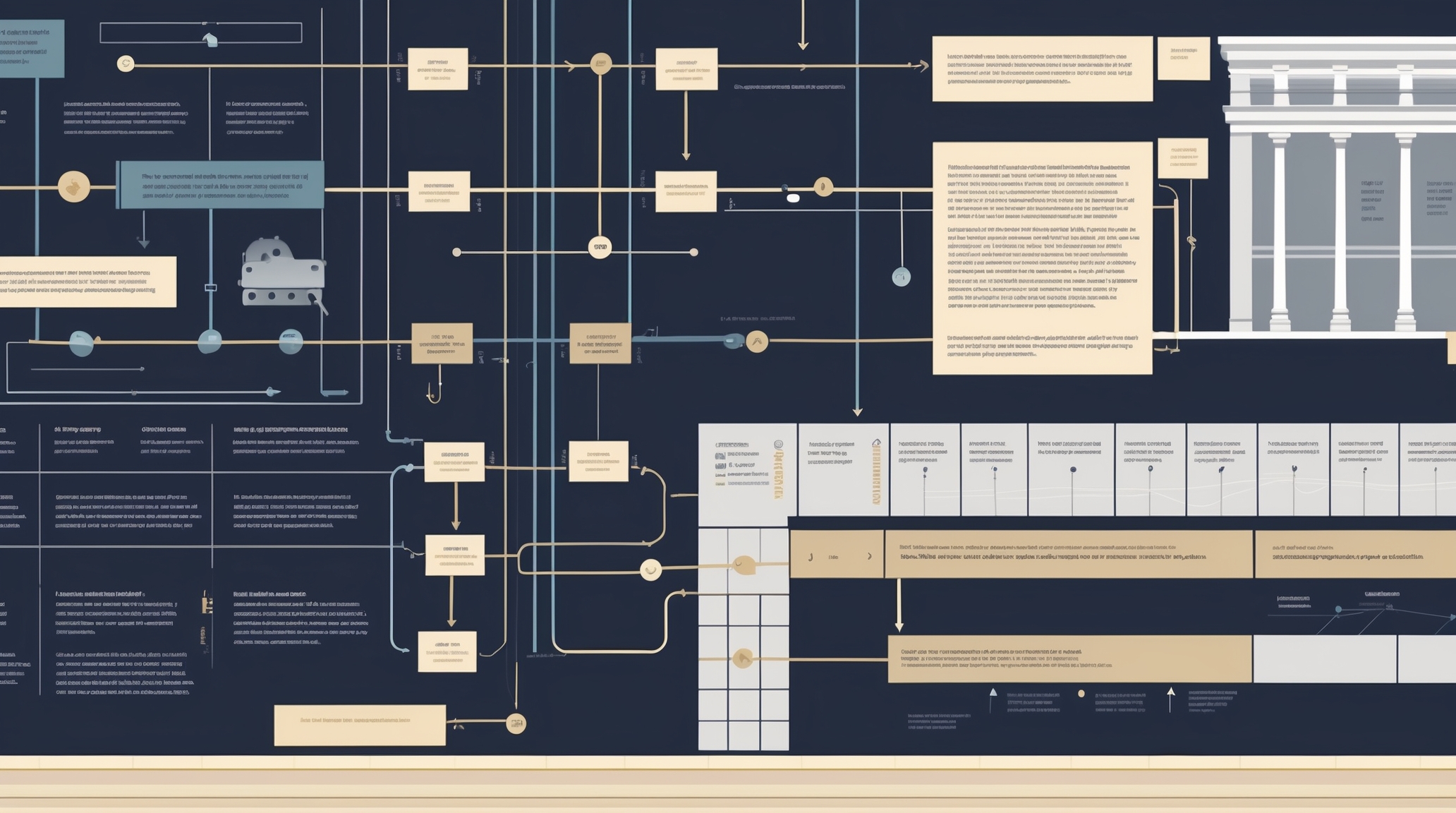
Practical methods to map systems, trace incentives, uncover feedback loops, and identify where real leverage exists. Learn how to analyse any system and understand how it truly works.

Explore the Toolkit →

How Money Flows

The Extraction Pattern

The Extraction Pattern

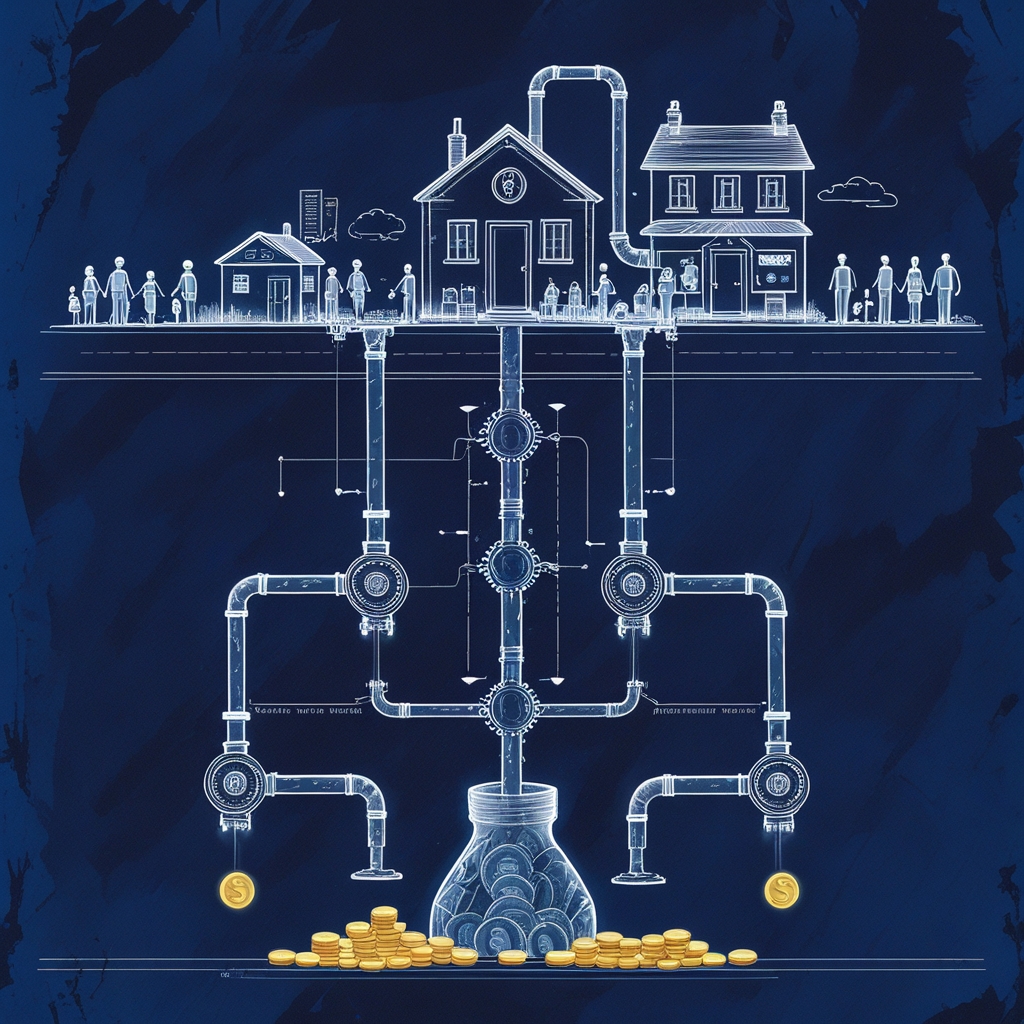
How extraction works across systems — where value is drawn from the many and concentrated toward the few through structure, incentives, and design.

Read the Article →

Books

Explore the Books

  • The Blueprint
  • Understanding Systems Thinking
  • How Systems Thinking Solves Problems That Keep Coming Back
  • The Chain Reaction Effect: Change One Thing, Change Everything
  • Browse Books

Topics

  • Home
  • Start Here
  • Systems
  • Toolkit
  • Fundamentals
  • Deep Dives

Deep Dives

  • The Money System
  • The Customer Service System
  • The UK Housing System
  • The UK Student Loan System
  • The UK Health System
  • The UK Childcare System

Resources

  • Books
  • Videos
  • Toolkit
  • Disclaimer
  • Privacy Policy
  • Contact Us
© 2026 Think On The System | Disclaimer | Privacy Policy